
Basic Math Skills Normal Science Worksheets for Ages 5-6
4 filtered results
Difficulty Level
Grade
Age
-
From - To
Subject
Activity
Standards
Discover our engaging Basic Math Skills Normal Science Worksheets tailored specifically for children aged 5-6! These meticulously designed resources combine essential math concepts with exciting science themes, fostering early numeracy and critical thinking. Children will explore fundamental skills such as counting, addition, and subtraction through colorful visuals and interactive activities, making learning fun and effective. Each worksheet aims to enhance comprehension while stimulating curiosity about the world around them. Perfect for classroom settings or at-home learning, our worksheets are an excellent way to prepare young learners for future math and science challenges. Start nurturing a love for learning today!
Favorites
With answer key
Interactive
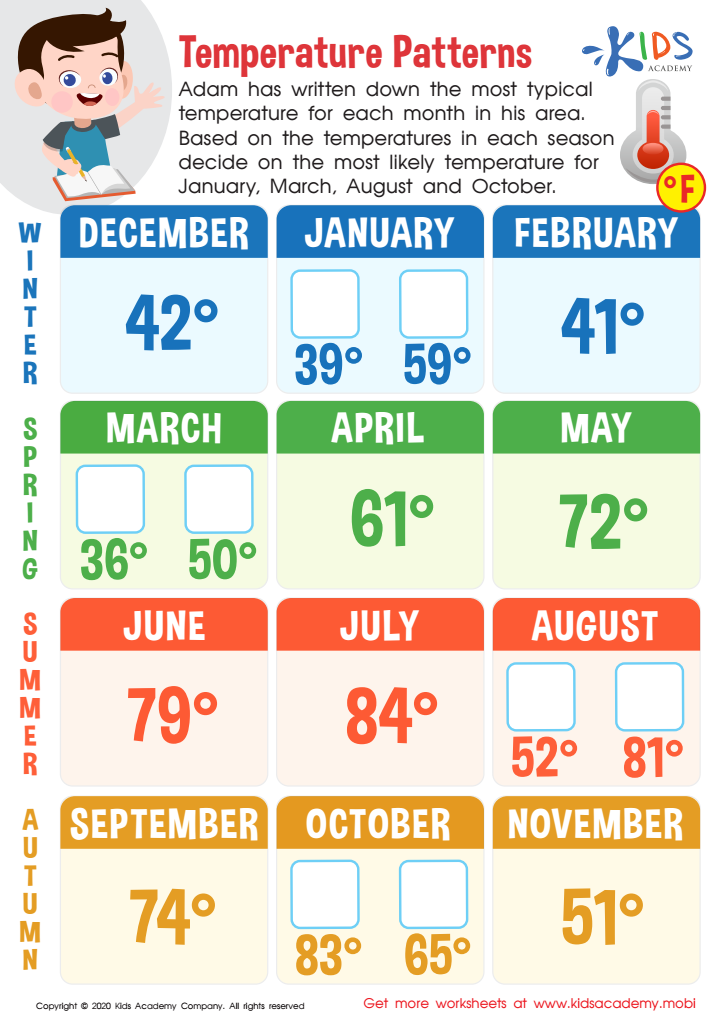
Temperature Patterns Worksheet
Adam has recorded temperatures in his area. Help your child use the data to predict temperatures for one month in each season. Check the box next to the correct temperature for each row in this worksheet. In America, temperatures vary by climate and season - colder in winter, hotter in summer.
 Assign to My Students
Temperature Patterns Worksheet
Worksheet
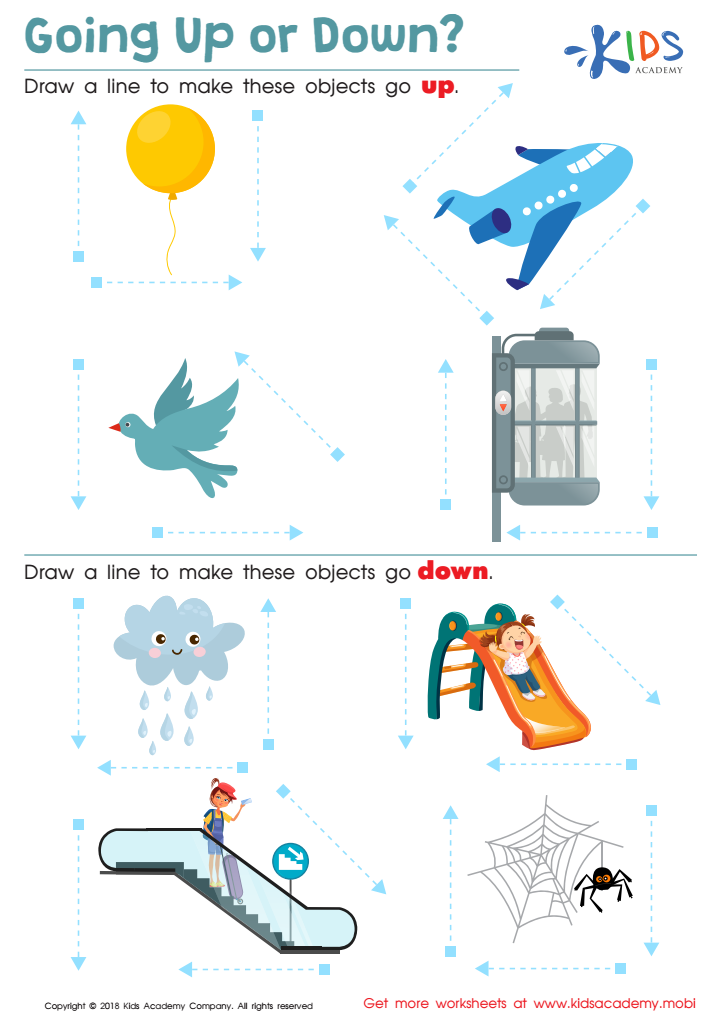
Going up or Down? Worksheet
Young students learn the concept of up and down with this geometry worksheet. They trace lines to identify relative positioning as an object travels. Kids can use position words to describe an object's movement, enhancing their spatial relationship skills - an important geometry foundation.
Going up or Down? Worksheet
Worksheet
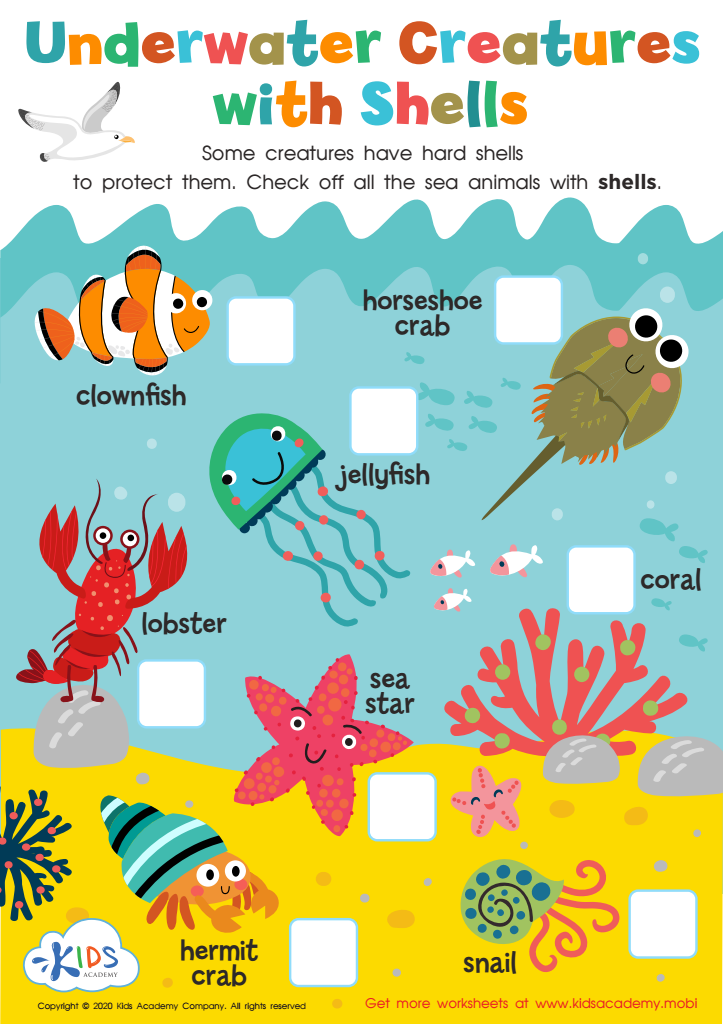
Underwater Creatures with Shells Worksheet
Teach your child about sea creatures with this vibrant PDF science worksheet! Comb through the colorful image to identify animals with shells; compare them to others and check them off. Let them know shells don't just wash up on beach, they serve as protection for sea creatures!
Underwater Creatures with Shells Worksheet
Worksheet
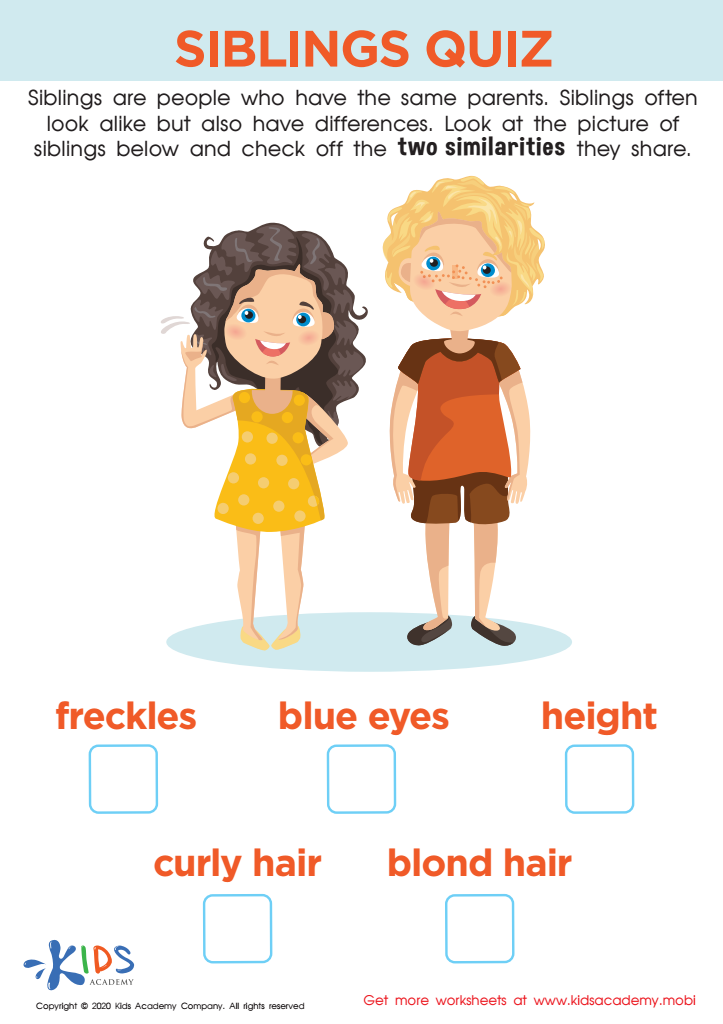
Siblings Quiz Worksheet
Your children may know a sibling is a sister or brother, but not realize what it means to be one. Siblings share the same parents, which means they share many genes. They are alike in many ways, but also have their own unique traits. Help your future scientist understand this early biology concept with this fun worksheet. They'll be tasked with finding similarities between two siblings on the page.
Siblings Quiz Worksheet
Worksheet
Join Kids Academy for Free
Who is primarily going to use this learning content?


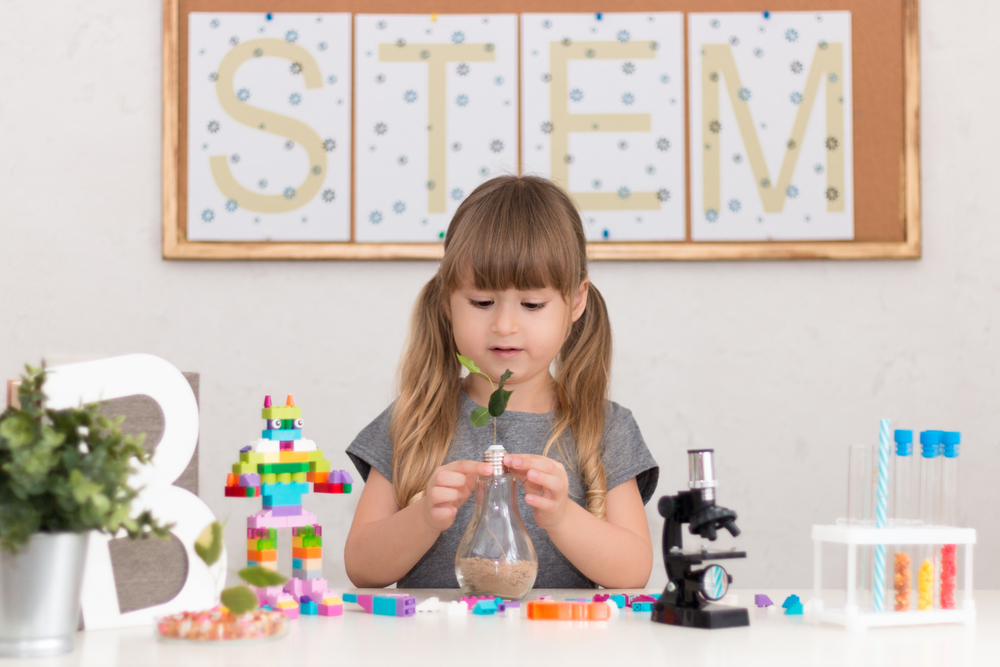



Parents and teachers should prioritize basic math skills alongside normal science for children aged 5-6, as these foundational areas are essential for holistic development. Math introduces young learners to concepts of counting, addition, and subtraction, which are critical for everyday problem-solving and developing logical reasoning. Understanding basic math helps children recognize patterns, shapes, and spatial reasoning, laying the groundwork for future learning in more complex mathematical concepts.
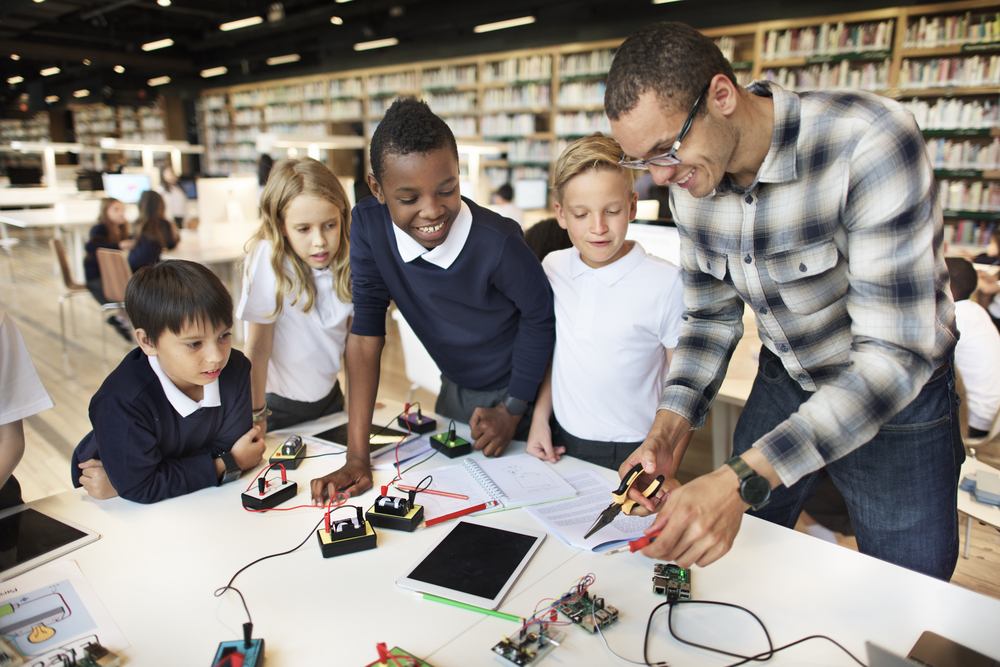
On the other hand, normal science fosters curiosity about the world, encouraging children to explore, ask questions, and develop observational skills. This age group is naturally inquisitive, and science education nurtures that curiosity, helping children learn about living things, the environment, and basic physical science concepts through hands-on experiments and exploration.
Combining basic math skills with science enables interdisciplinary learning, where students can see the practical applications of math in real-world scenarios, such as measuring ingredients during cooking or counting items in nature. By investing time and energy in these subjects, parents and teachers not only stimulate cognitive development but also foster a love for learning. This early emphasis opens the door to a lifetime of academic curiosity, critical thinking, and problem-solving abilities.







