Understanding life cycles Normal Science Worksheets for Ages 5-6
3 filtered results
-
From - To
Explore the fascinating world of life cycles with our "Understanding Life Cycles" worksheets, designed specifically for children aged 5-6. These engaging resources introduce young learners to essential concepts of growth and transformation in plants and animals. Our hands-on activities encourage exploration and curiosity about the natural world, helping kids observe, classify, and relate to life cycles they encounter daily. With colorful illustrations and simple explanations, these worksheets foster a strong foundation in science while making learning fun. Perfect for classroom use or at-home learning, our materials support early education by nurturing a love for science and discovery in young minds.
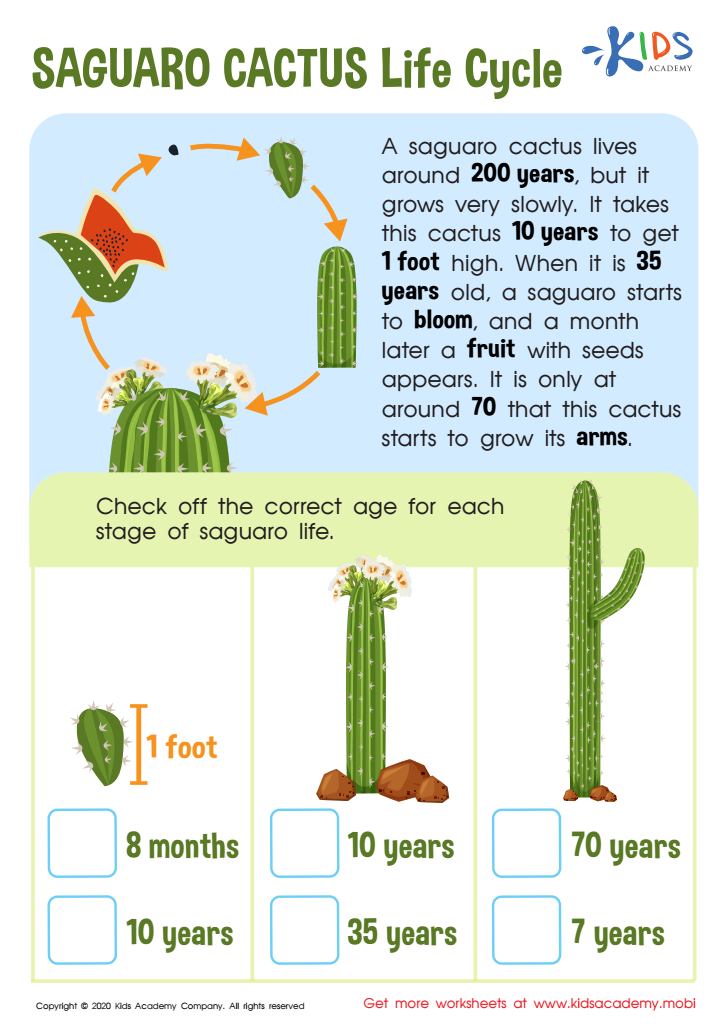
Saguaro Cactus Life Cycle Worksheet
 Assign to My Students
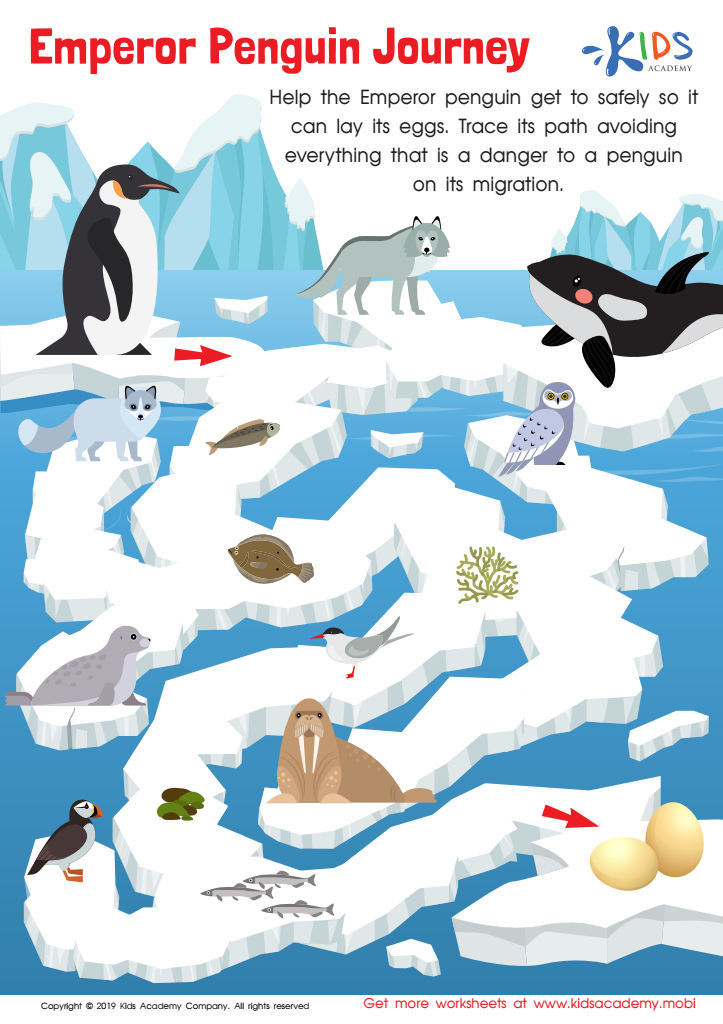
Emperor Penguin Journey Worksheet
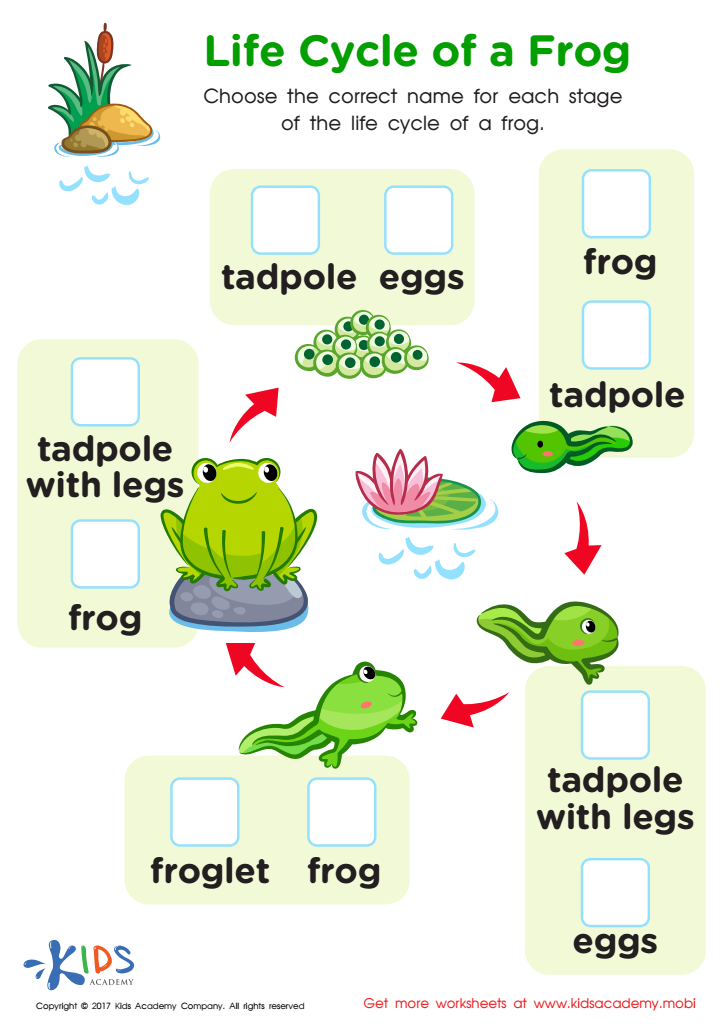
Life Cycle Frog Printable






Understanding life cycles is crucial for young learners, particularly in the early grades, as it introduces them to the fundamental principles of biology and fosters a sense of curiosity about the natural world. For parents and teachers of children aged 5-6, engaging with life cycle concepts can instill a deeper appreciation for living organisms and their environments.
At this age, children are naturally curious and eager to explore the processes of growth and change. Lessons about life cycles—such as those of butterflies, frogs, or plants—help children grasp the concepts of birth, growth, reproduction, and death. These themes can promote emotional intelligence by encouraging children to empathize with living things and understand their connections to one another.
Moreover, grasping life cycles aids in developing critical thinking skills as children observe and question the transformations in nature. It can also enhance their vocabulary and comprehension skills as they learn new terms related to biology. Lastly, understanding life cycles lays the groundwork for more complex scientific understanding in the future, helping to cultivate the next generation of informed and responsible citizens who appreciate biodiversity and environmental stewardship. Teachers and parents play a vital role in nurturing this foundational knowledge by facilitating engaging and interactive learning experiences.







