Critical Thinking Normal World Around Us Worksheets for Ages 5-6
5 filtered results
-
From - To
Explore our engaging "Critical Thinking Normal World Around Us Worksheets" designed for children ages 5-6! These interactive worksheets help young learners develop essential critical thinking skills through fun and relatable activities. From identifying various objects in their surroundings to understanding basic relationships and problem-solving scenarios, our materials empower kids to analyze and reflect on the world around them. Foster curiosity and independent thinking in a playful way! With colorful visuals and easy instructions, these worksheets make learning a delightful adventure. Perfect for parents and educators, our resources encourage exploration and deeper understanding of everyday concepts. Start your child's critical thinking journey today!
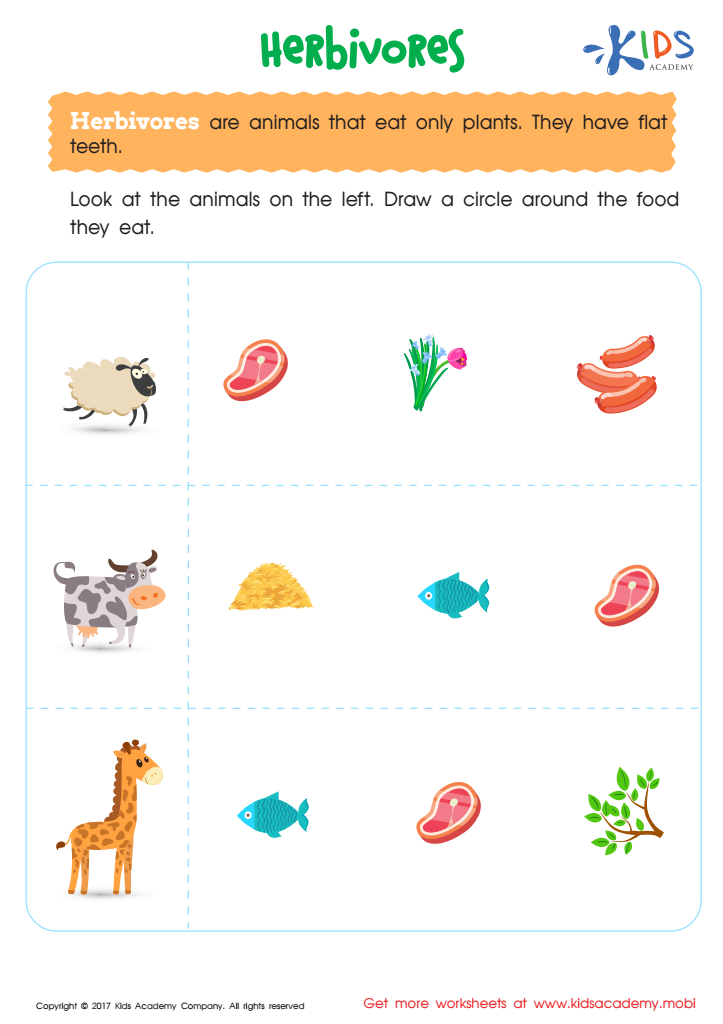
Herbivores Printable
 Assign to My Students
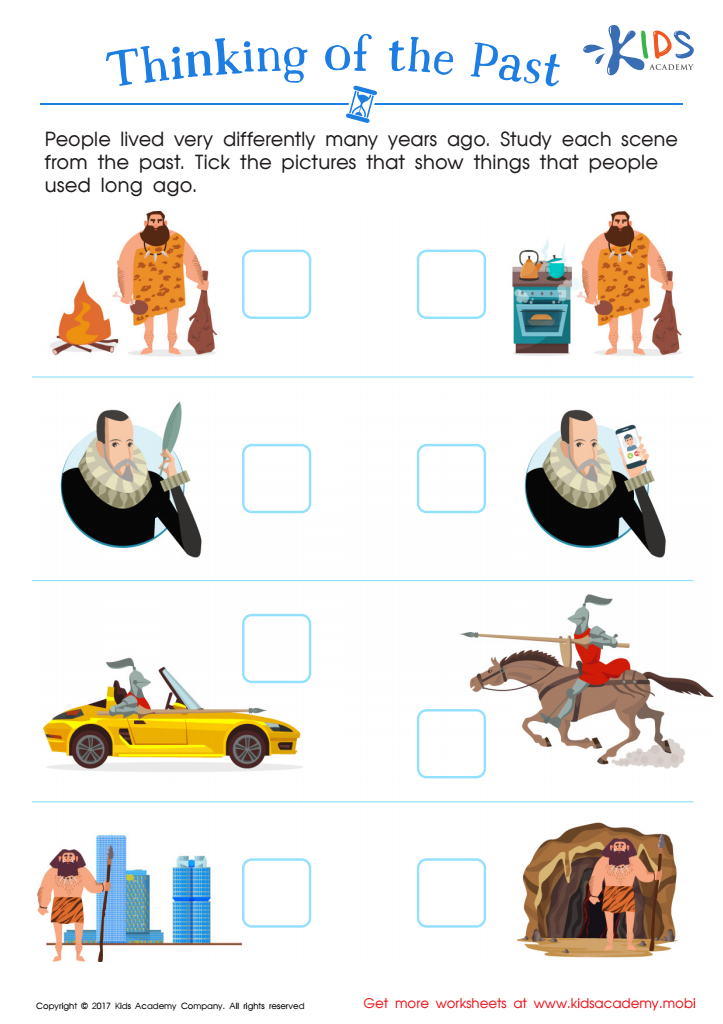
Thinking Past Printable
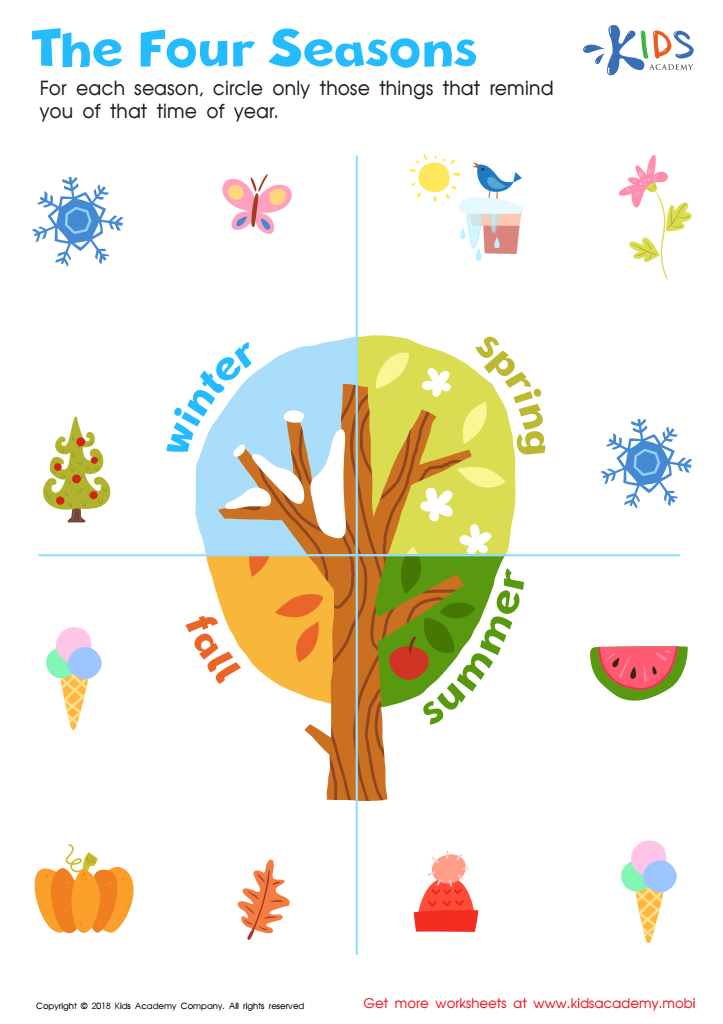
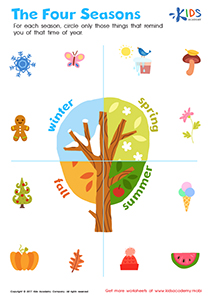
The Four Seasons Worksheet








Critical thinking is an essential skill that helps young children navigate their world effectively. For ages 5-6, fostering critical thinking empowers children to analyze information, make thoughtful decisions, and solve problems creatively. Parents and teachers play a crucial role in nurturing this skill through engaging activities that encourage questioning, exploration, and discussion.
At this formative age, children are naturally curious, and critical thinking helps them build a strong foundation for lifelong learning. It enables them to evaluate situations and understand cause-and-effect relationships, essential for everyday interactions and decision-making. Through critical thinking, children learn to express their thoughts, listen to others, and appreciate different perspectives, which enhances their social and emotional development.
Moreover, instilling critical thinking skills at an early age prepares children for future academic success. It encourages a love for learning, as they learn to seek out answers rather than passively receive information. By integrating critical thinking into lessons and everyday experiences, parents and teachers can cultivate independent thinkers who are well-equipped to face the challenges of an increasingly complex world. Ultimately, supporting critical thinking in young children benefits them not only in school but also in their personal growth and social interactions throughout life.