Word Recognition Normal Writing Worksheets for Ages 5-6
13 filtered results
-
From - To
Explore our engaging Word Recognition Normal Writing Worksheets designed for children ages 5-6! These interactive worksheets help young learners boost their reading and writing skills through fun activities that promote word recognition. Each worksheet is crafted to foster familiarity with essential sight words, enhancing vocabulary and encouraging independent reading. With colorful illustrations and varied exercises, kids will enjoy practicing letter-to-sound correspondence and word formation. Perfect for both classroom and home settings, these worksheets make learning enjoyable and effective. Help your child build a solid foundation in literacy with our comprehensive resources for early learners. Start their journey to reading success today!
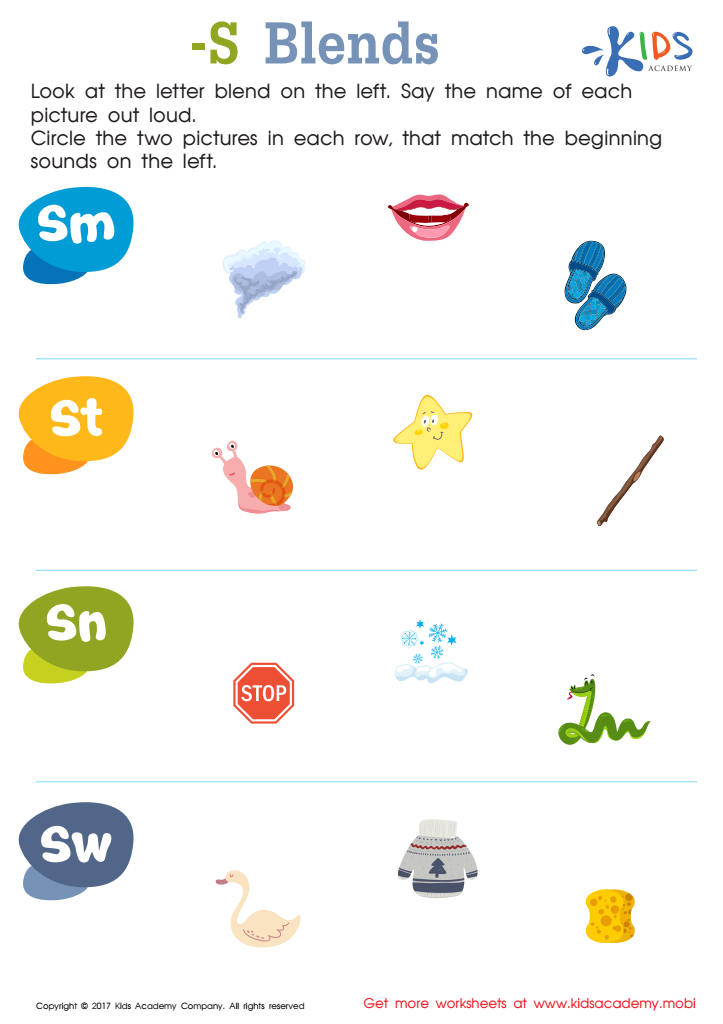
"s" Blends Spelling Printable
 Assign to My Students
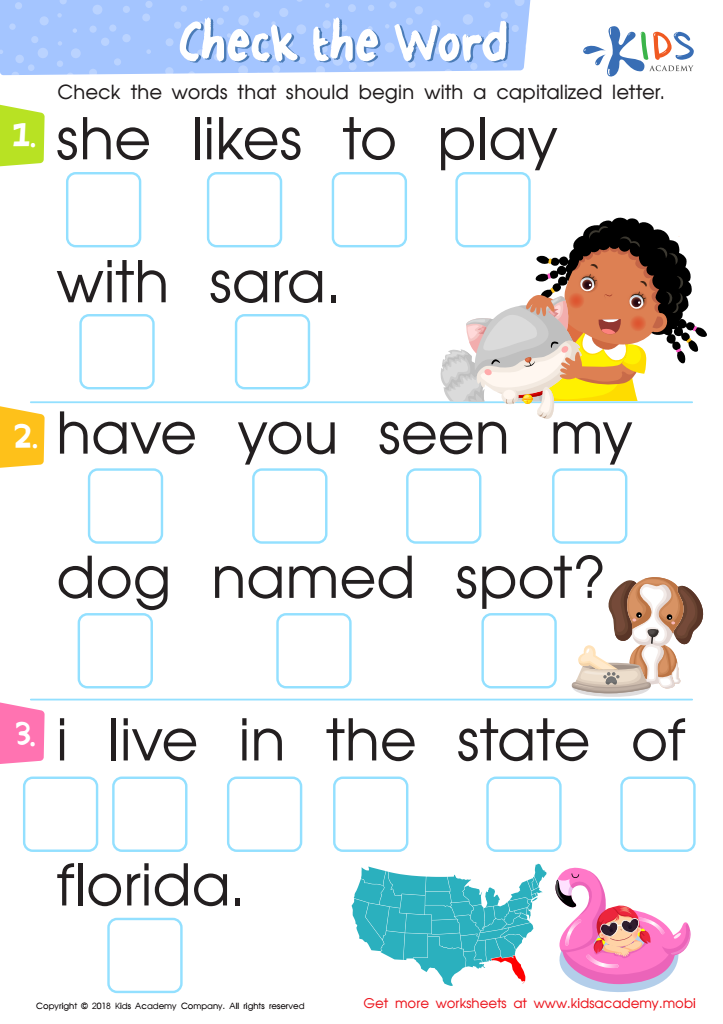
Check the Word Worksheet
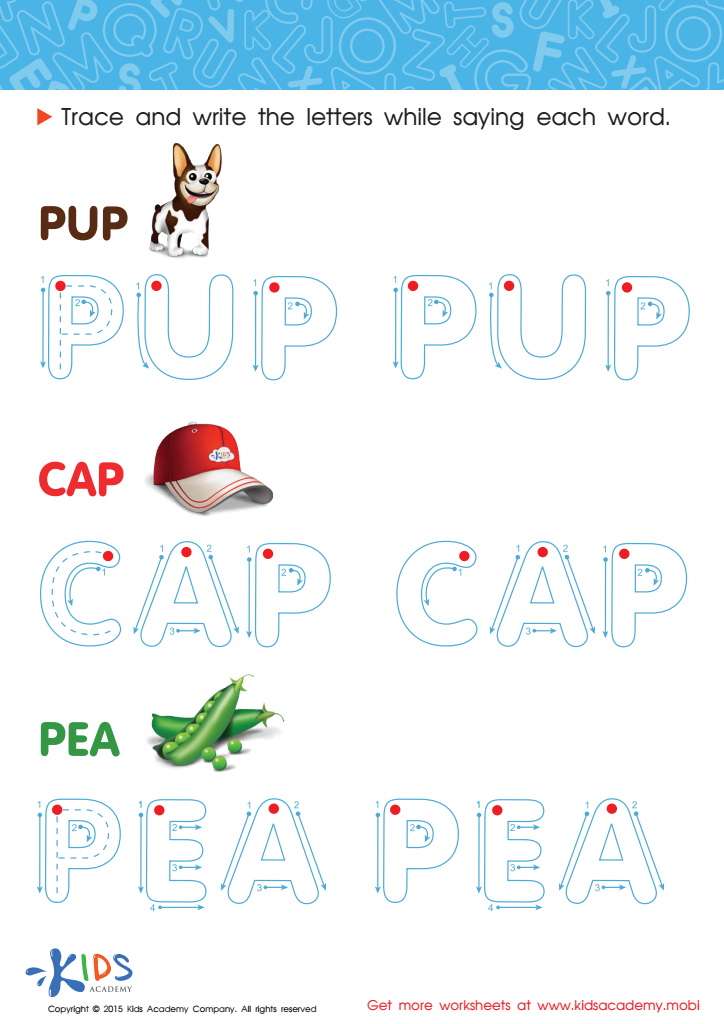
A Pup, a Cap and a Pea Spelling Worksheet
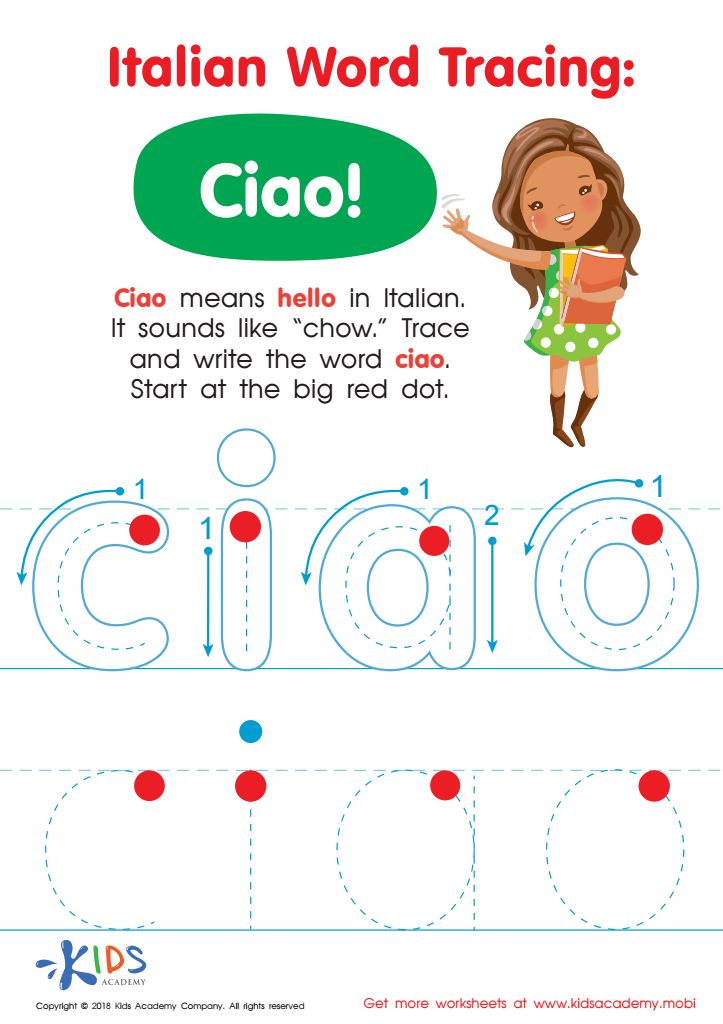
Italian Word Tracing: Ciao Worksheet
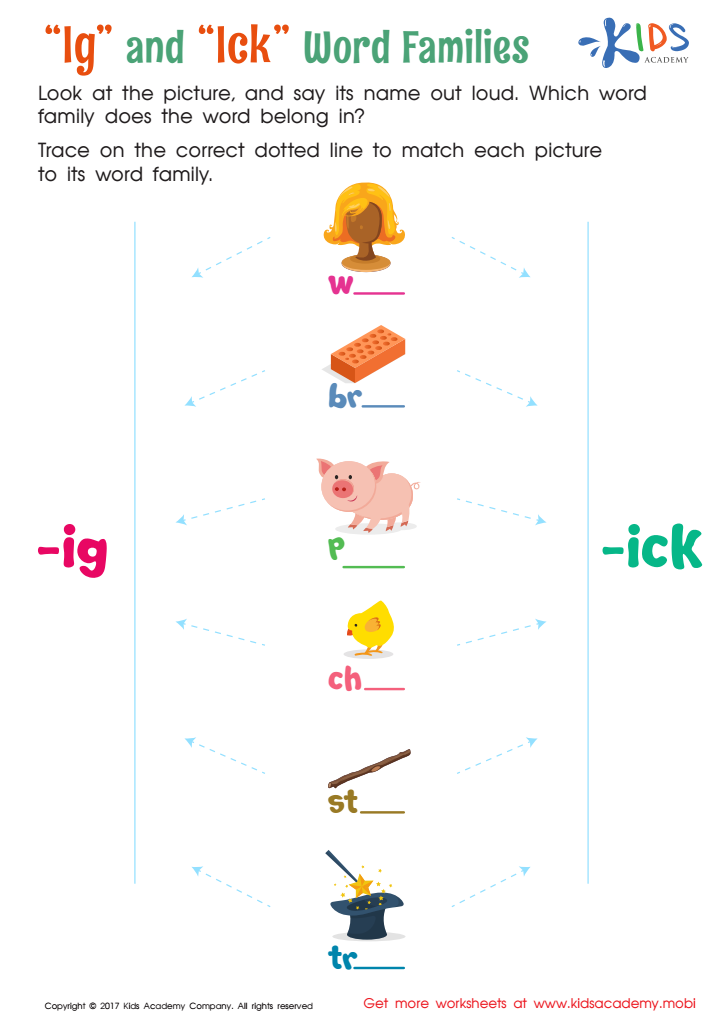
Words Families "ig" and "ick" Spelling Worksheet
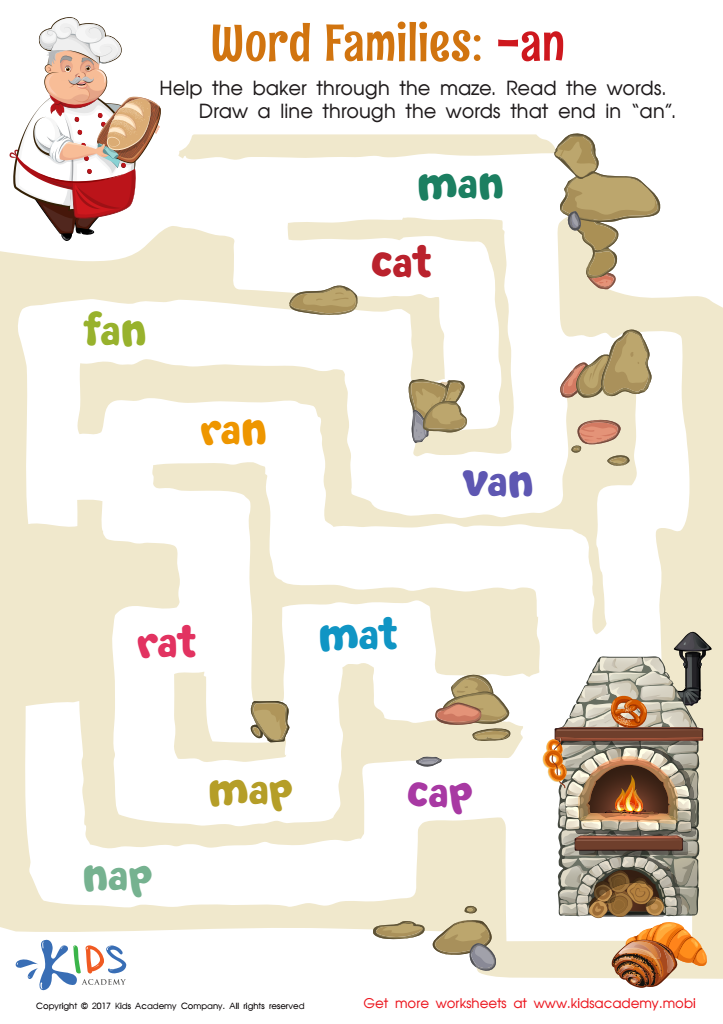
Words Families "an" Spelling Worksheet
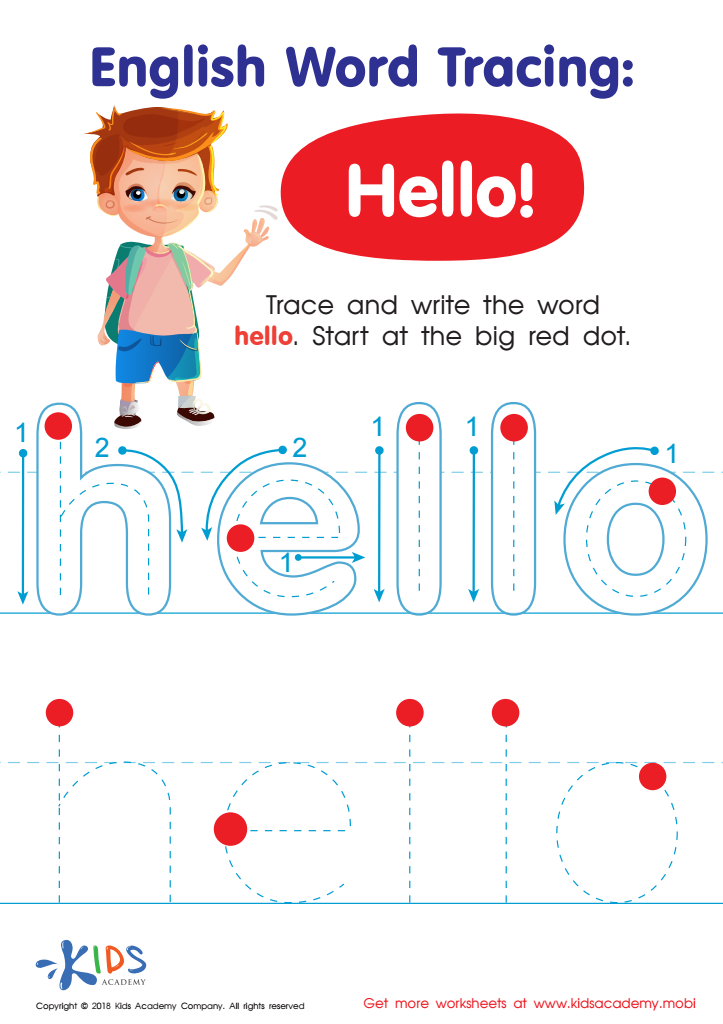
English Word Tracing: Hello Worksheet
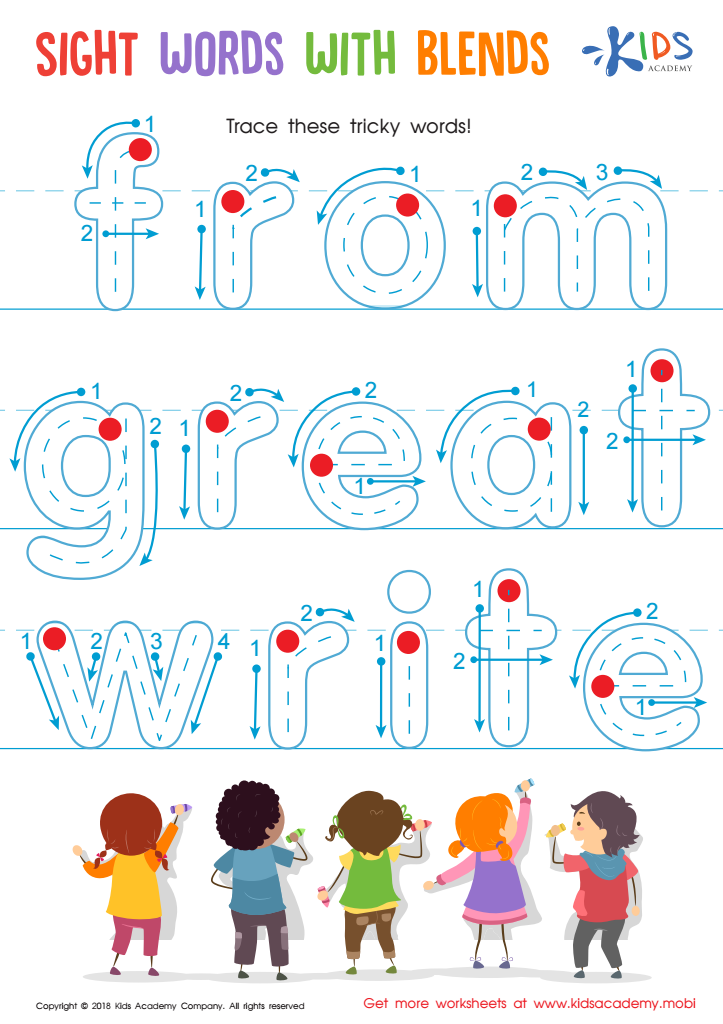
Sight Words with Blends Worksheet
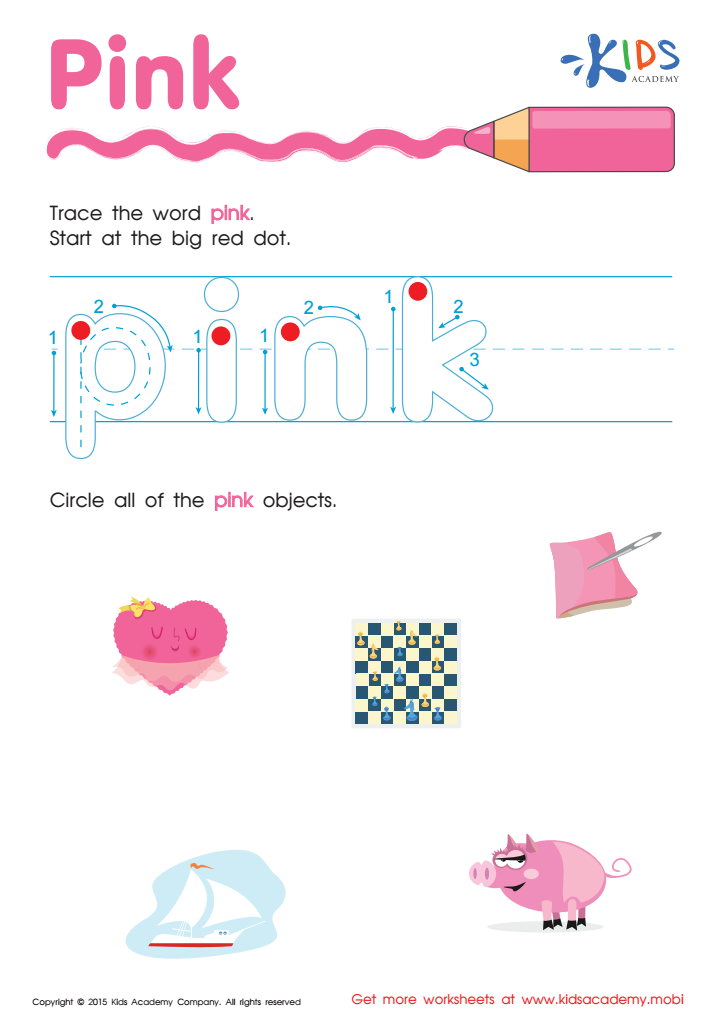
Pink Tracing Color Words Worksheet
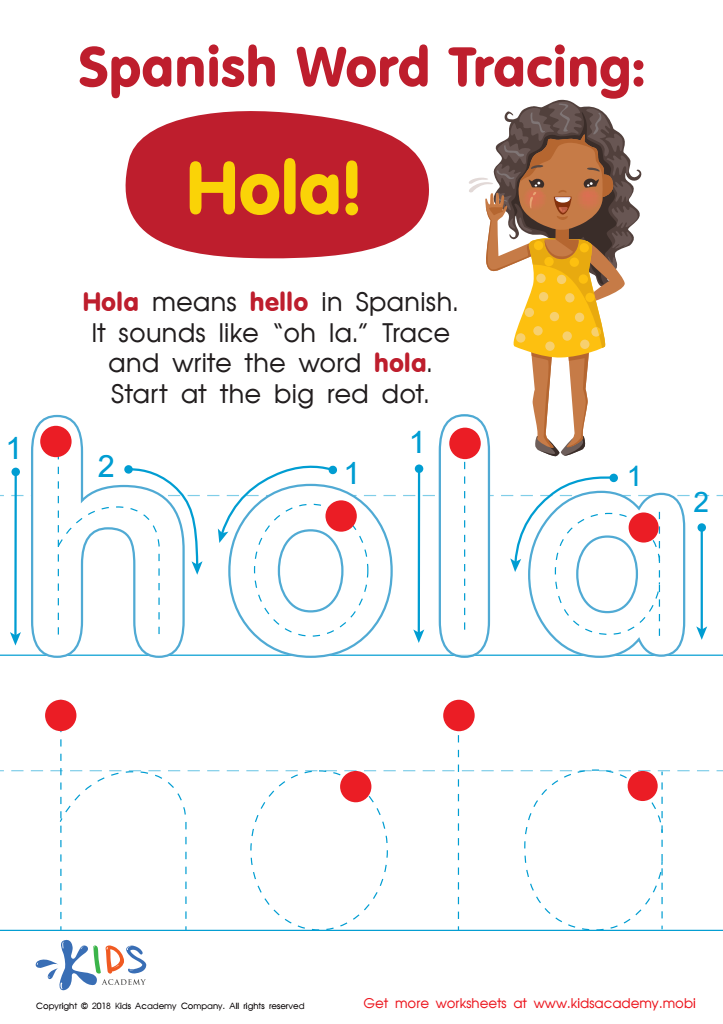
Spanish Word Tracing: Hola Worksheet
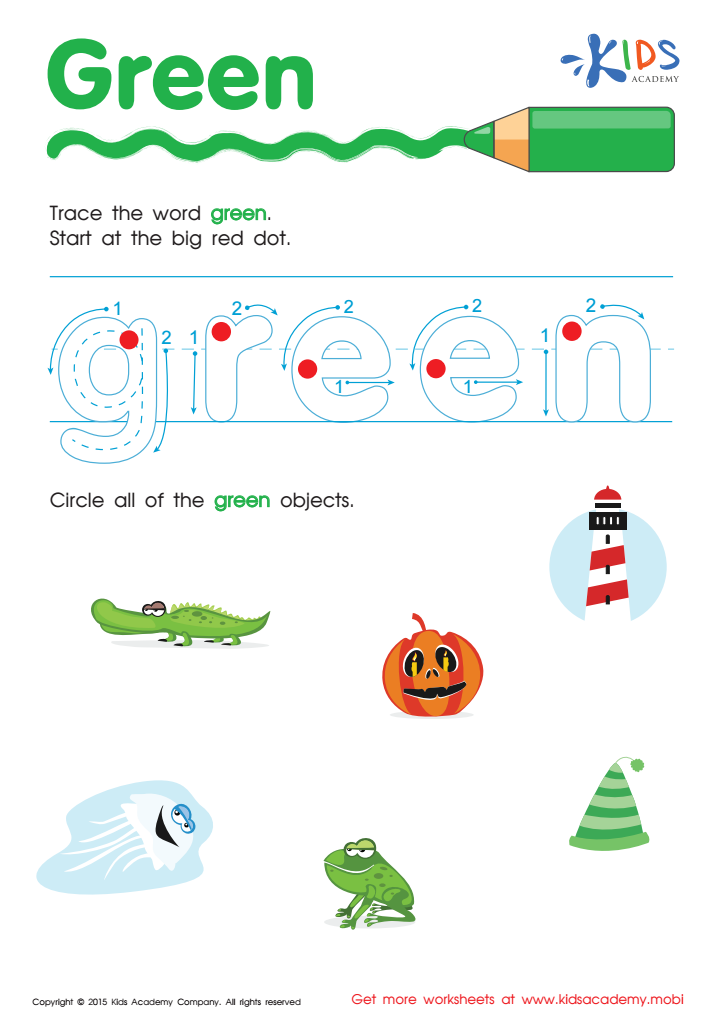
Green Tracing Color Words Worksheet
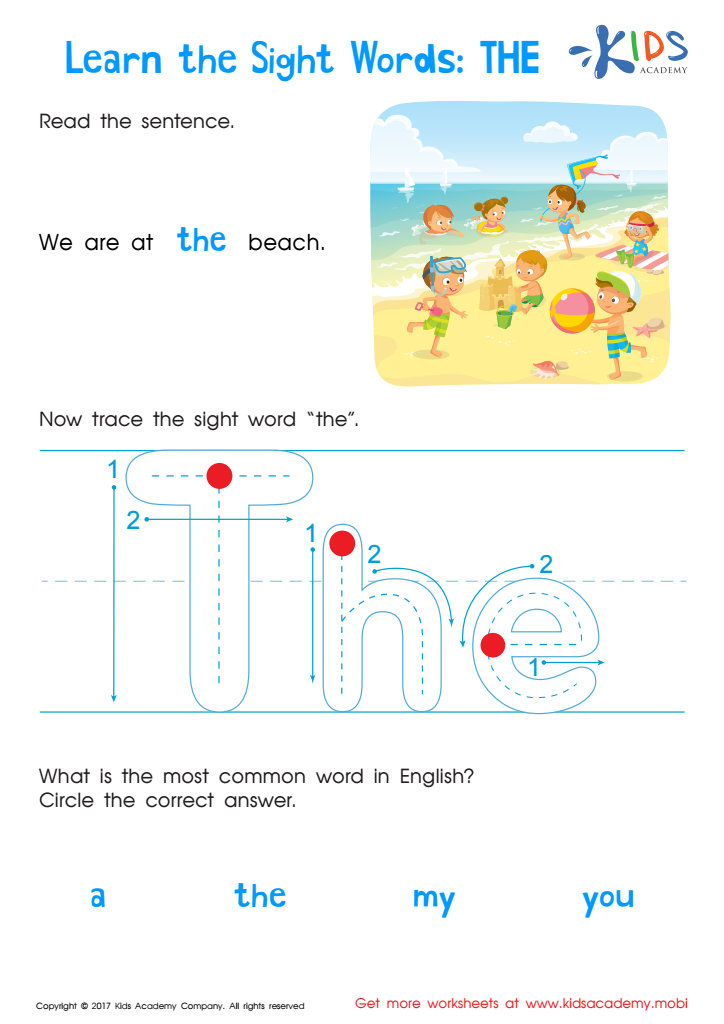
Sight Words: The Worksheet







Word recognition is a crucial skill for children aged 5-6 as it forms the foundation for their reading and writing development. During this pivotal stage, children begin to recognize familiar words, which enhances their ability to decode new ones, fostering a love for reading. Parents and teachers should prioritize word recognition activities because it promotes cognitive development, boosts vocabulary acquisition, and supports comprehension skills.
When children can recognize words effortlessly, they can focus more on understanding the content, which is vital for their academic success. It also encourages them to engage with texts independently, building confidence as learners. Practicing word recognition through games, songs, and hands-on activities makes the learning process enjoyable, setting a positive tone for future literacy endeavors.
Moreover, strong word recognition skills are linked to better performance in other subjects, as reading is integral across the curriculum. By nurturing these skills early, parents and teachers lay the groundwork for proficient, enthusiastic readers. Investing time and resources into word recognition is therefore essential, as it not only benefits literacy abilities but also fosters a lifelong passion for learning, ensuring children are well-equipped for future academic challenges.