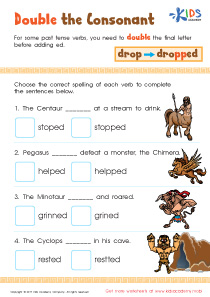
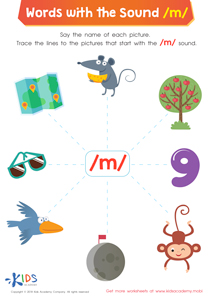
Reading comprehension Normal Consonant Digraphs Worksheets for Ages 5-7
6 filtered results
-
From - To
Boost your child's reading skills with our "Reading Comprehension Normal Consonant Digraphs Worksheets for Ages 5-7." These engaging worksheets help young learners master consonant digraphs such as "ch," "sh," and "th" while building crucial reading comprehension abilities. Designed by education experts, each worksheet features child-friendly texts, fun illustrations, and interactive exercises that stimulate learning and retention. Perfect for classroom use or at-home practice, these worksheets are an excellent tool to support your child's literacy journey. Get started today and watch your child's confidence and reading skills soar!
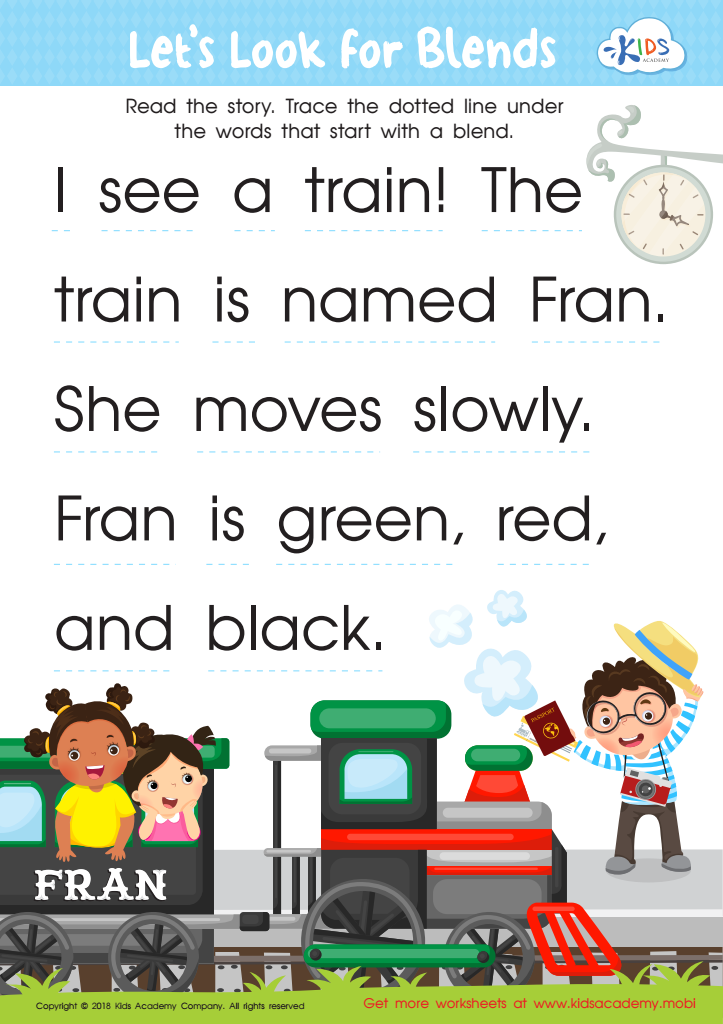
Let's Look for Blends Worksheet
 Assign to My Students
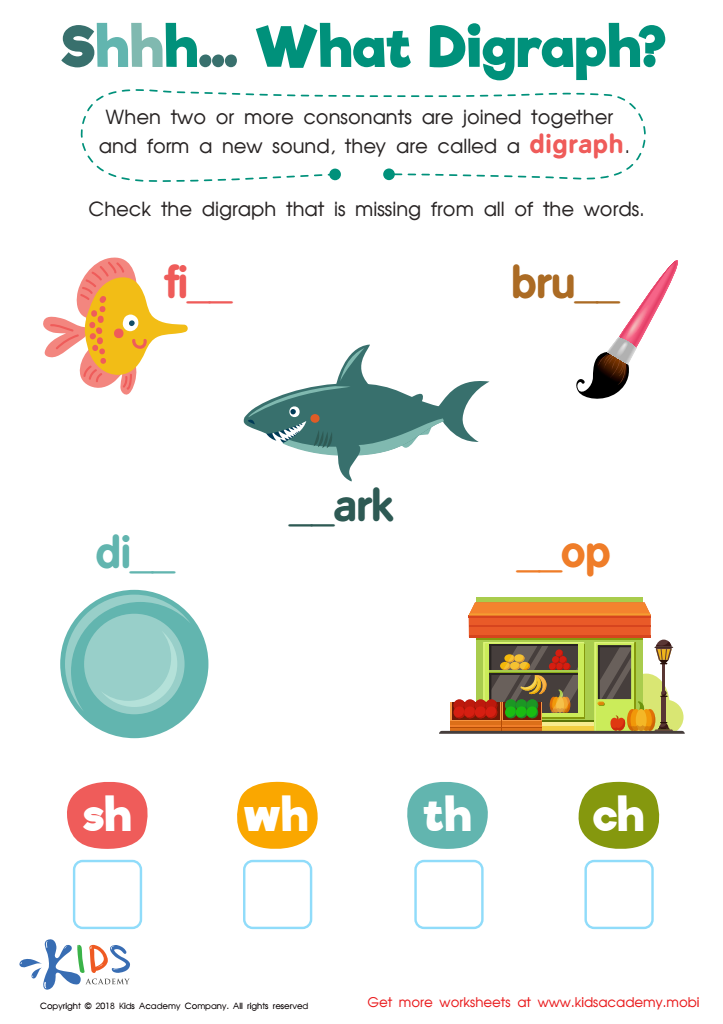
Shhh... What Digraph? Worksheet
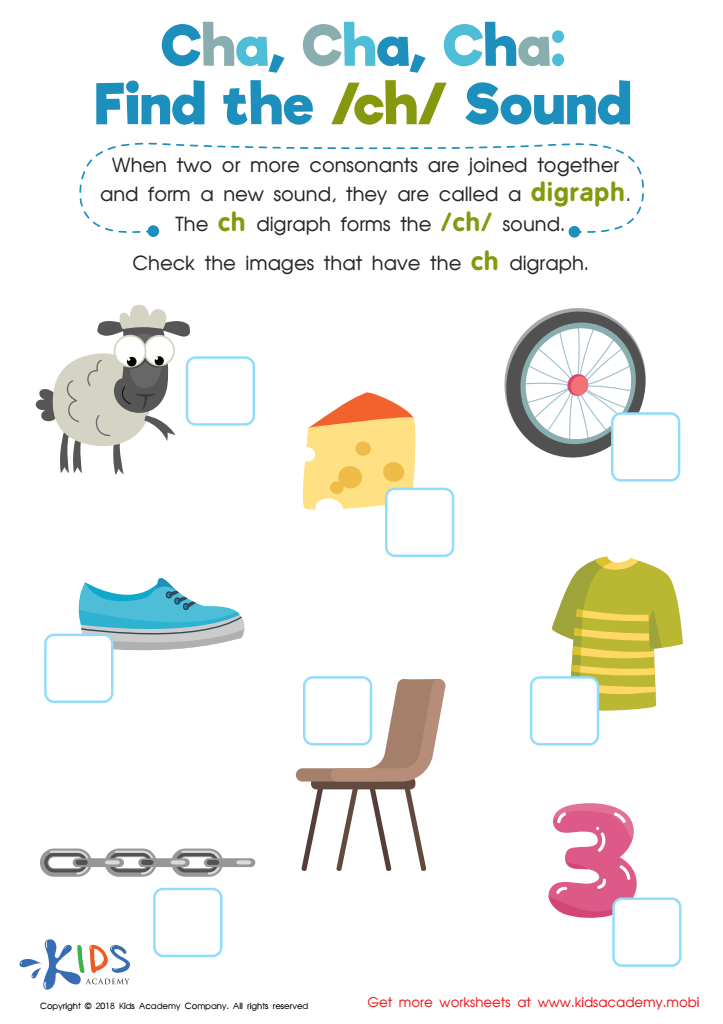
Cha, Cha, Cha: Find the /Ch/ Sound Worksheet
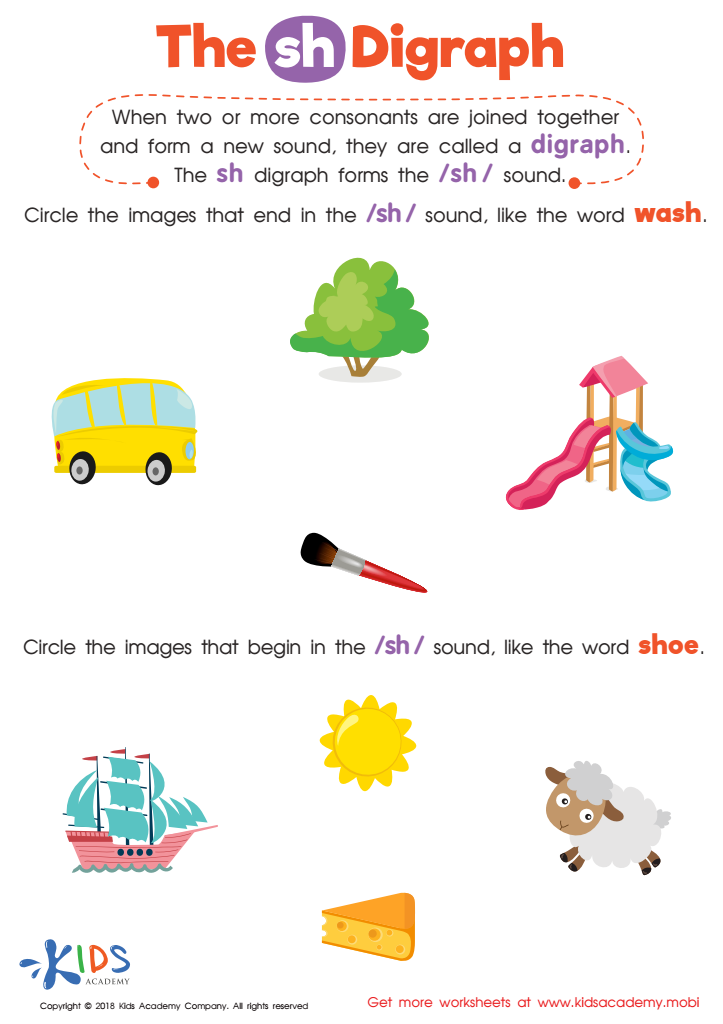
The SH Digraph Worksheet
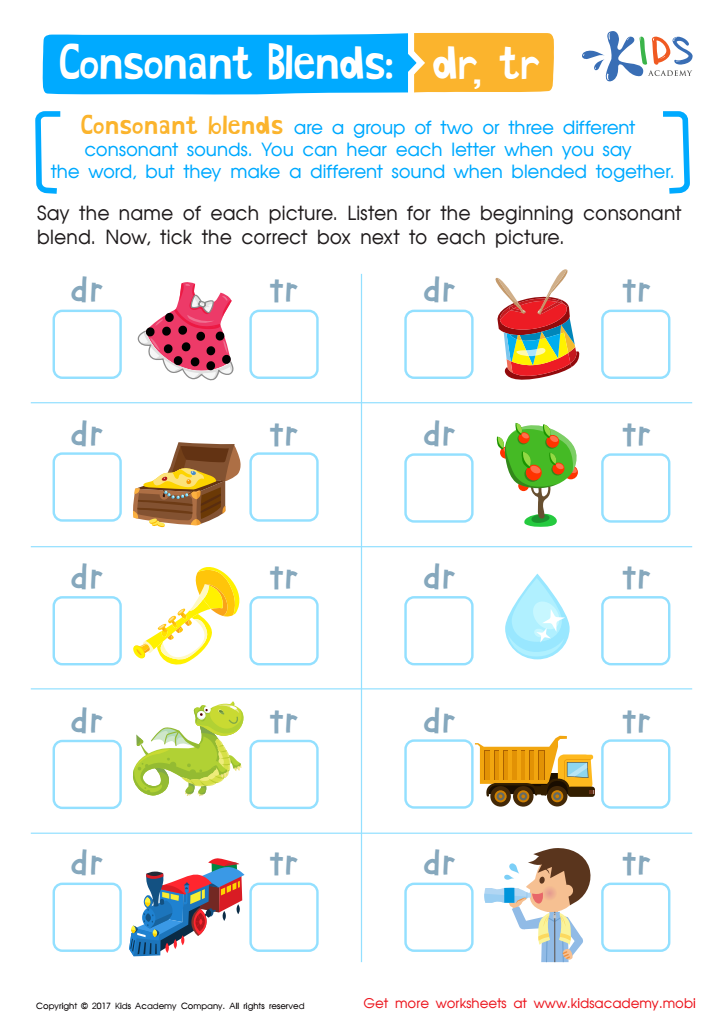
Consonant Blends: "Dr" and "Tr" Printable
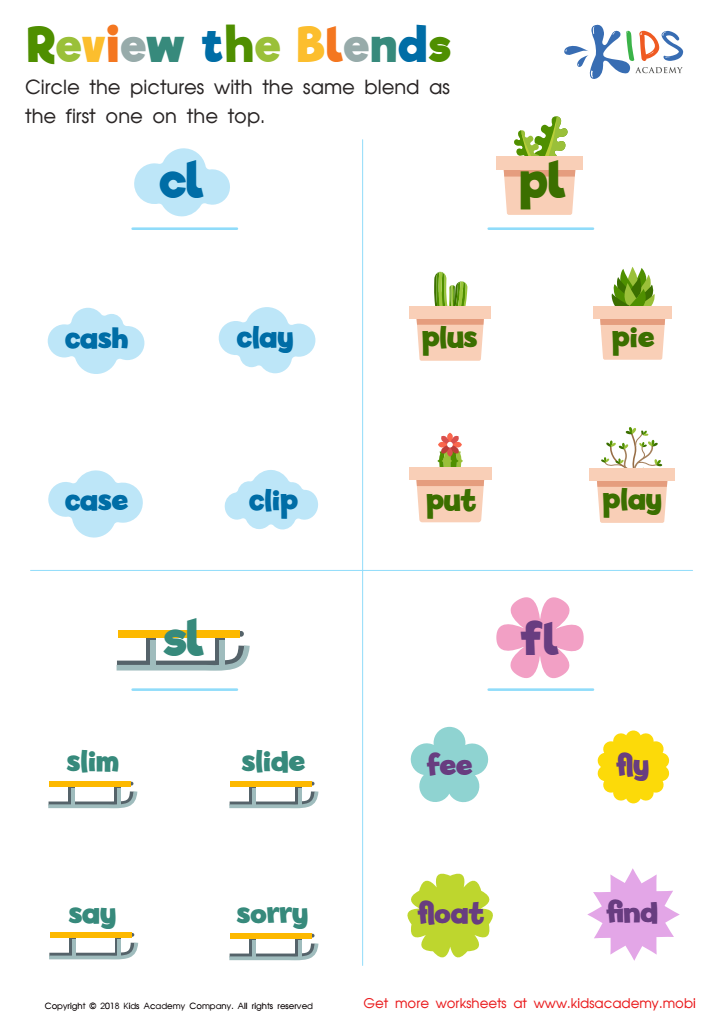
Review the Blends Worksheet


Parents and teachers should prioritize reading comprehension and understanding normal consonant digraphs for children ages 5-7 because these foundational skills are cornerstones of literacy development. Consonant digraphs, pairs of letters representing one sound (like 'sh' in "ship" or 'ch' in "chip"), are common in English and mastering them helps children decode words more effectively. As young learners encounter these digraphs frequently, comprehension aids in smooth reading, directly impacting their ability to understand and enjoy text.
During these early years, children are particularly receptive to language acquisition. When they grasp normal consonant digraphs, they can recognize familiar speech patterns and connect sounds to letters, enhancing their phonemic awareness. This ability not only supports spelling and pronunciation but also builds confidence in reading.
Moreover, robust reading comprehension at this stage is linked to better academic performance across subjects. As children learn to understand and interpret text, they develop critical thinking skills and a more extensive vocabulary, resources that are vital for lifelong learning. By stressing the importance of these early literacy skills, parents and teachers can set children up for success, encouraging a love of reading that can positively influence their educational journey and overall intellectual growth.