Normal Letter Recognition Worksheets for Ages 5-7 - Page 4
82 filtered results
-
From - To
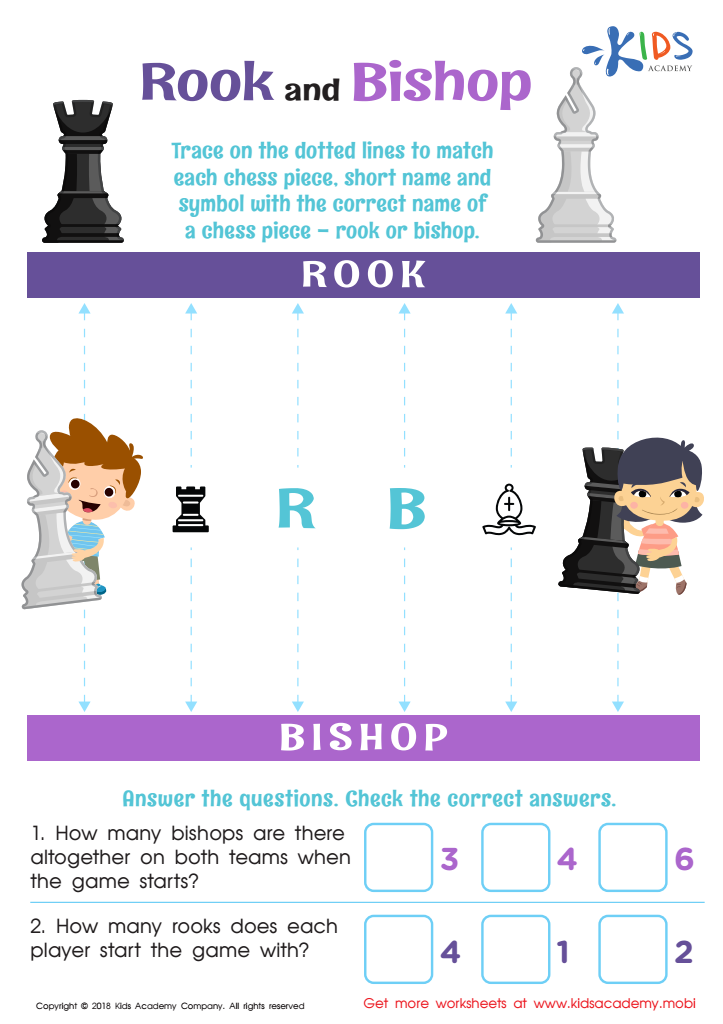
Rook and Bishop Worksheet
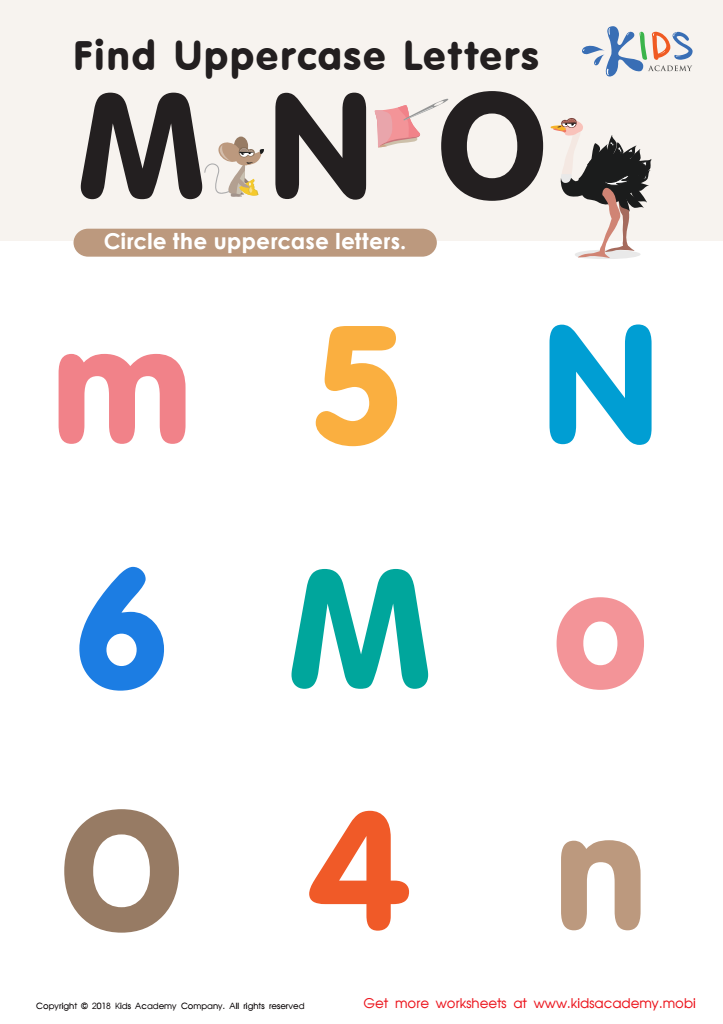
Find Uppercase Letters M, N, and O Worksheet
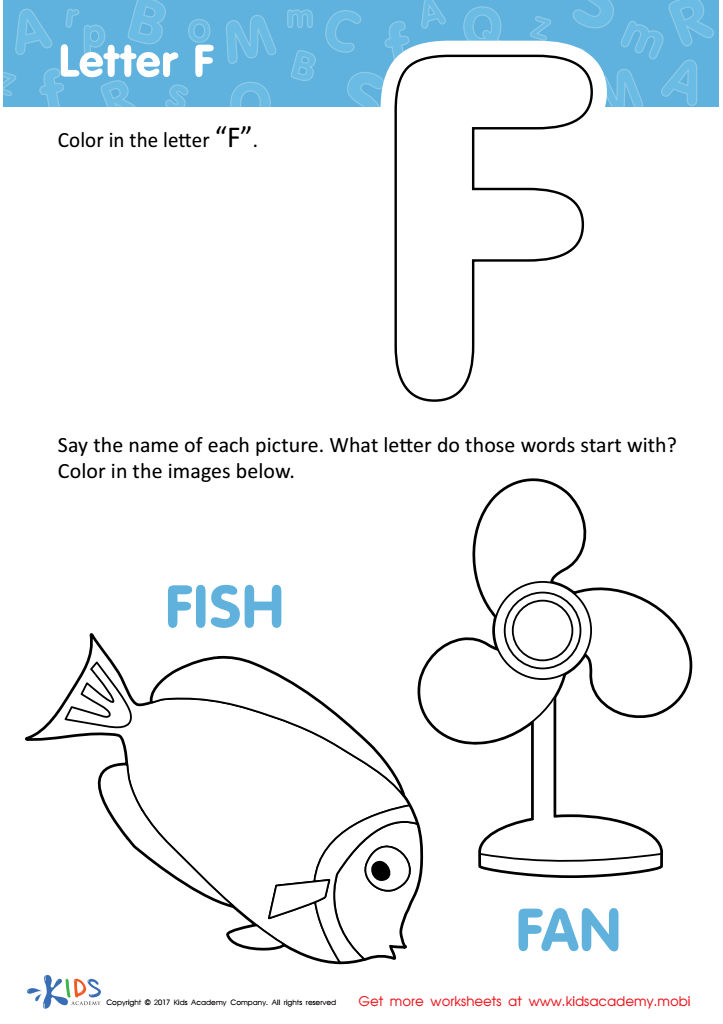
Letter F Coloring Sheet
 Assign to My Students
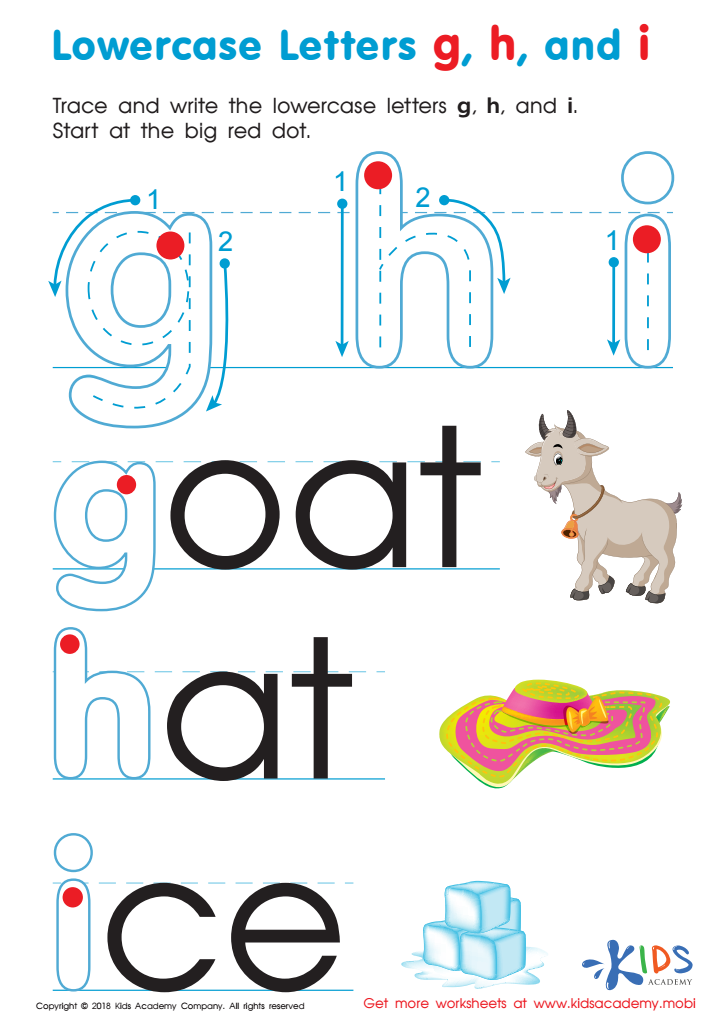
Lowercase Letters g h i Worksheet
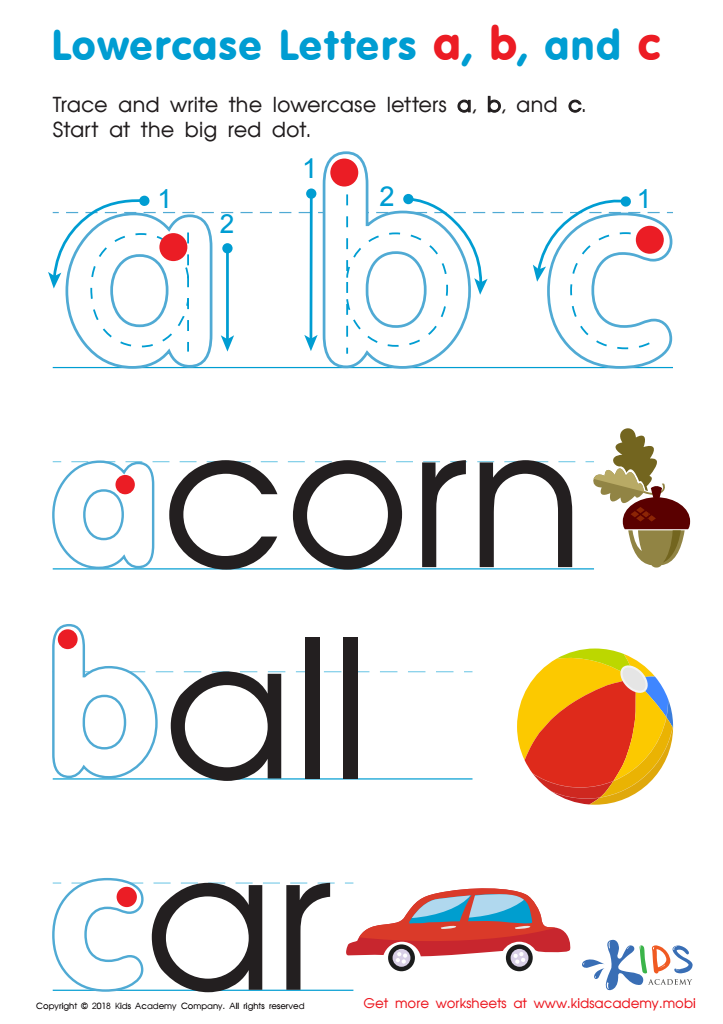
Lowercase Letters a b c Worksheet
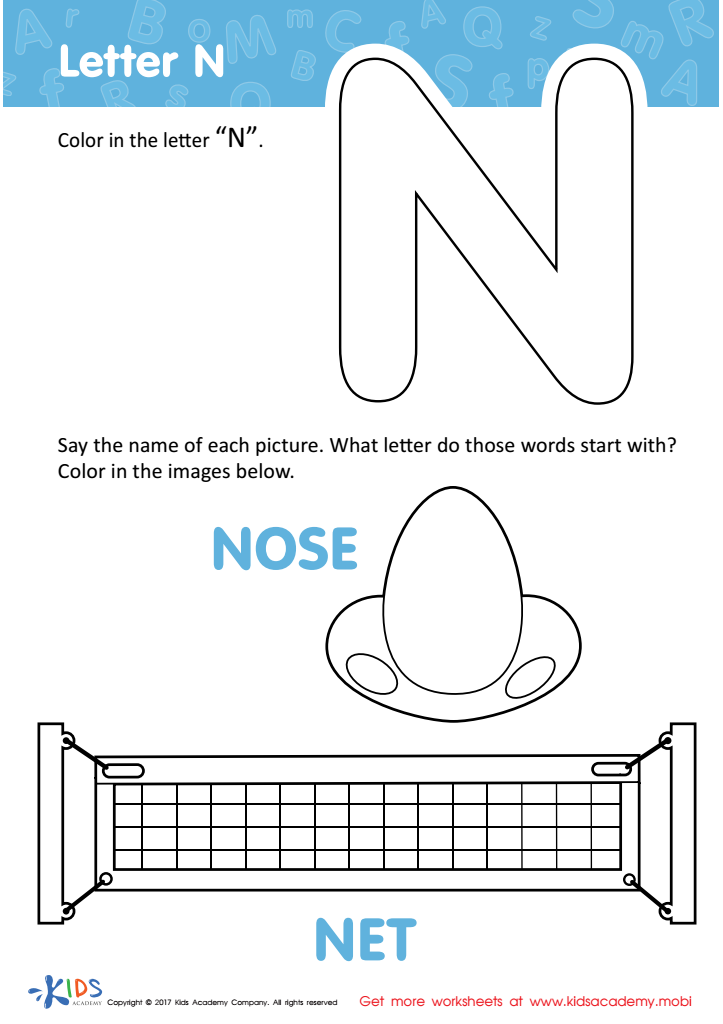
Letter N Coloring Sheet
Assign to My Students
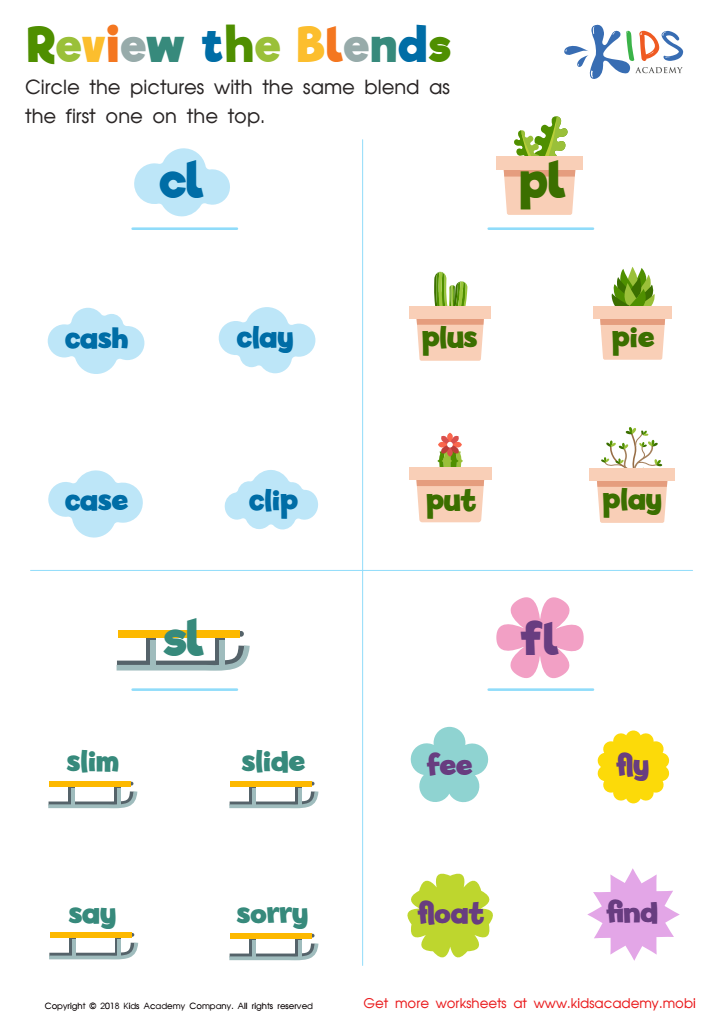
Review the Blends Worksheet

Letter D Tracing Page
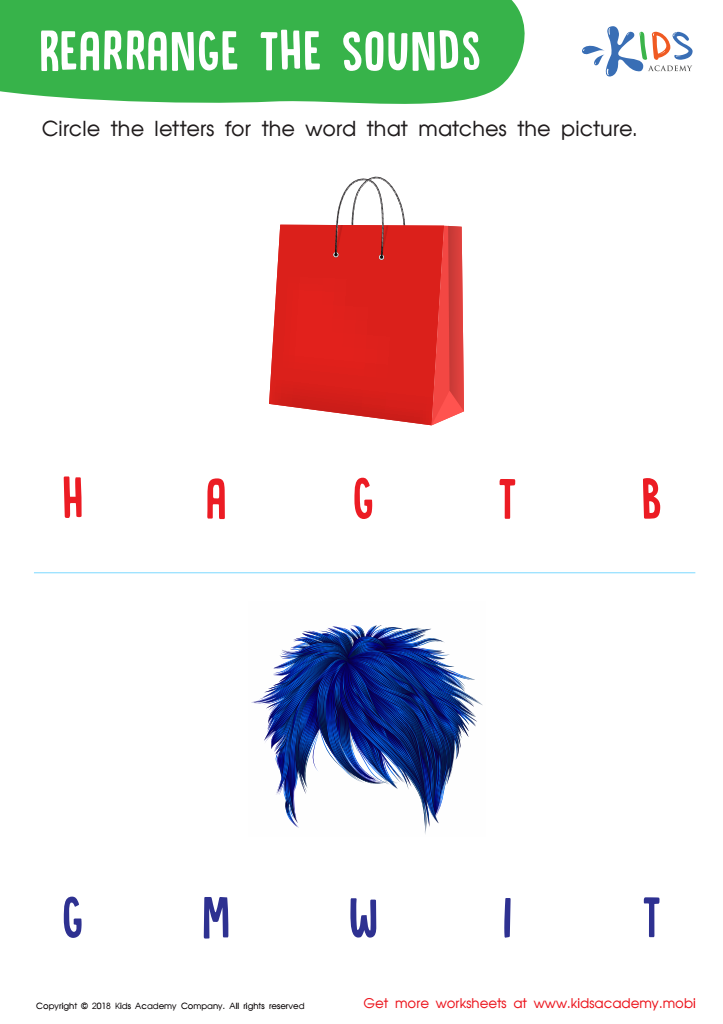
Rearrange the Sounds Worksheet
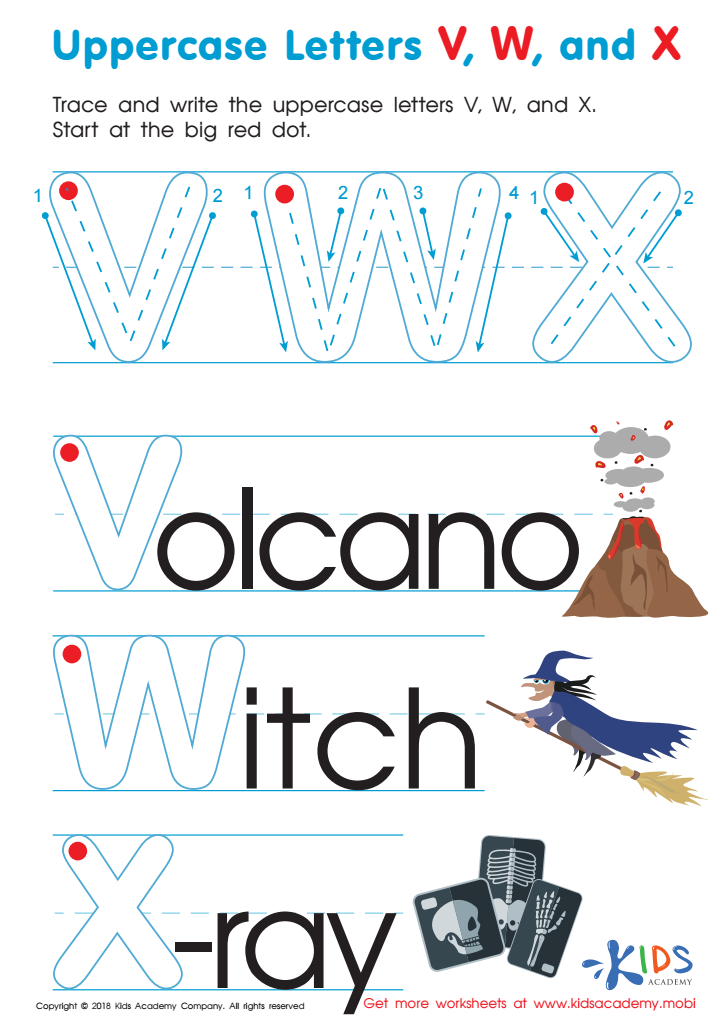
Uppercase Letters V, W, and X Worksheet








Normal Letter Recognition is a crucial aspect of early literacy development for children aged 5 to 7. At this stage, kids learn to identify and understand letters, which forms the foundation for reading and writing skills. Parents and teachers should care about this for several reasons.
First, strong letter recognition skills contribute to phonemic awareness, helping children to decode words as they begin to read. This allows them to transition smoothly into more complex reading materials. Without a solid grasp of letters, children may struggle with literacy throughout their educational journey.
Secondly, early letter recognition supports cognitive development. When children interact with letters through games, songs, and stories, they enhance their memory, critical thinking, and problem-solving skills. It fosters a love for reading, encouraging further exploration and curiosity.
Additionally, involvement in letter recognition not only builds academic skills but also strengthens the parent-child or teacher-student bond. Engaging in playful learning activities can create a positive attitude toward education, leading to lifelong learners. Given its far-reaching implications for literacy, cognitive growth, and social-emotional development, parents and teachers should prioritize Normal Letter Recognition in the early years to set children up for future success.








