Cognitive Development Normal Phonics Worksheets for Ages 5-7
6 filtered results
-
From - To
Explore our Cognitive Development Normal Phonics Worksheets designed for children aged 5-7! These engaging worksheets support phonics learning while enhancing cognitive skills through fun and interactive activities. Your child will enjoy mastering letter sounds, blending, and reading comprehension in a captivating way. Each worksheet provides opportunities to develop critical thinking, problem-solving, and memory recall. Perfect for homeschooling or classroom use, our resources are tailored to foster curiosity and loved by young learners. Help your child gain confidence in their reading abilities with our comprehensive phonics worksheets today! Visit our website to access these valuable educational tools that promote early literacy development.
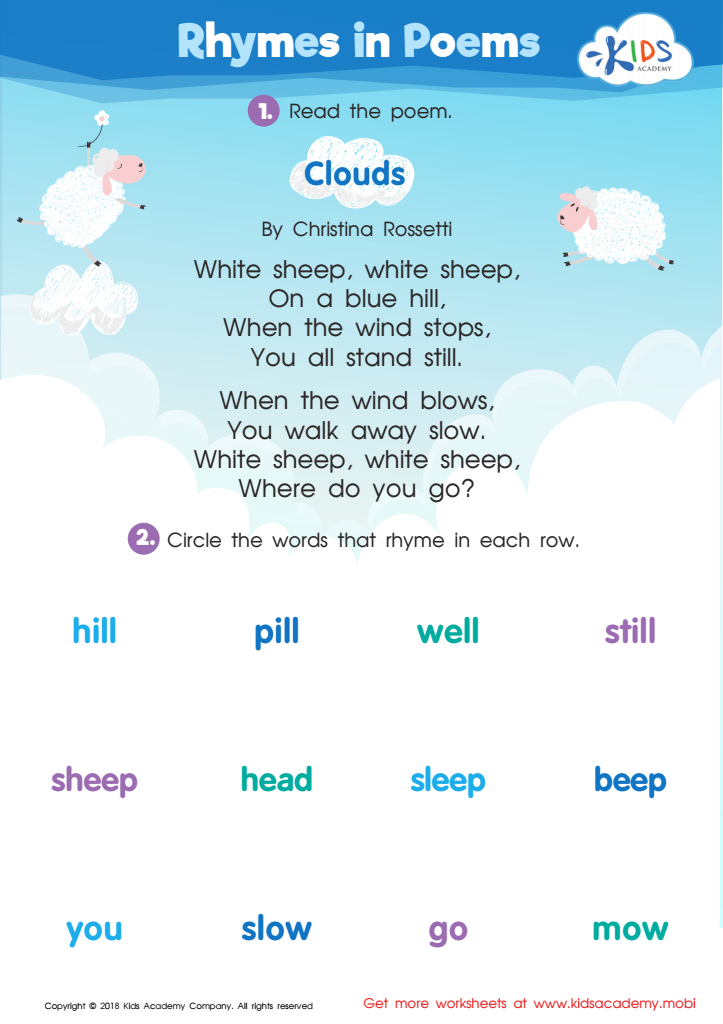
Rhymes in Poems Worksheet
 Assign to My Students
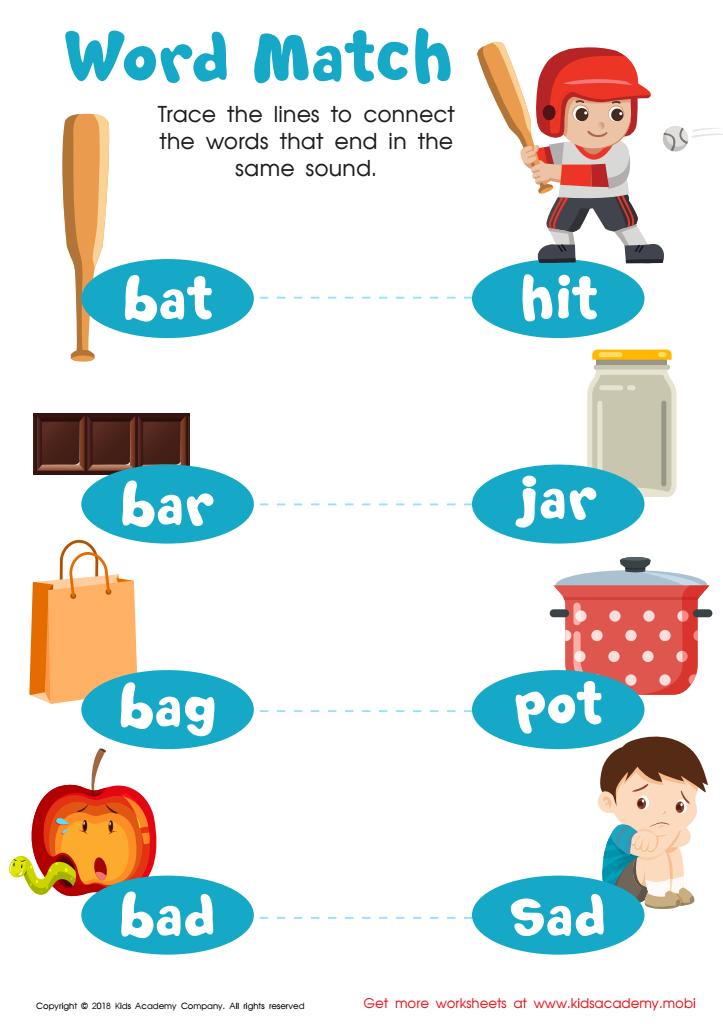
Word Match Reading Worksheet
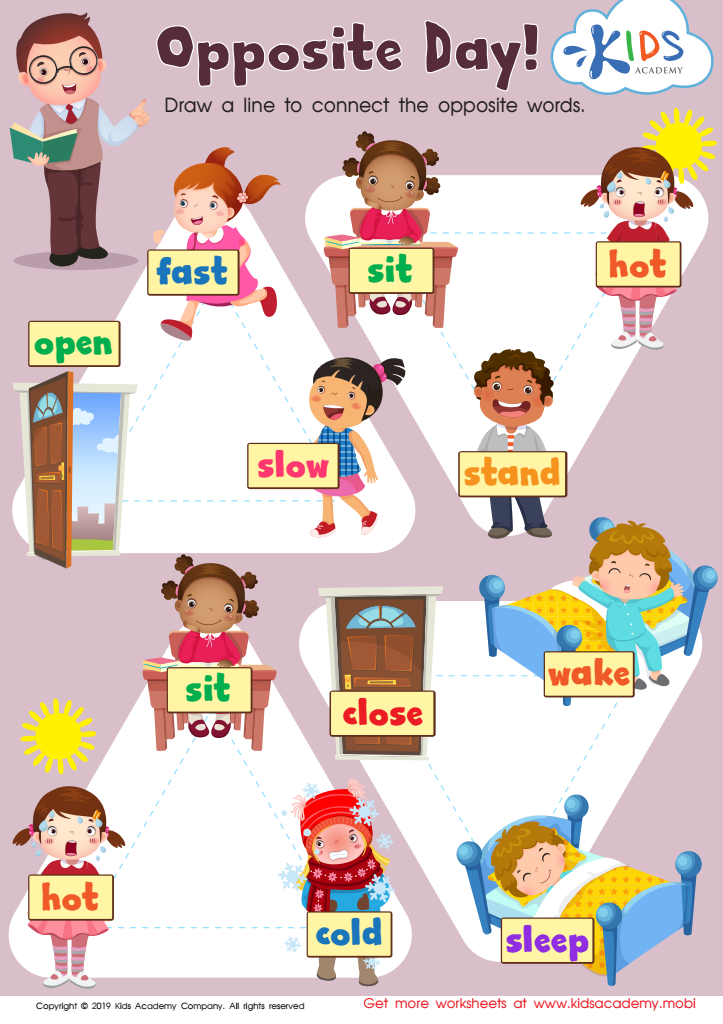
Opposite Day Worksheet
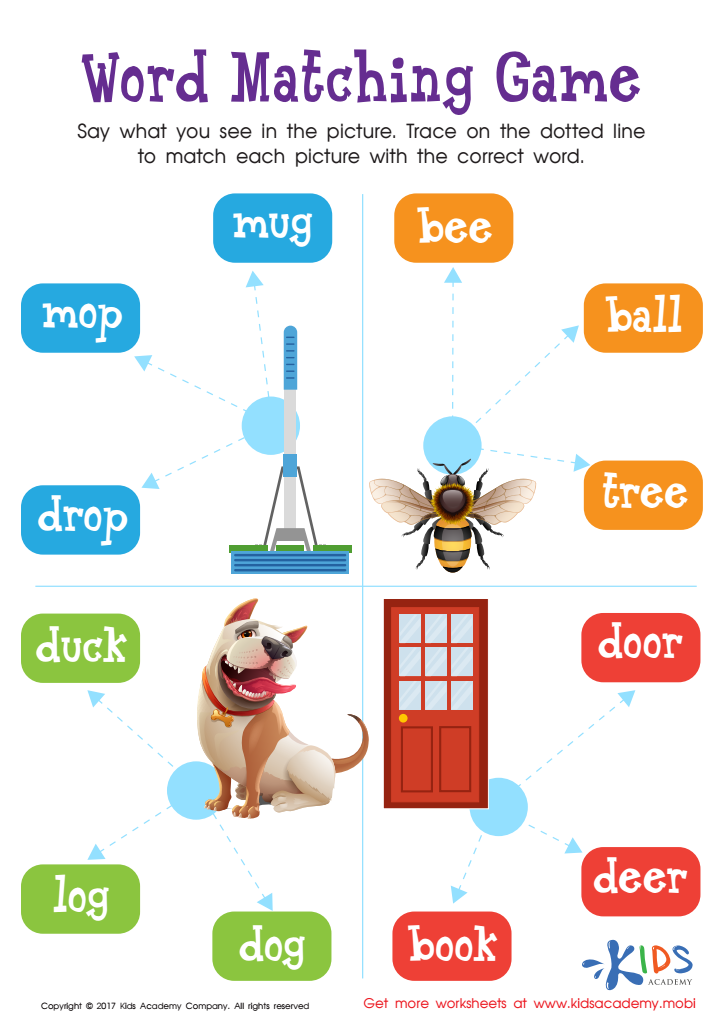
Word Matching Game Worksheet
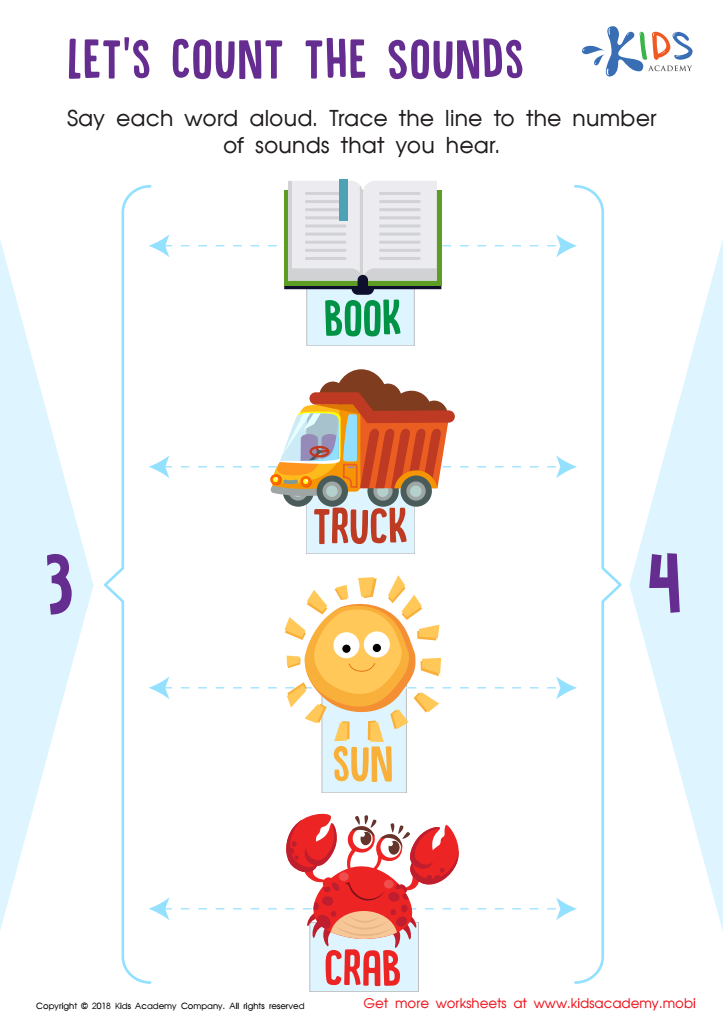
Let's Count the Sounds Worksheet
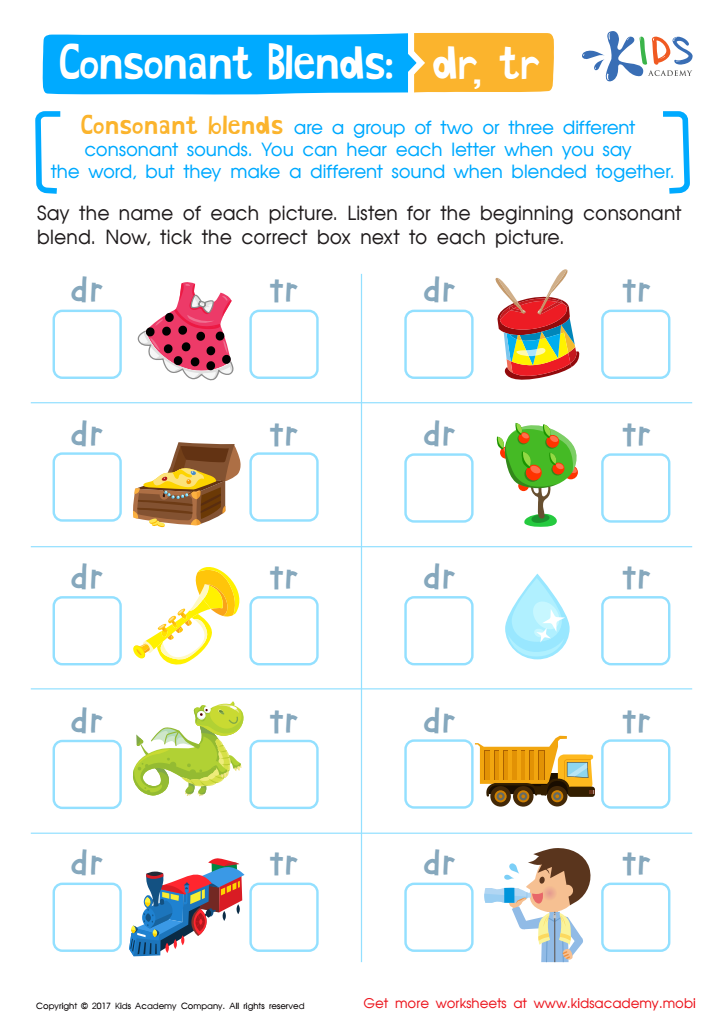
Consonant Blends: "Dr" and "Tr" Printable








Cognitive development is a crucial aspect of early literacy and language skills, especially for children aged 5-7. During this pivotal stage, children are developing the foundational abilities to read and write, making the right phonics instruction essential. Cognitive development normal phonics provides a structured approach that aids in recognizing and processing sounds, which is paramount for understanding how letters correspond to spoken language.
Parents and teachers should care about cognitive development normal phonics because it fosters critical thinking, problem-solving skills, and language acquisition. Effective phonics instruction helps children decode unfamiliar words, boosts their reading fluency, and enhances their confidence in language use. By mastering phonics, children are better equipped to comprehend more complex texts as they progress, ensuring a solid grounding for future academic success.
Moreover, understanding how children learn helps educators and parents tailor their strategies to individual needs, promoting a positive learning experience. Recognizing linguistic patterns early on not only aids in reading but also enhances overall cognitive function, as it connects reading to broader learning concepts. Investing in cognitive development normal phonics is a significant step towards nurturing motivated, capable readers with a solid foundation for lifelong learning.







