Spelling practice Normal Phonics Worksheets for Ages 5-7 - Page 2
44 filtered results
-
From - To
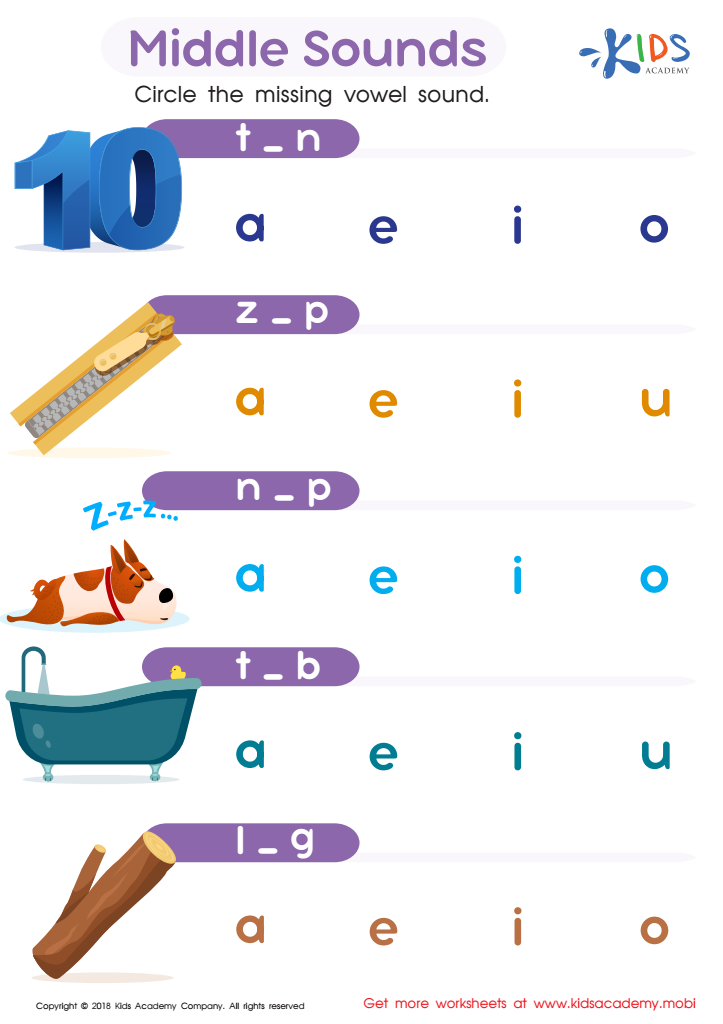
Middle Sounds Worksheet
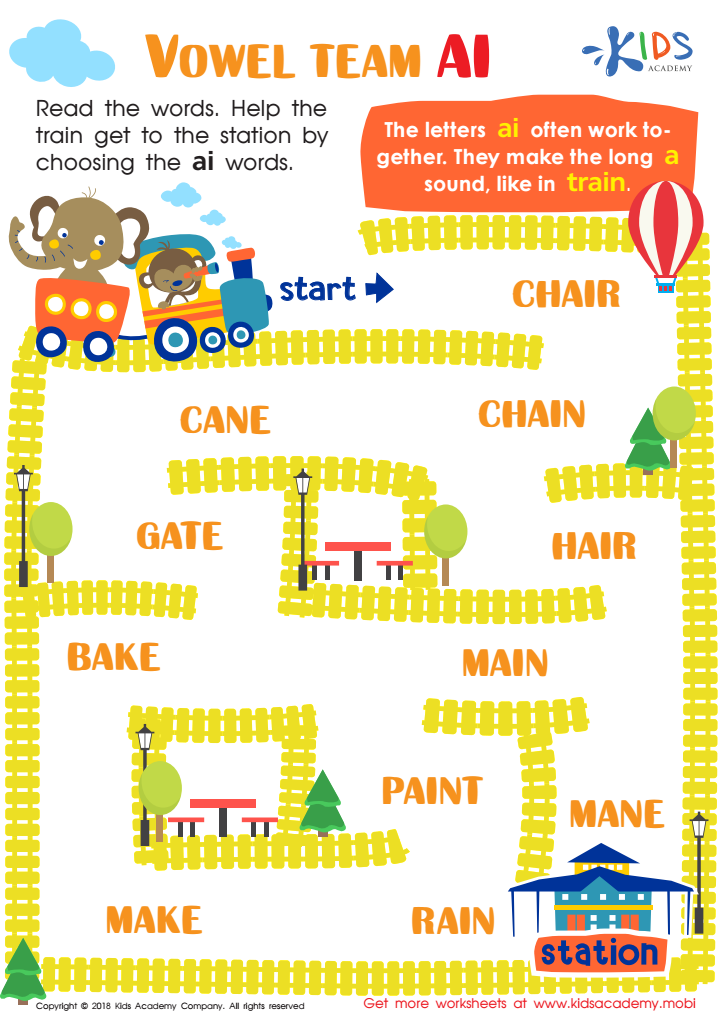
Vowel team ai Worksheet
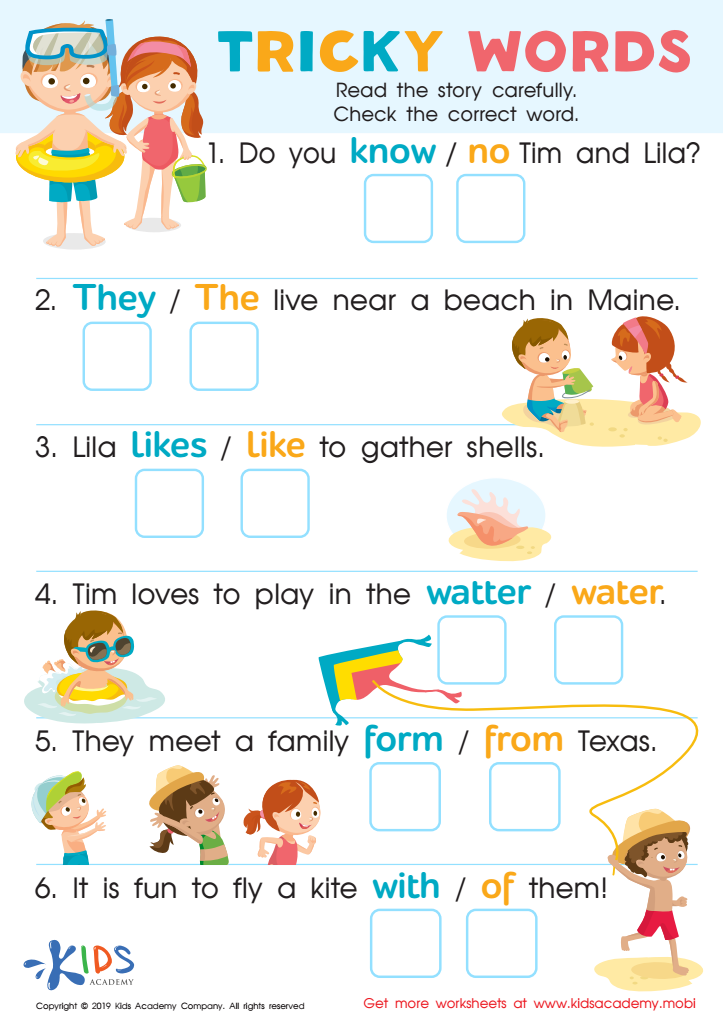
Tricky Words Worksheet
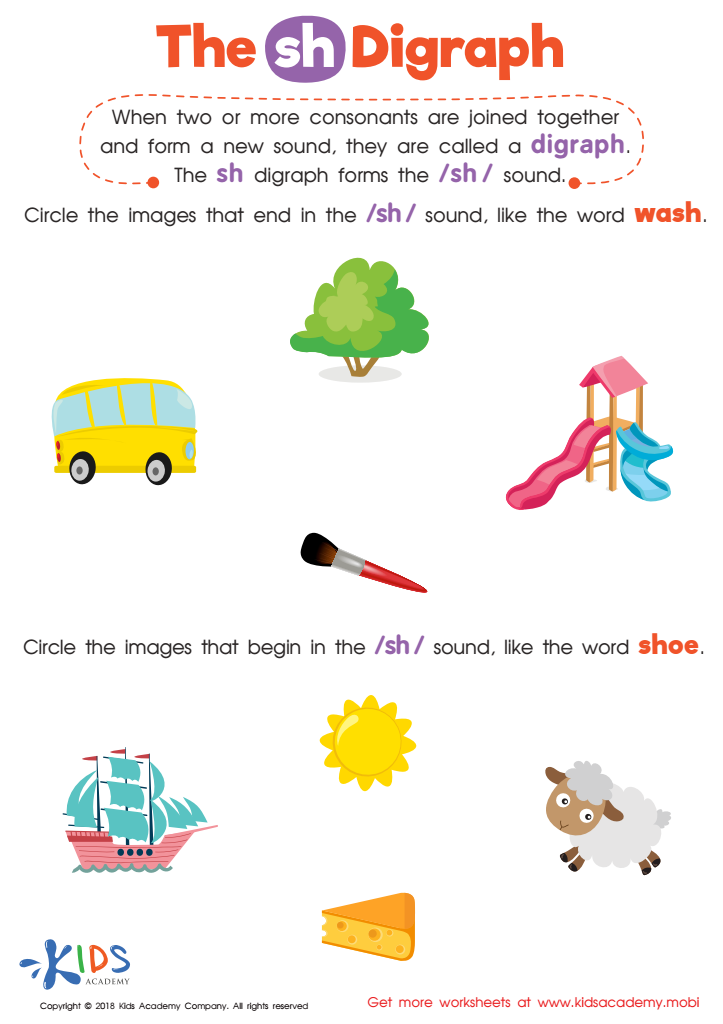
The SH Digraph Worksheet
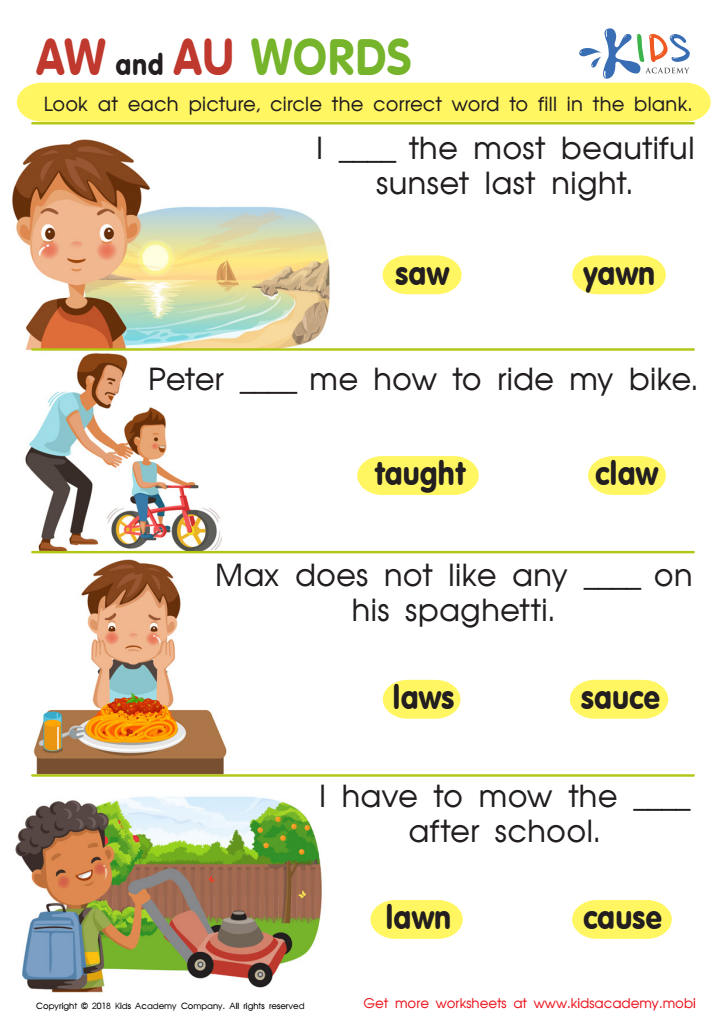
Reading: AW and AU Words Worksheet
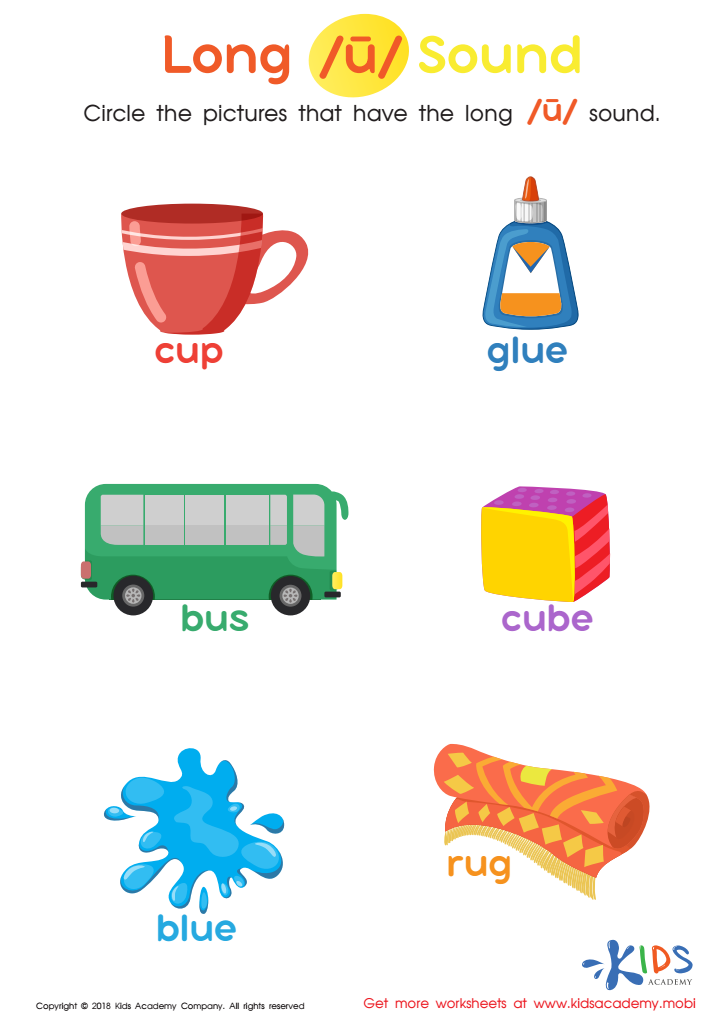
Long «u» Sound Worksheet
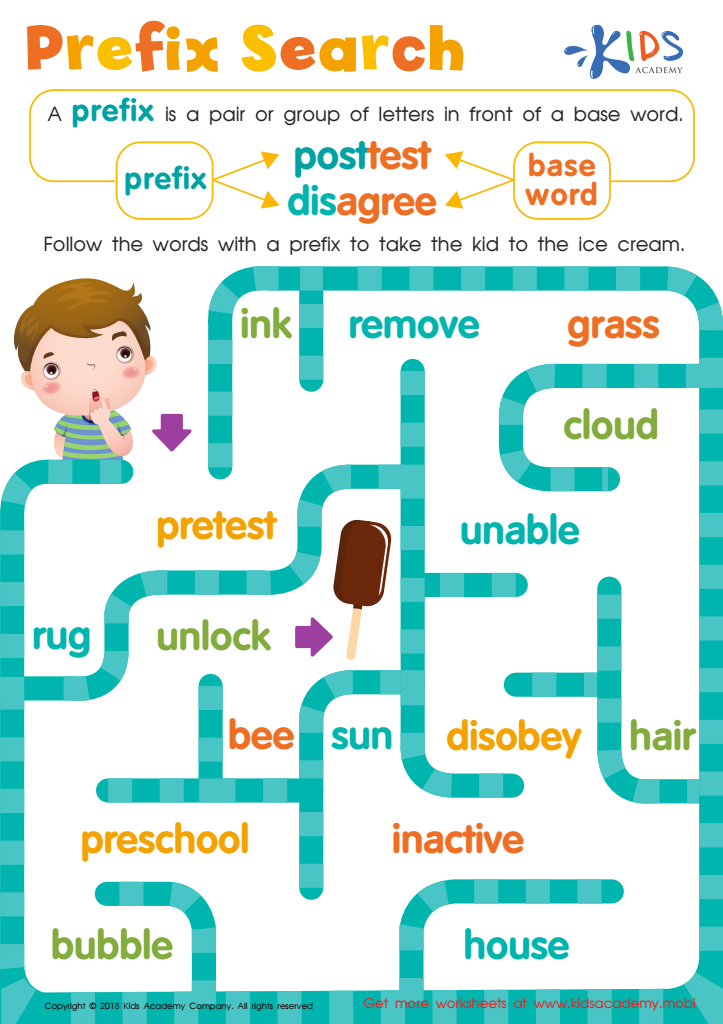
Reading: Prefix Search Worksheet
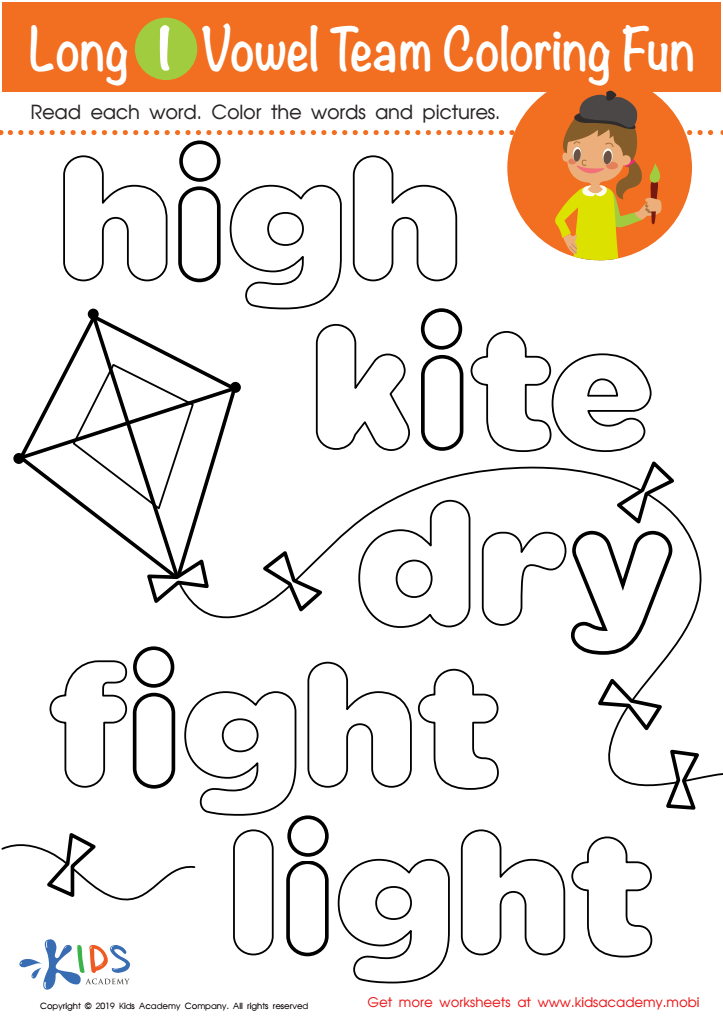
Long I Vowel Team Coloring Worksheet
 Assign to My Students
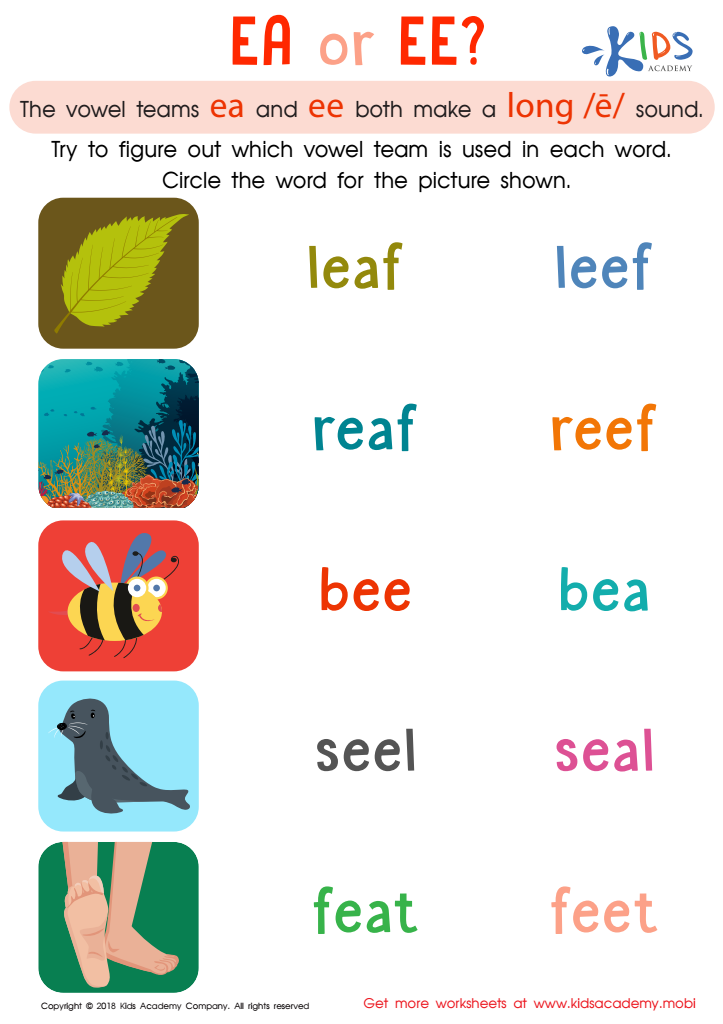
Reading: EA and EE Worksheet
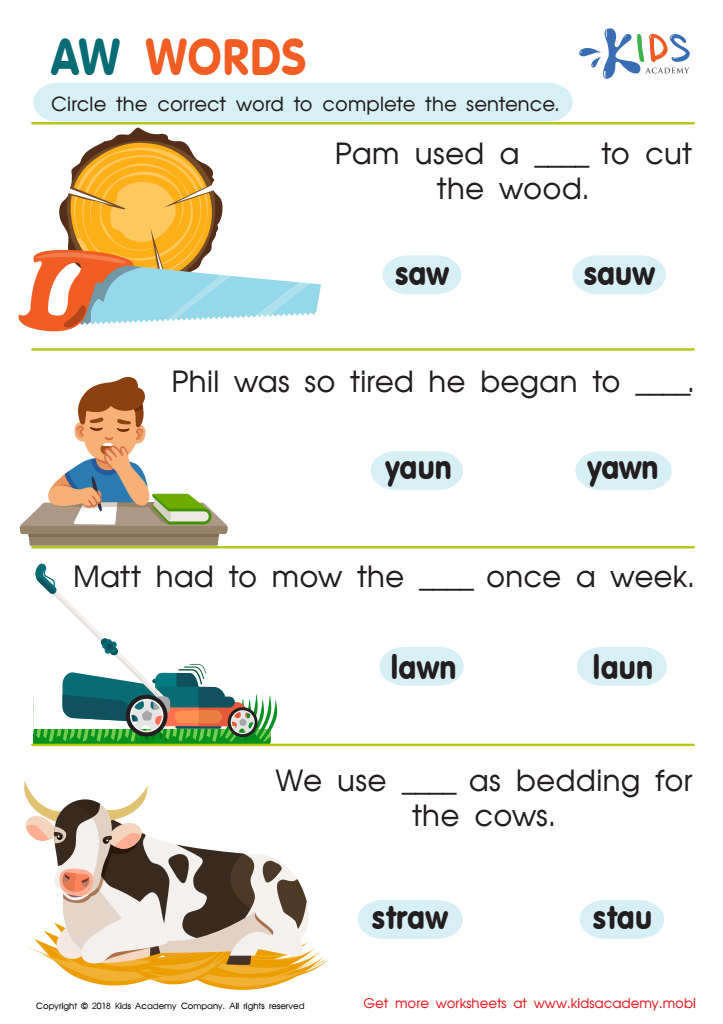
Reading: AW Words Worksheet
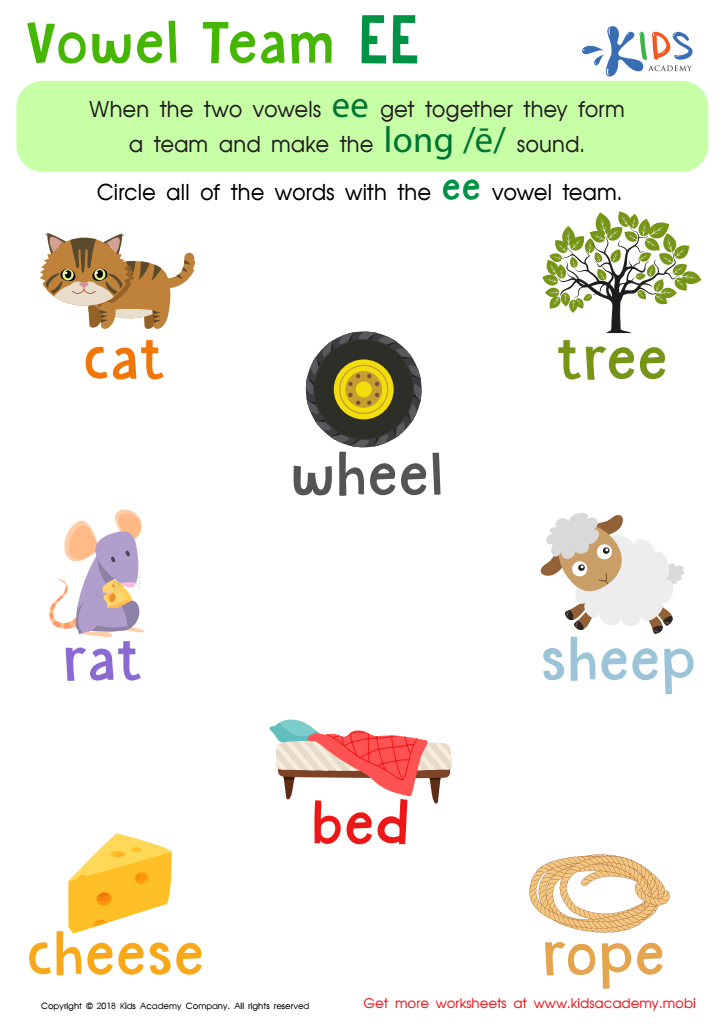
Reading: Vowel Team EE Worksheet
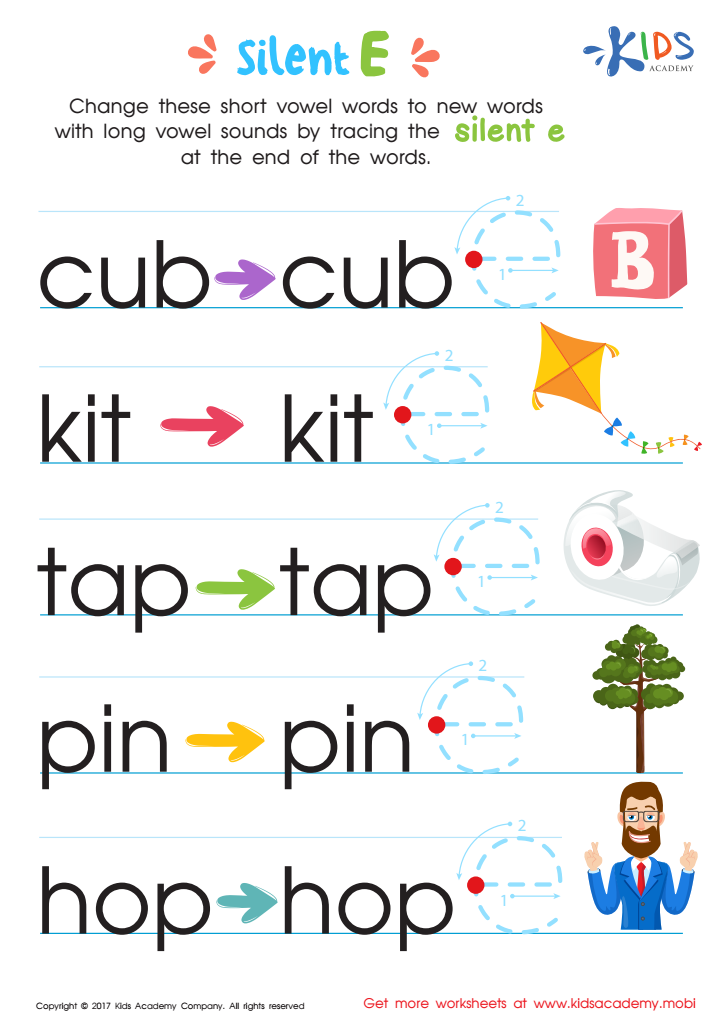
Silent E Words Worksheet
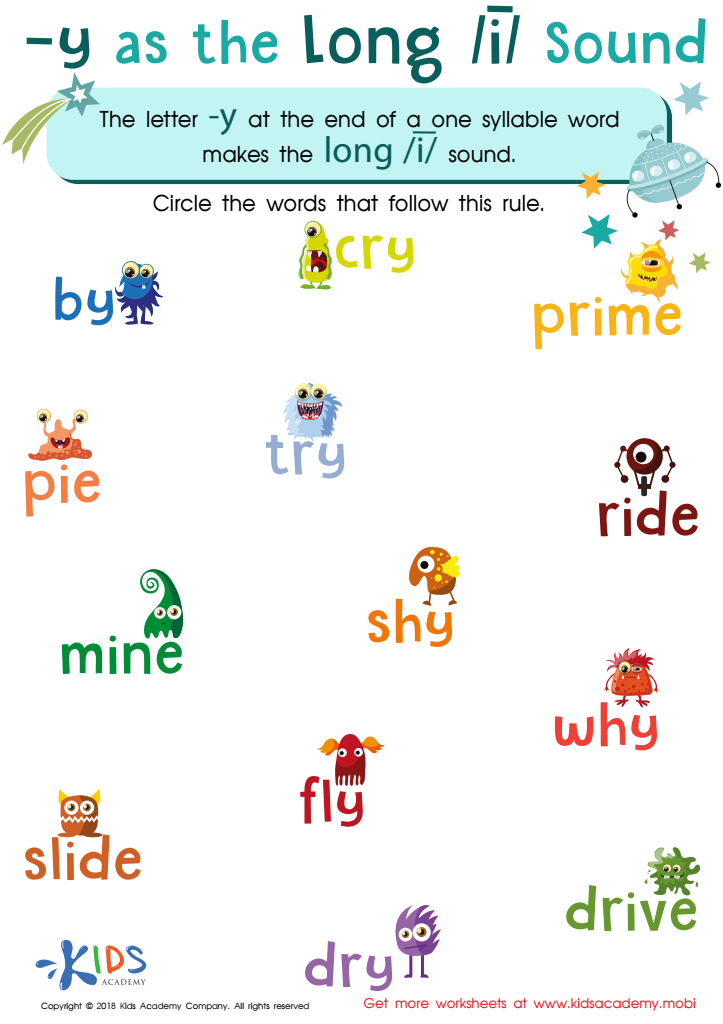
Reading: Y as Long I Worksheet
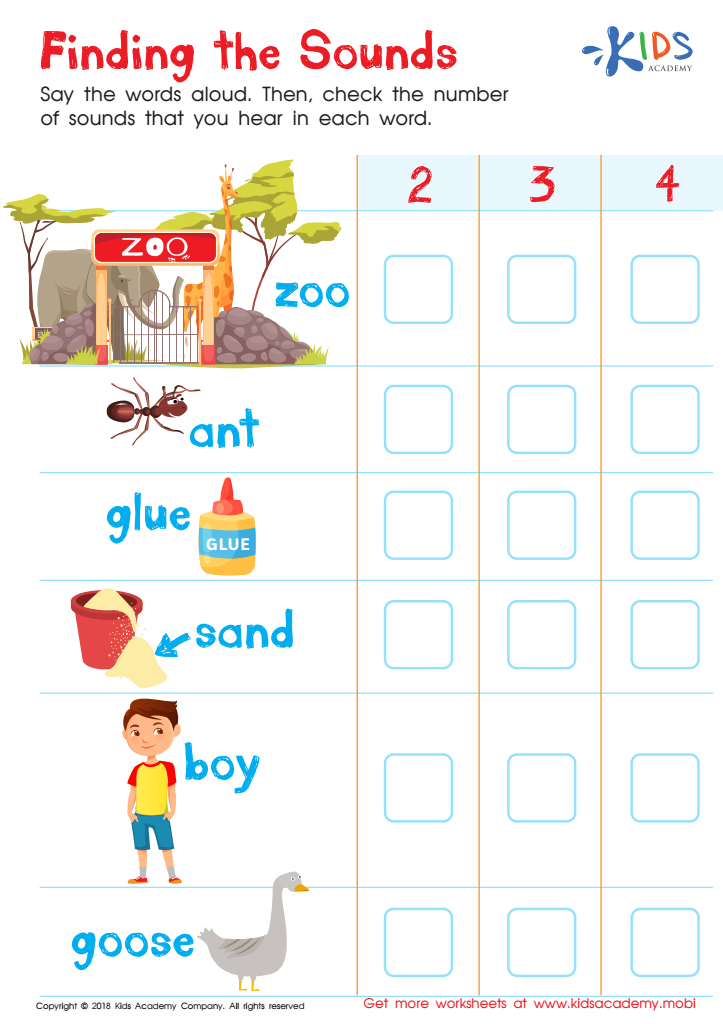
Finding the Sounds Worksheet
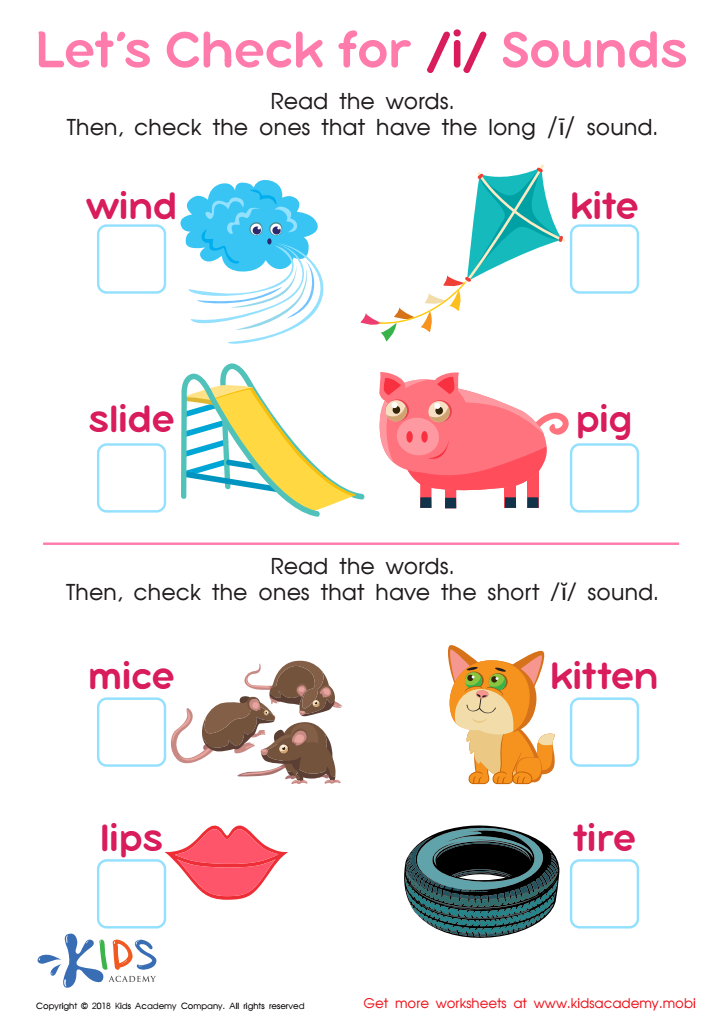
Let's Check for «i» Sounds Worksheet
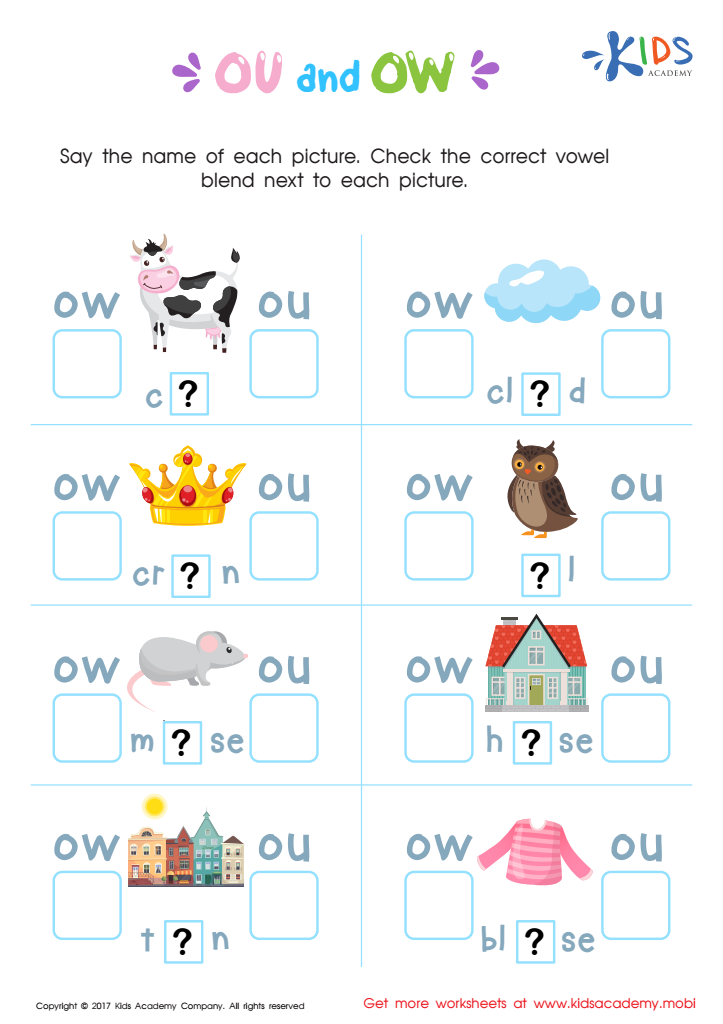
OU and OW Words Worksheet
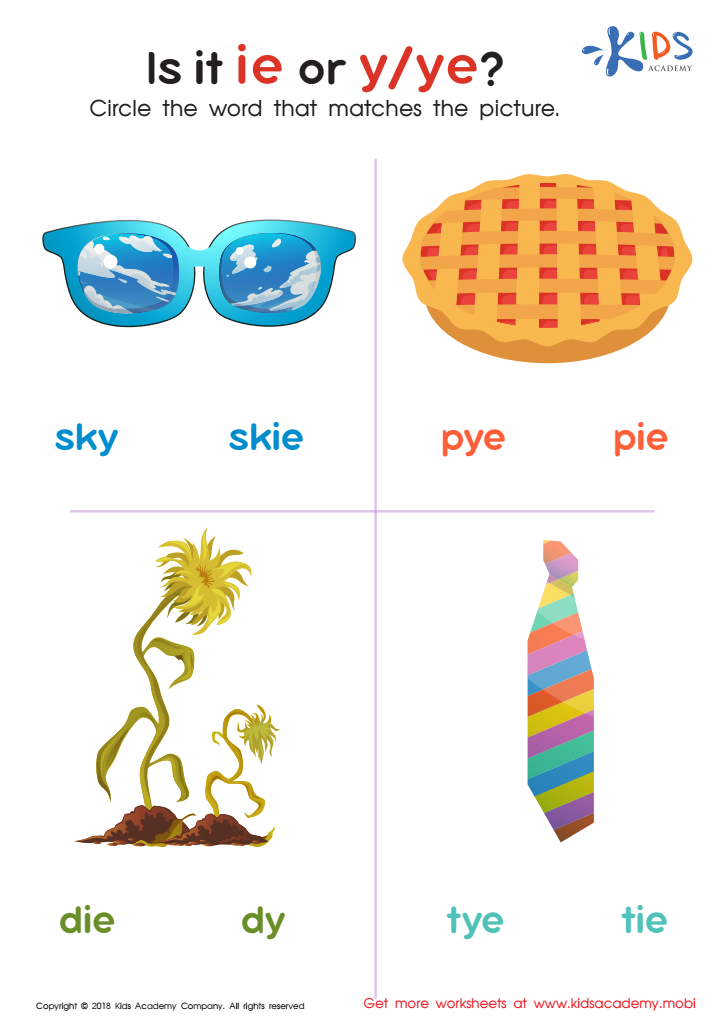
Is It IE or Y/Ye? Worksheet
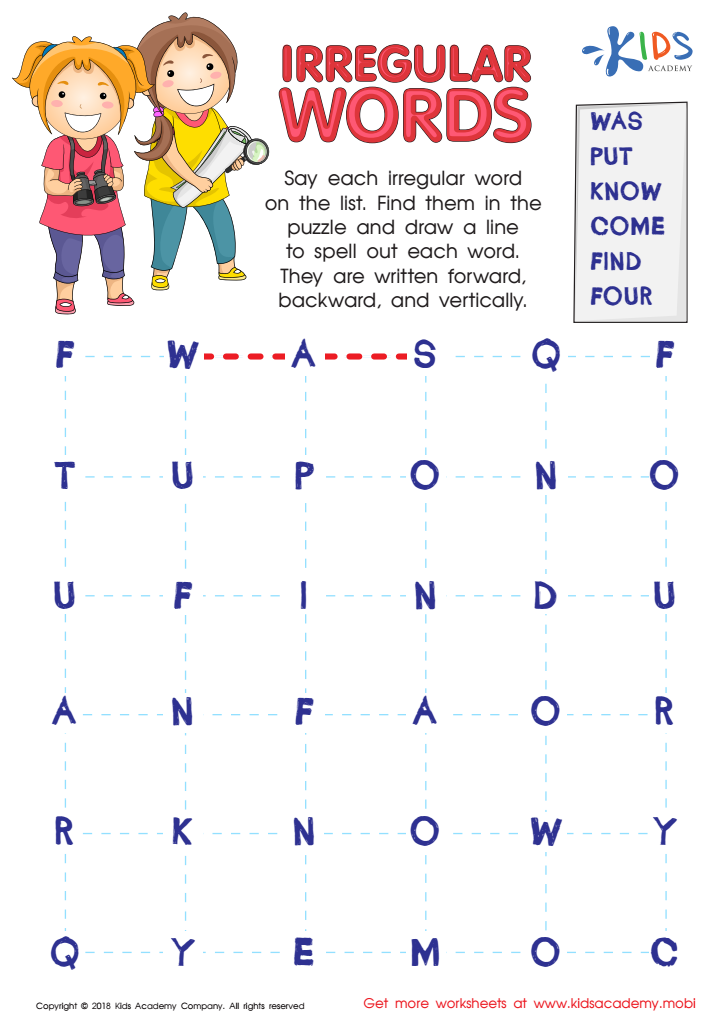
Irregular Words Worksheet
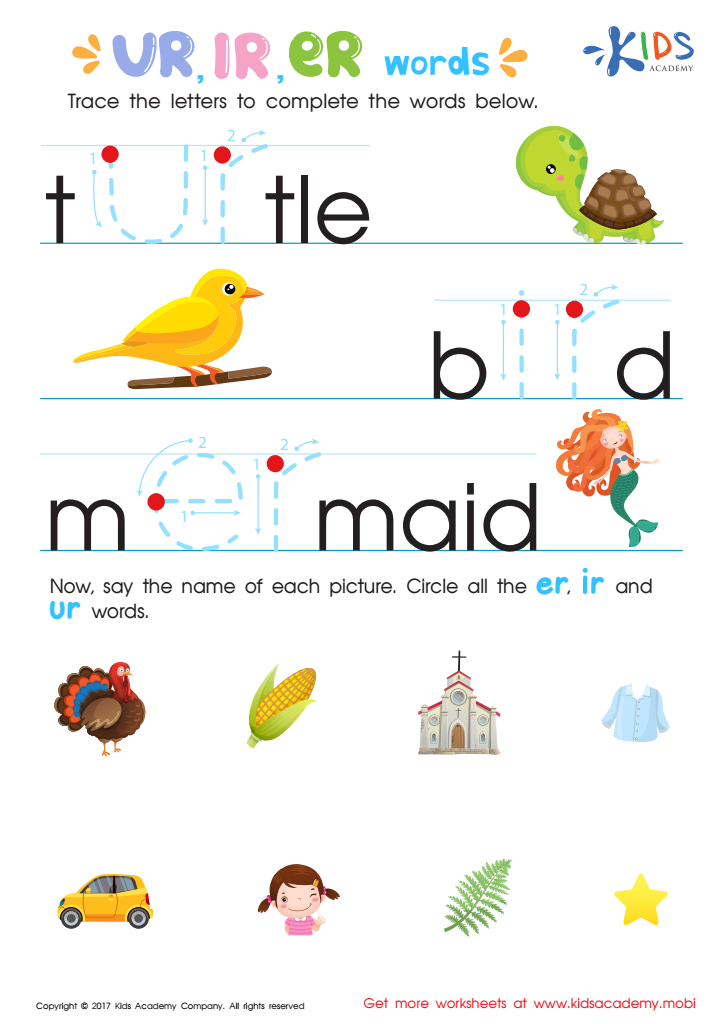
IR UR ER Words Worksheet
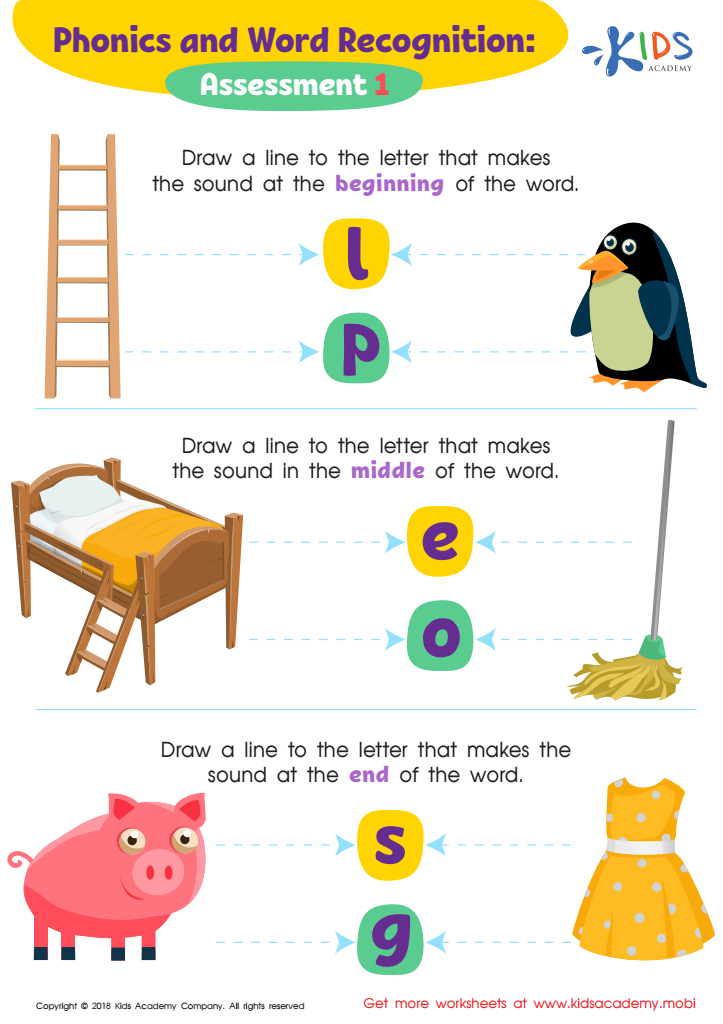
Phonics and Word Recognition: Assessment 1 ELA Worksheet








Spelling practice and learning normal phonics are foundational elements in early childhood education for ages 5-7. For parents and teachers, ensuring children grasp these essentials sets the stage for their academic and cognitive development.
Firstly, phonics—the relationship between letters and sounds—enables children to decode words, laying the groundwork for reading proficiency. When children understand that letters represent sounds which combine to form words, they not only spell better but read with increased fluency and confidence.
Secondly, spelling practice enhances vocabulary and reinforces the connection between spoken and written language. These exercises boost children's ability to remember and recognize new words, helping them to communicate more effectively. Spelling correctly also cultivates a sense of achievement and encouragement, motivating children to engage more deeply with reading and writing tasks.
Moreover, a strong foundation in spelling and phonics contributes to overall academic success. It forms the building blocks for subjects beyond language arts, such as science and social studies, where reading comprehension and vocabulary are crucial.
Lastly, these practices develop cognitive skills including memory, attention to detail, and problem-solving. They also foster patience and perseverance as children learn to understand and correct mistakes.
Investing in spelling practice and phonics at an early age lays a robust educational foundation, fostering lifelong learning and competency.







