Fine Motor Skills Normal Tracing Letters Worksheets for Ages 5-7
20 filtered results
-
From - To
Introduce your young learners to the world of writing with our Fine Motor Skills Normal Tracing Letters Worksheets, designed for ages 5-7. These printable sheets provide the perfect practice to help kids enhance their fine motor skills, essential for writing development. Each worksheet features engaging activities focused on tracing letters, ensuring children steadily build precision and confidence. Ideal for both classroom and at-home learning, these resources support kids in mastering the alphabet while strengthening hand-eye coordination. Start your child's writing journey today with our fun and educational tracing worksheets!
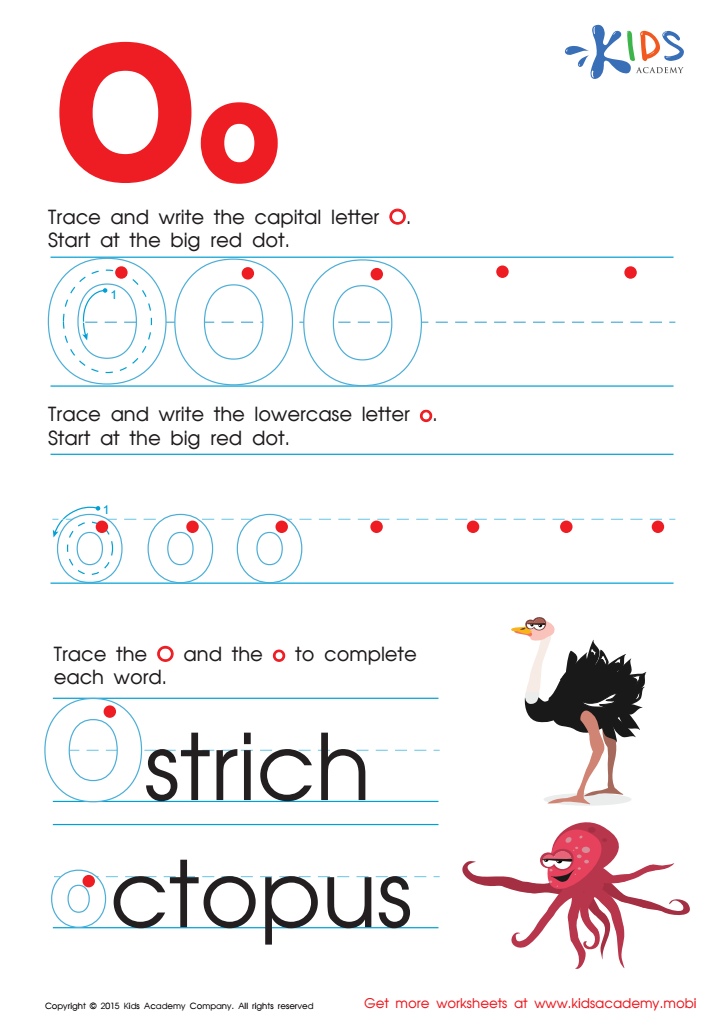
Letter O Tracing Page
 Assign to My Students

Letter P Tracing Page
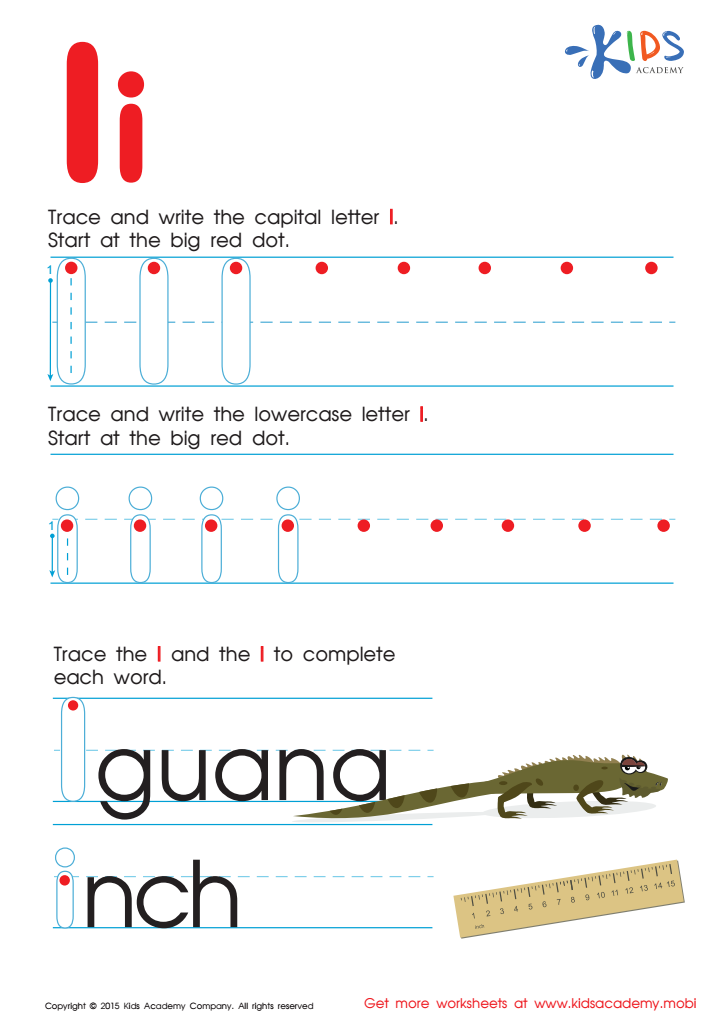
Letter I Tracing Page
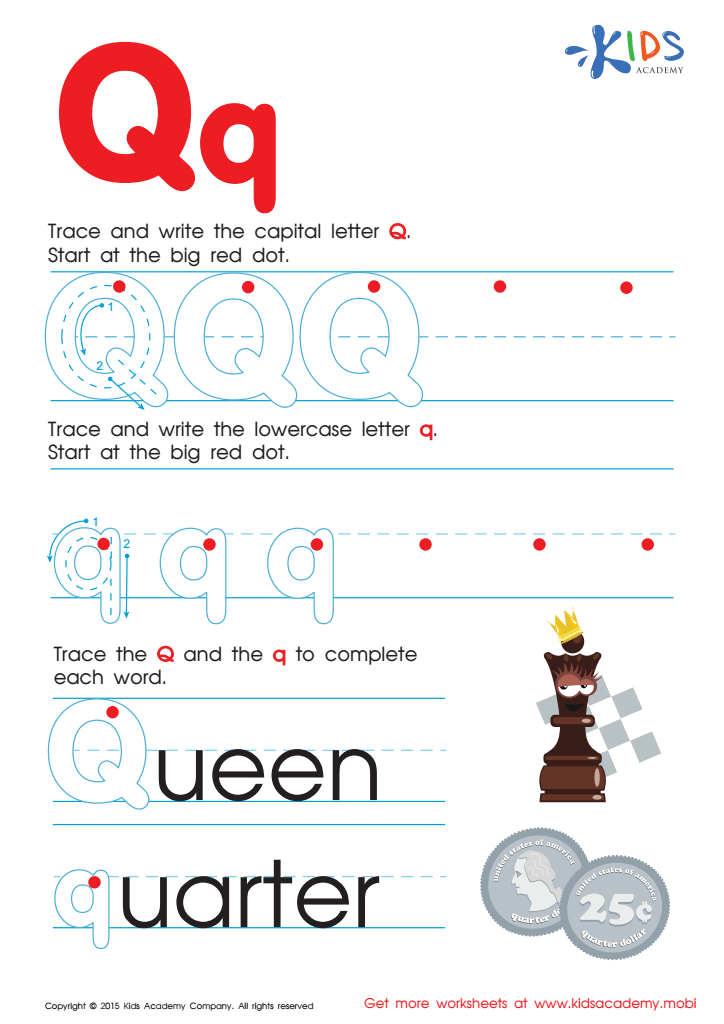
Letter Q Tracing Page
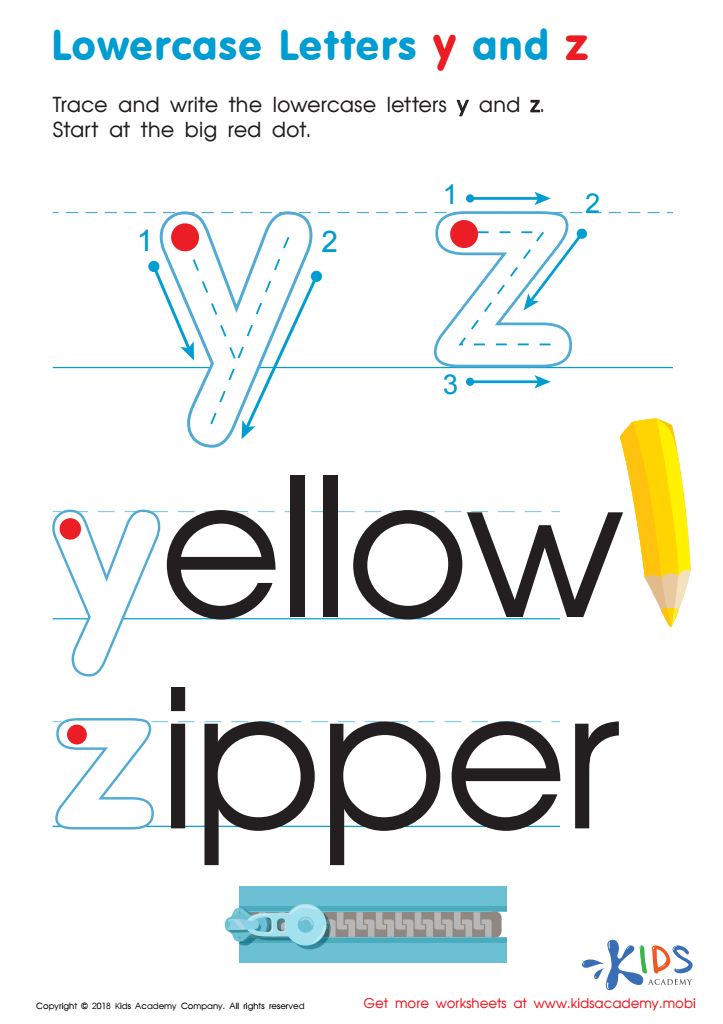
Lowercase Letters y z Worksheet
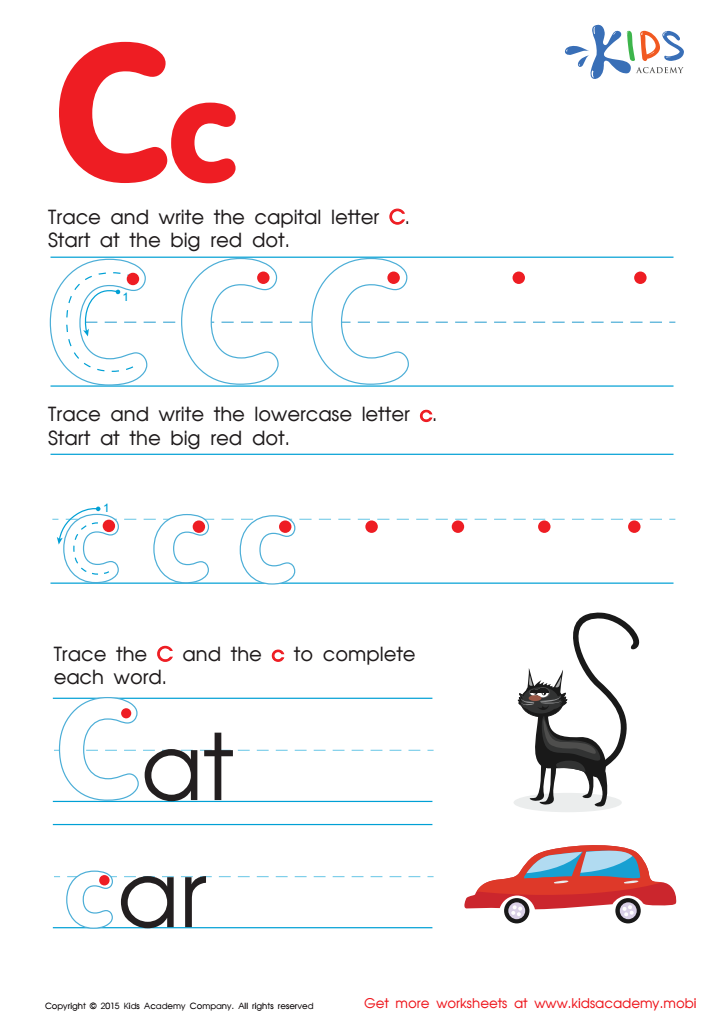
Letter C Tracing Page
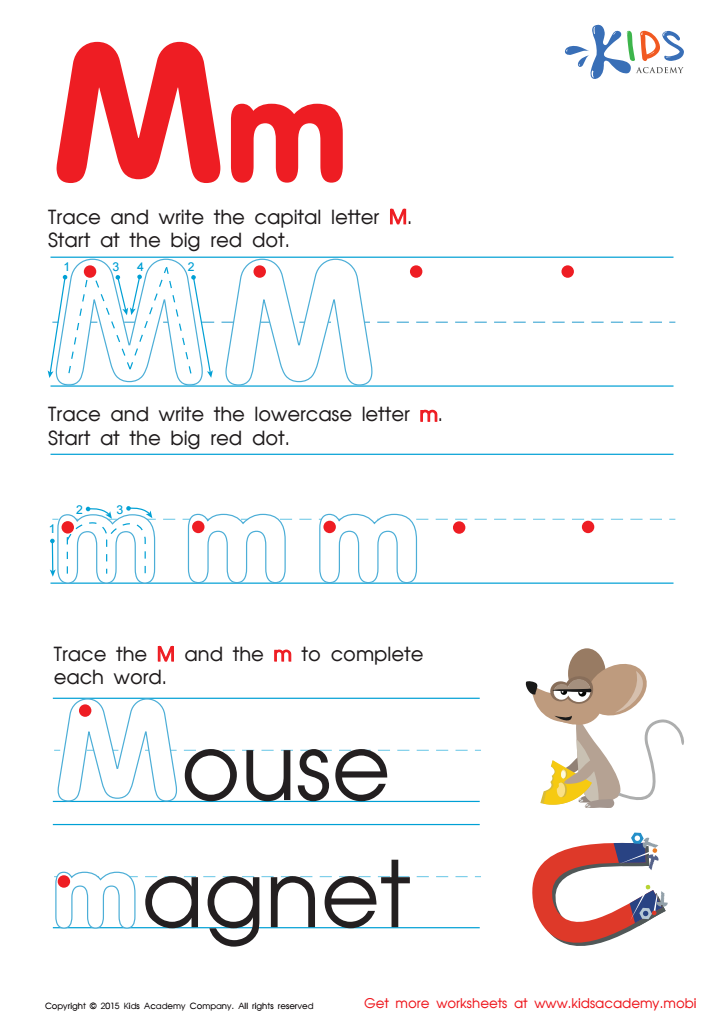
Letter M Tracing Page
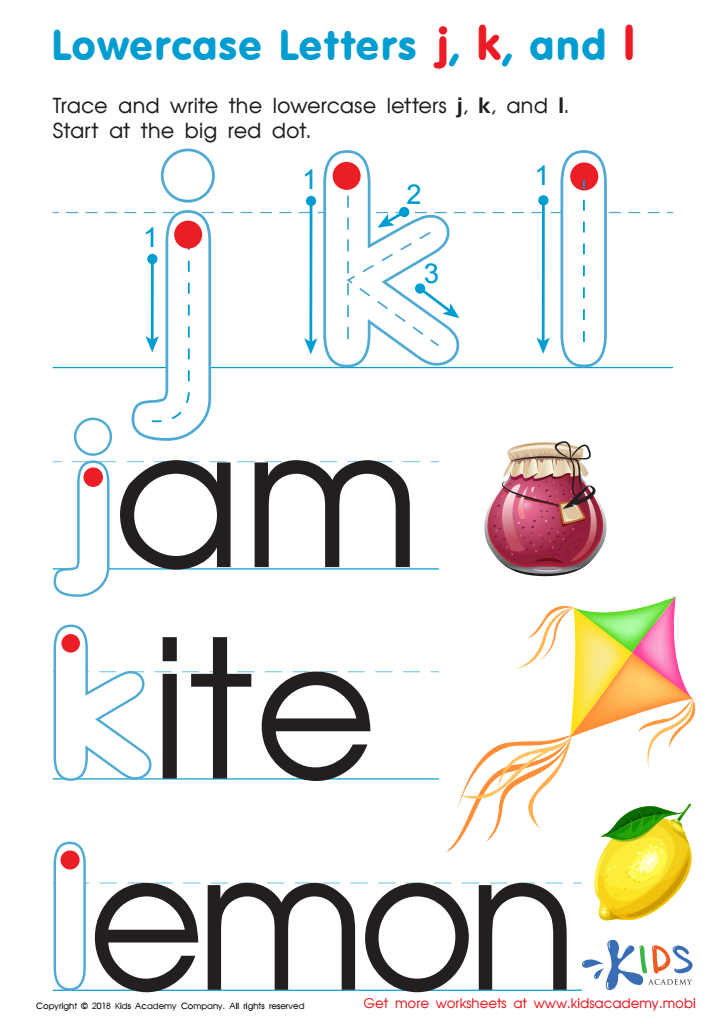
Lowercase Letters j k l Worksheet
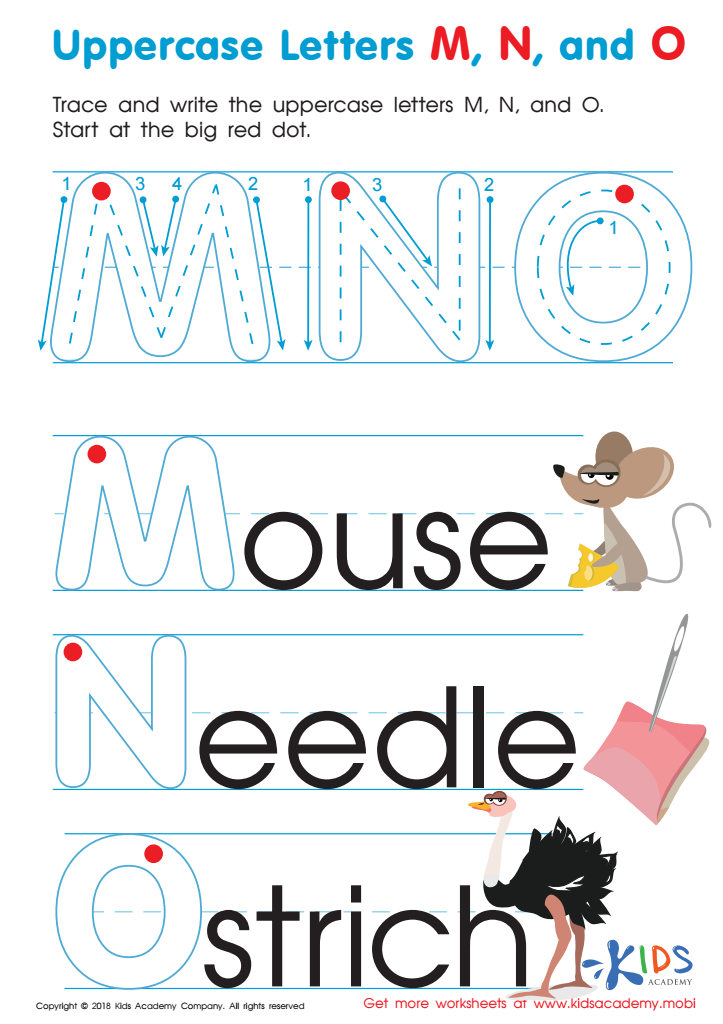
Uppercase Letters M, N, and O Worksheet

Letter G Tracing Page
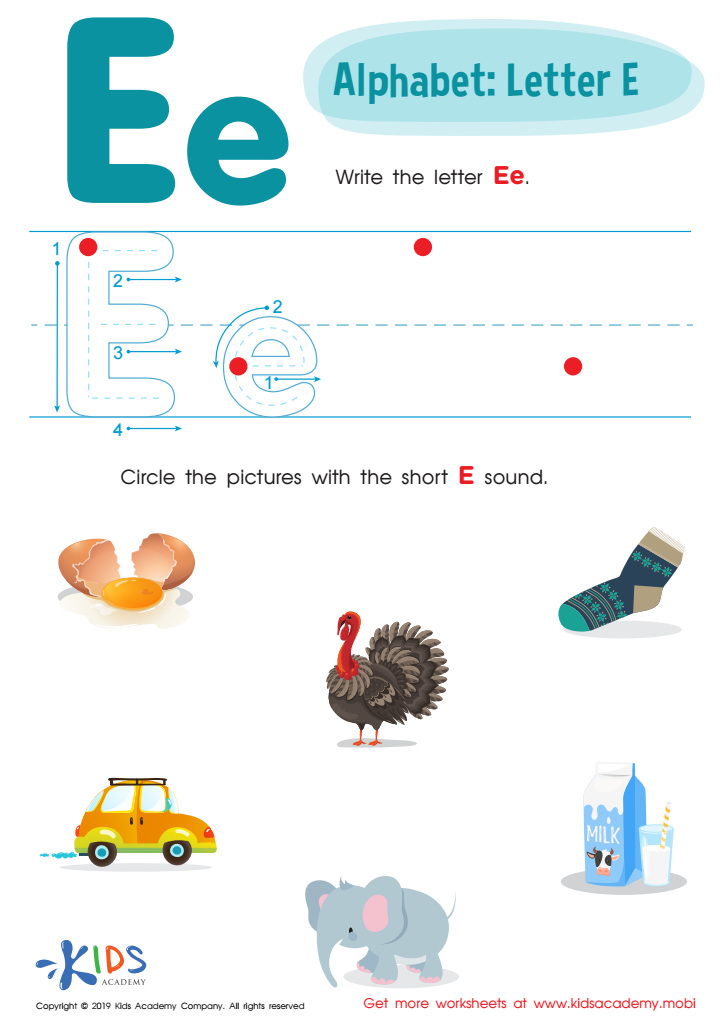
Letter E Tracing Worksheet

Let's Review! Big Letters Worksheet
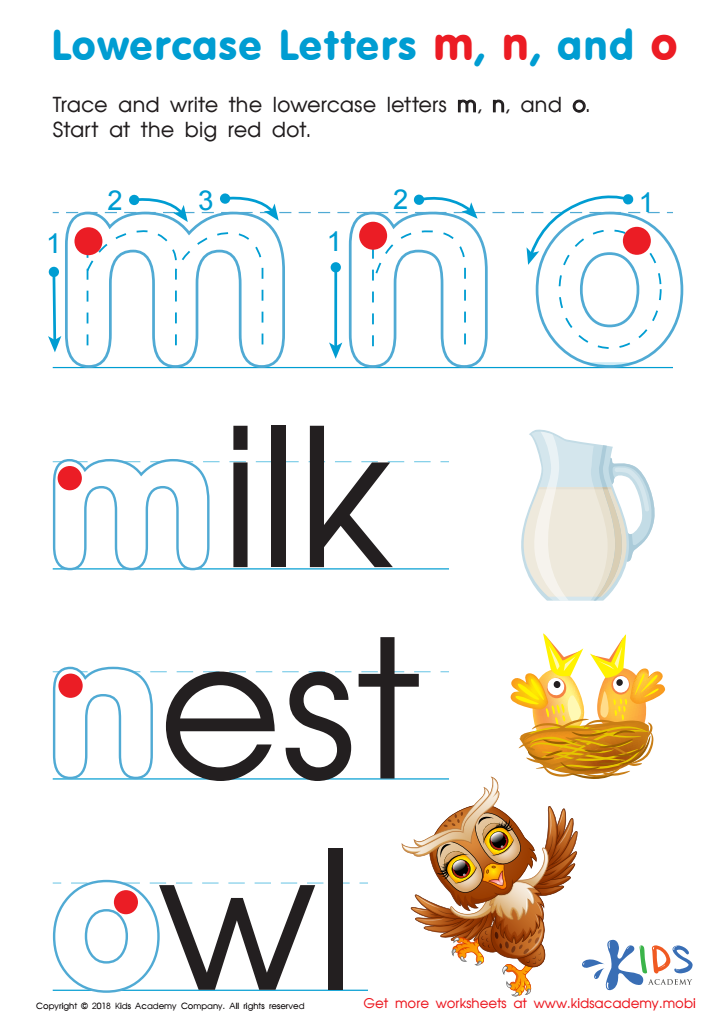
Lowercase Letters m n o Worksheet
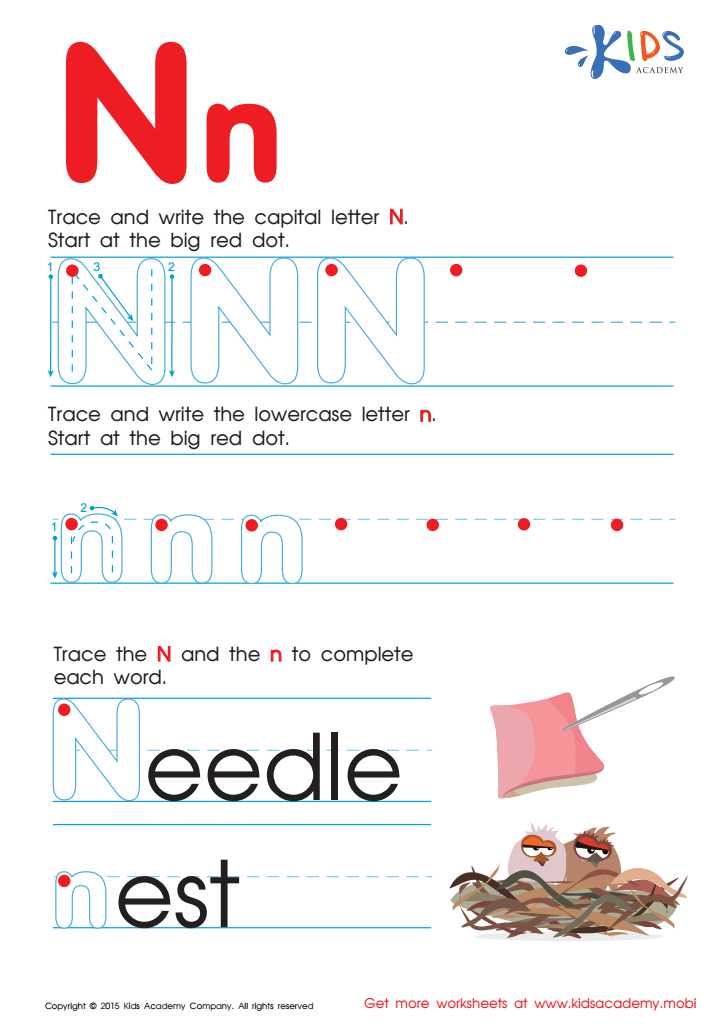
Letter N Tracing Page
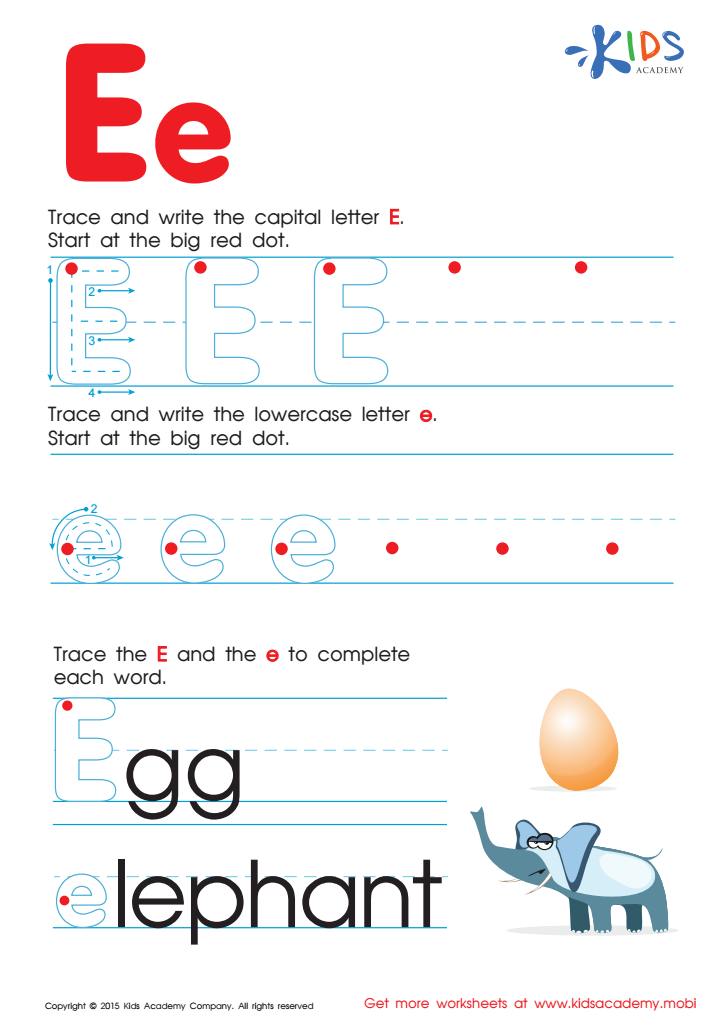
Letter E Tracing Page
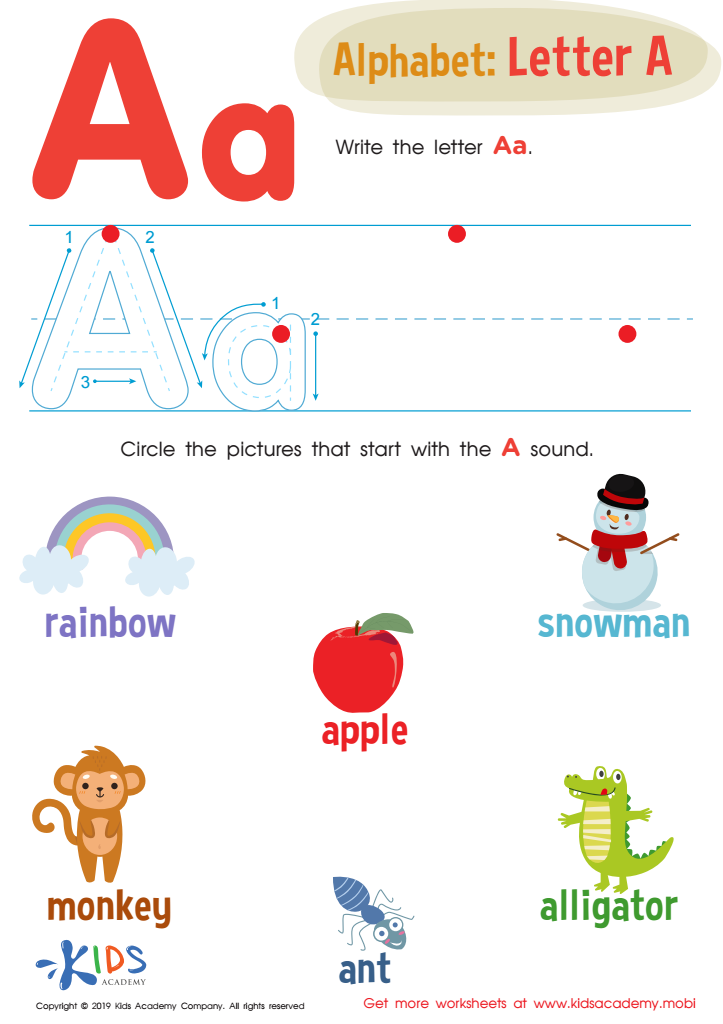
Letter A Tracing Worksheet
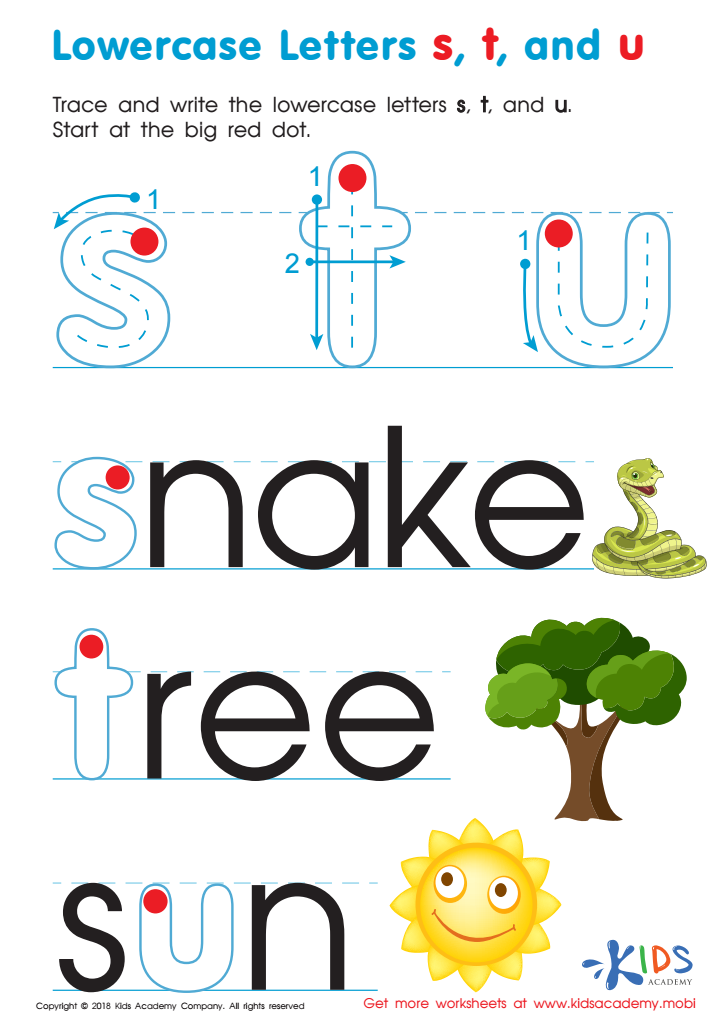
Lowercase Letters s t u Worksheet
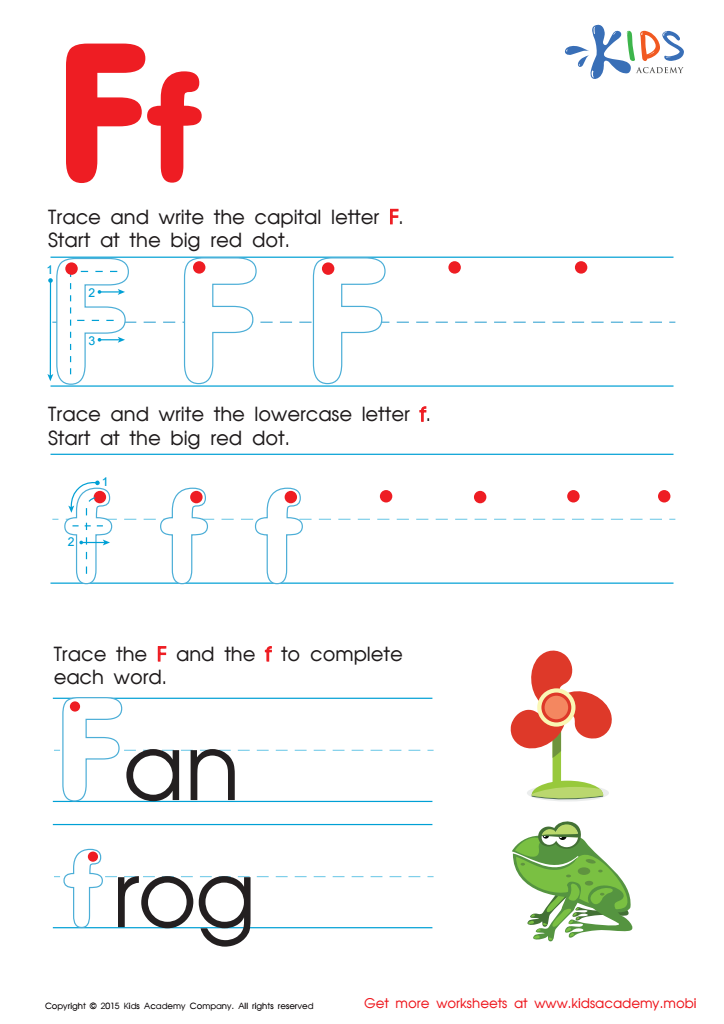
Letter F Tracing Page

Uppercase Letters Y Z Worksheet

Letter D Tracing Page








Developing fine motor skills through tracing letters is essential for children aged 5-7 as these skills form a critical foundation for many aspects of their learning and everyday activities. Fine motor skills involve the coordination of small muscles in the hands and fingers, which children use for writing, handling objects, and performing self-care tasks like buttoning clothes or tying shoes.
By focusing on normal tracing of letters, children not only strengthen these muscles but also develop hand-eye coordination and spatial awareness. This early practice leads to smoother, more legible handwriting, which is fundamental for effective communication and academic success. As children trace letters, they also learn to recognize and remember letter shapes, fostering early reading skills and boosting their confidence in themselves as learners.
Furthermore, fine motor activities like tracing also contribute to cognitive development. They encourage focus, persistence, and fine attention to detail. These skills are highly valuable in both academic settings and everyday problem-solving situations.
For parents and teachers, prioritizing these activities ensures children build the muscle strength, coordination, and cognitive skills needed for their overall development. Additionally, such foundational skills help minimize the frustration children might feel if they face difficulties with tasks that require fine motor precision, creating a more positive and self-assured learning environment.








