Letter recognition Normal Upper & Lowercase Letters Worksheets for Ages 5-7
22 filtered results
-
From - To
Boost your child's letter recognition skills with our comprehensive worksheets for ages 5-7, featuring both uppercase and lowercase letters! Designed to make learning fun and engaging, these activities support young learners in mastering the alphabet through interactive exercises. Our worksheets encourage practice in identifying, tracing, and differentiating between letter cases, ensuring a solid foundation for reading and writing. Perfect for classroom use or at-home learning, these resources are tailored to foster confidence and proficiency in young students. Equip your child with essential literacy skills today with our thoughtfully crafted letter recognition worksheets! Start their learning journey to success now!
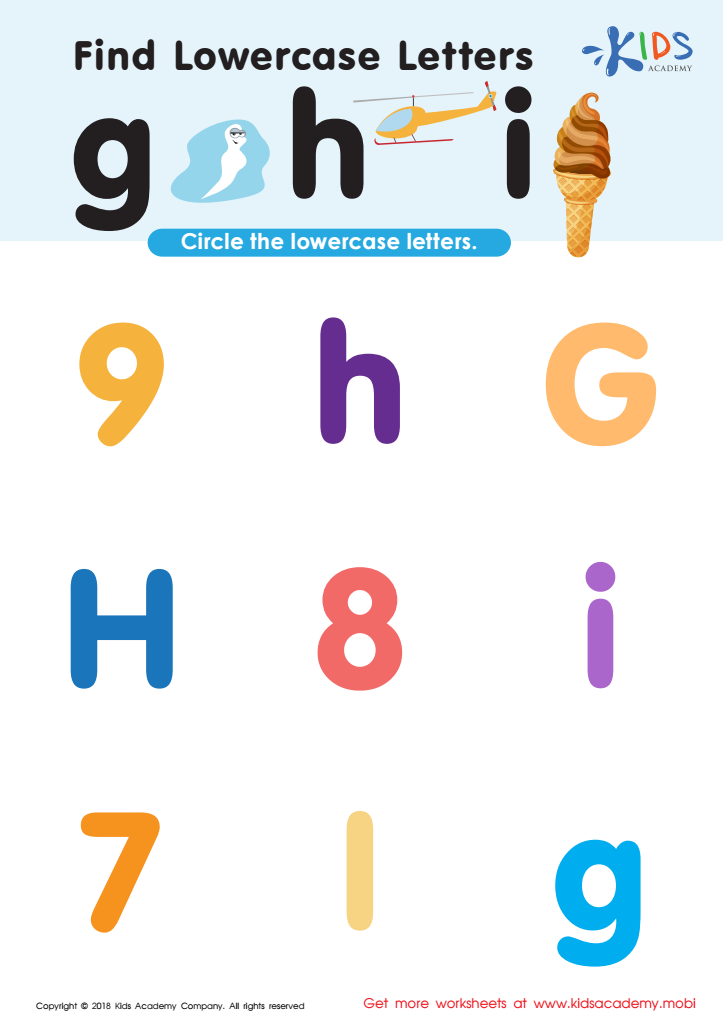
Find Lowercase Letters g h i Worksheet
 Assign to My Students
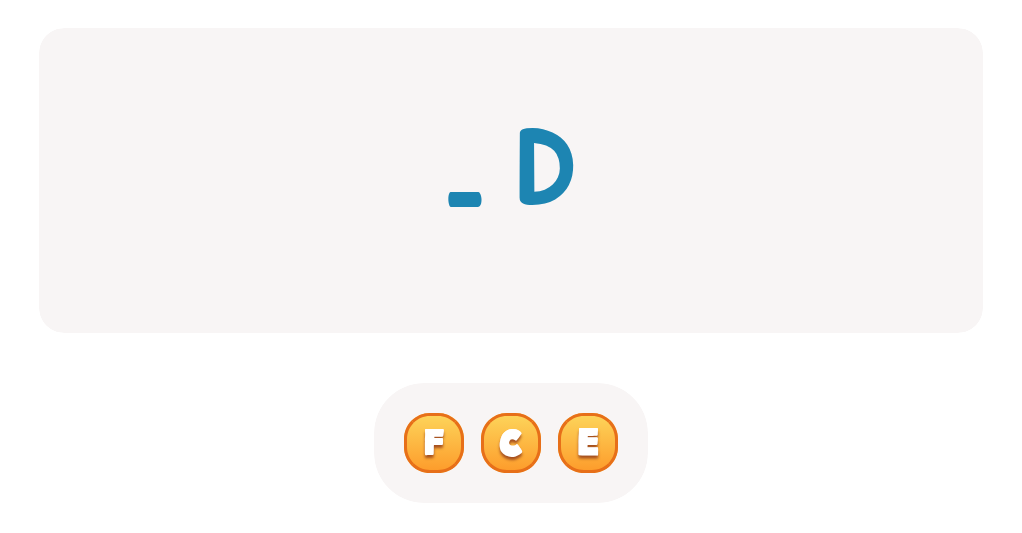

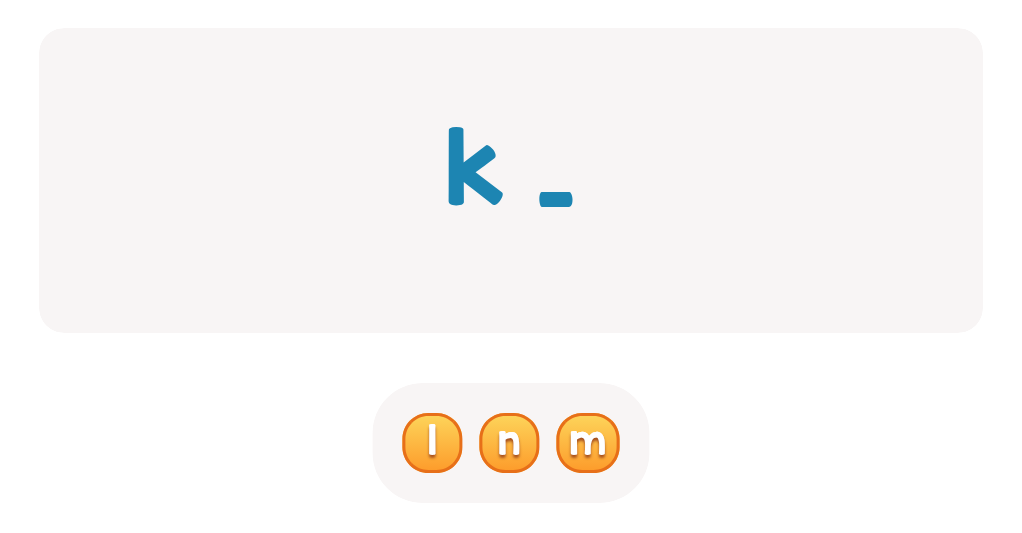
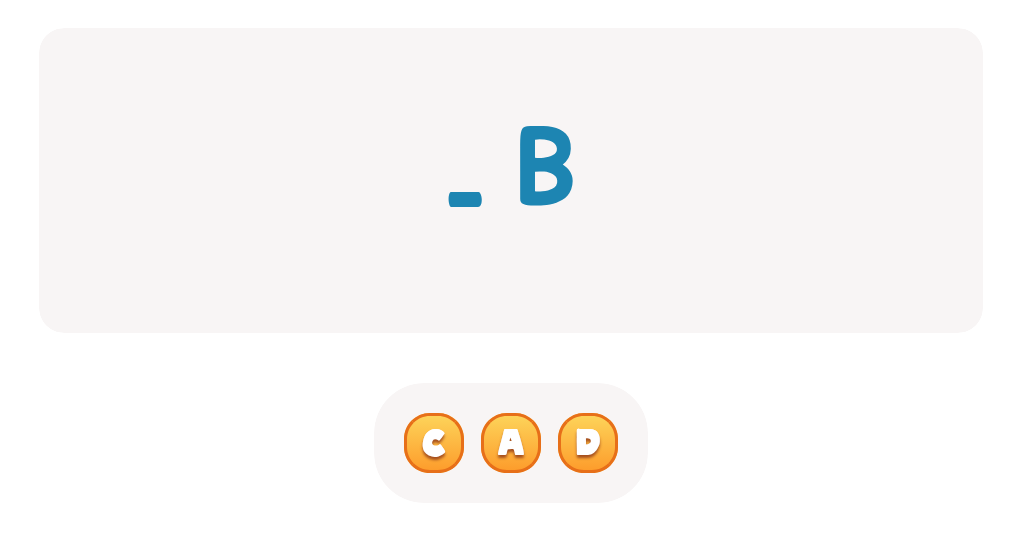
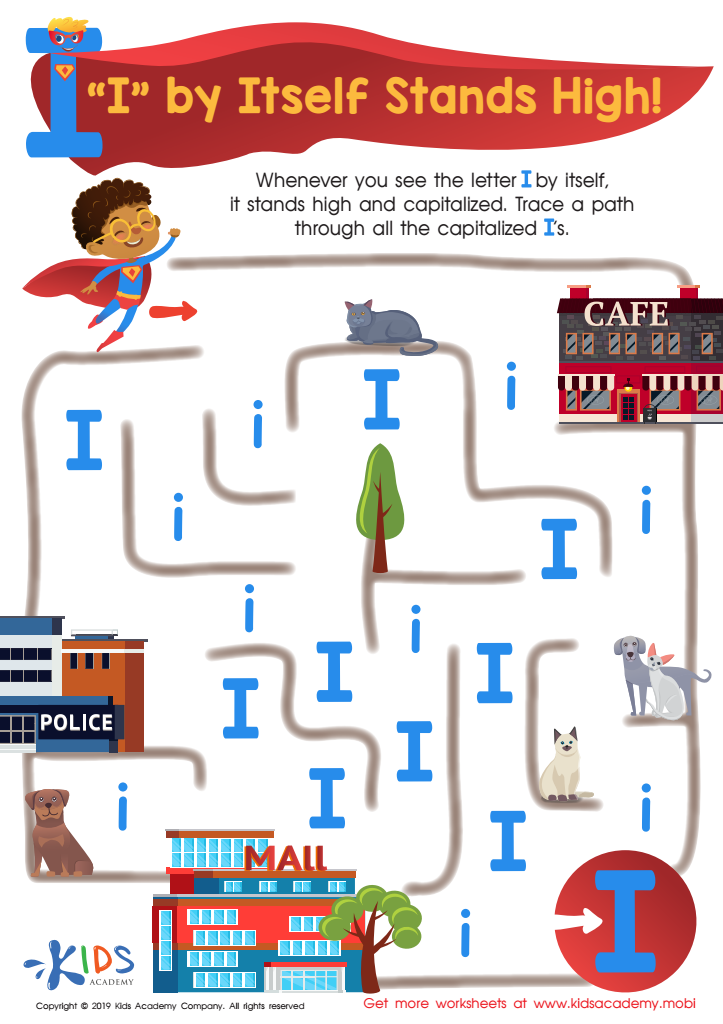
I Stands High Worksheet
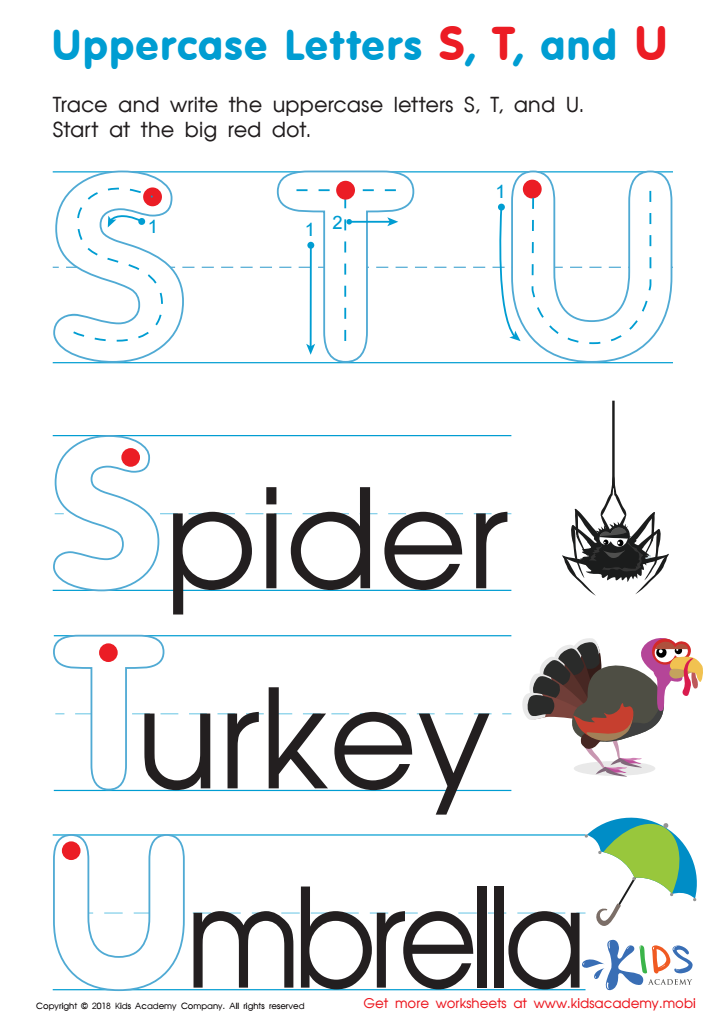
Uppercase Letters S, T, and U Worksheet
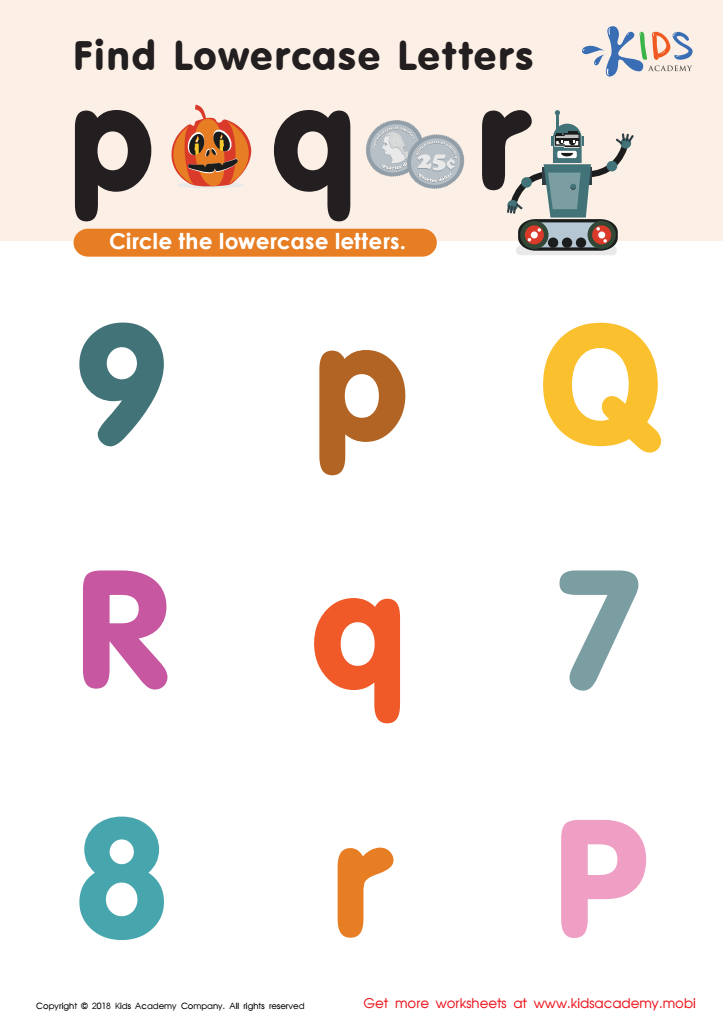
Find lowercase Letters p q r Worksheet
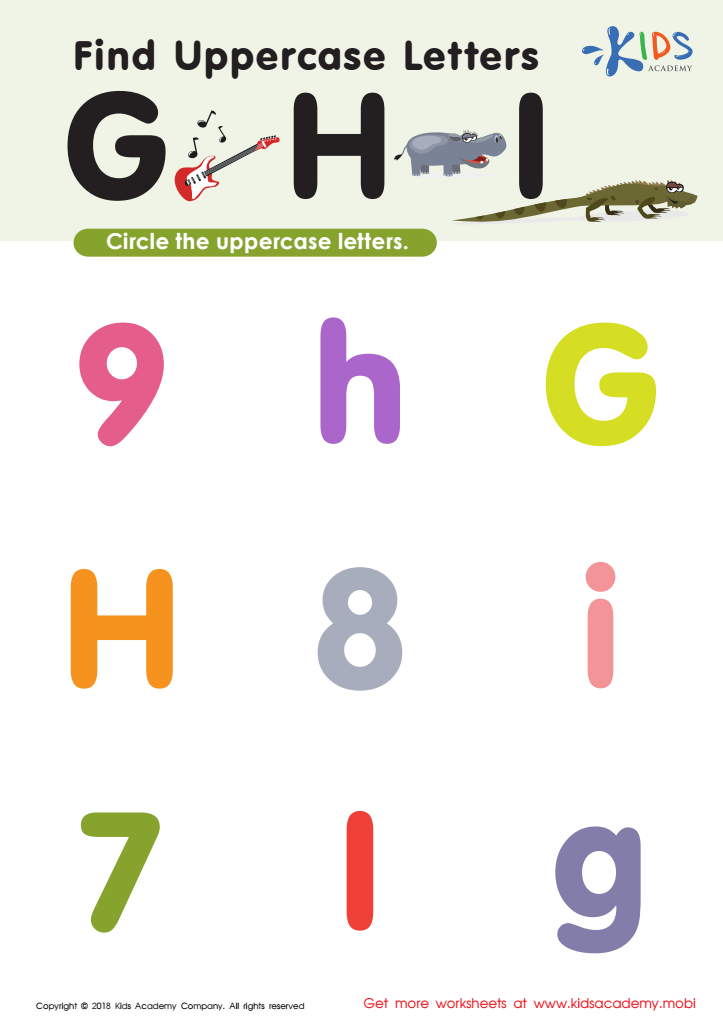
Find Uppercase Letters G, H, and I Worksheet
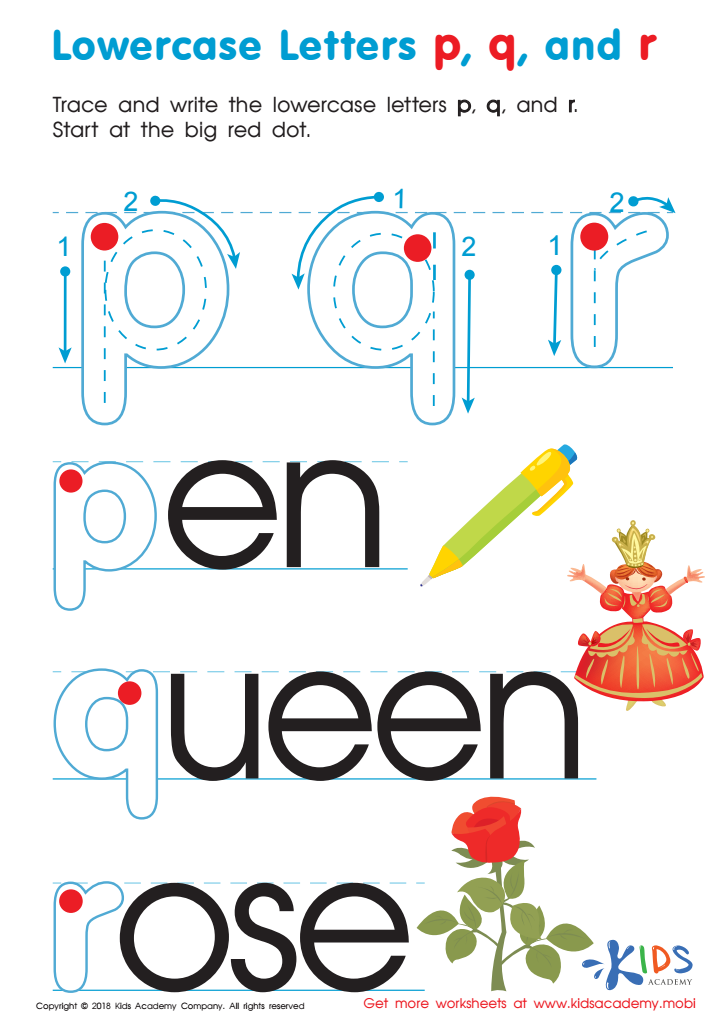
Lowercase Letters p q r Worksheet
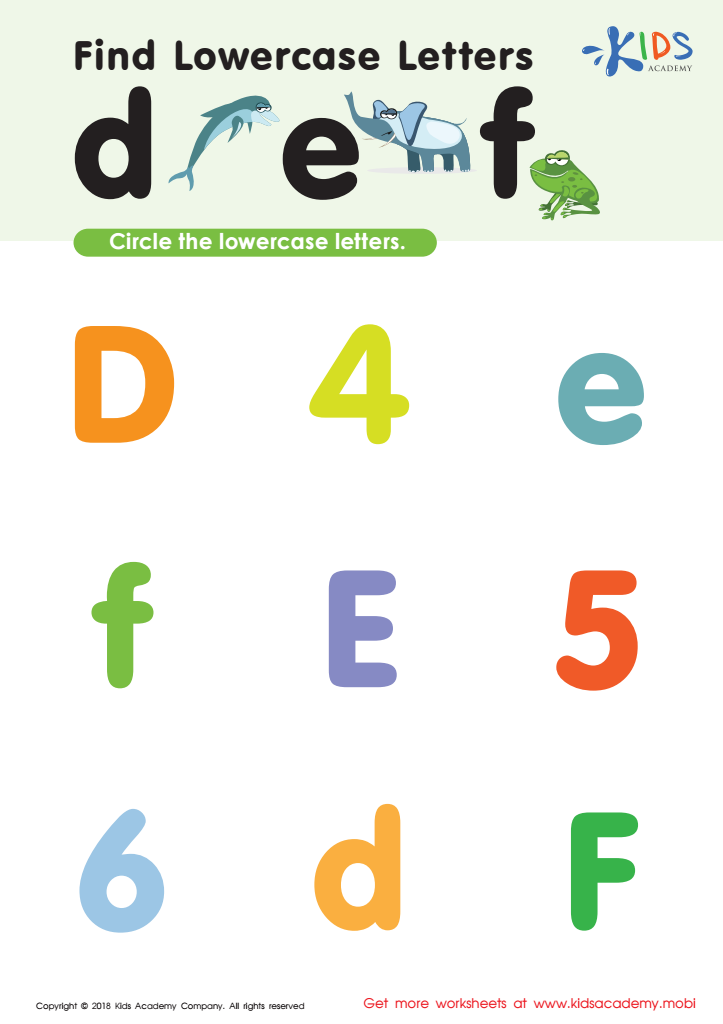
Find Lowercase Letters d e f Worksheet
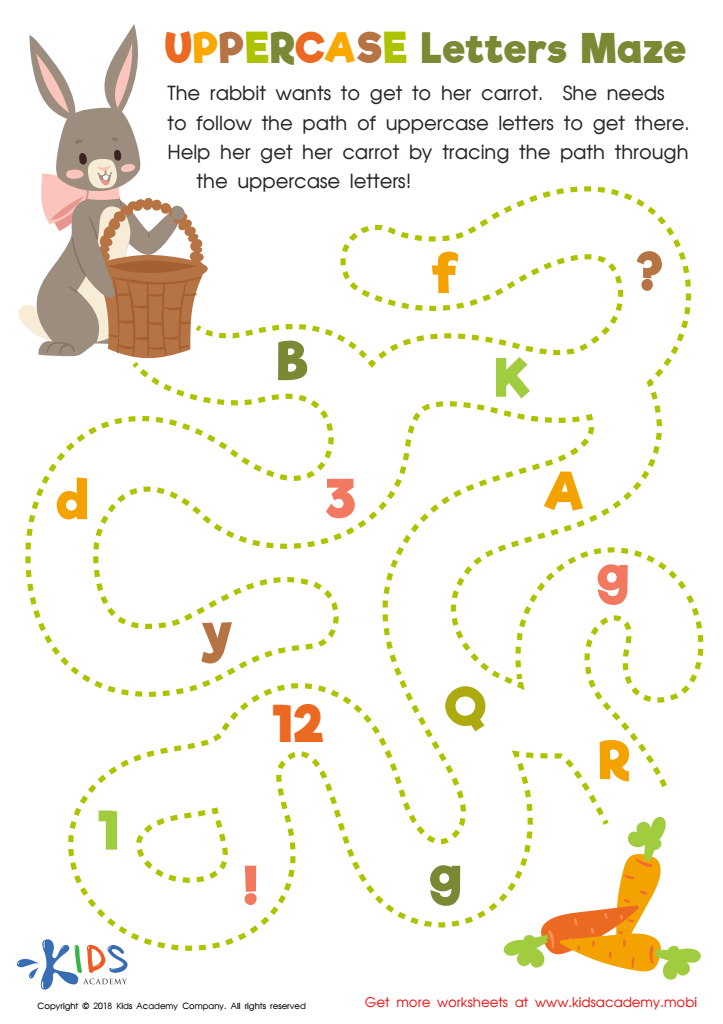
Uppercase Letters Maze Worksheet
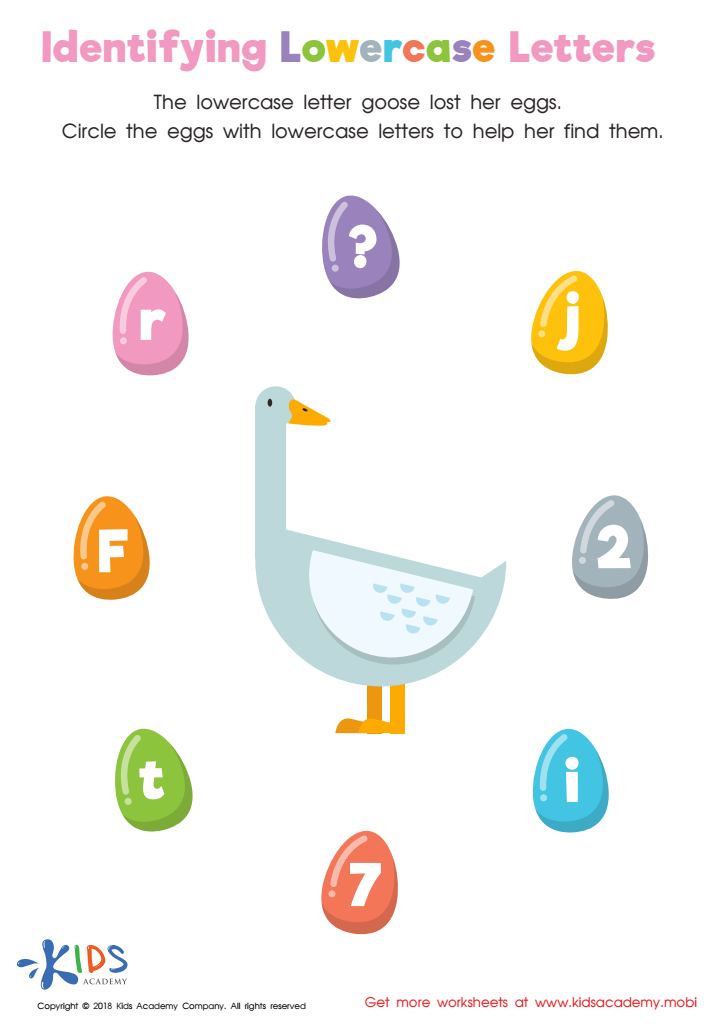
Identifying Lowercase Letters Worksheet
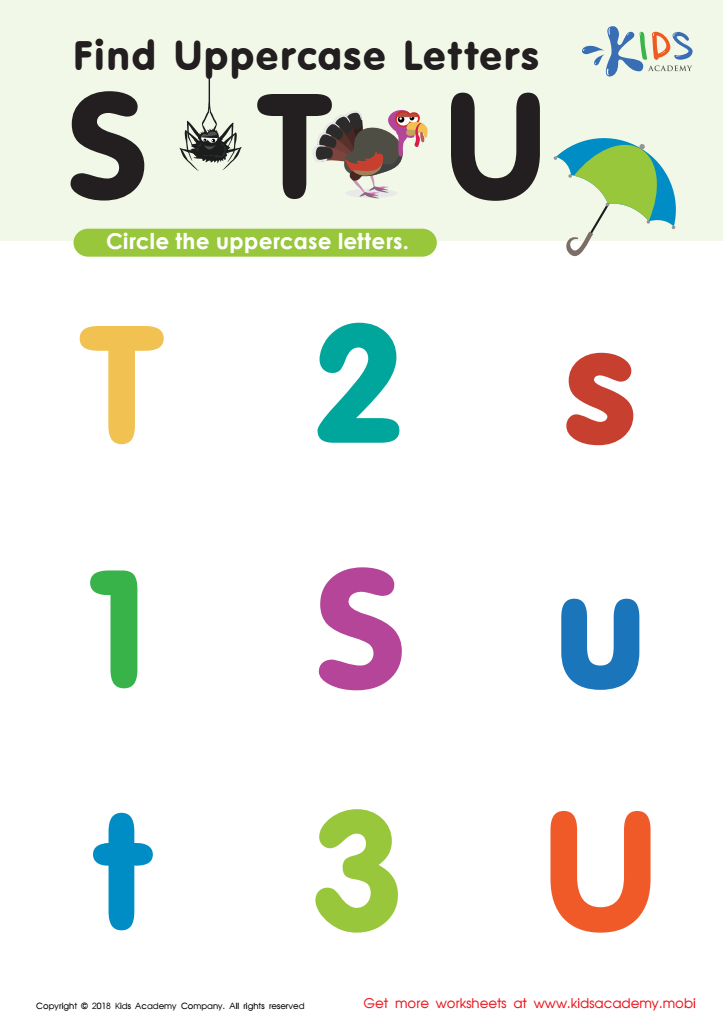
Find Uppercase Letters Worksheet
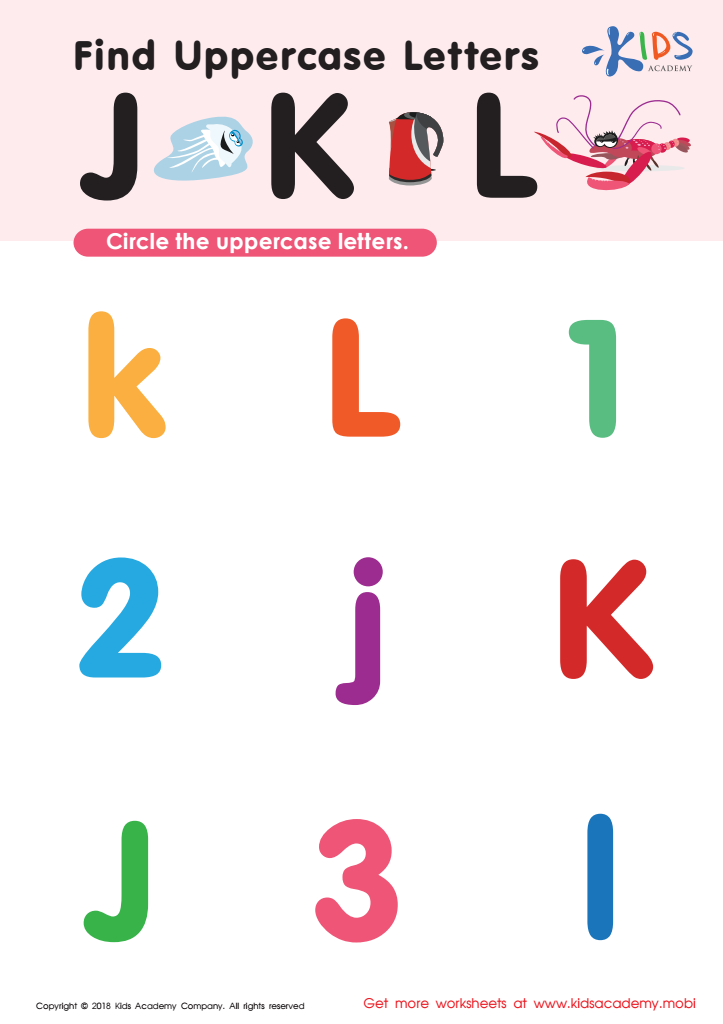
Find Uppercase Letters J, K, and L Worksheet
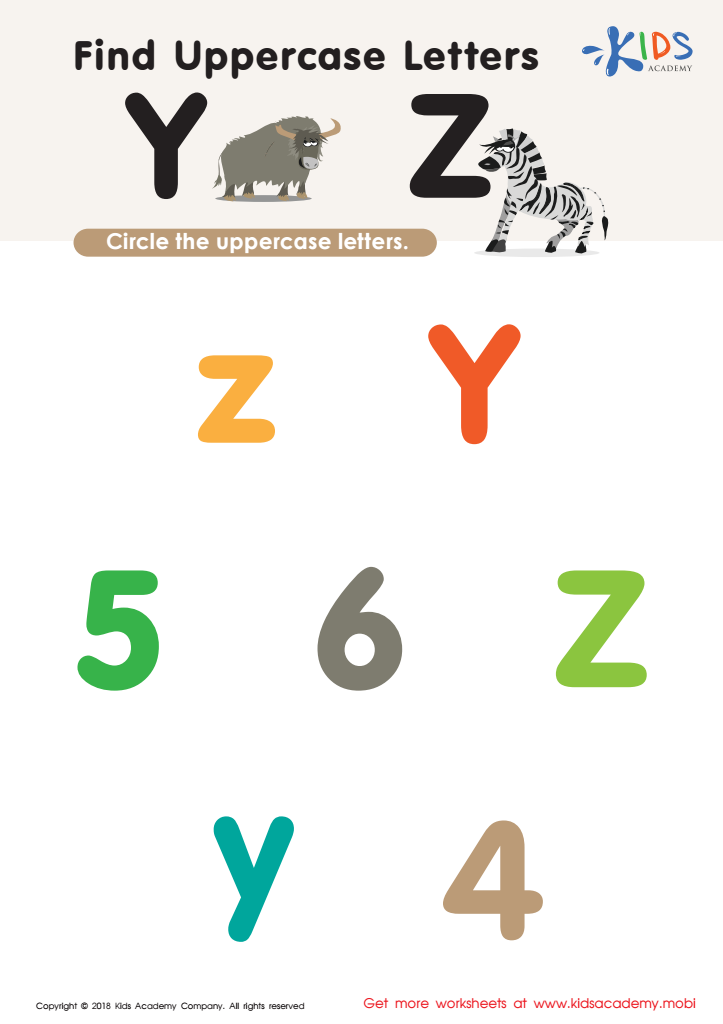
Find Uppercase Letters Y Z Worksheet
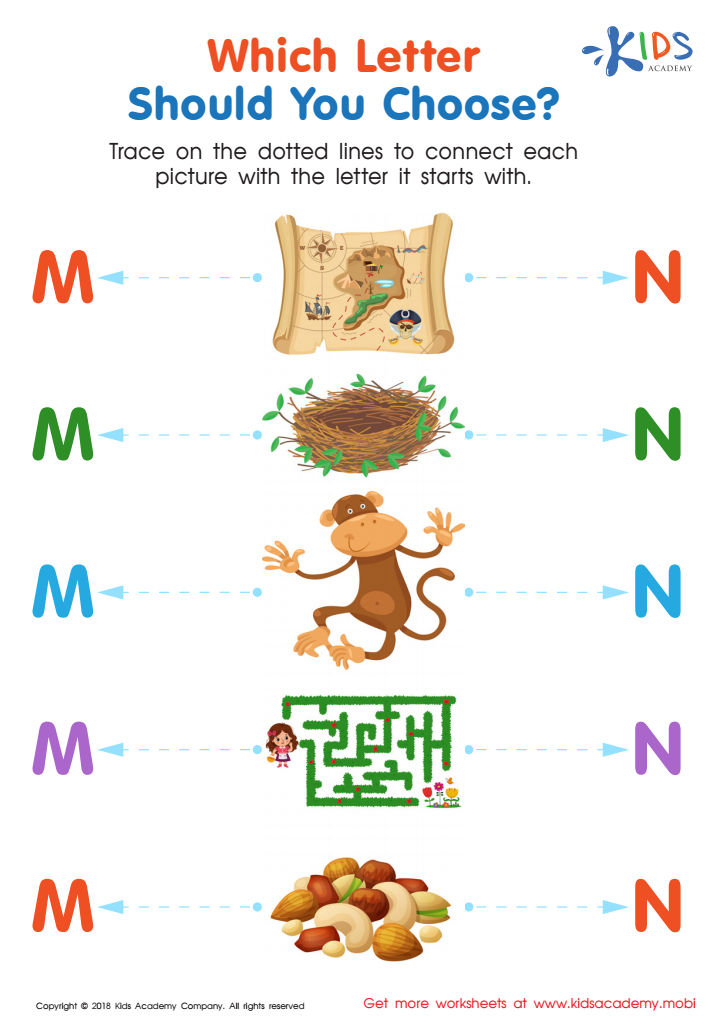
Which Letter Should you Choose? Worksheet
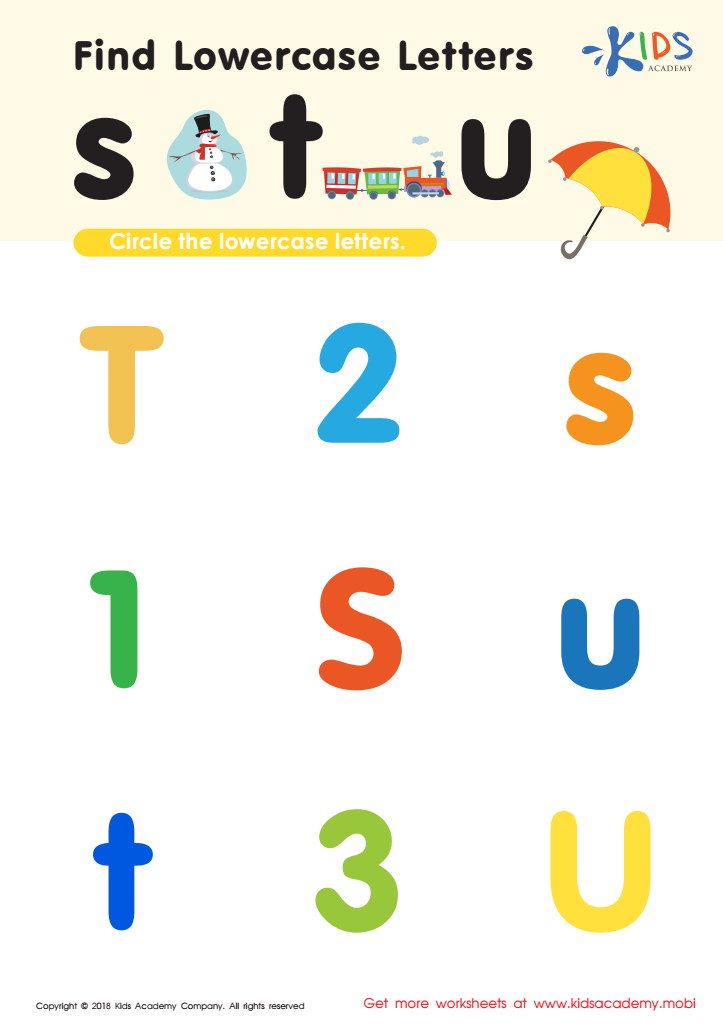
Find lowercase Letters s t u Worksheet
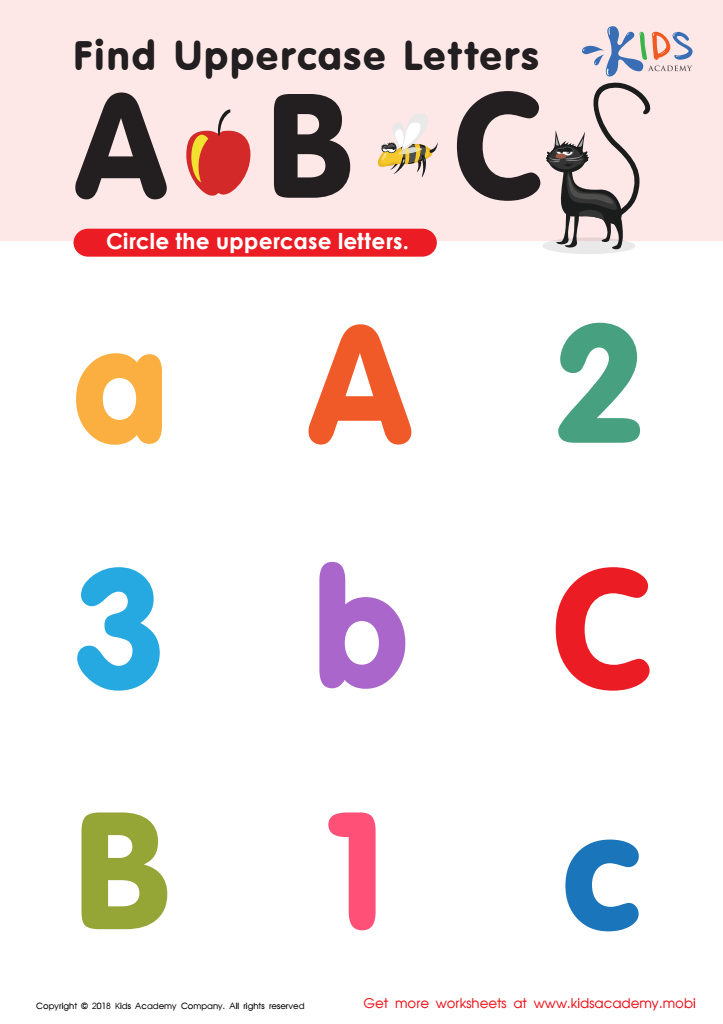
Find Uppercase Letters A, B, and C Worksheet
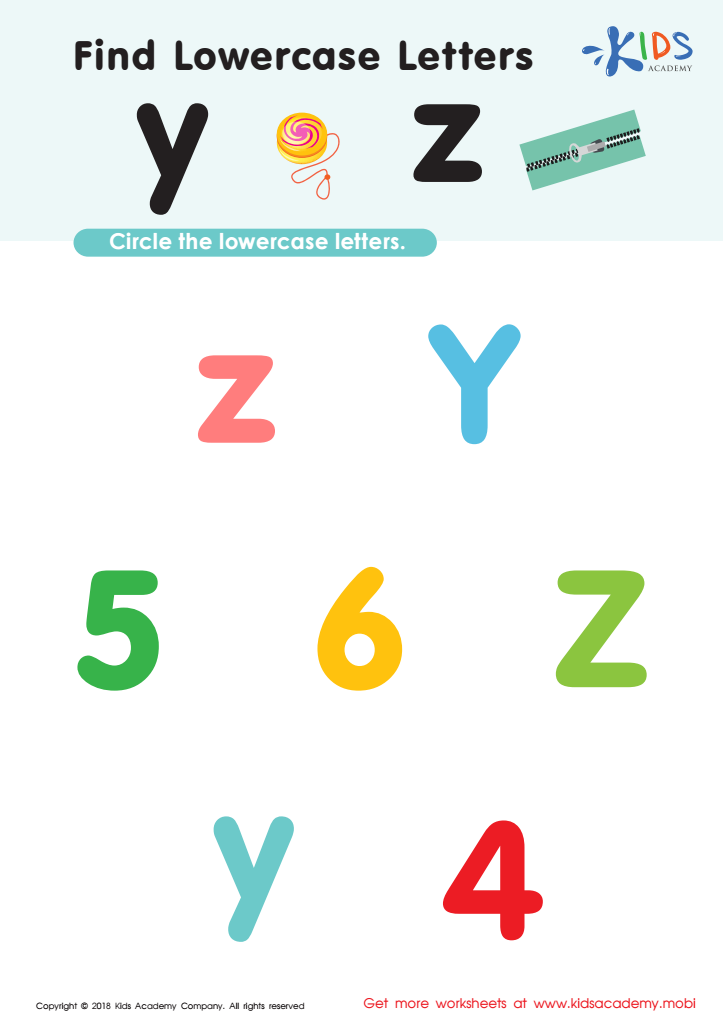
Find Lowercase Letters y z Worksheet
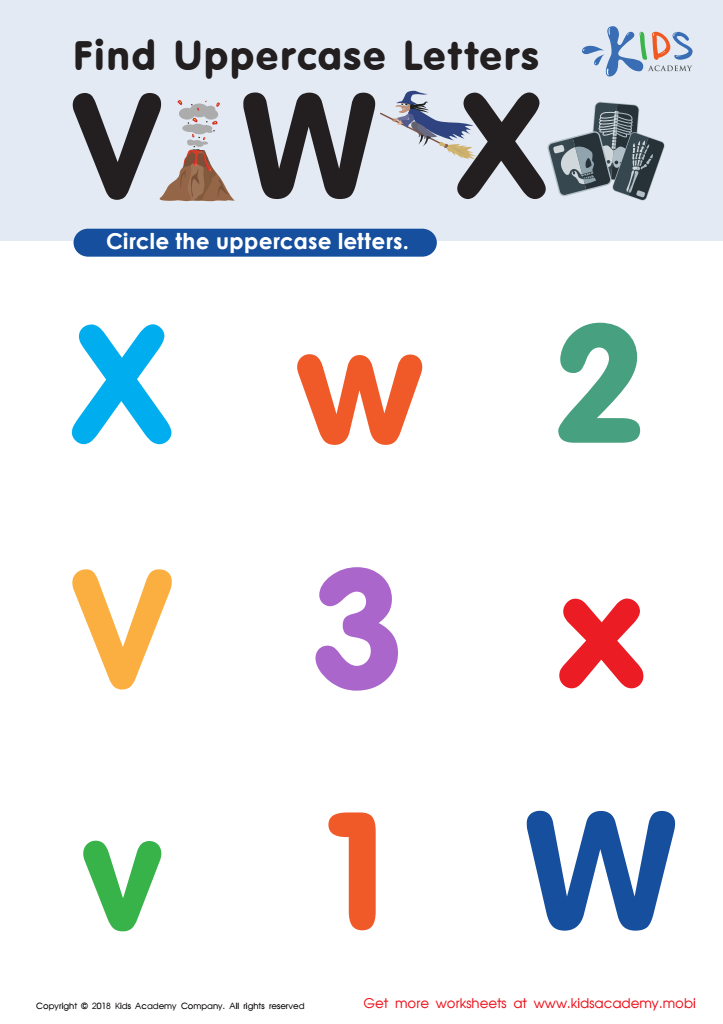
Find Uppercase Letters V, W, X Worksheet
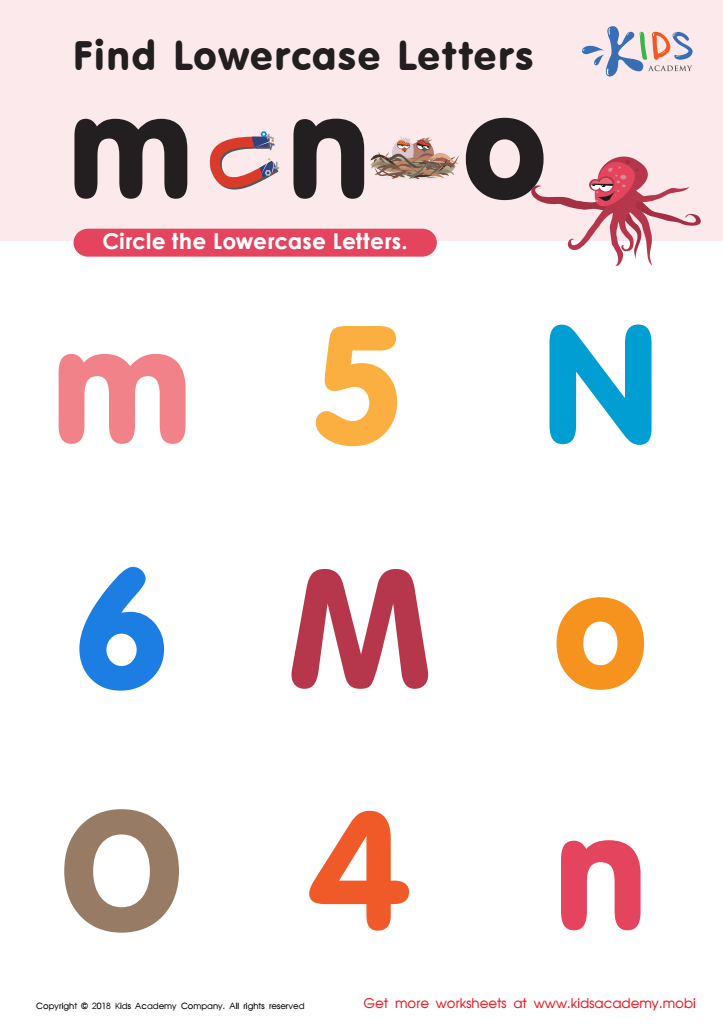
Find Lowercase Letters m n o Worksheet
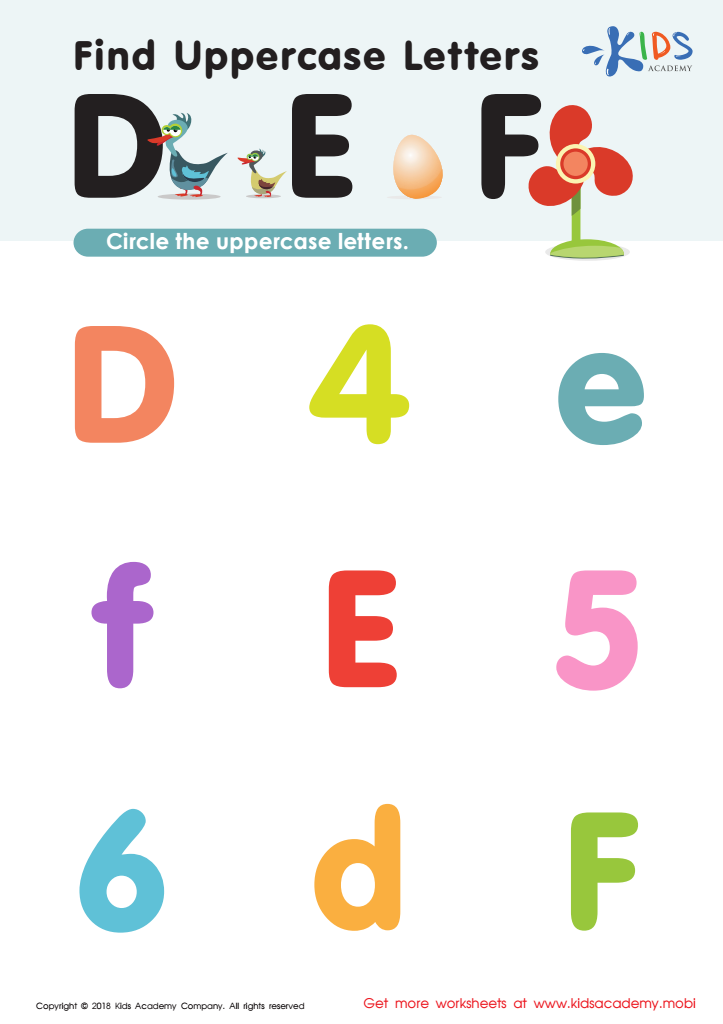
Find Uppercase Letters D, E, and F Worksheet
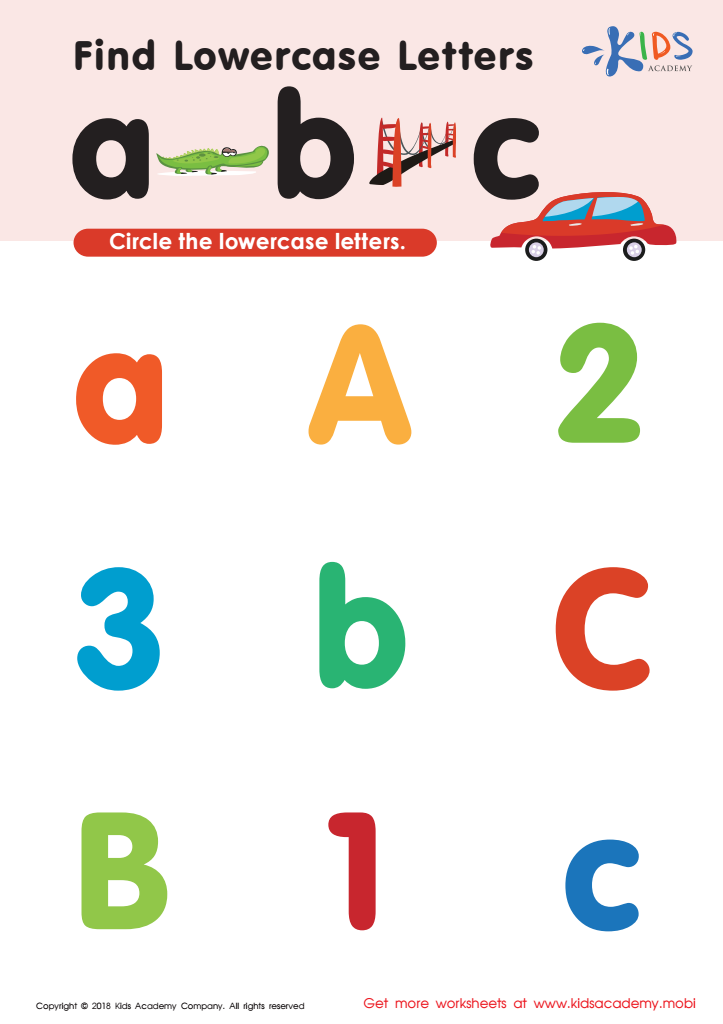
Find lowercase letters a b c Worksheet
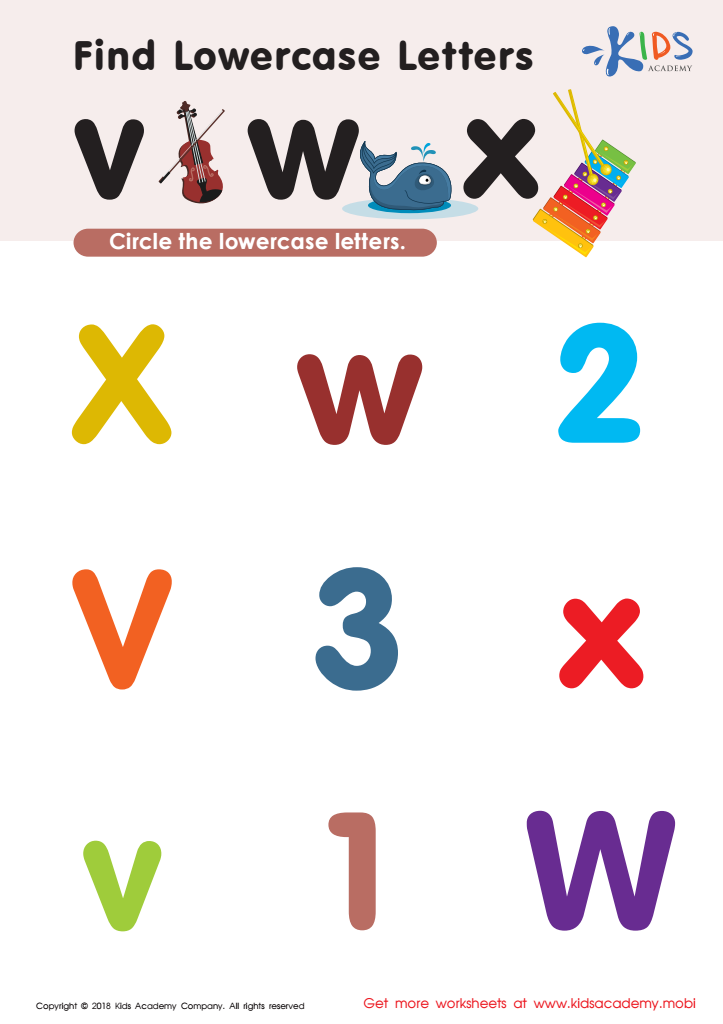
Find Lowercase Letters v w x Worksheet
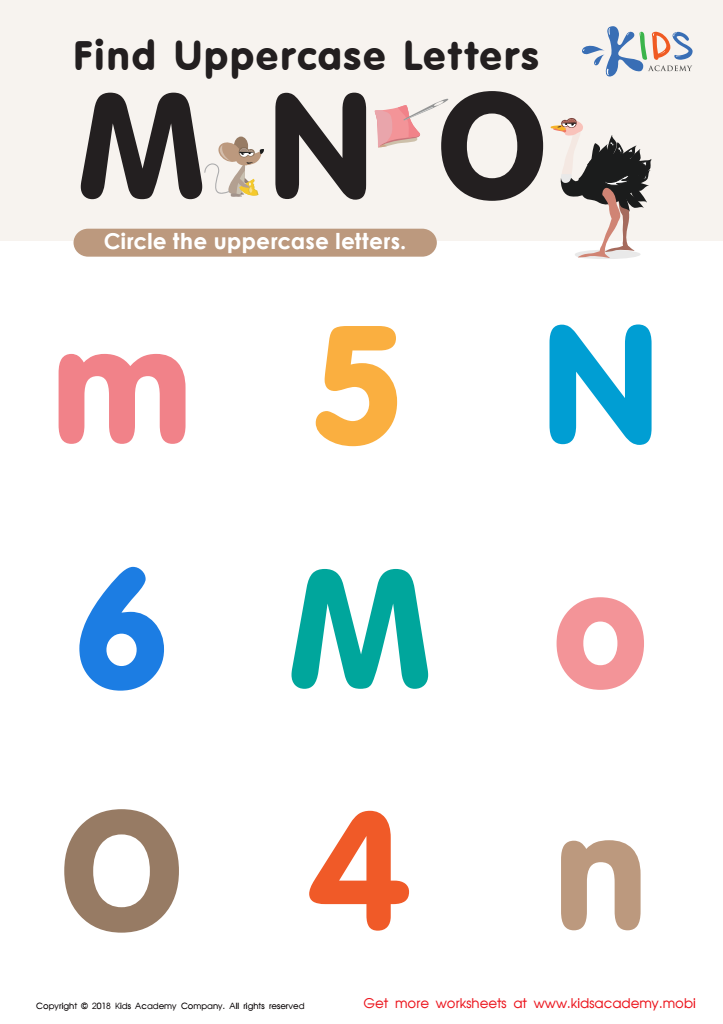
Find Uppercase Letters M, N, and O Worksheet






Letter recognition, including both uppercase and lowercase letters, is a fundamental skill for children aged 5-7, making it essential for parents and teachers to prioritize this area of learning. Mastering letter recognition sets the groundwork for reading and writing, which are critical components of literacy development. When children can easily identify letters, they are better equipped to decode words, which enhances their reading fluency and comprehension over time.
Further, recognizing both forms of letters is crucial, as they frequently appear together in written text. For example, names often start with a capital letter, while the rest of the text uses lowercase letters. Without knowledge of both, children may struggle to read and write effectively.
Additionally, letter recognition supports the development of phonemic skills, as knowing the letters enables children to connect sounds to their corresponding letters. This skill not only aids in their reading journey but also boosts their confidence in expressing themselves through writing.
Thus, parents and teachers play a vital role in providing engaging, hands-on activities that encourage letter recognition. Early intervention in these areas can leave a lasting impact, fostering a love for reading and writing that benefits children throughout their educational journey and beyond.







