Enhancing observational skills Normal Worksheets for Ages 5-7
7 filtered results
-
From - To
Enhance your child's observational skills with our engaging Normal Worksheets designed for ages 5-7. These fun and interactive activities encourage young learners to carefully observe their surroundings, improve attention to detail, and develop critical thinking abilities. Our worksheets are crafted with age-appropriate themes and visuals, making learning enjoyable while helping children identify patterns, categorize objects, and recognize differences. Perfect for classrooms or home learning, these resources will promote cognitive development and foster a curious mindset. Download our printable worksheets today to support your child's journey in becoming an observant, insightful individual! Ideal for teachers and parents alike.
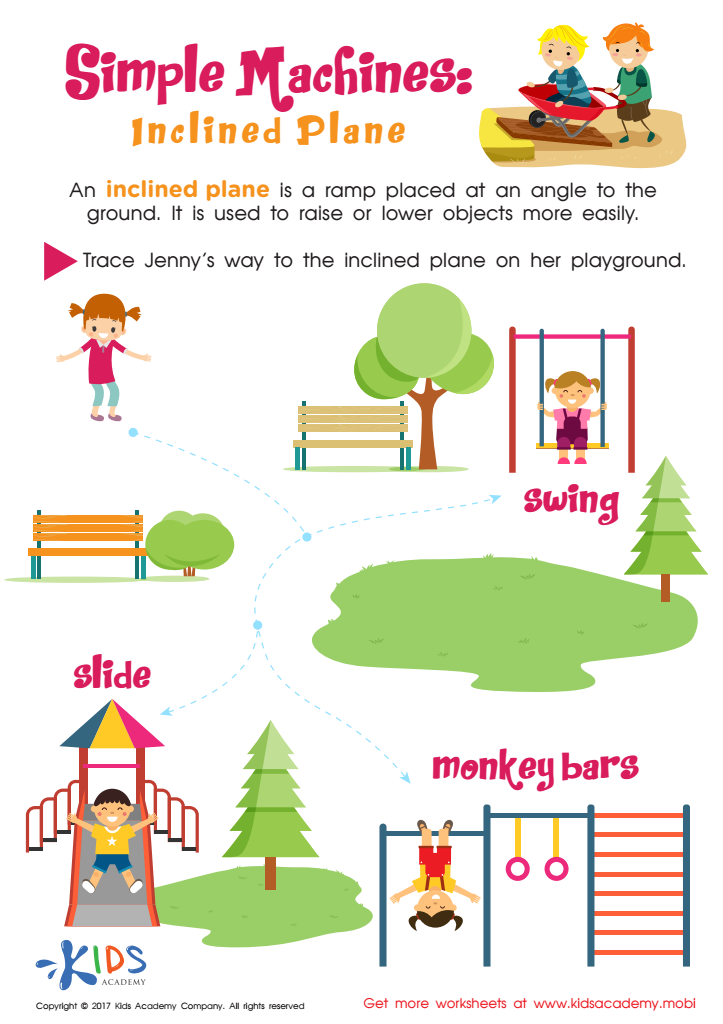
Simple Machines Inclined Plane Worksheet
 Assign to My Students
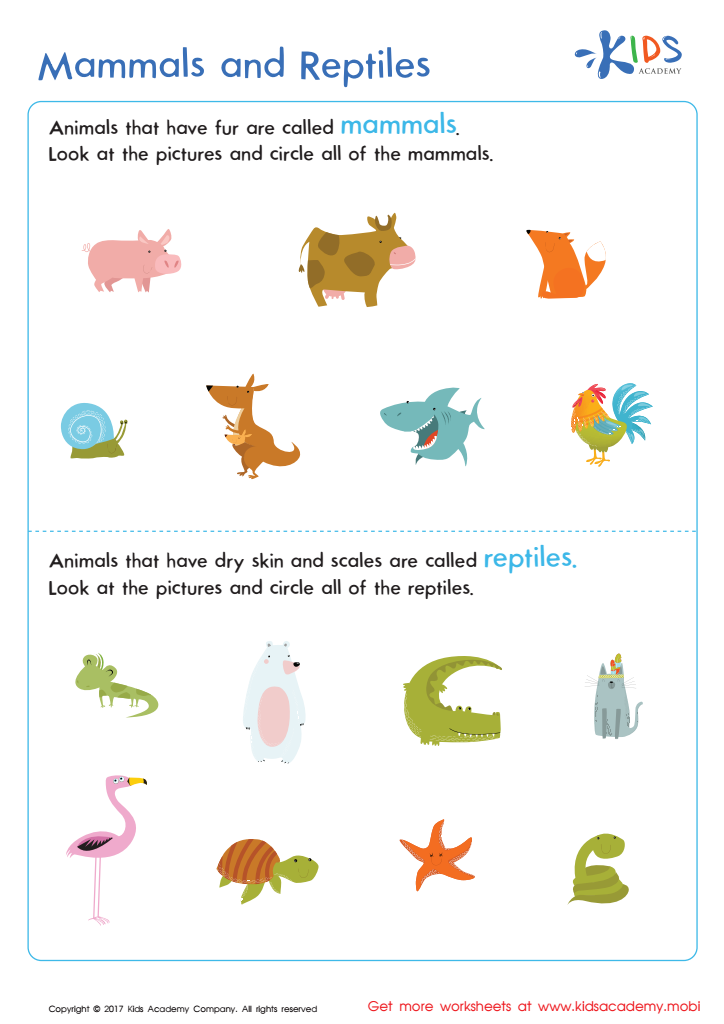
Mammals and Reptiles Worksheet
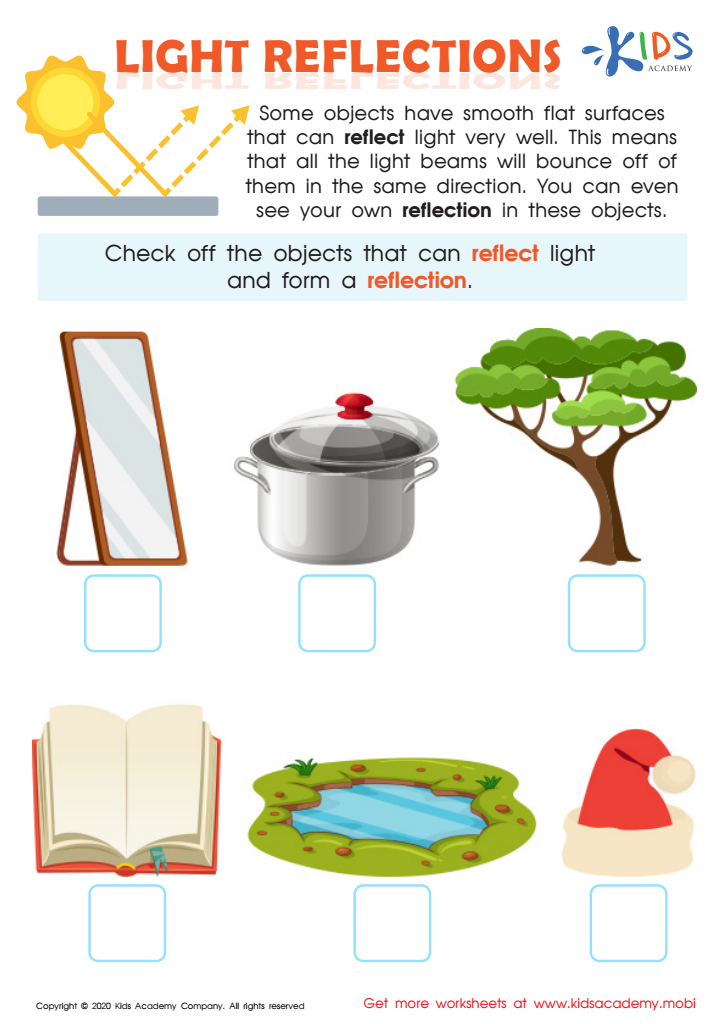
Light Reflections Worksheet
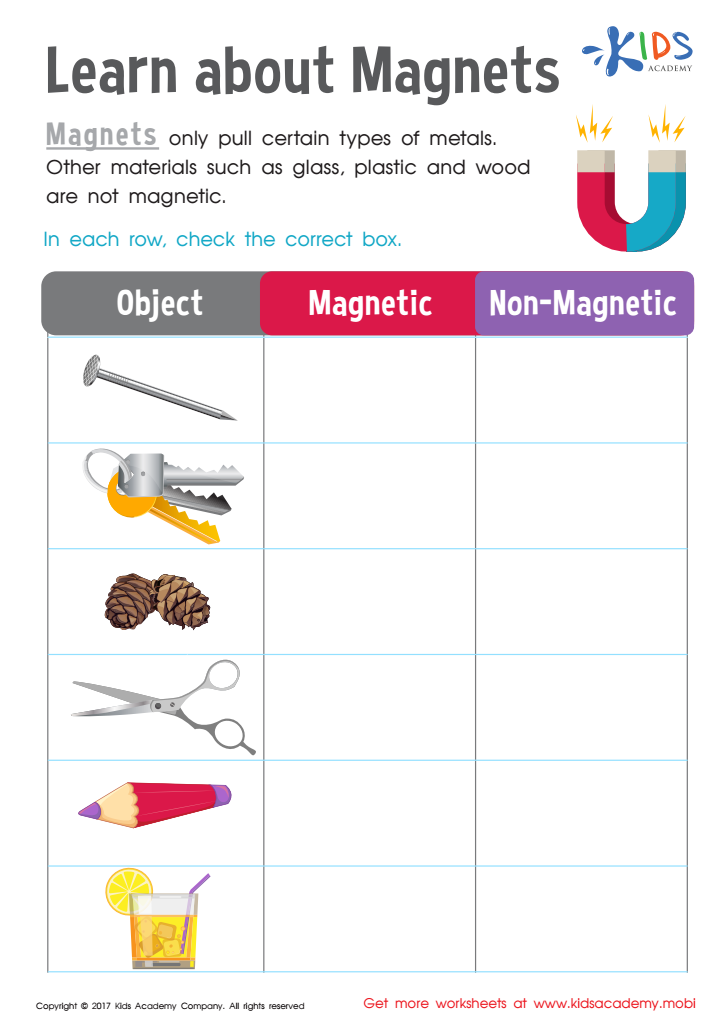
Magnetic Or Not Worksheet
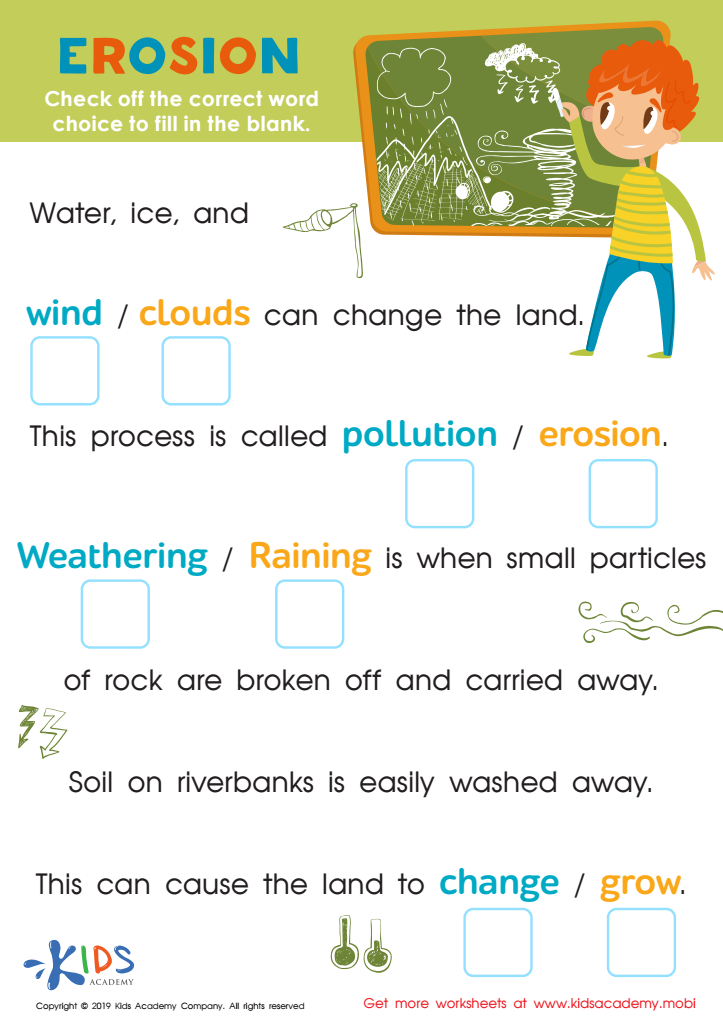
Erosion Worksheet
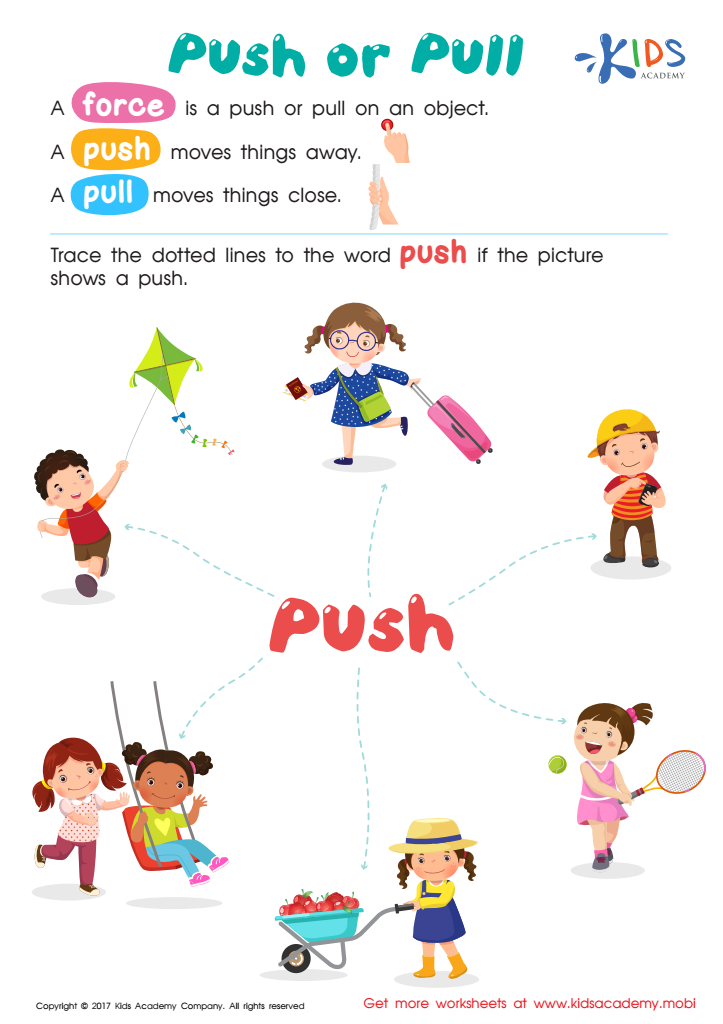
Push or Pull Worksheet
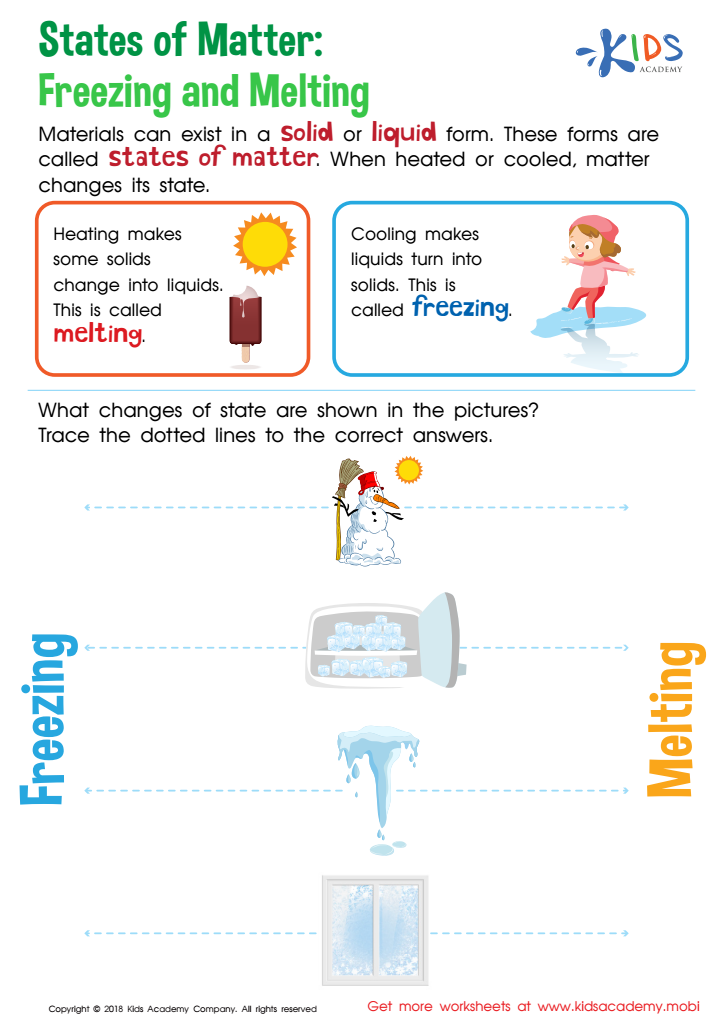
States of Matter: Freezing and Melting Worksheet






Enhancing observational skills in children ages 5-7 is crucial for their overall development and learning. During this stage, children are naturally curious, and their ability to observe their surroundings can significantly influence their understanding of the world. Improved observational skills foster critical thinking, as children learn to notice details, ask questions, and draw connections between different elements in their environment.
For parents, nurturing these skills means encouraging deeper engagement with everyday activities, encouraging conversations about what children observe, and helping them develop a keen awareness of their surroundings. This can lead to heightened creativity, better problem-solving abilities, and improved academic performance, especially in subjects that require observational data, like science and art.
Teachers, on the other hand, benefit from cultivating these skills in the classroom by fostering interactive learning environments. Strong observational skills support peer learning, allowing children to learn from one another while building social skills. They also create opportunities for hands-on experiences, which are vital for cognitive and emotional development during these formative years. Ultimately, enhancing observational skills promotes lifelong learning, making it an important focus for both parents and teachers during these critical early years.








