Fine Motor Skills Normal Worksheets for Ages 5-7 - Page 6
129 filtered results
-
From - To

Astronomer Maze: Telescope Worksheet
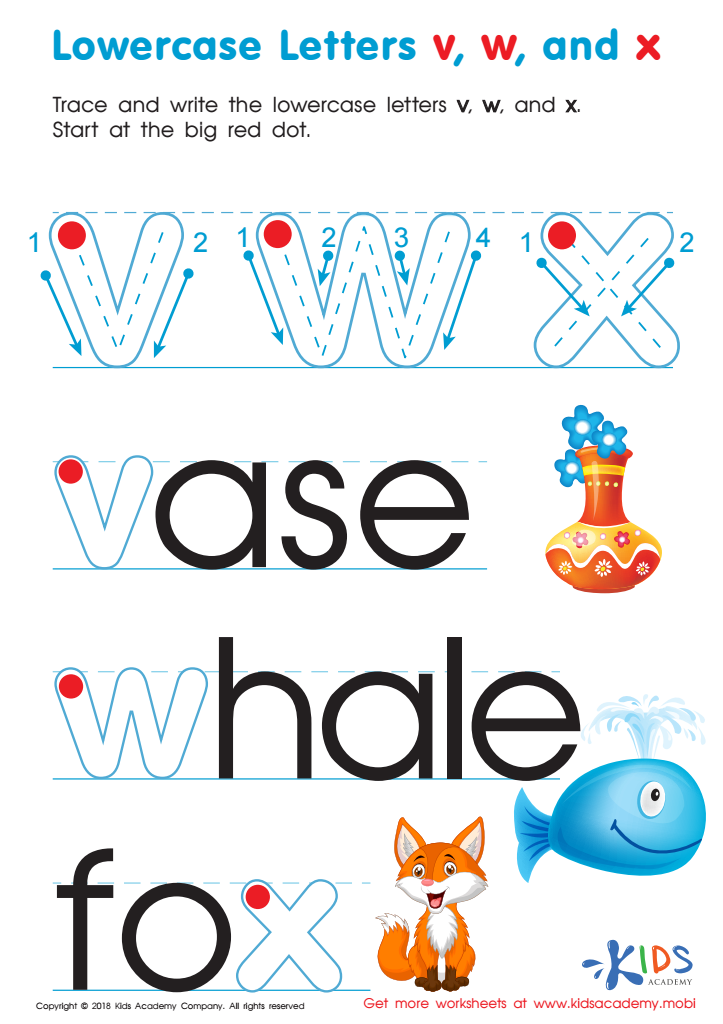
Lowercase Letters v w x Worksheet
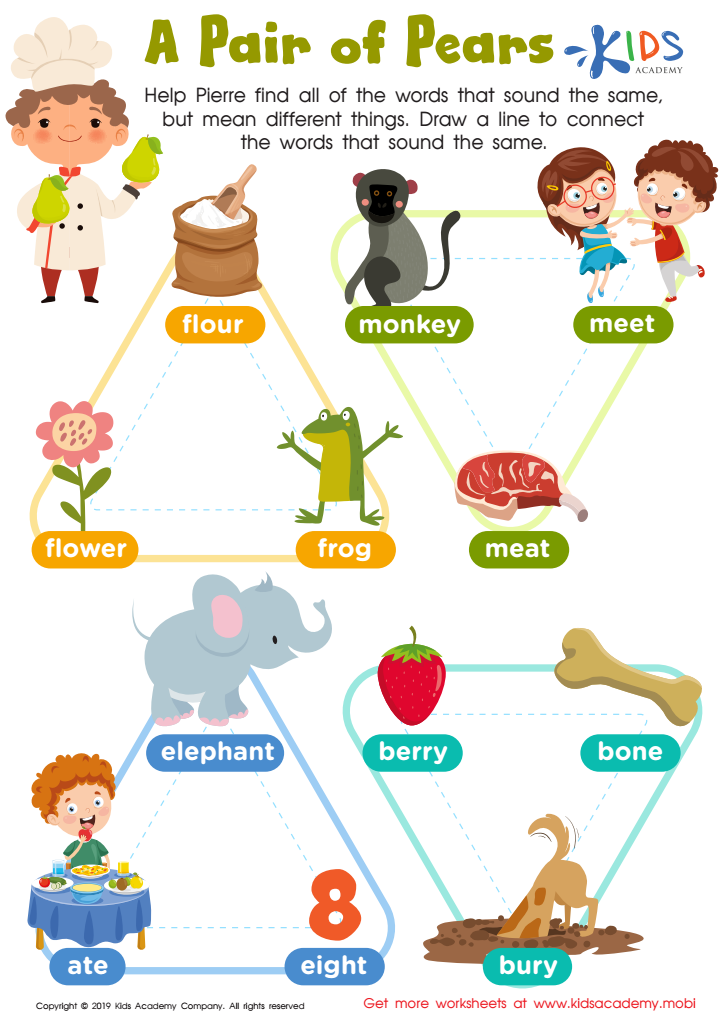
Pair Pears Worksheet
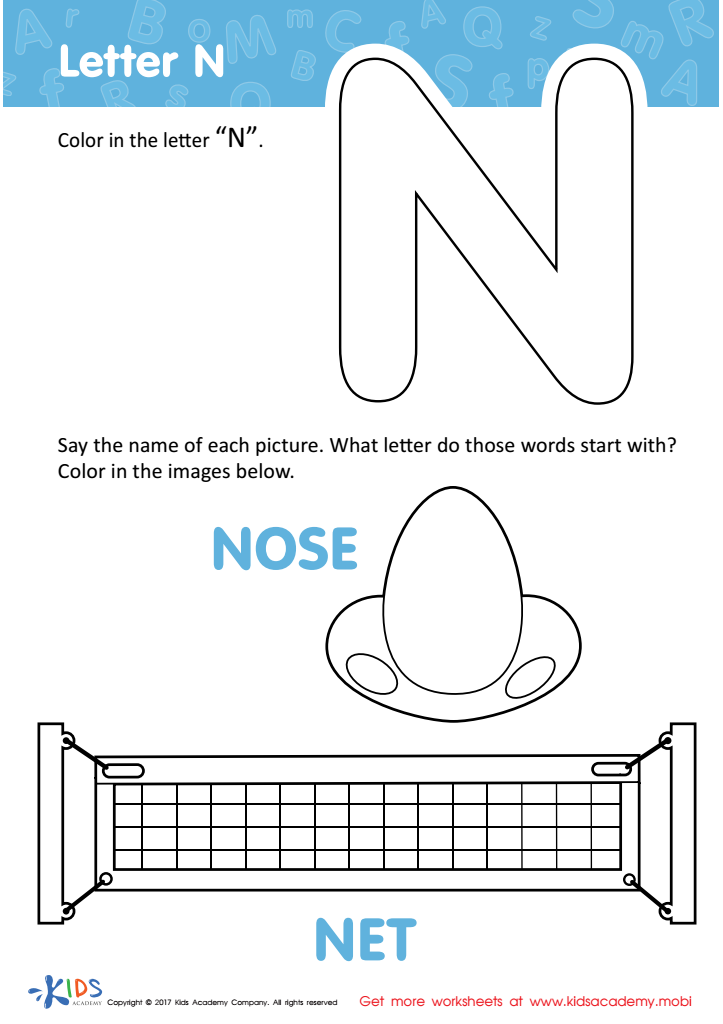
Letter N Coloring Sheet
 Assign to My Students

Astronaut Coloring Page
Assign to My Students
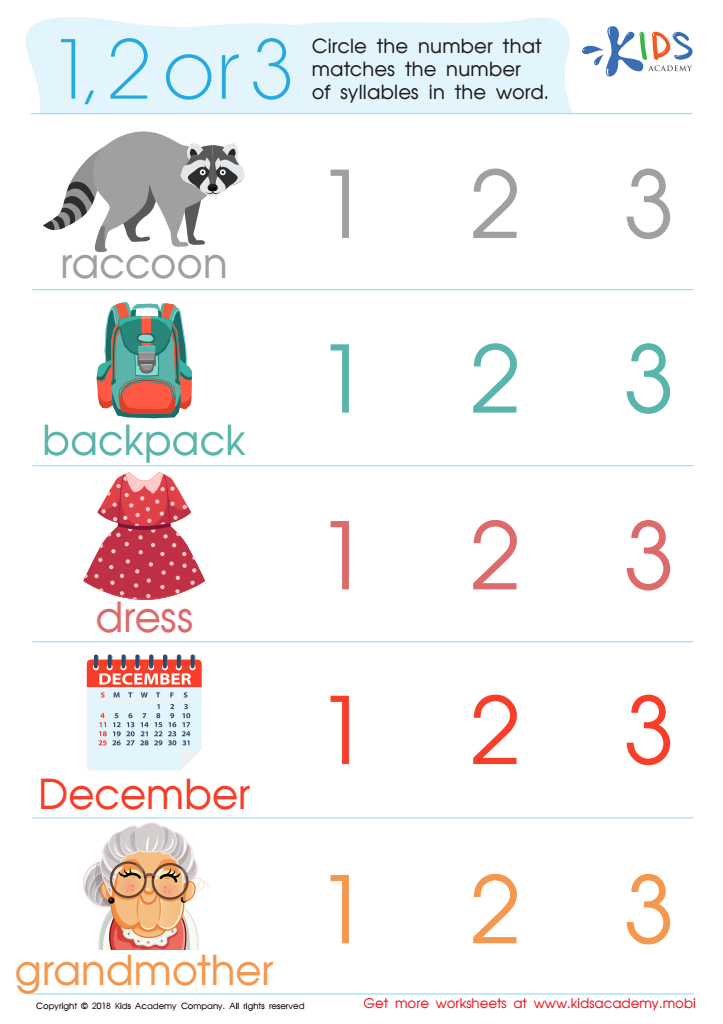
1, 2 or 3? Worksheet

Letter D Tracing Page
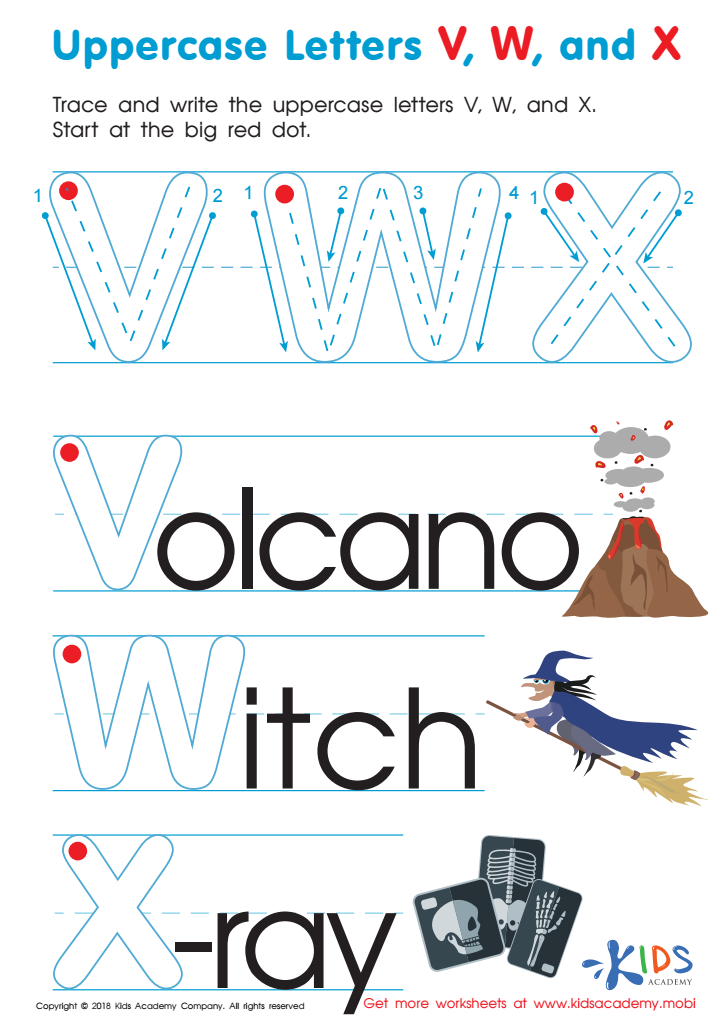
Uppercase Letters V, W, and X Worksheet
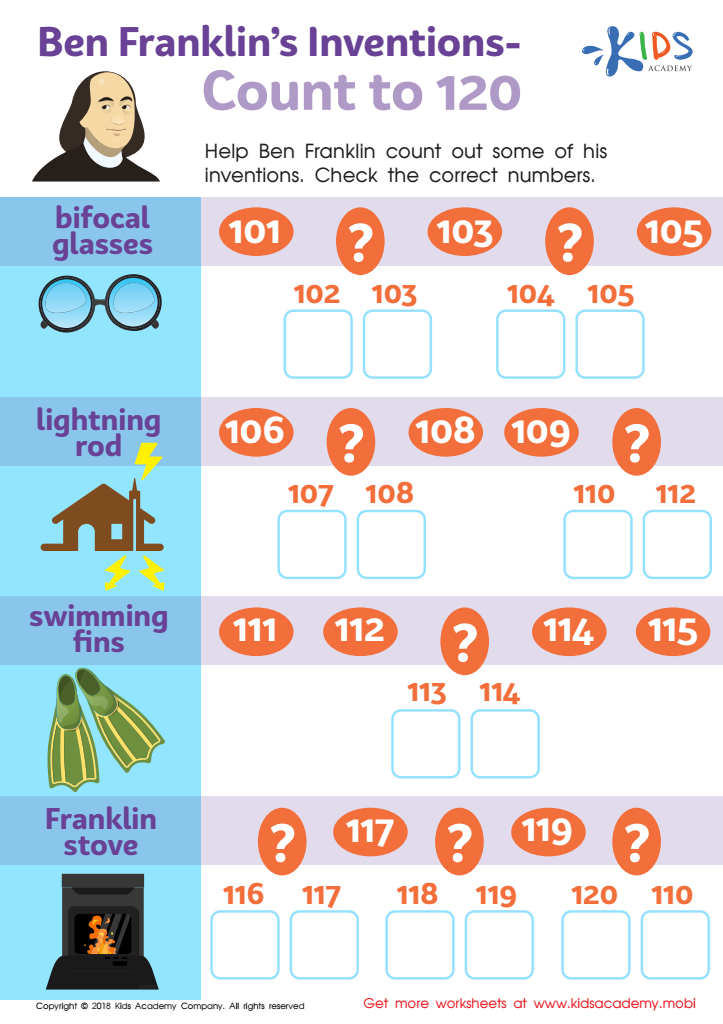
Ben Franklin’s Inventions – Count to 120 Worksheet







Fine motor skills are crucial for children aged 5-7 as they form the foundation for many essential tasks. During this developmental stage, children are honing their ability to use small muscles efficiently, which is vital for activities such as writing, drawing, tying shoelaces, and buttoning shirts. Strong fine motor skills contribute significantly to a child's academic success—children who struggle with these skills may find it challenging to keep pace with their peers in school settings.
Moreover, fine motor skills are linked to cognitive development. When children engage in activities that refine these skills, such as using scissors, painting, or crafting, they also enhance their hand-eye coordination, concentration, and problem-solving abilities.
Parents and teachers should be attentive to the normal development of fine motor skills in this age group to ensure that children are effectively prepared for academic environments. By providing opportunities for practice through play and structured activities, adults can support children in developing confidence and independence. Additionally, early intervention in cases where fine motor skills are lagging can prevent further difficulties and foster resilience. Overall, nurturing fine motor skills is vital for holistic development, impacting both educational outcomes and self-esteem.








