Geographic knowledge Normal Worksheets for Ages 5-7
3 filtered results
-
From - To
Unlock the world for young minds with our "Geographic Knowledge Normal Worksheets for Ages 5-7." These engaging resources are designed to introduce children to the wonders of our planet. With vibrant maps, fun activities, and age-appropriate challenges, kids will explore continents, countries, and landmarks, building a strong foundation in geography. Perfect for early grade students, these worksheets ensure a thorough understanding of basic concepts while igniting curiosity and promoting problem-solving skills. Lay the groundwork for future geographical learning with our expertly crafted materials, tailored for young explorers eager to discover the world!
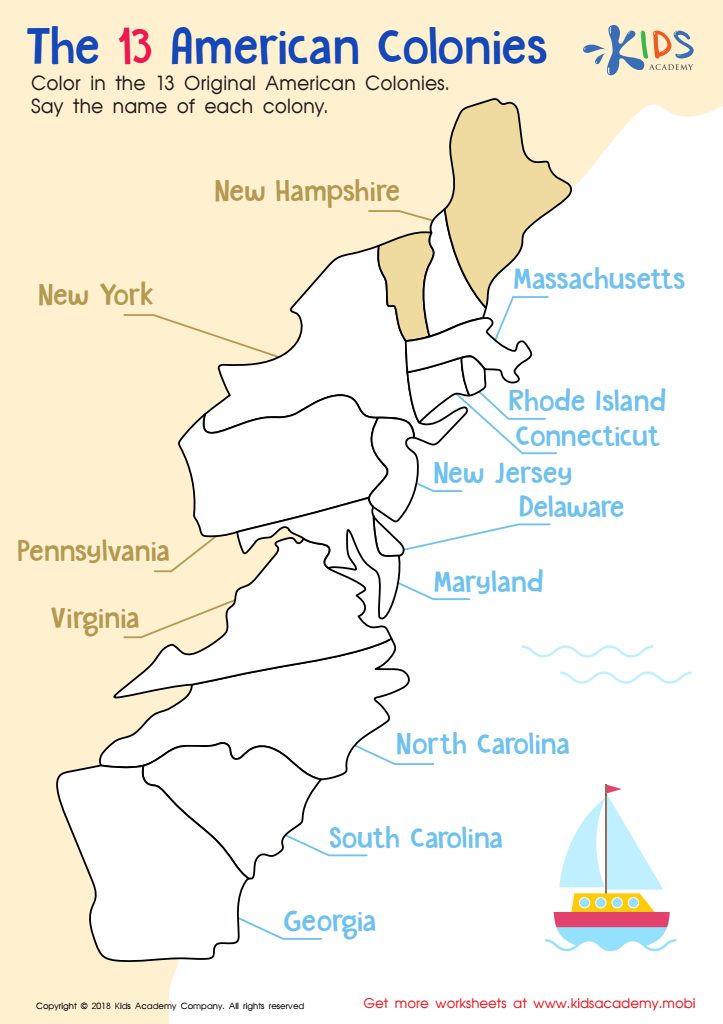
The 13 American Colonies Worksheet
 Assign to My Students
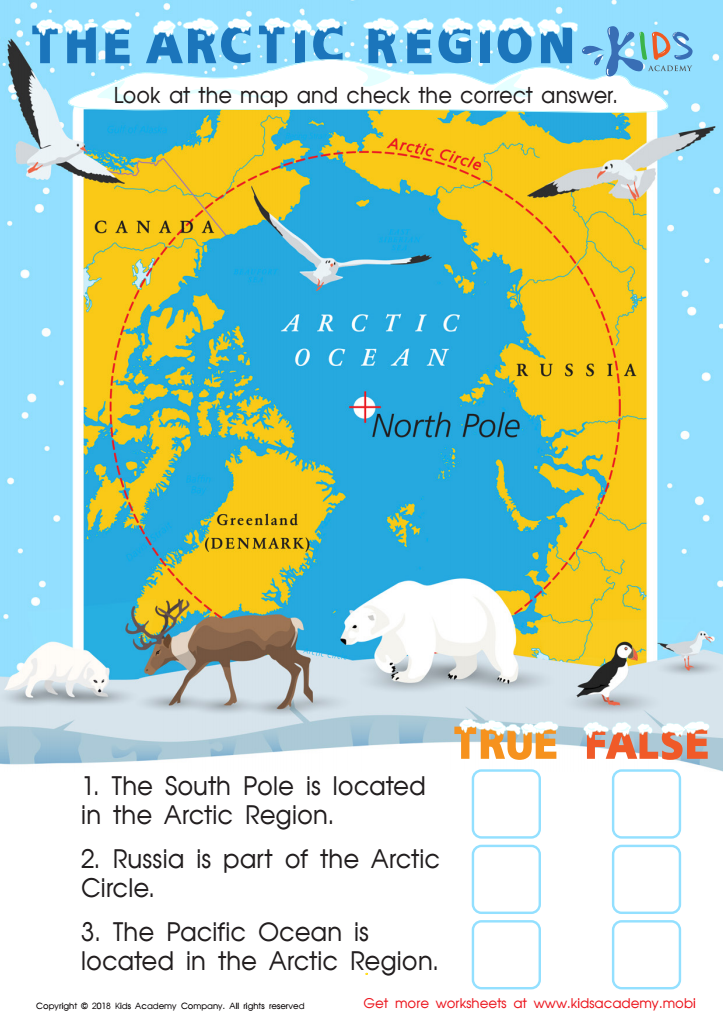
The Arctic Region Worksheet
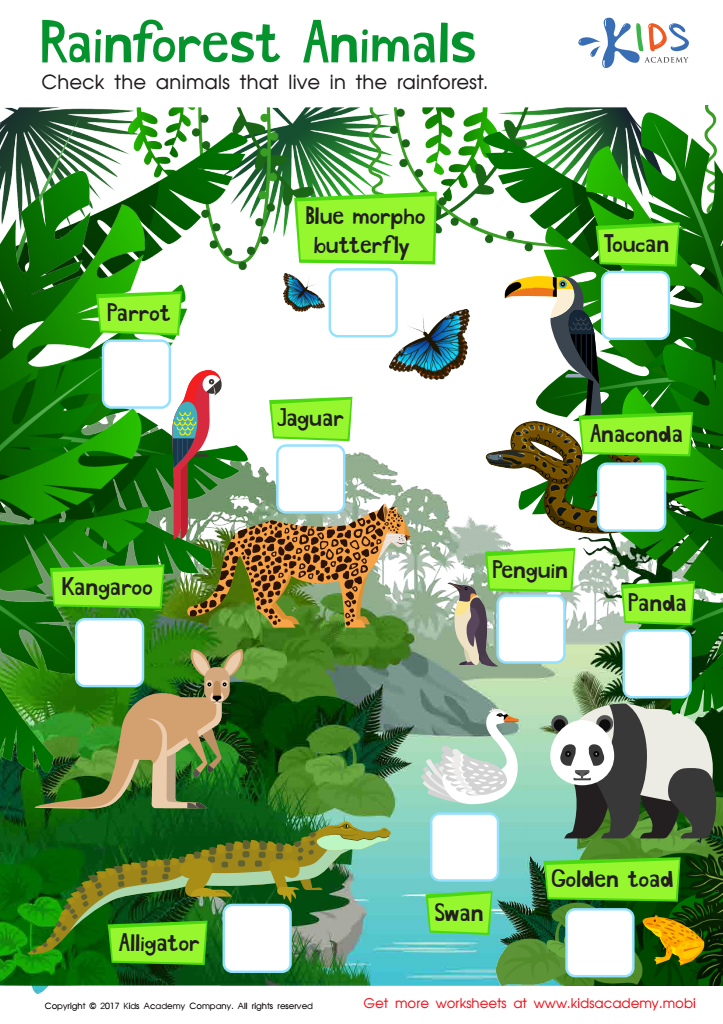
Rainforest Animals Worksheet


.jpg)


Geographic knowledge, even in early childhood, plays a crucial role in a child's overall development and understanding of the world. For children ages 5-7, learning about geography is not just about knowing places on a map; it’s about fostering a sense of curiosity, spatial awareness, and cultural appreciation that forms a foundation for later learning.
At this age, understanding basic geographic concepts—like different types of places and environments—helps children develop spatial thinking skills. These skills are essential for problem-solving and reasoning, which are critical in areas like mathematics and reading comprehension. Recognizing and differentiating between various landforms, bodies of water, and communities (urban, suburban, rural) expands their vocabulary and comprehension abilities.
Moreover, geographic education introduces children to diverse cultures and traditions. This early exposure helps children develop empathy and respect for differences, making them more open-minded and inclusive individuals. Understanding where they fit in the larger world can also strengthen a child’s sense of identity and belonging, which is key for emotional and social development.
Additionally, integrating geography with subjects like science and history enriches a holistic learning experience. By making learning tangible and relatable through discussions about weather changes, animal habitats, and historical events, teachers and parents can ignite a lasting interest in learning about the world.








