Handwriting practice Normal Worksheets for Ages 5-7 - Page 3
63 filtered results
-
From - To
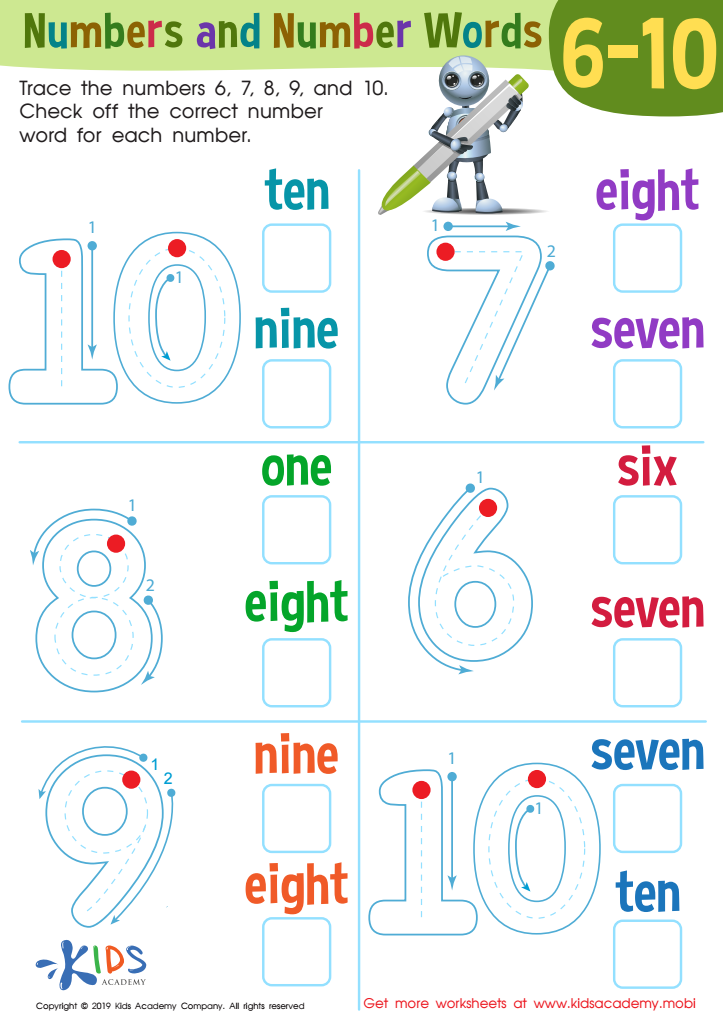
Numbers and Number Words 6–1 Worksheet
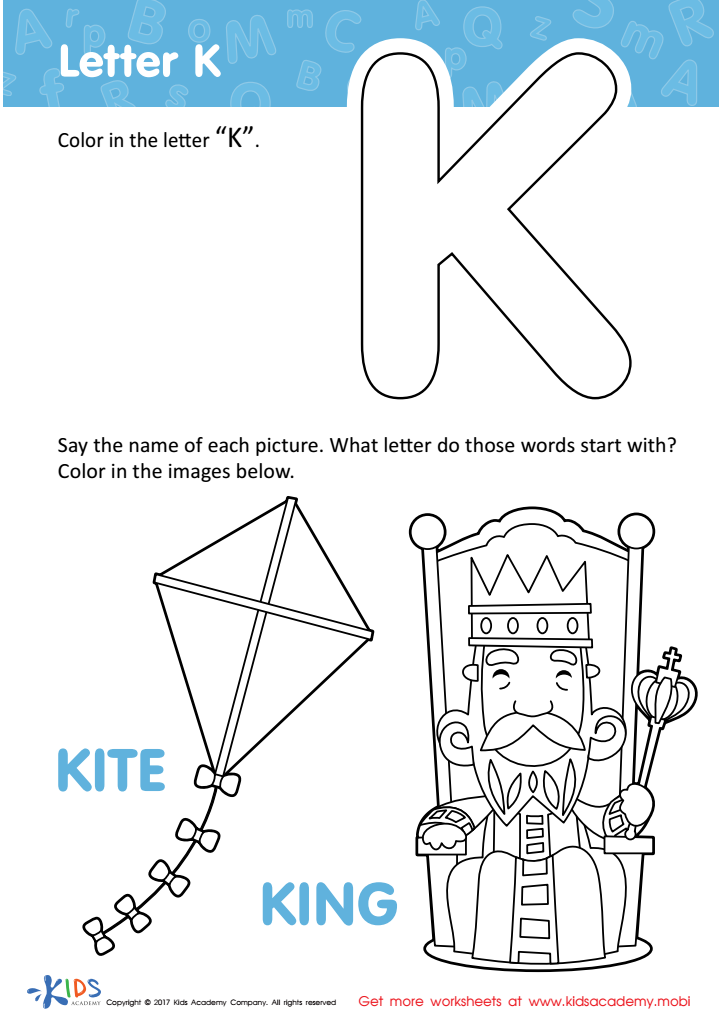
Letter K Coloring Sheet
 Assign to My Students
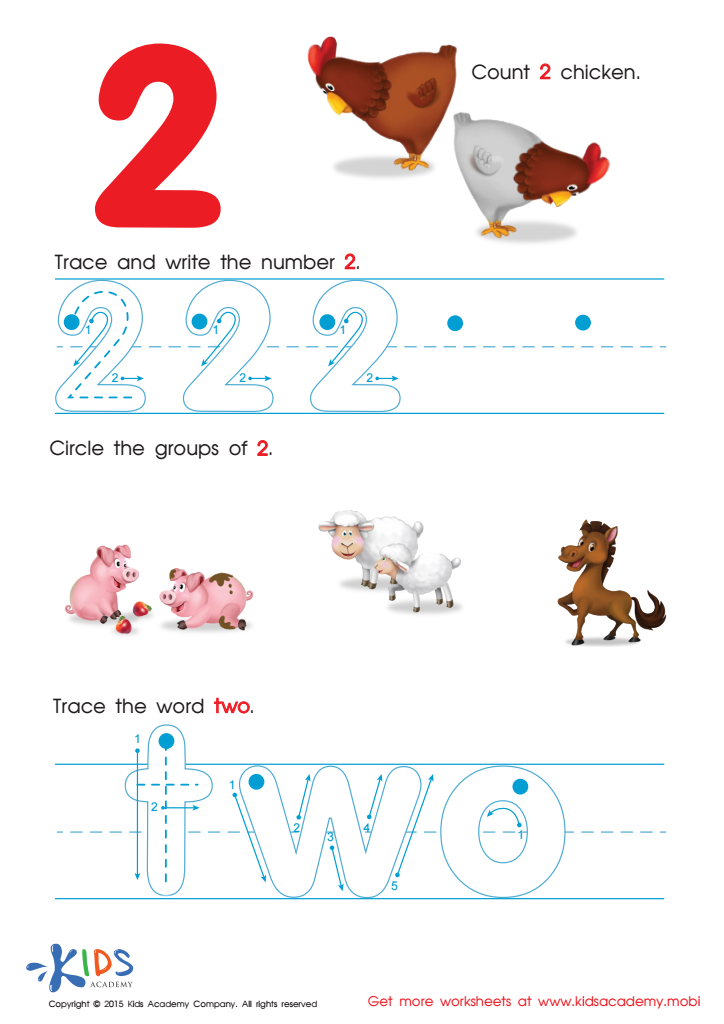
Learn to Write the Number 2 Worksheet
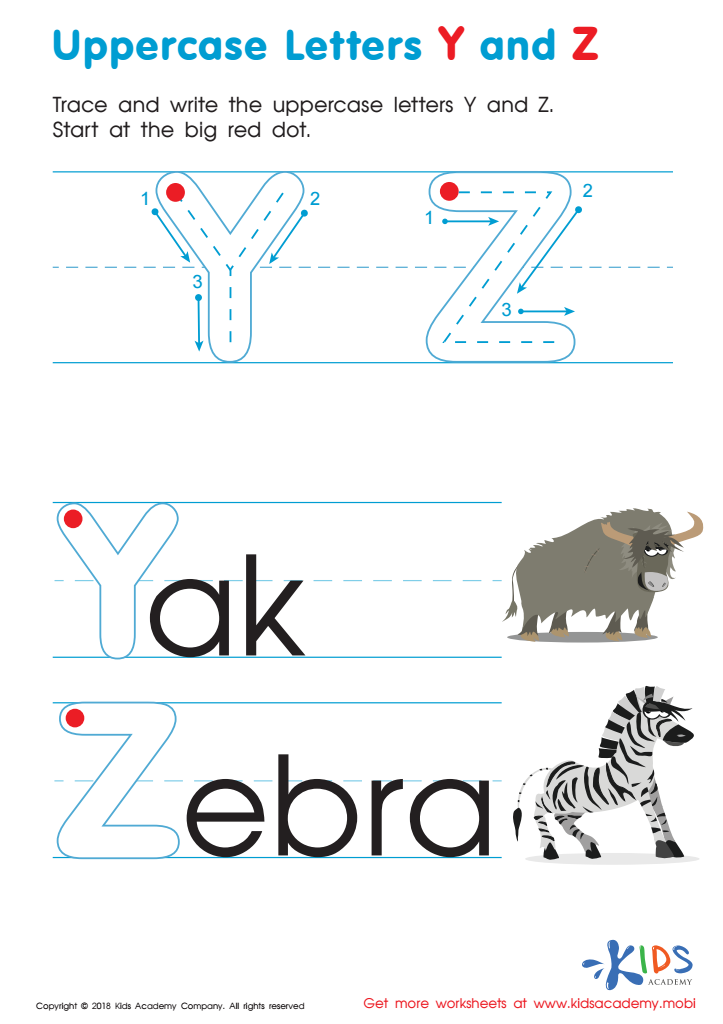
Uppercase Letters Y Z Worksheet
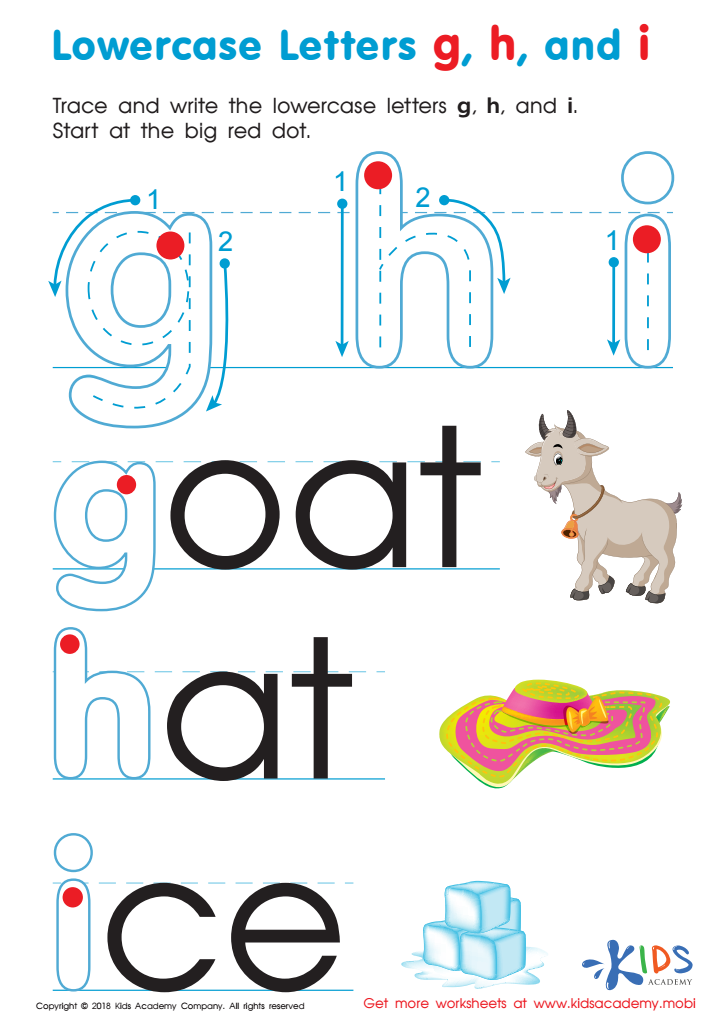
Lowercase Letters g h i Worksheet
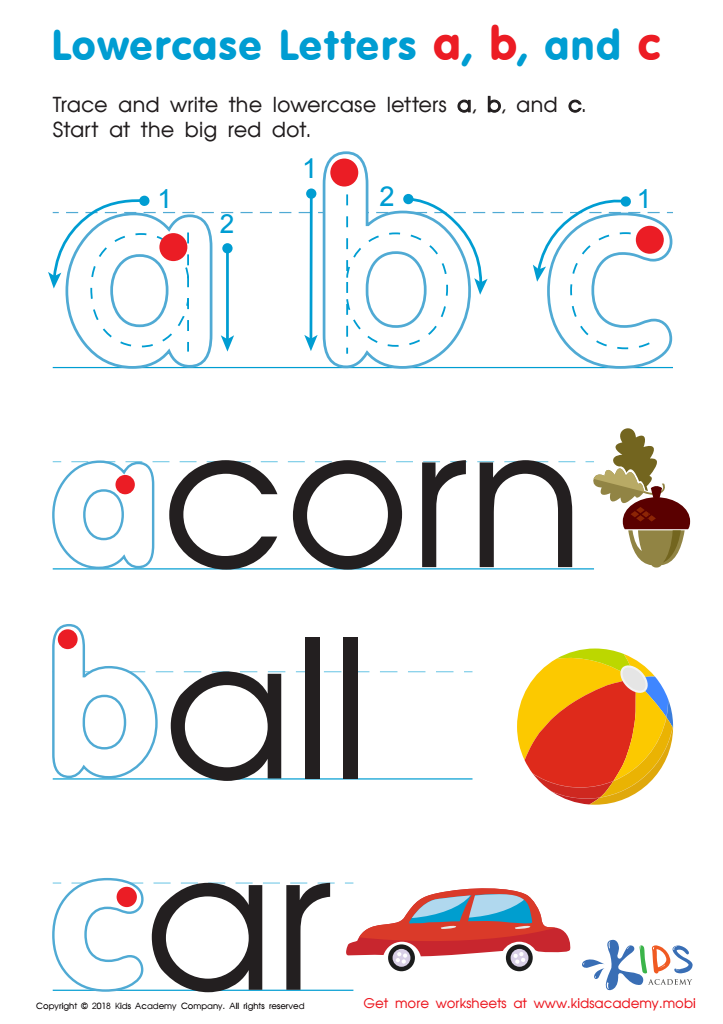
Lowercase Letters a b c Worksheet
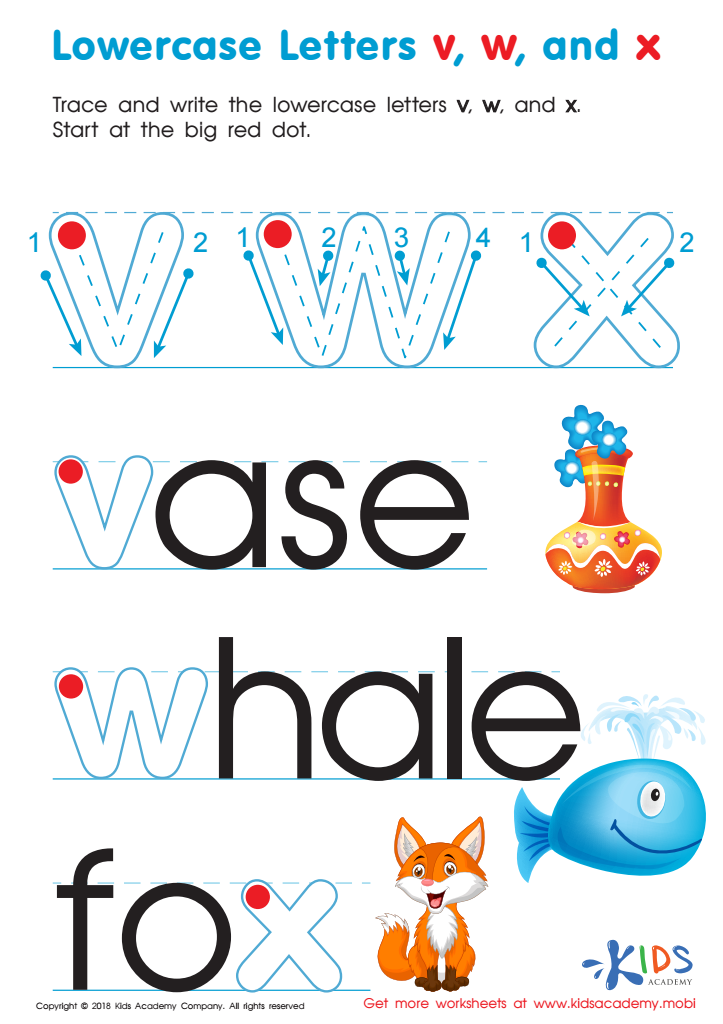
Lowercase Letters v w x Worksheet
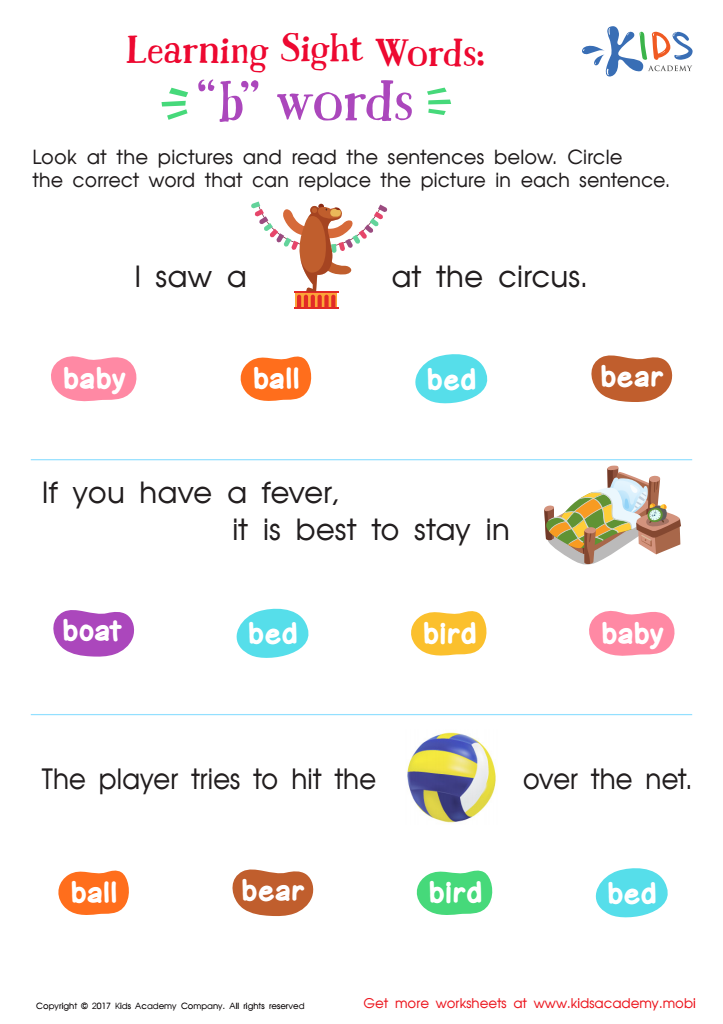
"B" Words Printable Sight Words Worksheet
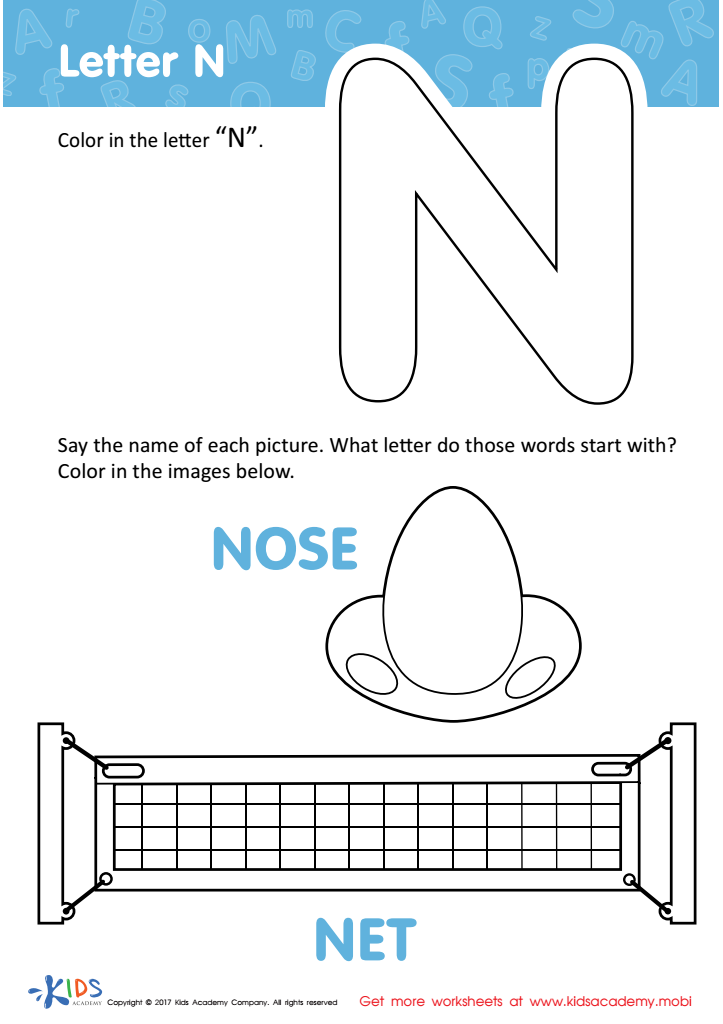
Letter N Coloring Sheet
Assign to My Students
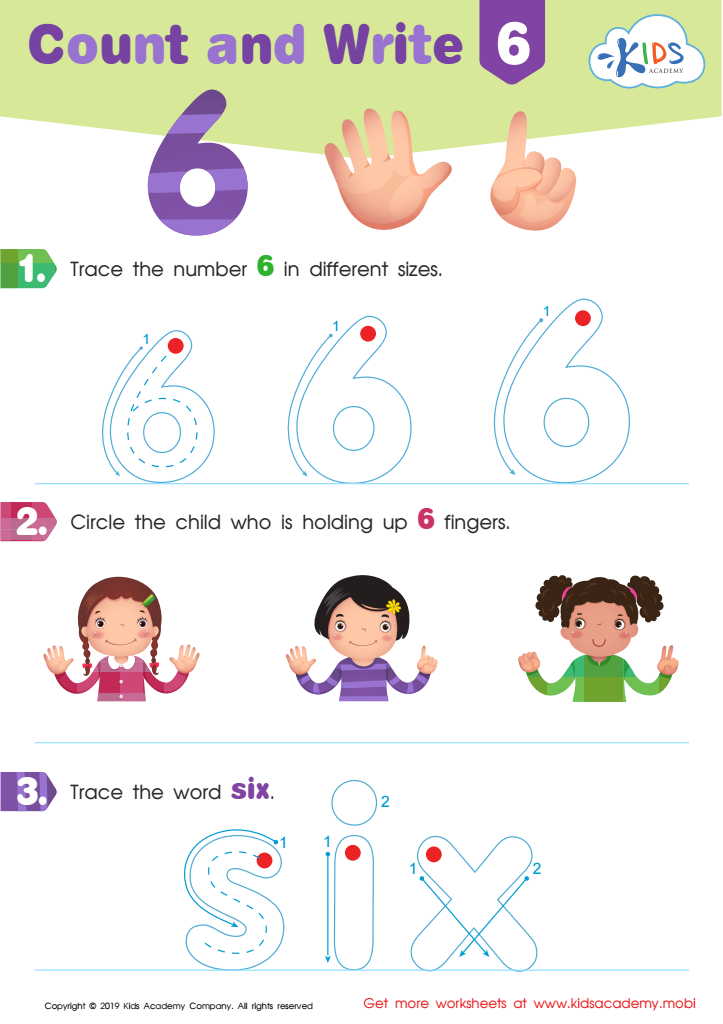
Count and Write 6 Worksheet
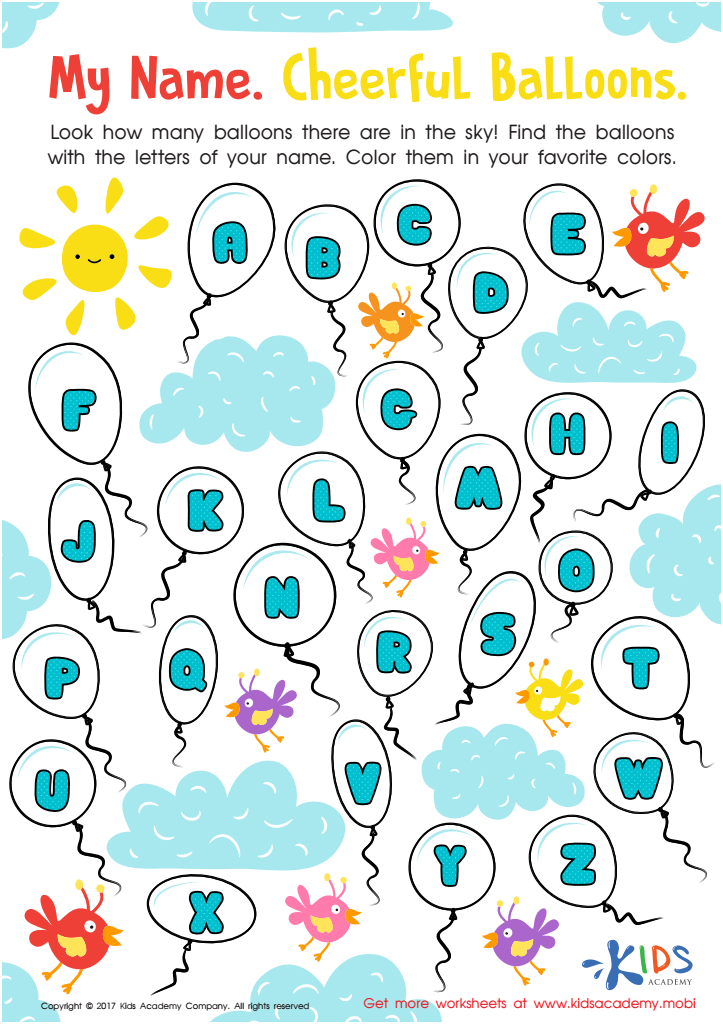
My Name: Cheerful Balloons Worksheet
Assign to My Students
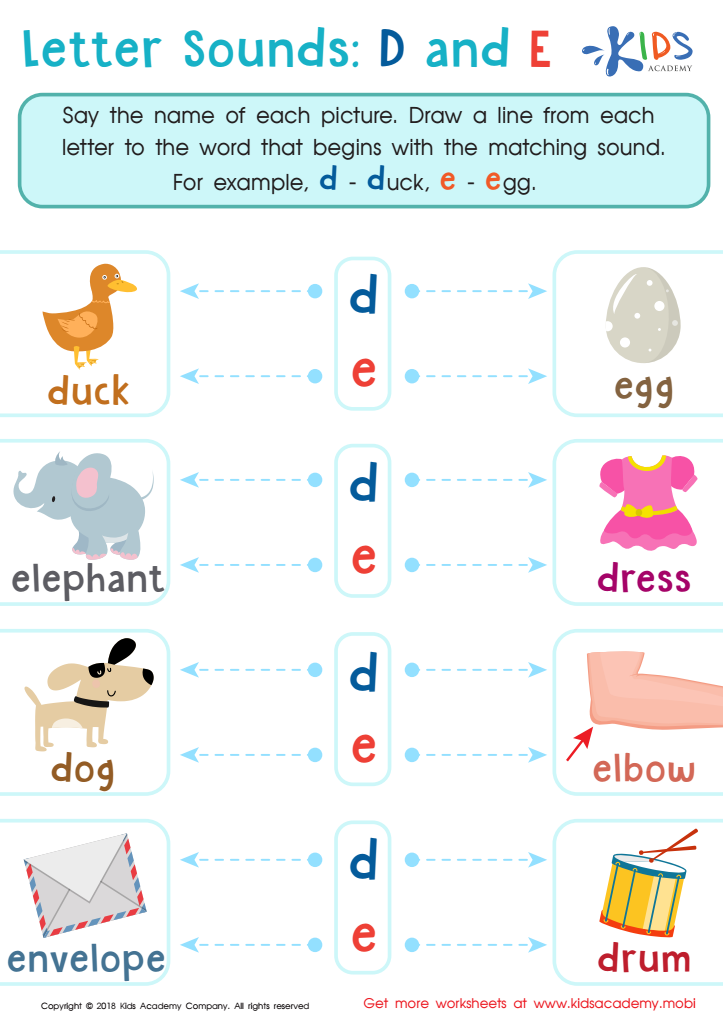
Letter D and E Sounds Worksheet
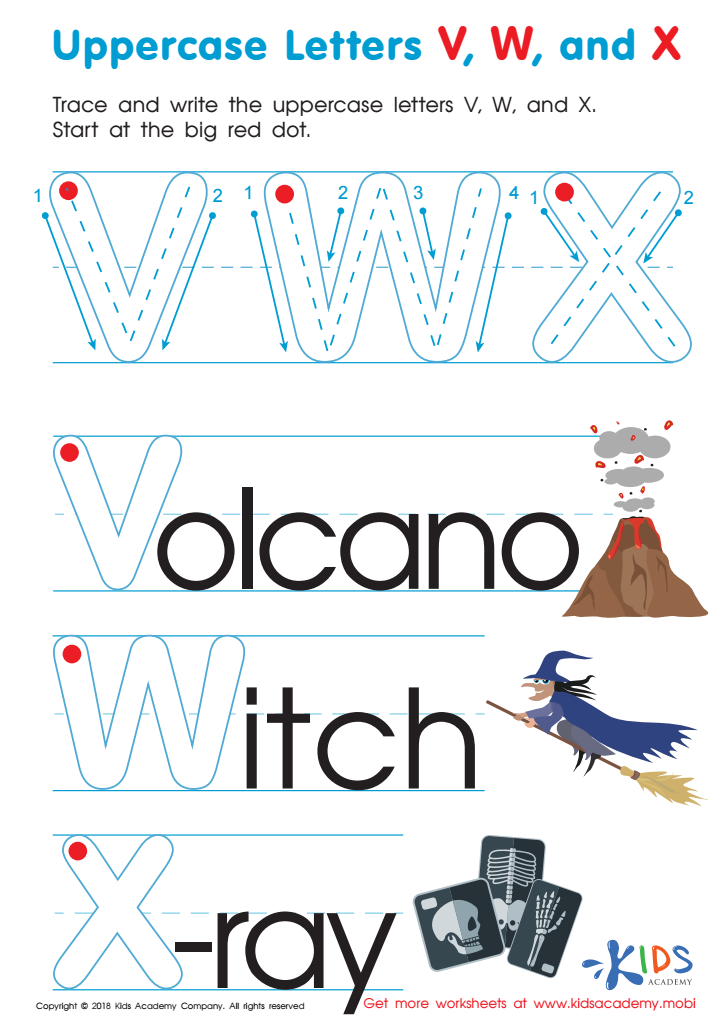
Uppercase Letters V, W, and X Worksheet
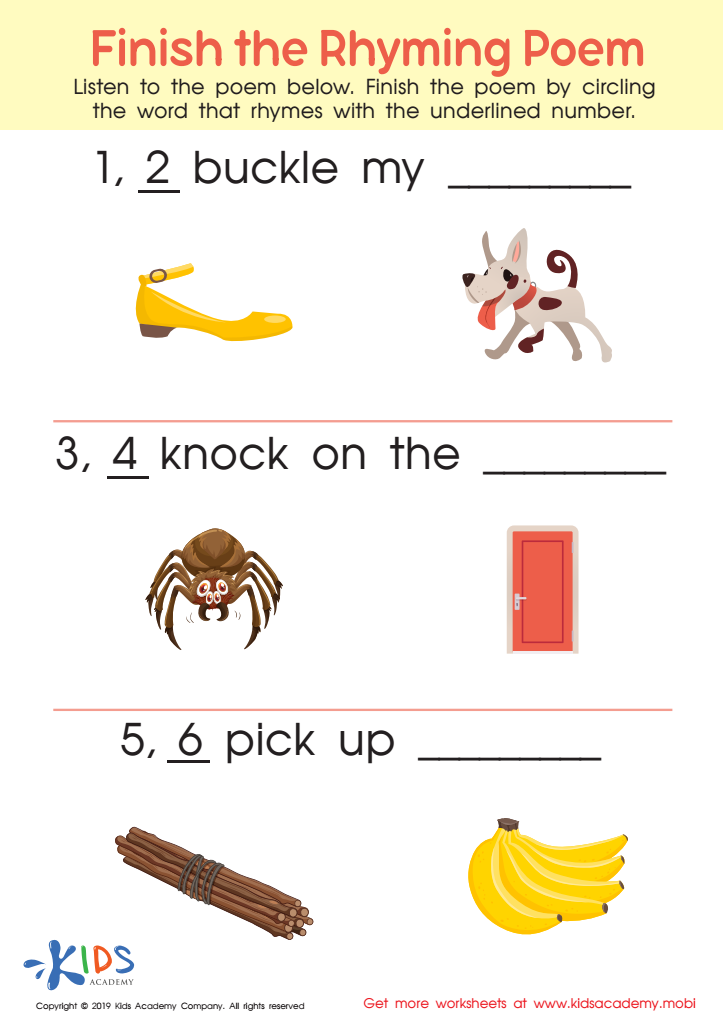
Finish Rhyming Poem Worksheet
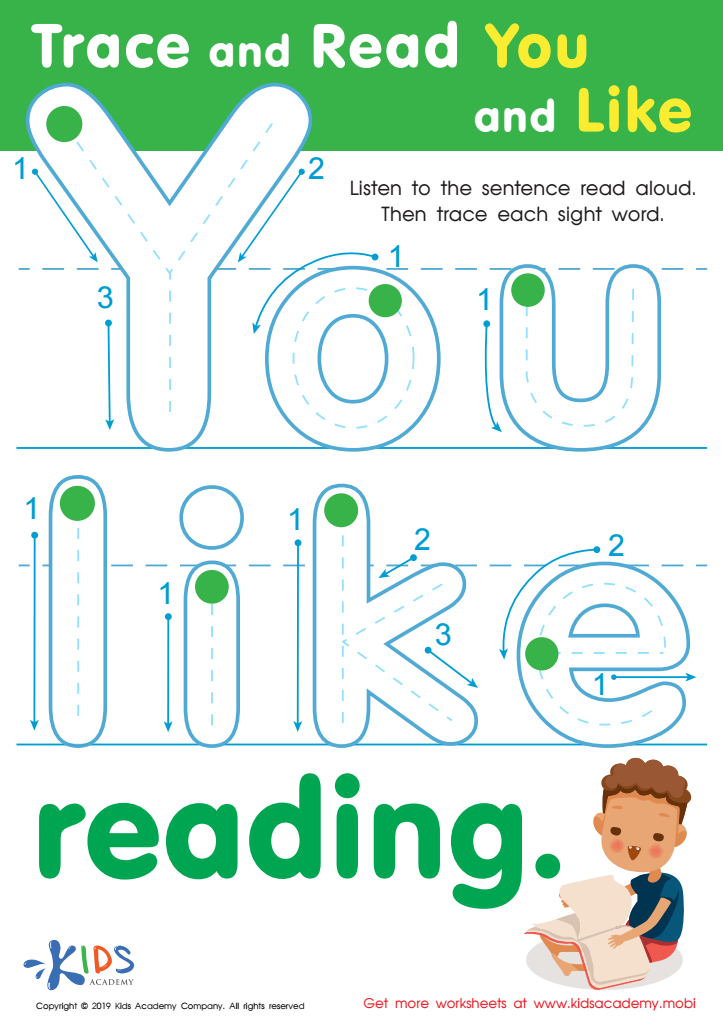
Trace Read You Like Worksheet




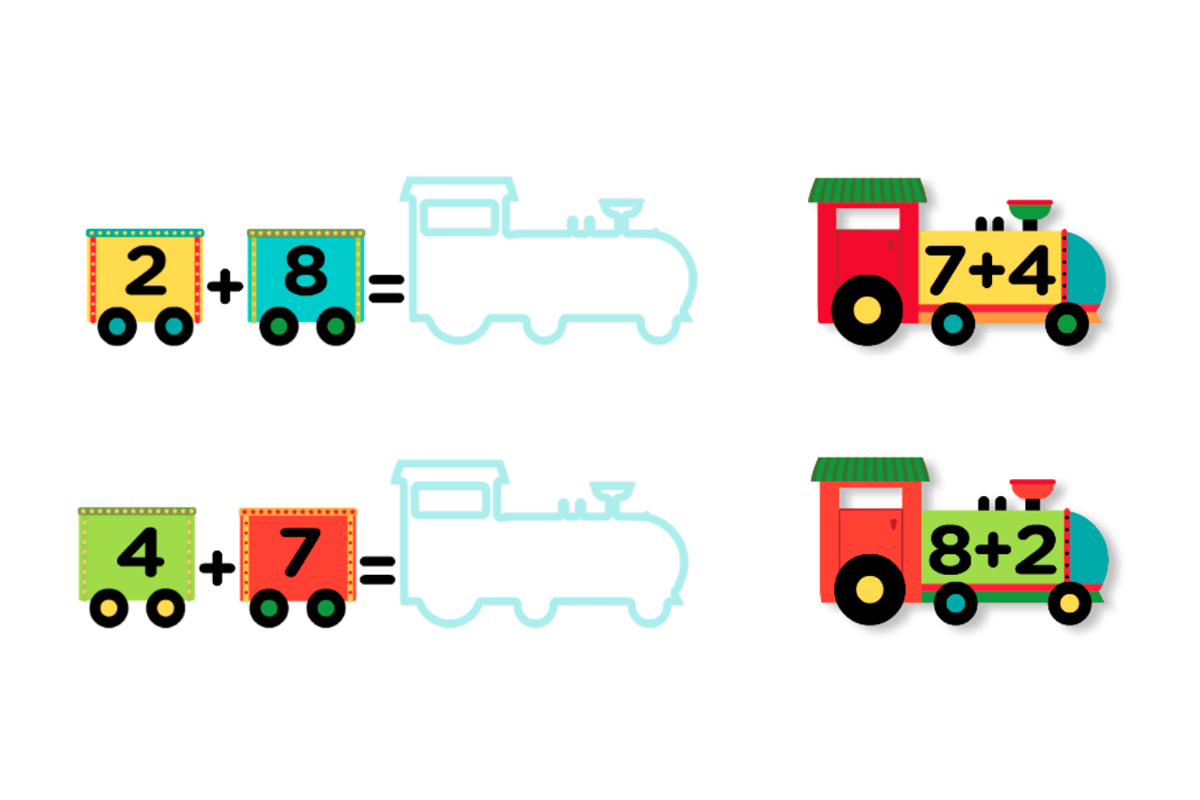



Handwriting practice is essential for children aged 5-7 for multiple reasons, and both parents and teachers play a pivotal role in fostering this skill. During this developmental stage, children are refining their fine motor skills, which are vital for various everyday tasks. Learning to write helps improve hand-eye coordination, dexterity, and the ability to grip a pencil correctly.
Furthermore, handwriting is closely linked to cognitive development. Writing by hand can enhance memory retention and understanding of language, aiding in reading and comprehension skills. When children practice writing letters and words, they engage in a multisensory learning experience that strengthens neural connections in their brains.
Moreover, legible handwriting supports effective communication. As children progress in their education, the ability to express ideas clearly on paper becomes crucial for their academic success. Good handwriting also boosts self-esteem, as children take pride in their ability to create readable work.
Finally, handwriting allows for personal expression and creativity. By encouraging children to write, parents and teachers can help cultivate a love for storytelling, journaling, and sharing thoughts. This foundational skill sets the stage for successful learning and personal expression throughout their academic journey and beyond.








