Identification skills Normal Worksheets for Ages 5-7
8 filtered results
-
From - To
Our Identification Skills Worksheets for ages 5-7 are expertly designed to enhance children's learning through engaging activities. These printables focus on essential skills like recognizing shapes, colors, and patterns, which are foundational for their cognitive development. Each worksheet captures young learners' interests with playful and relatable themes, making the learning process enjoyable. Ideal for both classroom and home use, these activities also help improve attention to detail and critical thinking. Boost your child’s abilities in a fun and structured way, preparing them for more advanced educational challenges ahead with our comprehensive identification skills worksheets.
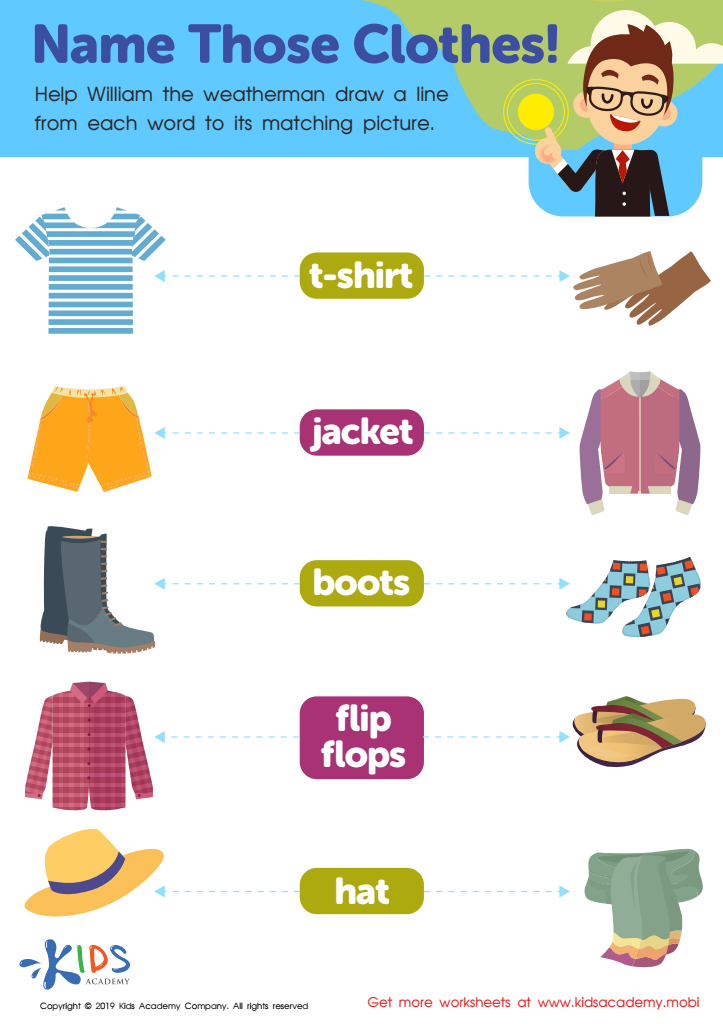
Name Those Clothes Worksheet
 Assign to My Students
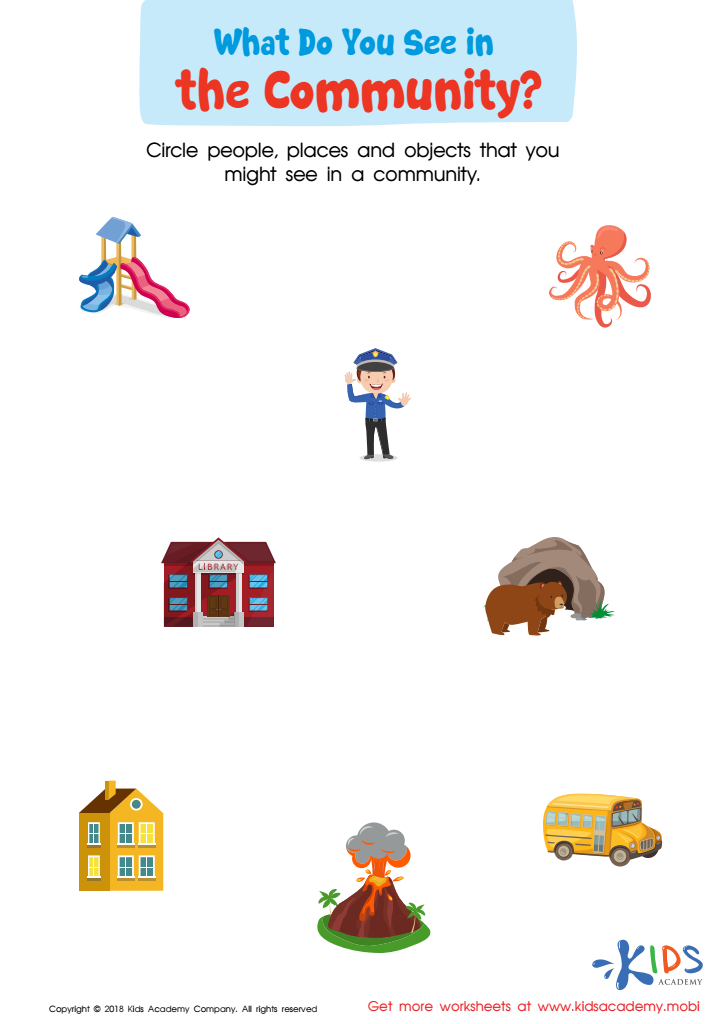
What Do You See in the Community Worksheet
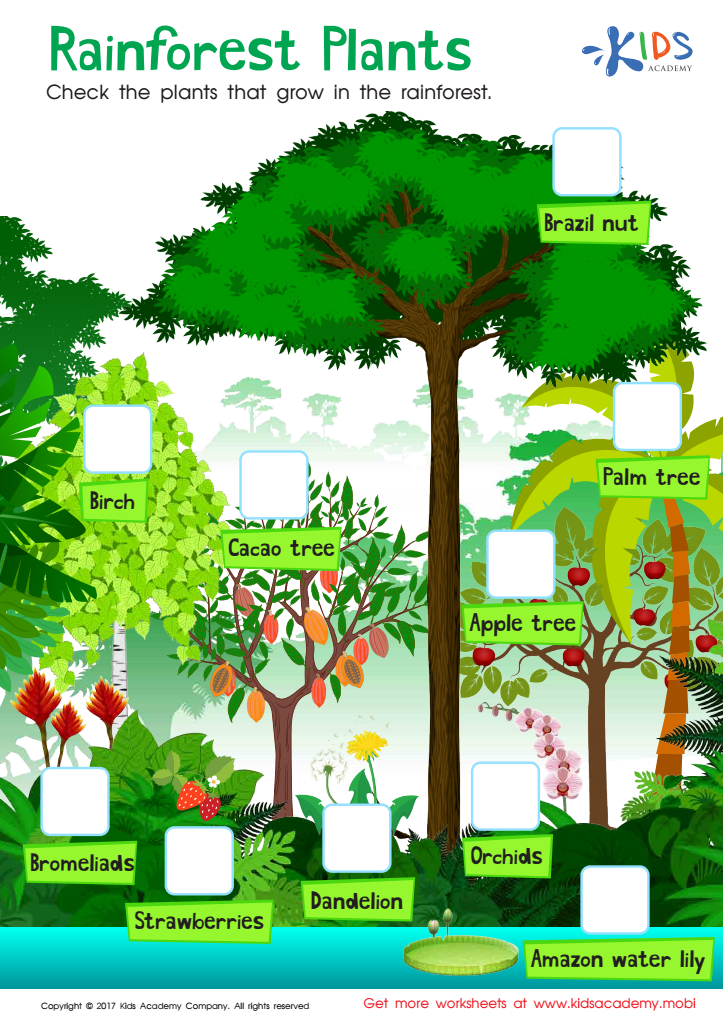
Rainforest Plants Worksheet
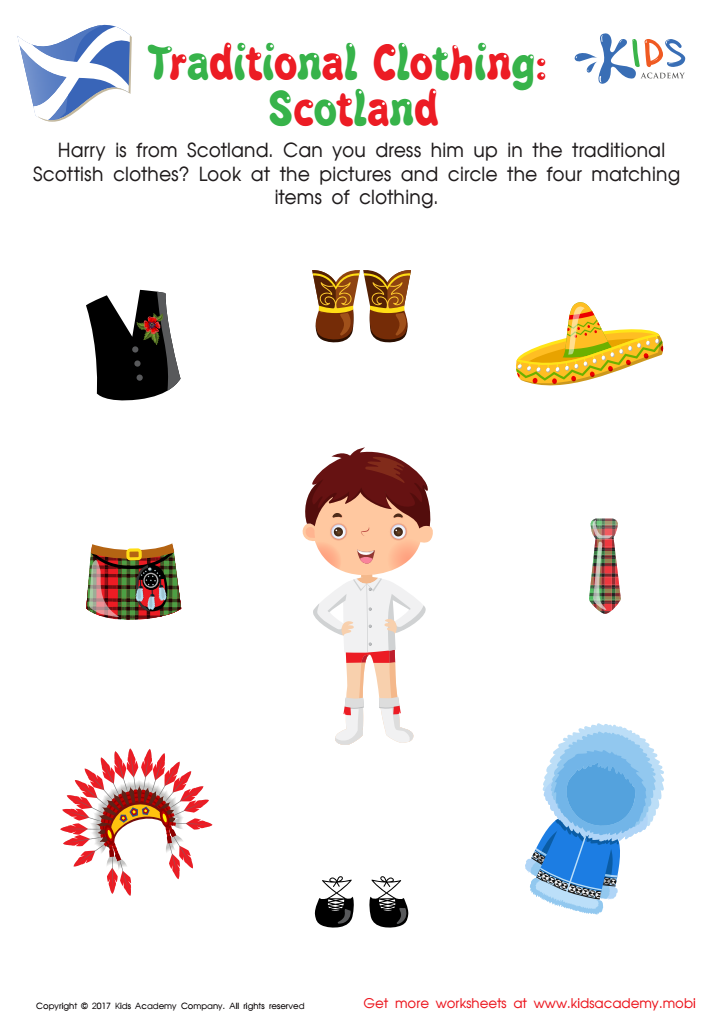
Traditional Clothing in Scotland Worksheet
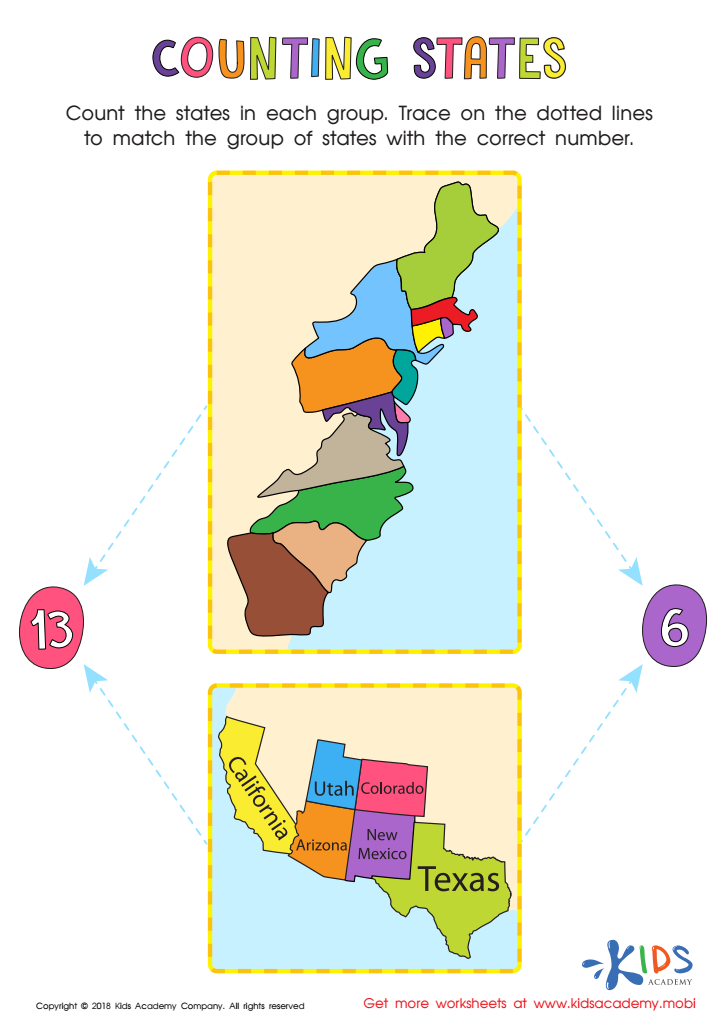
Counting States Worksheet
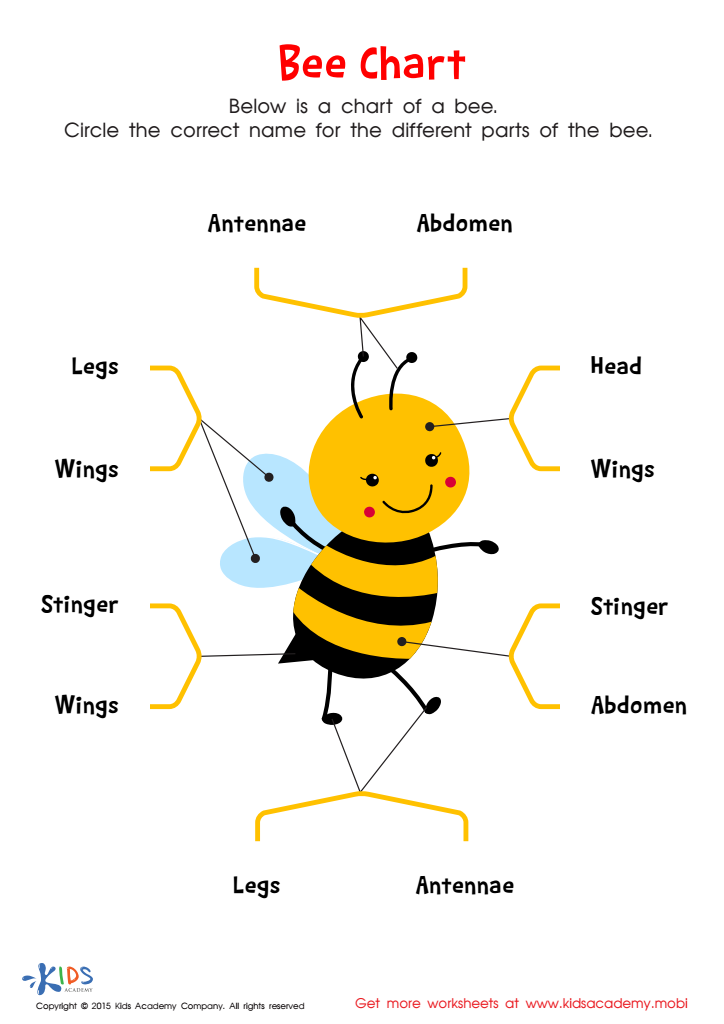
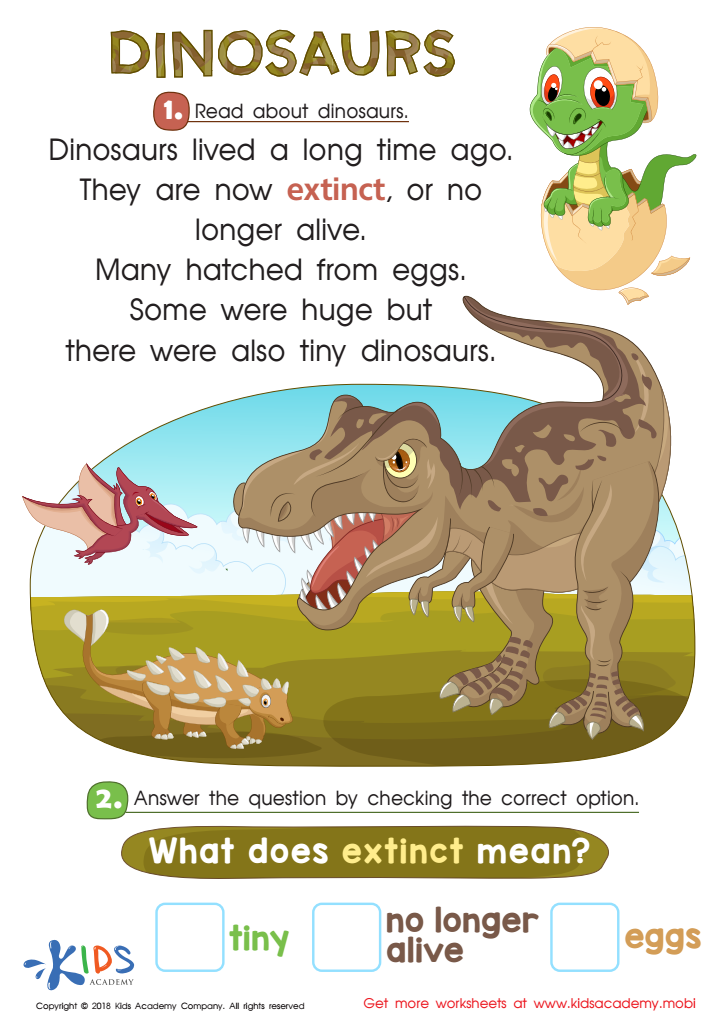
Dinosaurs Worksheet
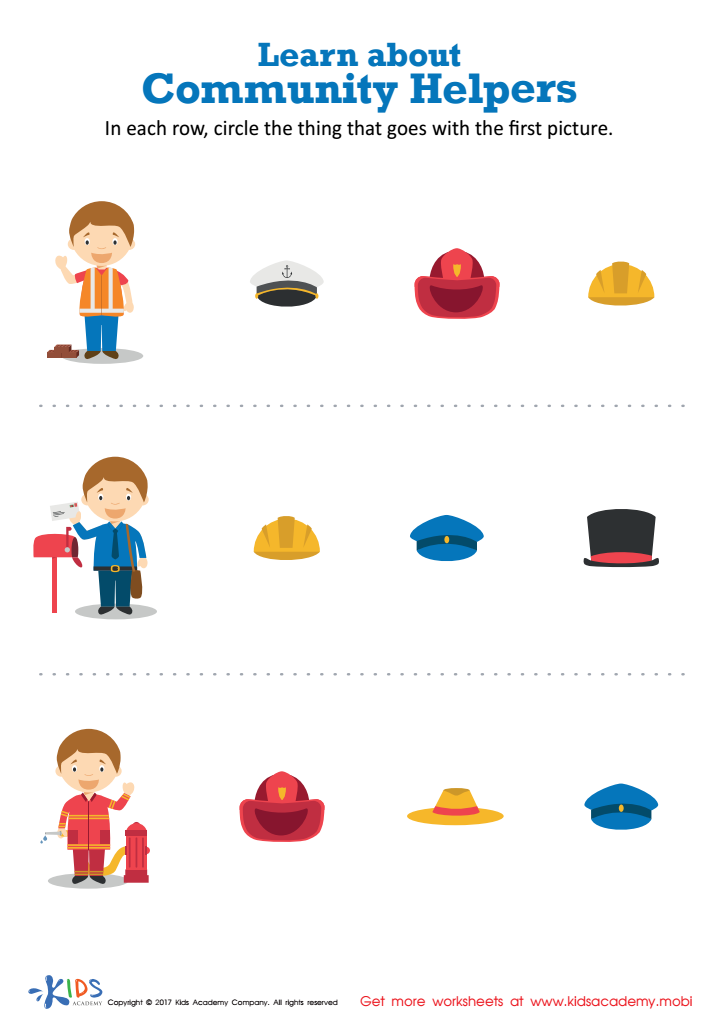
Learn about Community Helpers Printable




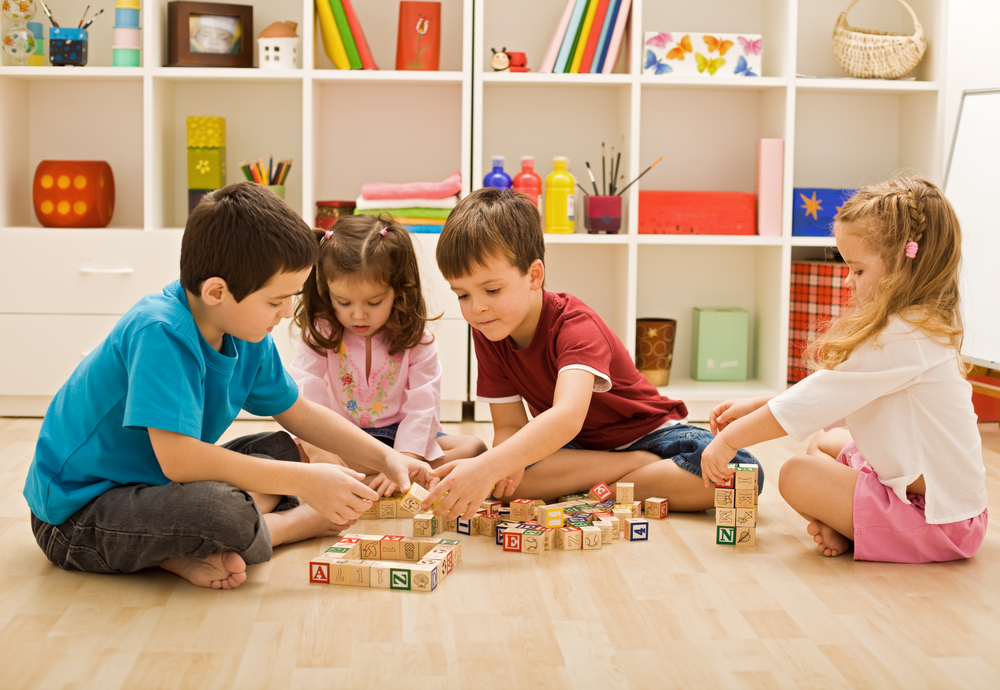



Identification skills are vital for children aged 5-7 as they serve as foundational tools for academic and personal growth. When children accurately recognize numbers, letters, shapes, colors, and objects, it enhances their ability to follow instructions, participate in activities, and problem-solve effectively, creating a strong groundwork for more complex skills such as reading, writing, and math.
For parents, nurturing identification skills at home through play-based learning or daily routines can significantly bolster children’s confidence and curiosity. Simple activities like naming groceries, playing matching games, or identifying colors in nature make learning enjoyable and embedded in real-life contexts.
Teachers, on the other hand, should incorporate varied identification exercises in classroom settings to cater to diverse learning styles. When children are proficient in these early tasks, they are readily prepared to absorb more advanced curricula. Positive early experiences with identification also promote a love for learning and reduce frustration, ensuring that they are not falling behind academically.
Furthermore, strong identification skills foster social interactions and independence, as children who can effectively identify and articulate their environment are better equipped to communicate and navigate both structured classrooms and informal settings. Essentially, these skills establish a crucial link to future educational success and holistic development.








