Interpreting data Normal Worksheets for Ages 5-7
3 filtered results
-
From - To
Boost your little one's data interpretation skills with our engaging Normal Worksheets designed specifically for ages 5-7! These interactive resources introduce young learners to essential concepts such as comparison, trends, and categorization through fun activities and colorful visuals. Each worksheet is crafted to enhance critical thinking and analytical skills while making learning enjoyable. Your child will love exploring data through age-appropriate exercises that encourage curiosity and problem-solving. Perfect for home or classroom use, our worksheets help lay a solid foundation in interpreting data, making it an integral part of their education journey. Unlock the world of data with these exciting learning tools!
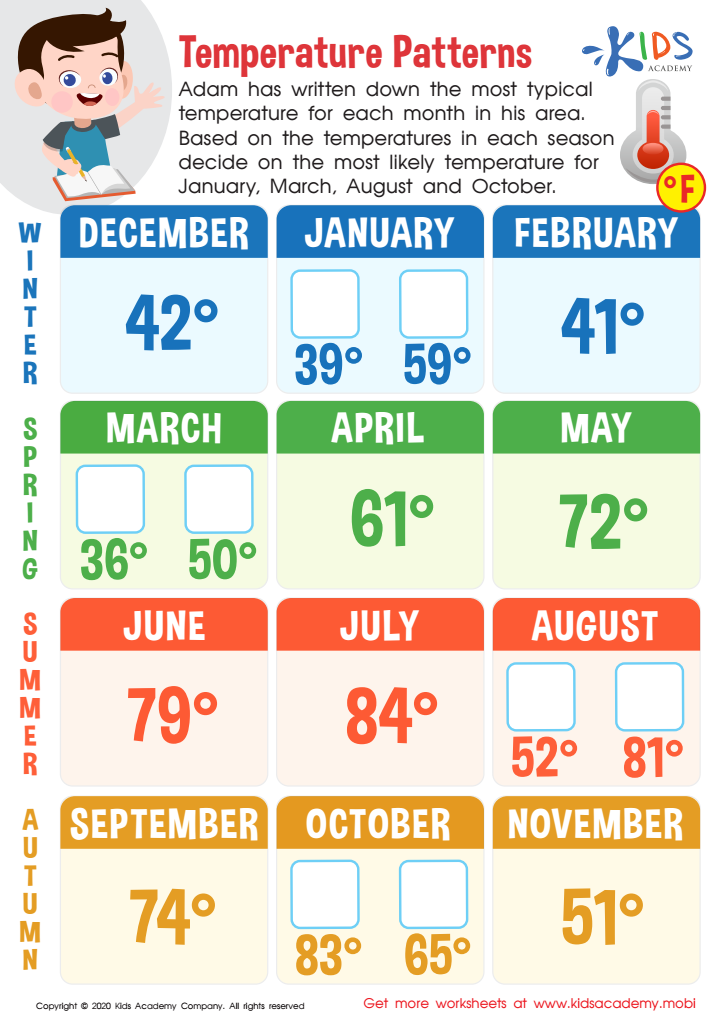
Temperature Patterns Worksheet
 Assign to My Students
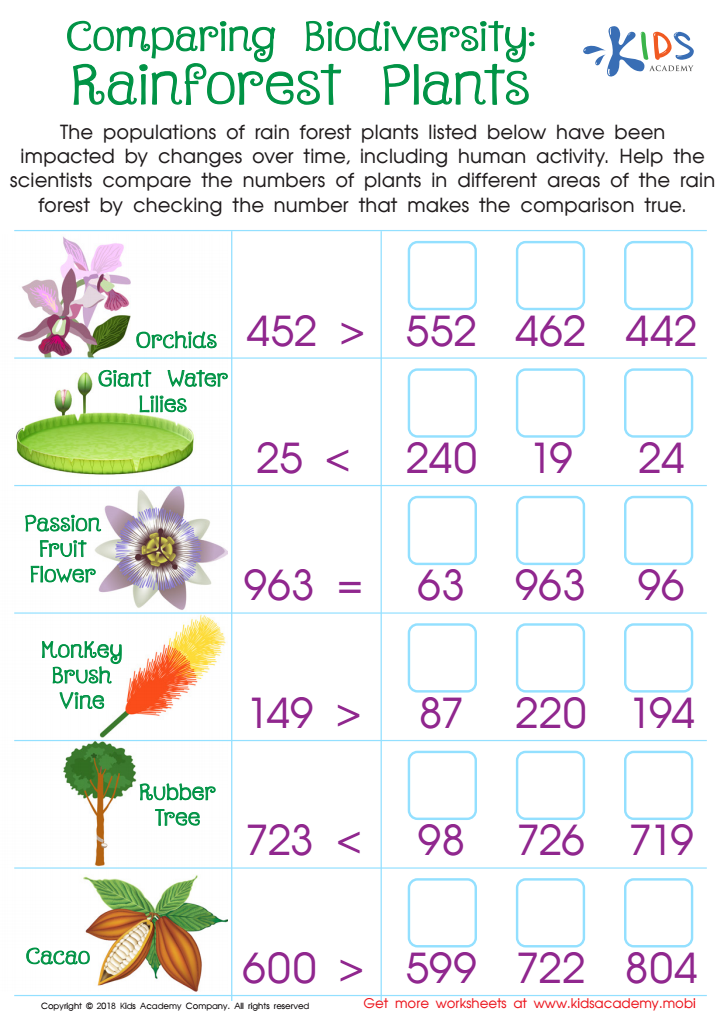
Comparing Biodiversity: Rainforest Plants Worksheet
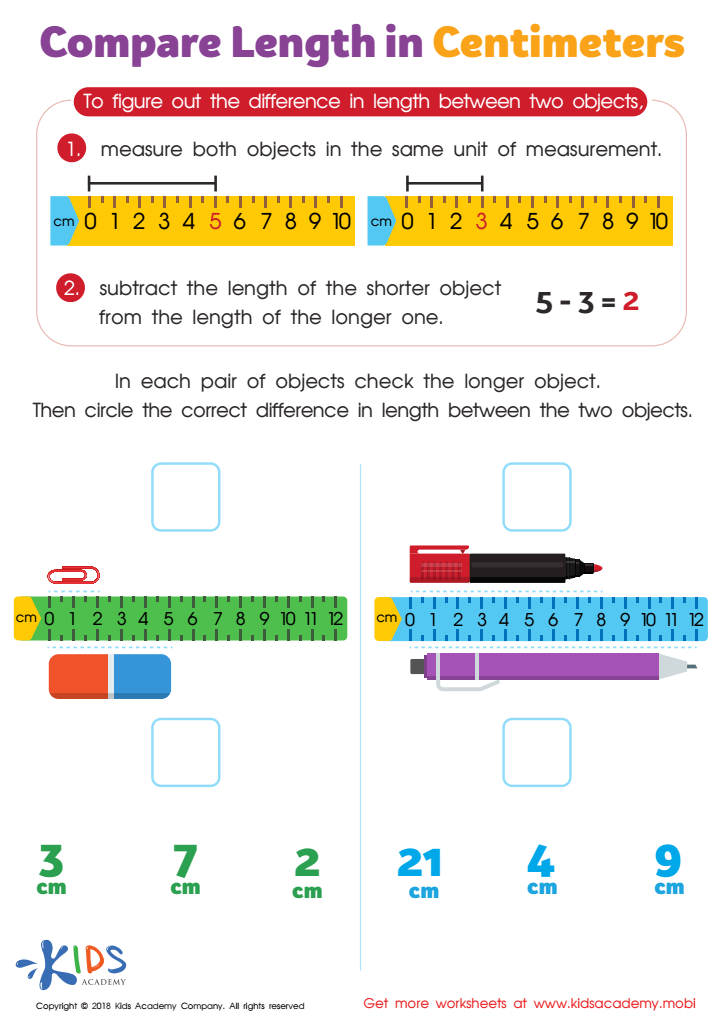
Compare Length in Centimeters Worksheet






Interpreting data is crucial for parents and teachers of children aged 5-7 because it provides a clearer understanding of a child's learning process and development. At this early age, children are building foundational skills in literacy, numeracy, and critical thinking, and tracking their progress through data helps to identify strengths as well as areas that may need support.
When educators collect and analyze data—such as assessment scores, classroom participation, and learning behaviors—they can tailor instruction to meet the diverse needs of young learners. This personalized approach fosters a positive learning environment, encouraging children to engage more deeply with their education.
For parents, being involved in the data interpretation process empowers them to support their child's learning at home. They can better understand their child’s challenges and achievements, facilitating targeted reinforcement and encouragement.
Moreover, understanding data trends over time can help both parents and teachers make informed decisions about educational strategies, interventions, or enrichment opportunities. By prioritizing data interpretation, adults can effectively collaborate, ensuring that children receive the guidance they need to thrive academically and socially during these formative years.








