Letter recognition Normal Worksheets for Ages 5-7 - Page 2
67 filtered results
-
From - To
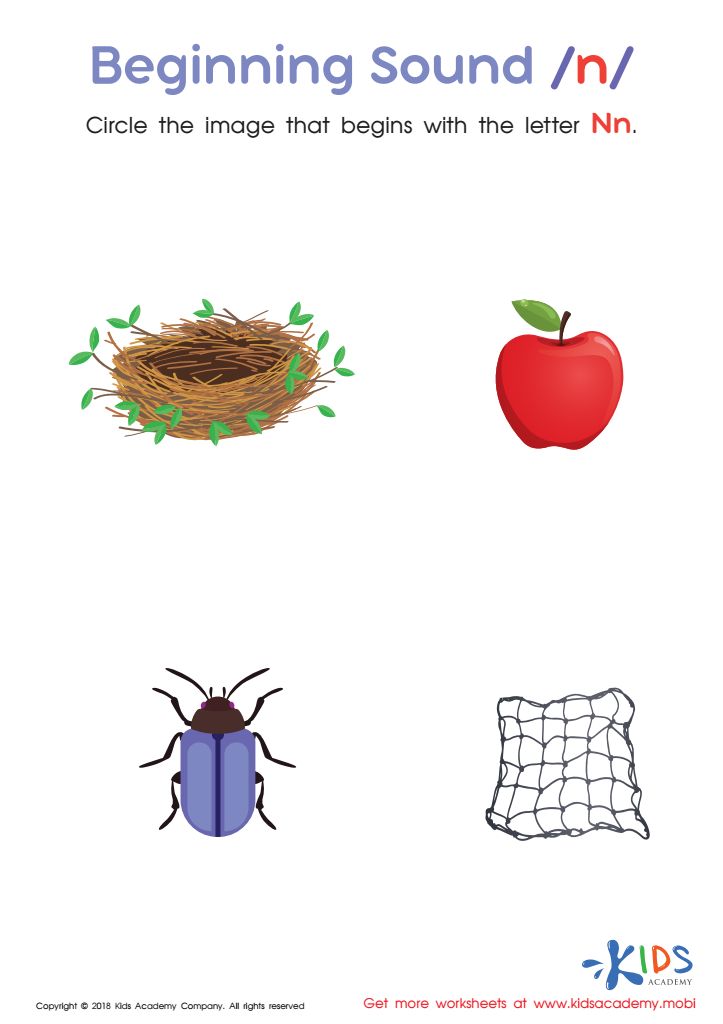
Beginning Sound «n» Worksheet
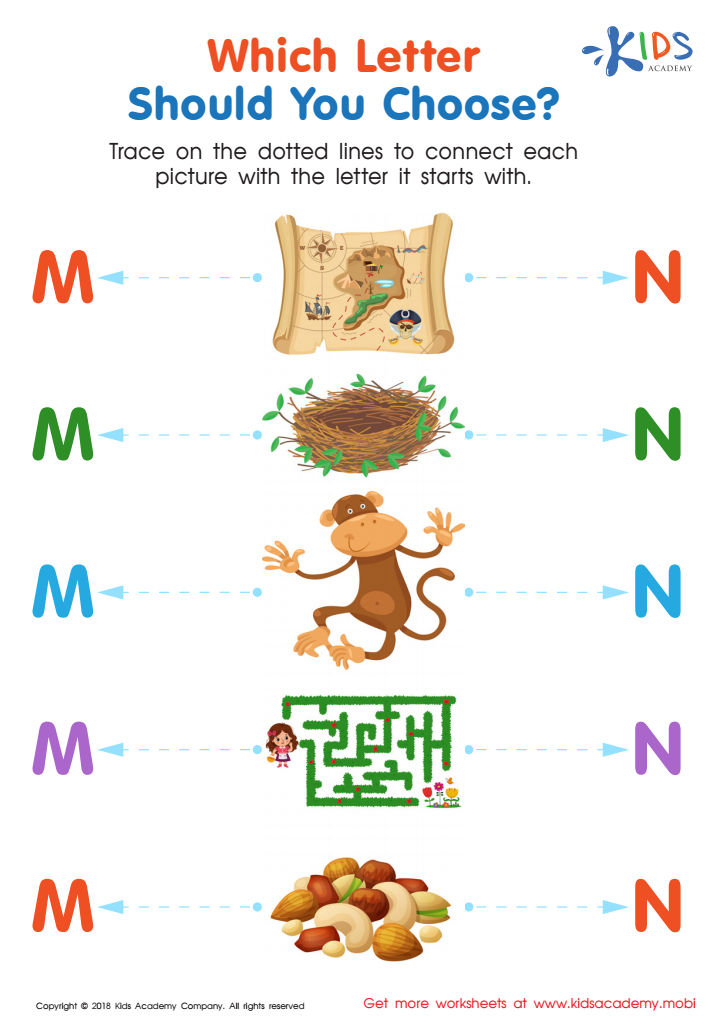
Which Letter Should you Choose? Worksheet
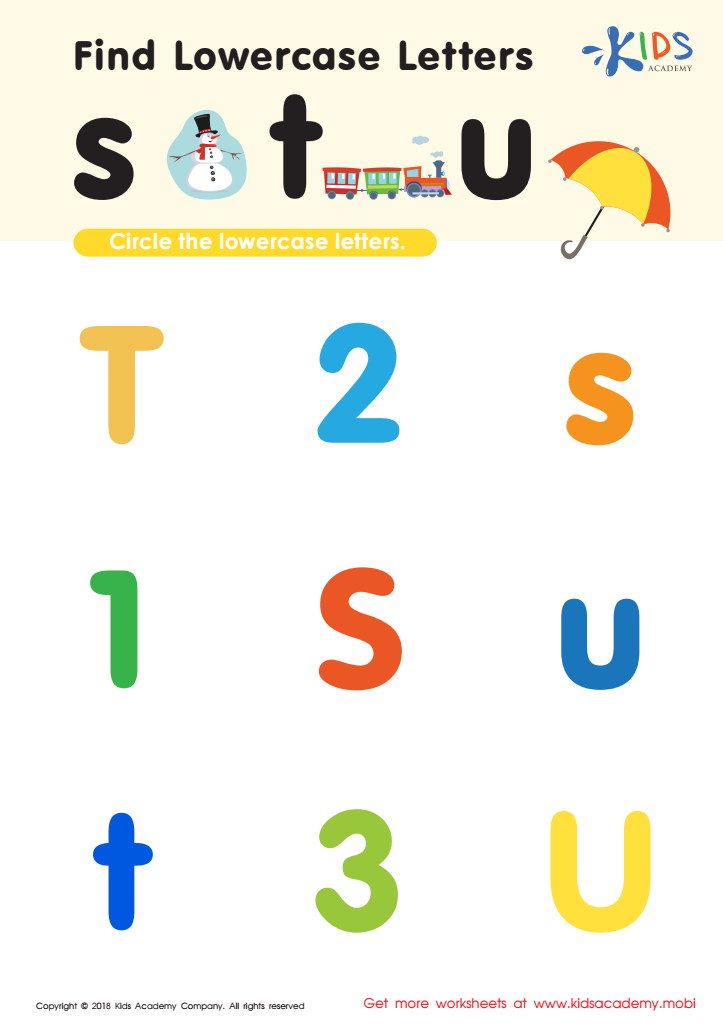
Find lowercase Letters s t u Worksheet

Letter G Tracing Page
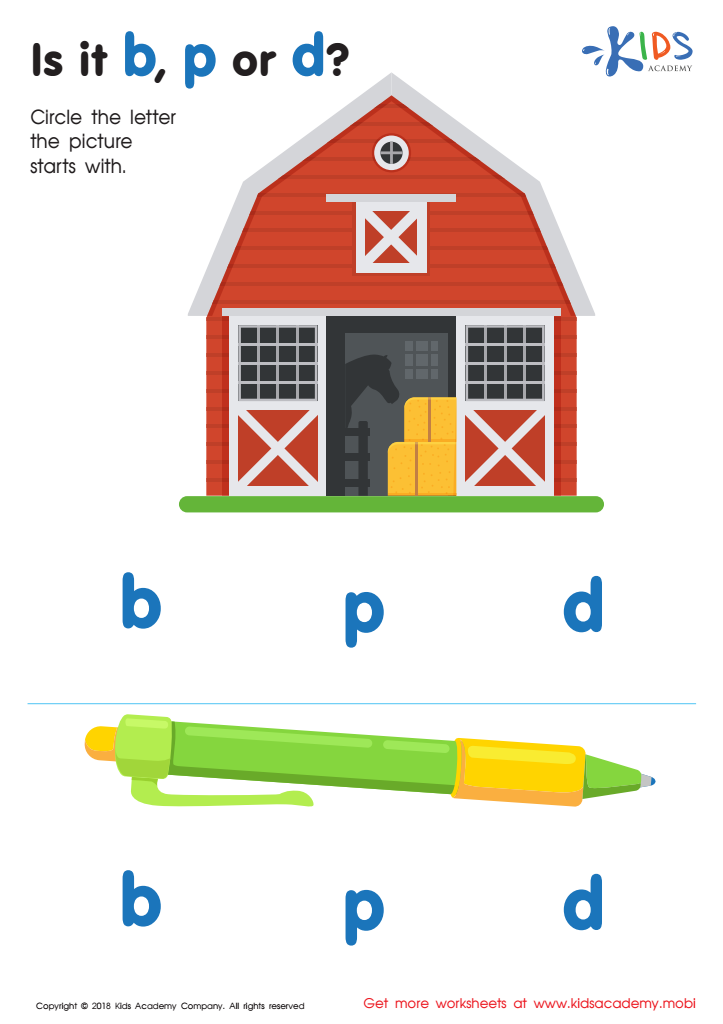
Is it b, p or d? Worksheet
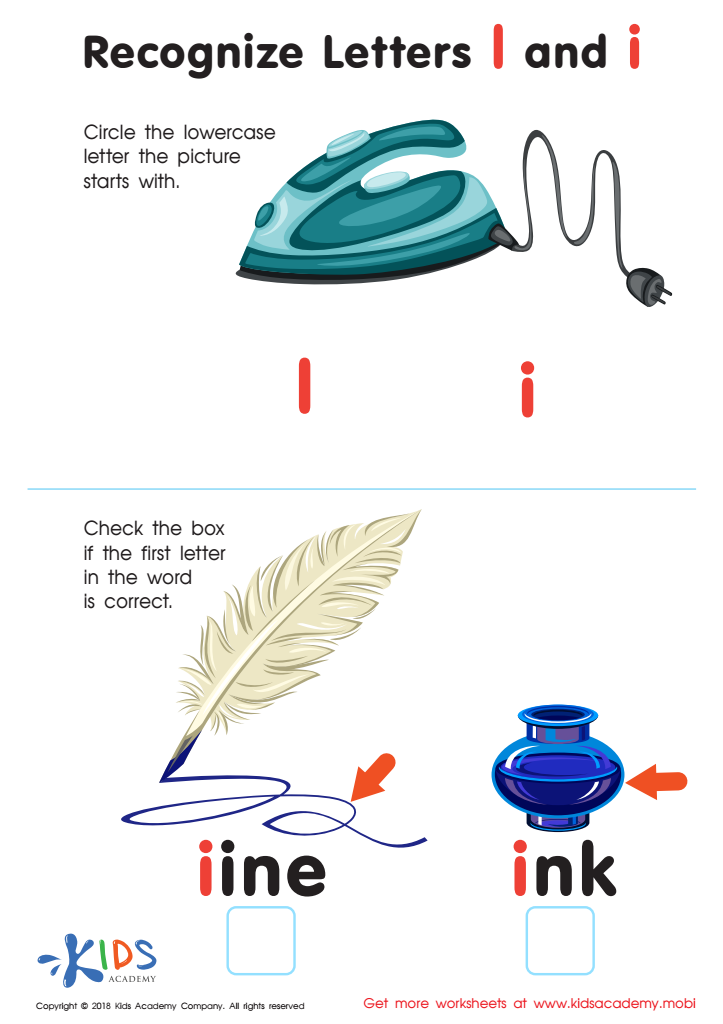
Recognize Letters l and i Worksheet
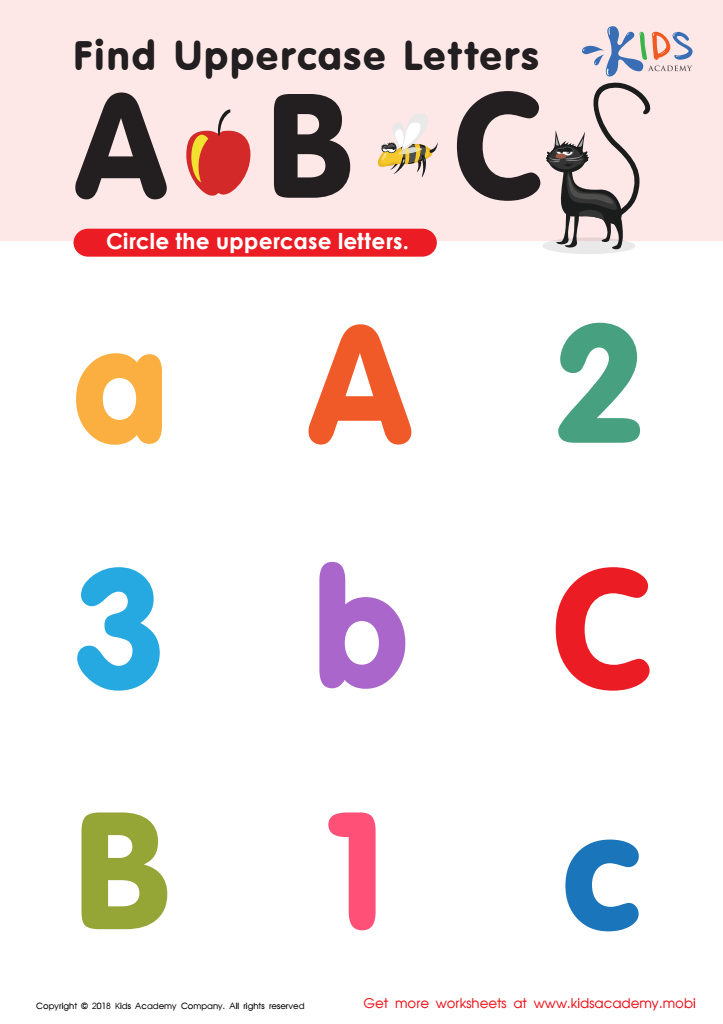
Find Uppercase Letters A, B, and C Worksheet
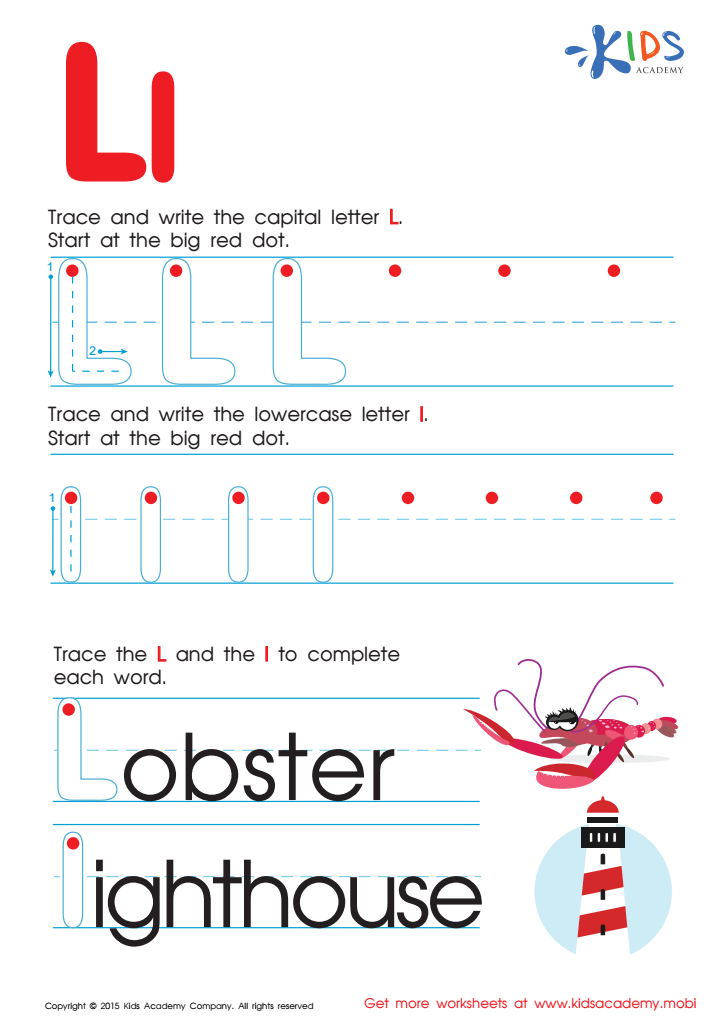
Letter L Tracing Page
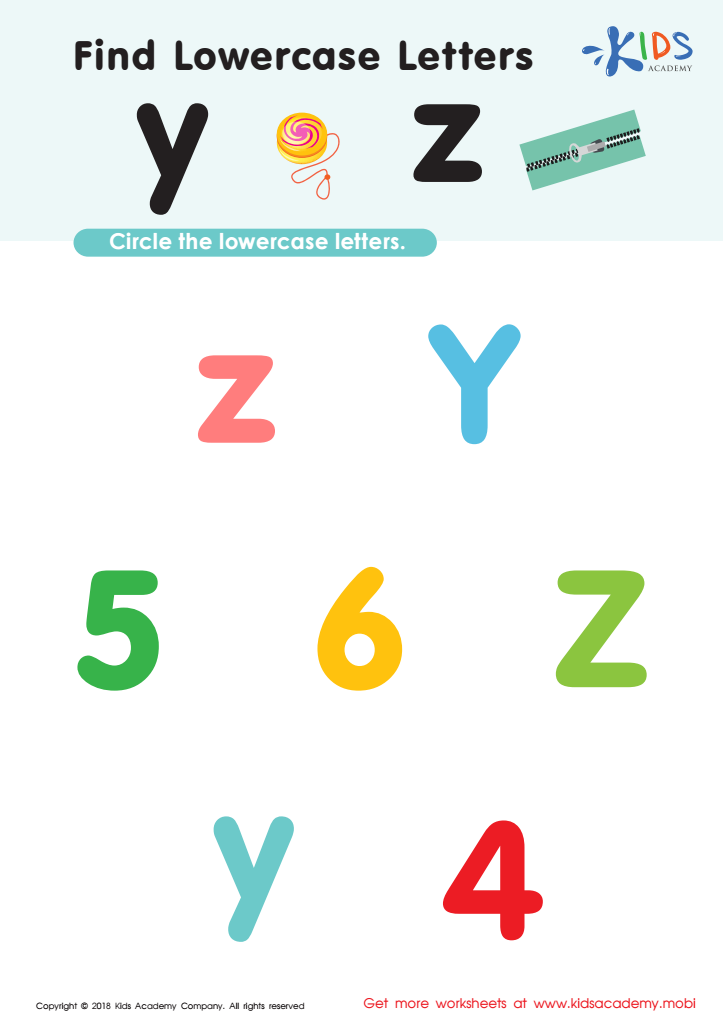
Find Lowercase Letters y z Worksheet
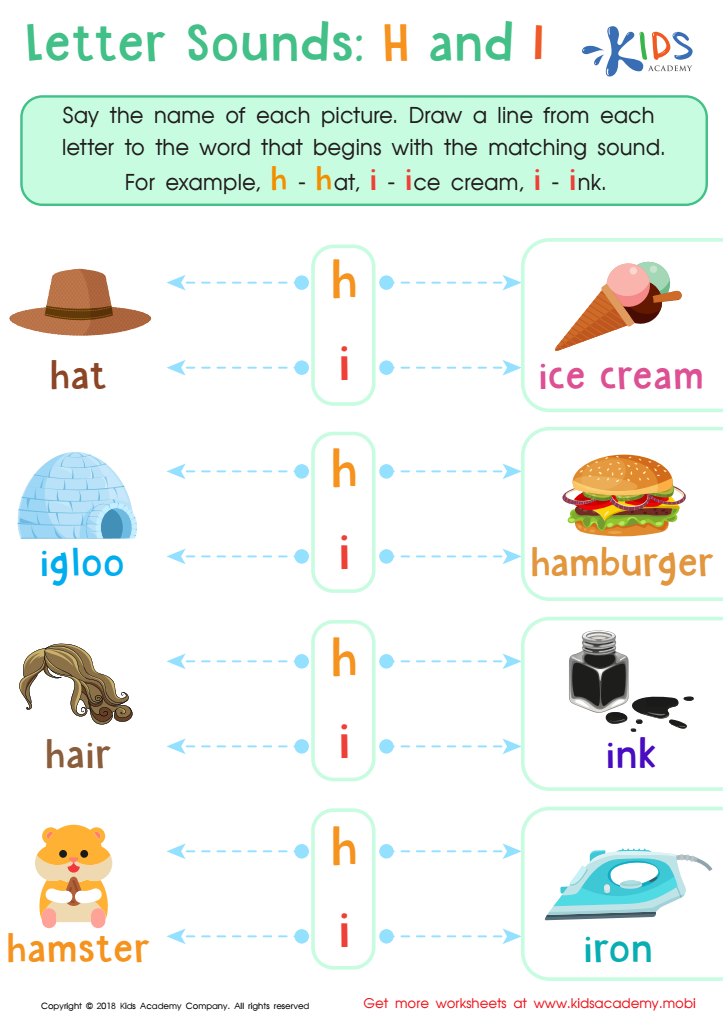
Letter H and I Sounds Worksheet
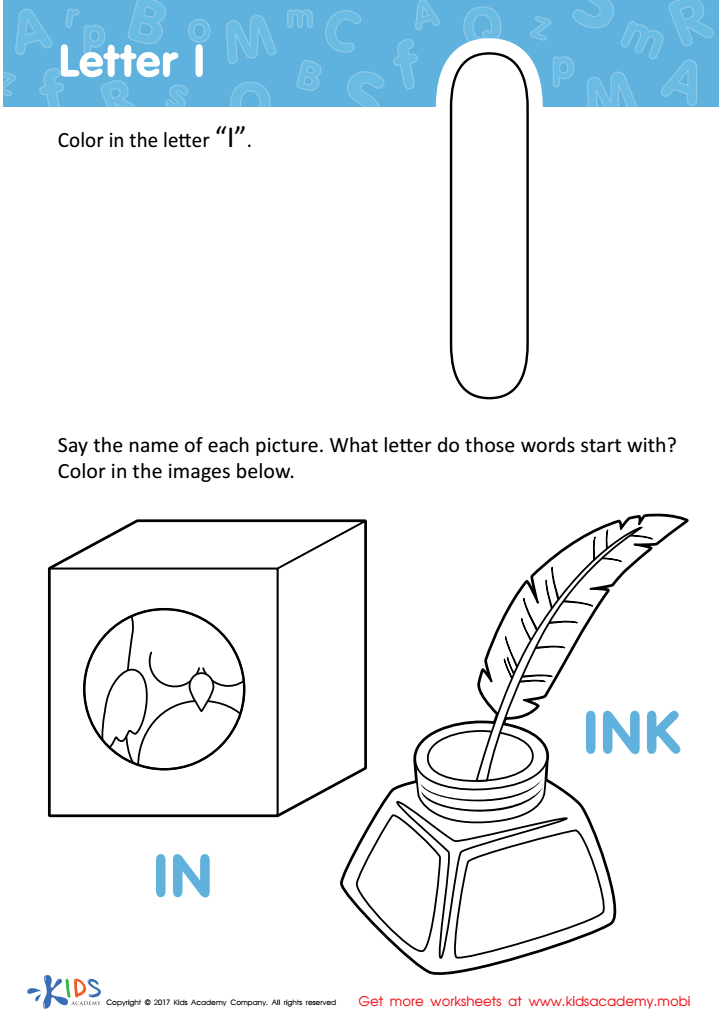
Letter I Coloring Sheet
 Assign to My Students

Long and Short U Worksheet
Assign to My Students
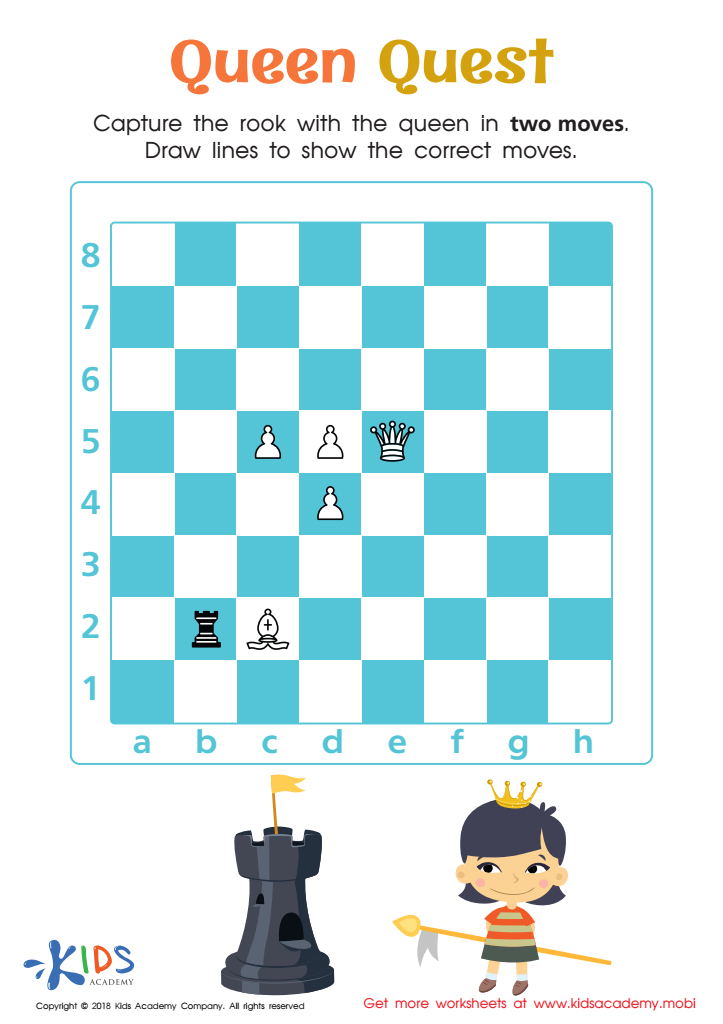
Queen Quest Worksheet
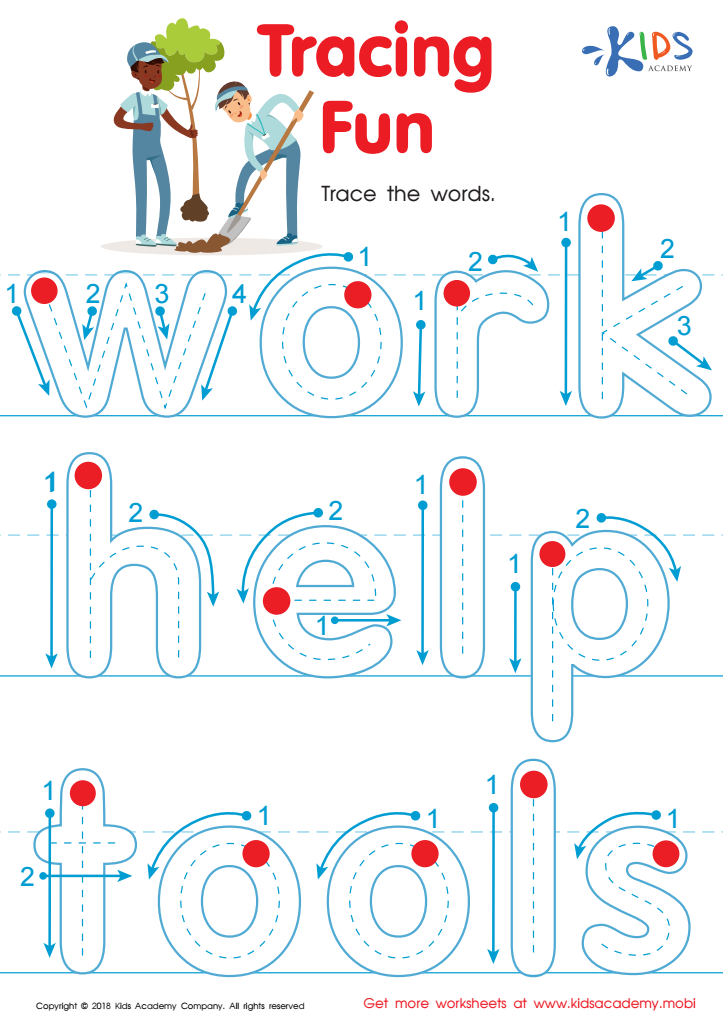
Tracing Fun Worksheet
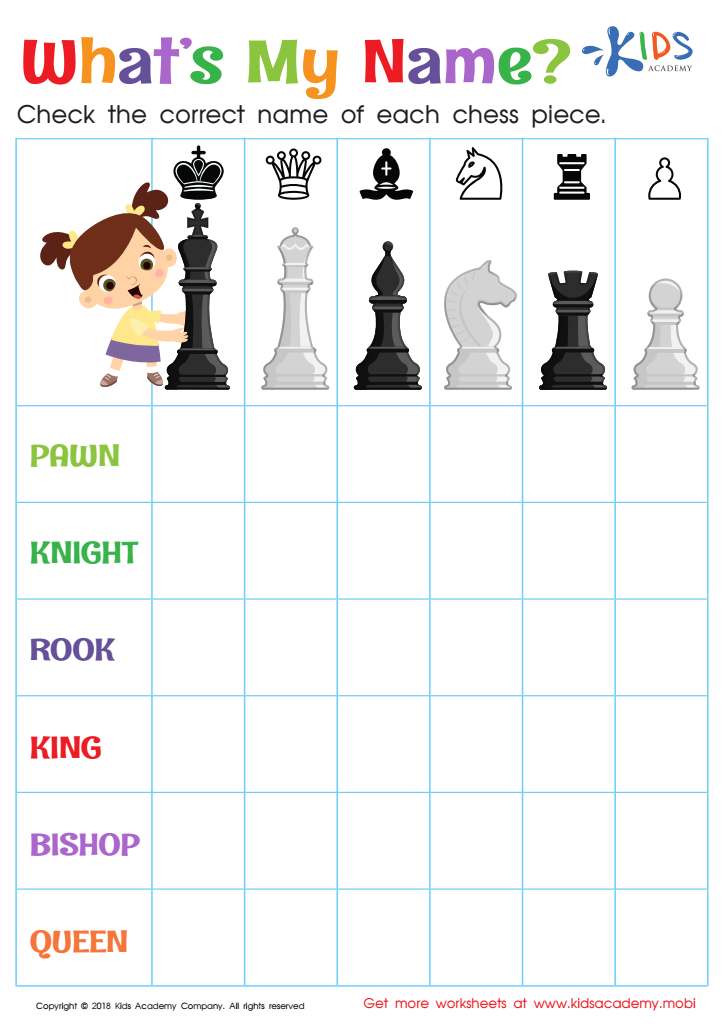
What's My Name? Worksheet
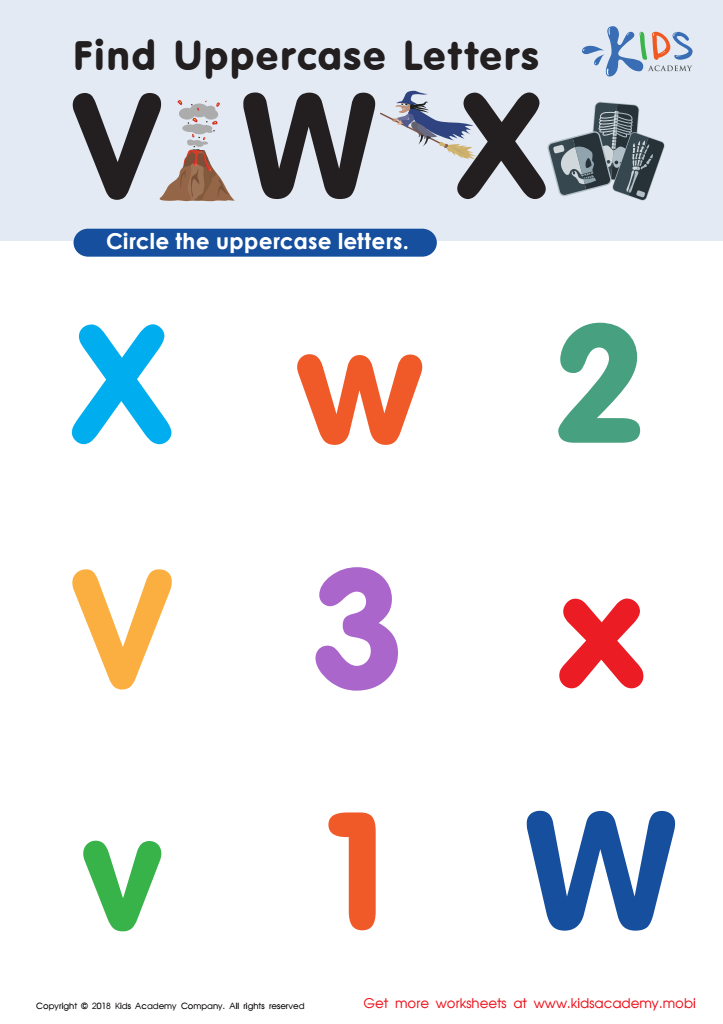
Find Uppercase Letters V, W, X Worksheet
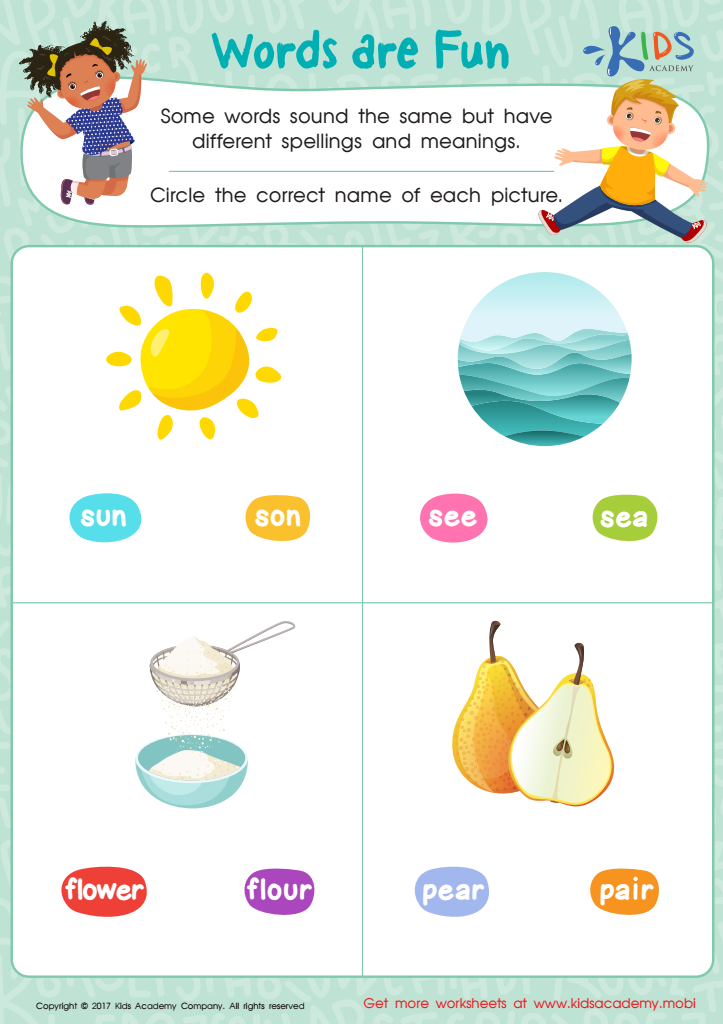
Words Are Fun Worksheet
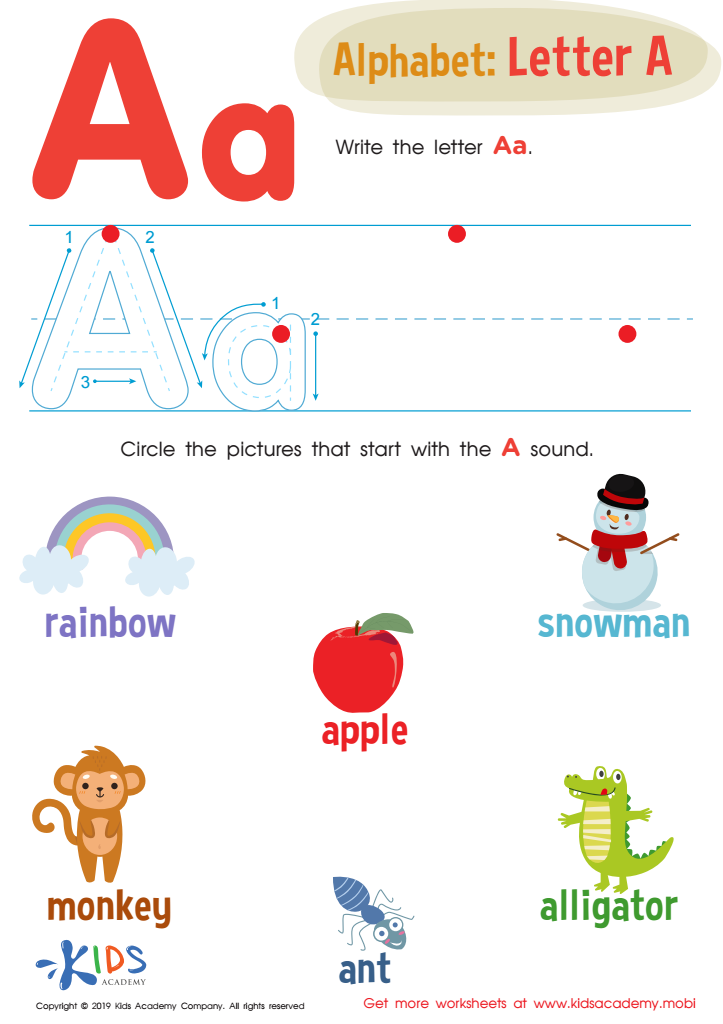
Letter A Tracing Worksheet
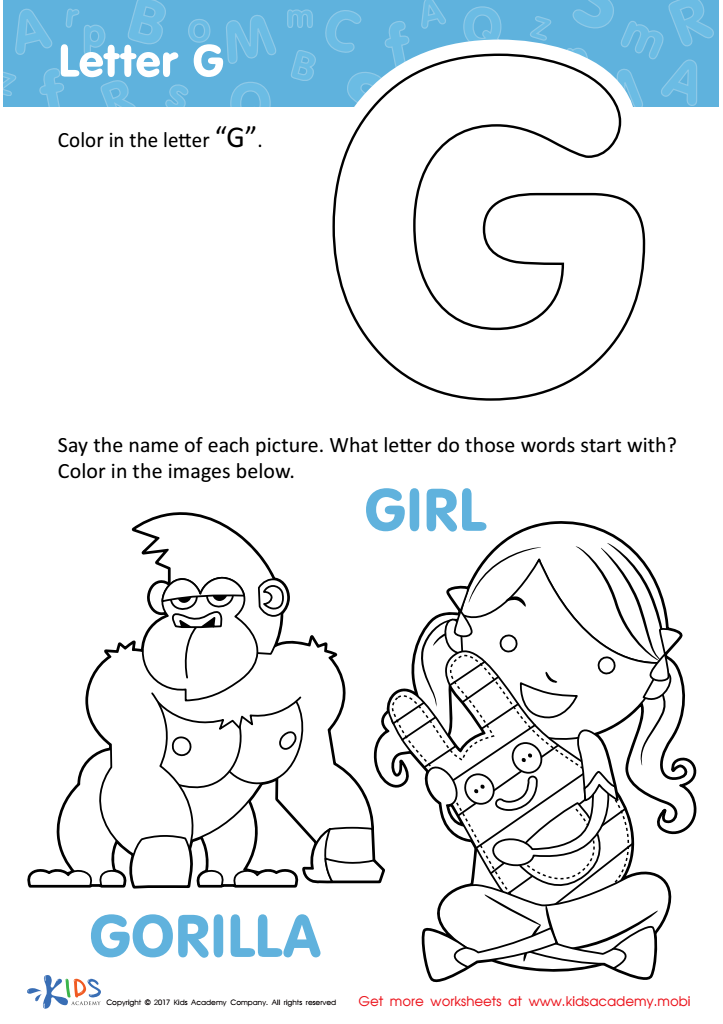
Letter G Coloring Sheet
Assign to My Students
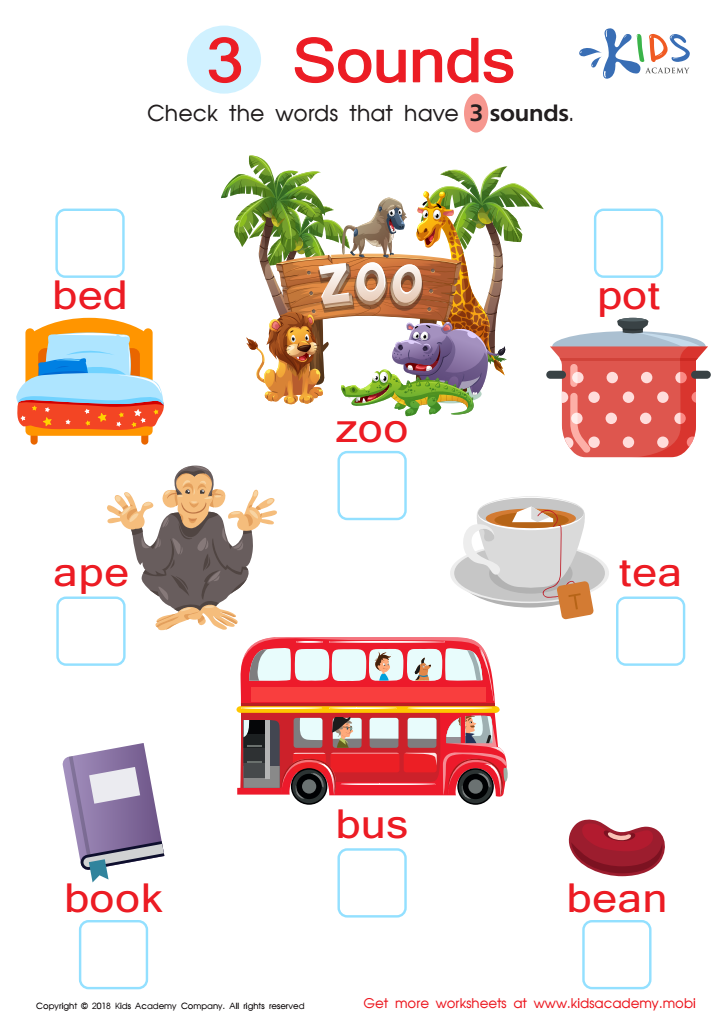
3 Sounds Worksheet
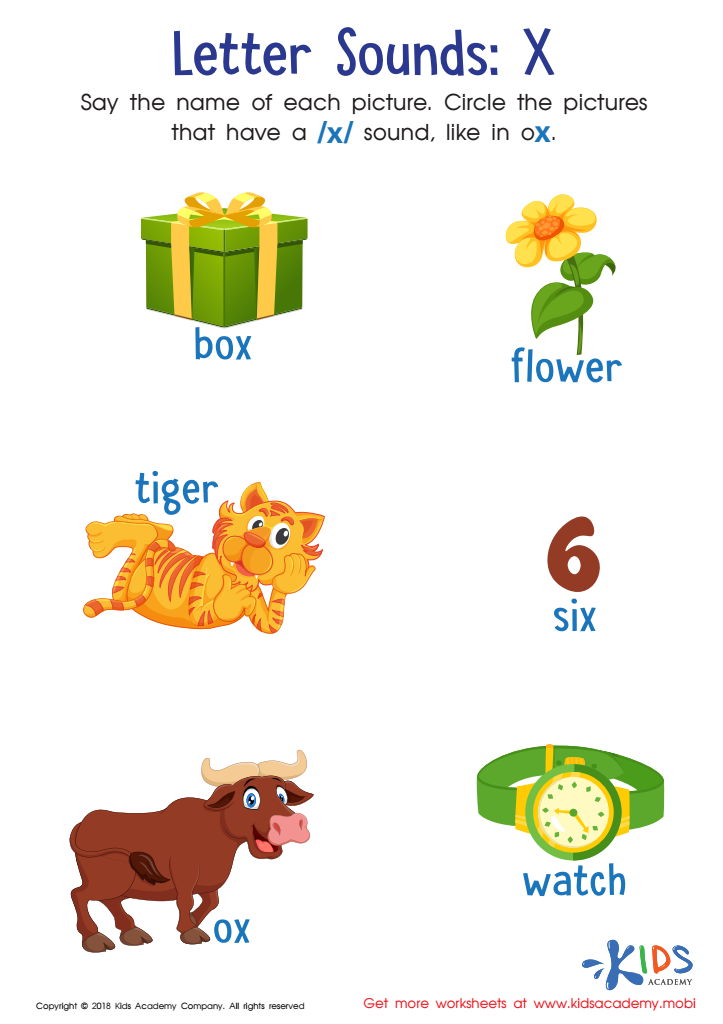
Letter X Sounds Worksheet
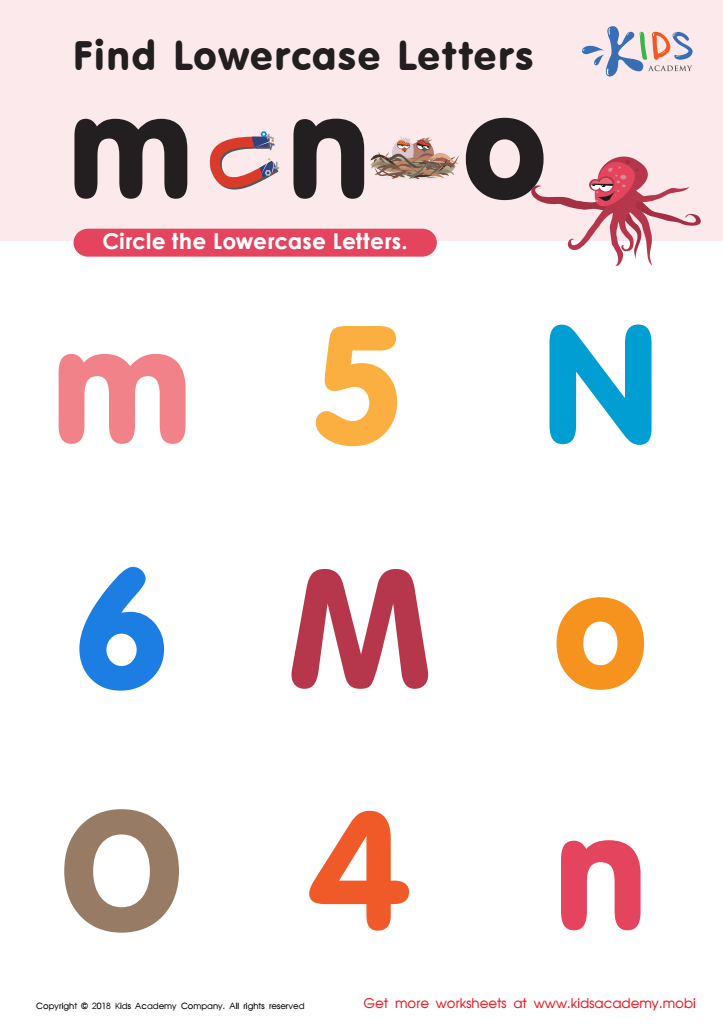
Find Lowercase Letters m n o Worksheet
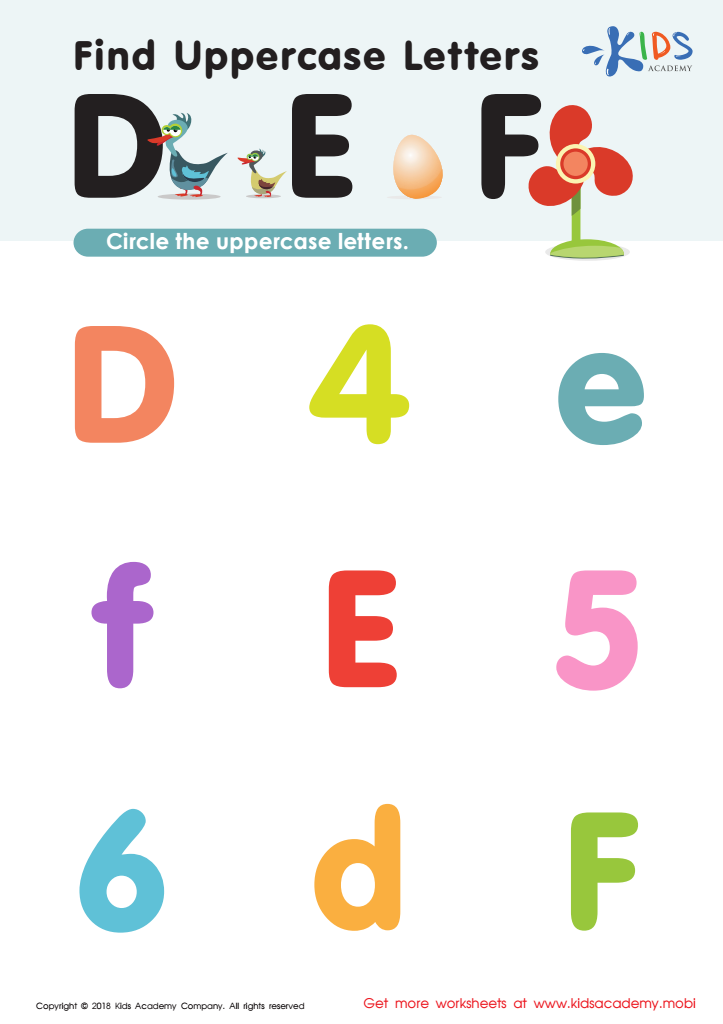
Find Uppercase Letters D, E, and F Worksheet
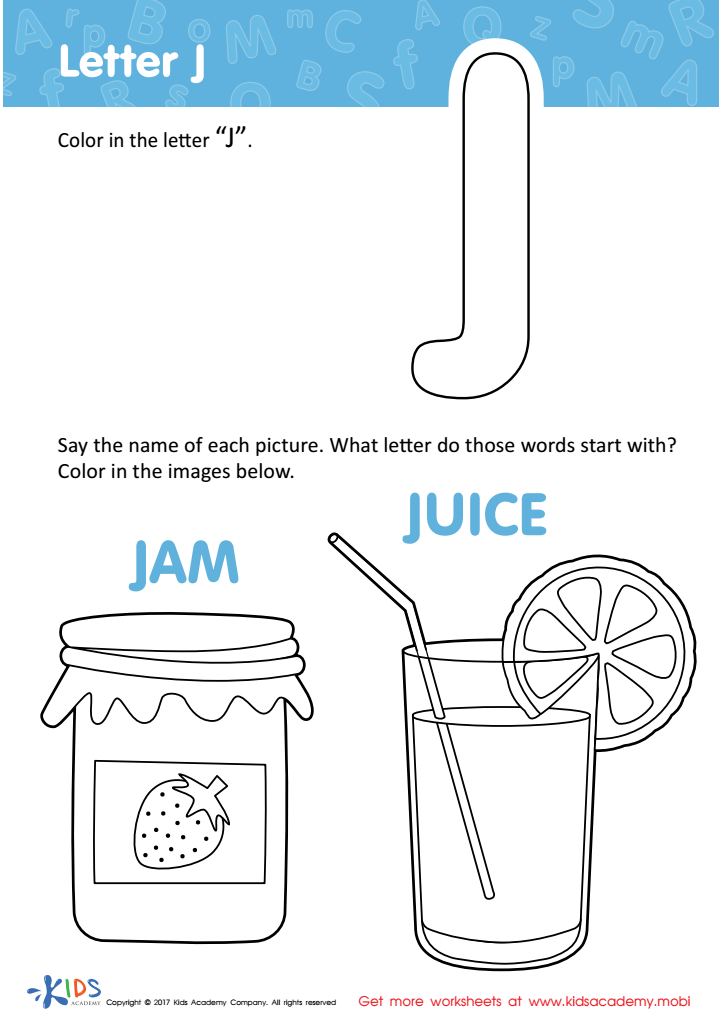
Letter J Coloring Sheet
Assign to My Students








Letter recognition is a fundamental stepping stone in early childhood education, particularly for children aged 5-7. It is essential because it lays the groundwork for later reading and writing skills. When children can recognize letters easily, they are more equipped to understand that letters represent sounds in spoken language, thus fostering their phonemic awareness, which is crucial for reading development.
For parents and teachers, prioritizing letter recognition means actively nurturing a child's ability to associate visual symbols with the sounds they represent. This foundational skill influences their capacity to decode words—a competency that significantly impacts their reading fluency and comprehension.
Moreover, solid letter recognition skills bolster a child's confidence and set a positive trajectory for all future literacy learning. For teachers, monitoring and supporting normal letter recognition can identify early signs of reading difficulties, such as dyslexia, enabling timely interventions. For parents, activities like reading together, playing letter-based games, or engaging in writing exercises can make learning enjoyable and strengthen the child-parent bond.
In conclusion, ensuring that children develop appropriate letter recognition skills within the typical age range of 5-7 fosters academic success and instills a lifelong love for learning. It's a collaborative effort that yields long-lasting educational benefits, making it an area worth focused attention from both parents and teachers.








