Letter-sound recognition Normal Worksheets for Ages 5-7
4 filtered results
-
From - To
Explore our engaging letter-sound recognition worksheets designed specifically for children ages 5-7! These worksheets enhance early literacy skills by helping young learners connect letters with their corresponding sounds. With a variety of fun activities, including tracing, matching, and sound recognition exercises, students can practice at their own pace while building a solid foundation for reading. Perfect for classroom use or homework, these printable resources foster essential phonemic awareness. Start your child’s journey to reading success with our thoughtfully created, colorful worksheets that make learning enjoyable and effective! Unlock the power of letters and sounds today!
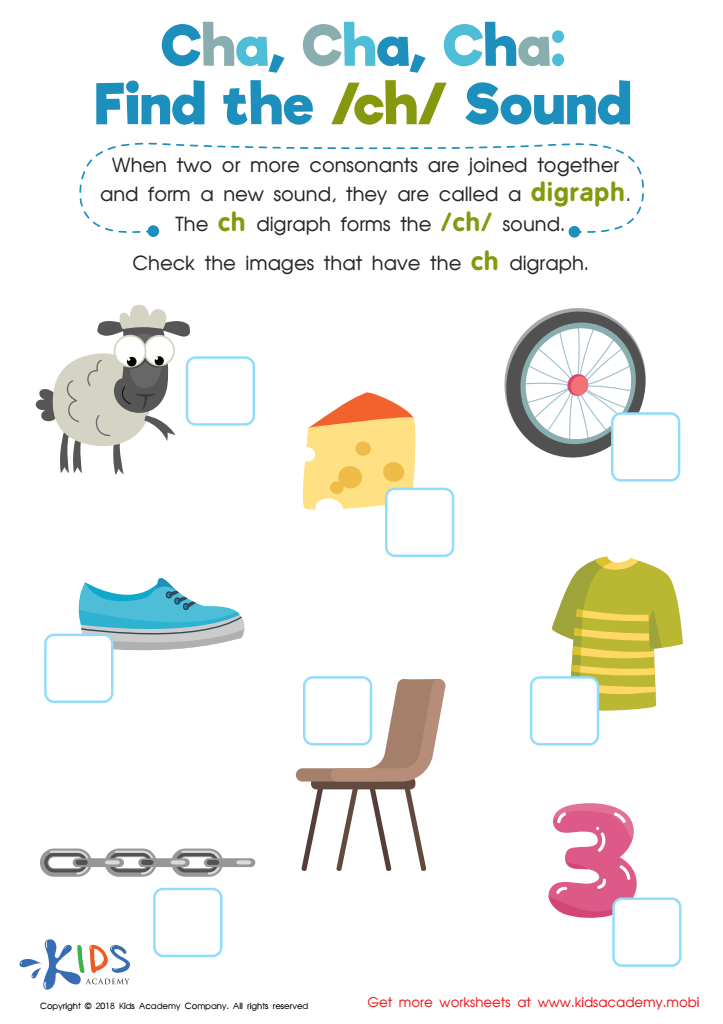
Cha, Cha, Cha: Find the /Ch/ Sound Worksheet
 Assign to My Students
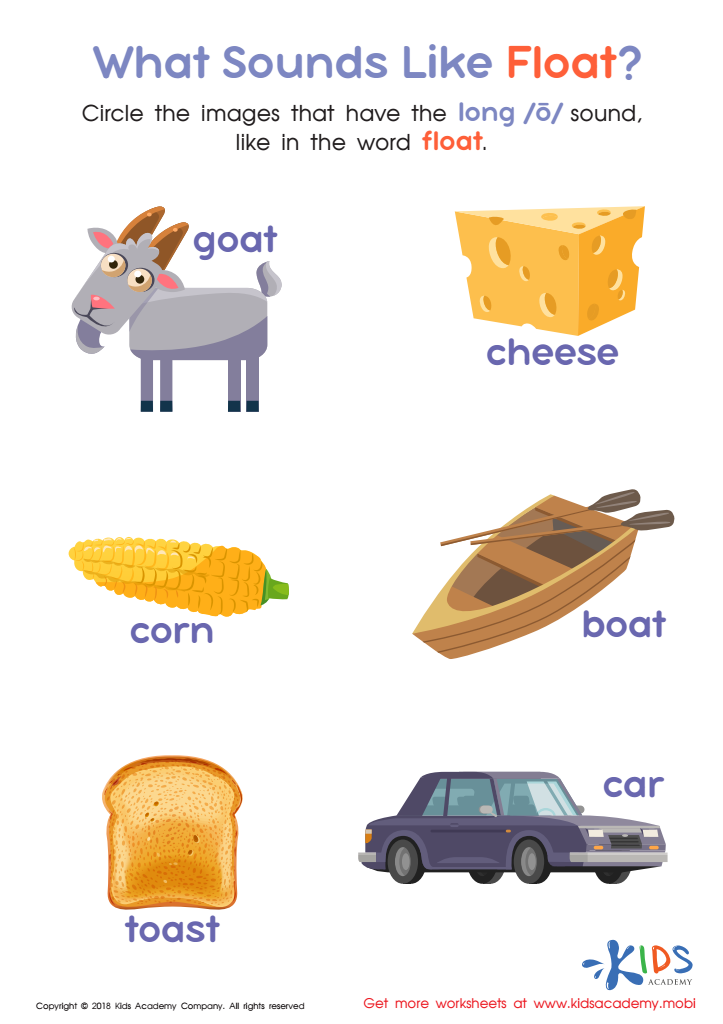
What Sounds Like Float? Worksheet
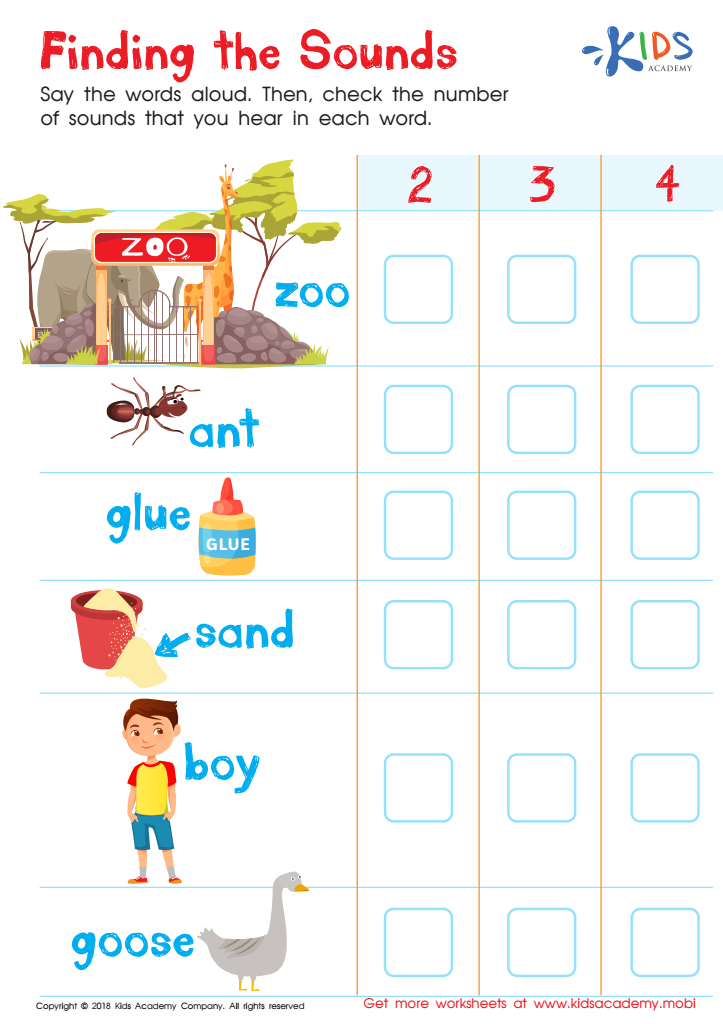
Finding the Sounds Worksheet
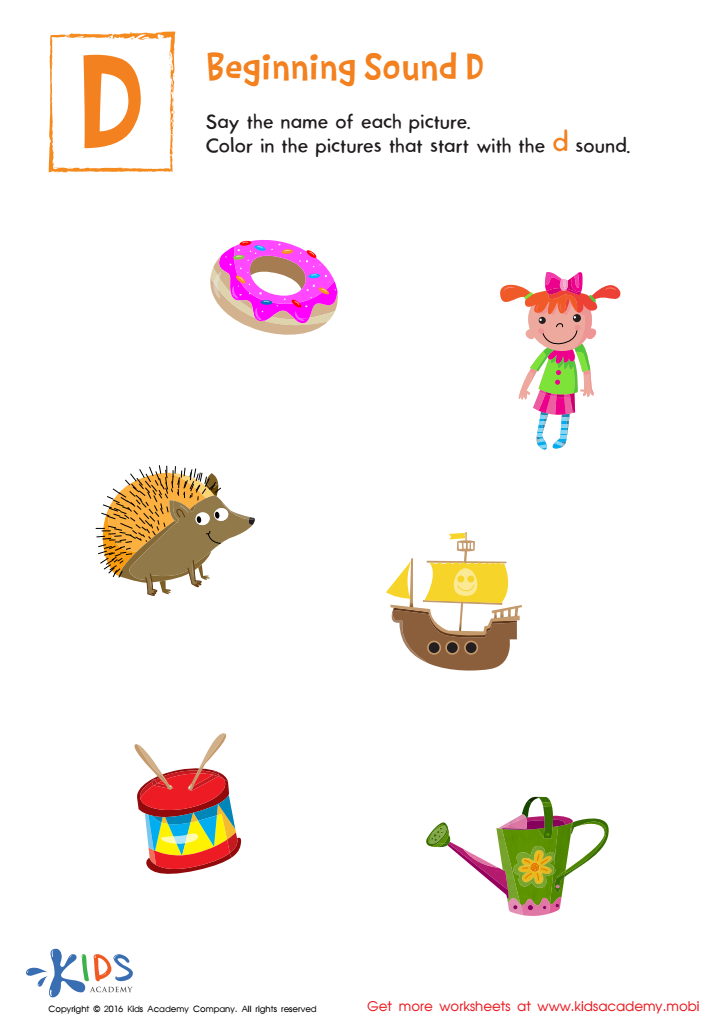
Beginning Sound D Worksheet








Letter-sound recognition is a crucial foundational skill for children ages 5 to 7 as it directly impacts their ability to read and write effectively. During this developmental stage, children begin to connect letters with their corresponding sounds, which is essential for decoding words. As parents and teachers, understanding the importance of this skill is vital for supporting literacy development.
Firstly, letter-sound recognition lays the groundwork for phonemic awareness—the ability to isolate and manipulate sounds—which is essential for reading fluency. Children who can identify sounds associated with letters are better equipped to sound out unfamiliar words, boosting their confidence and fostering a love for reading.
Moreover, strong letter-sound recognition can enhance spelling abilities. When children understand the sounds that different letters represent, they can begin to apply this knowledge in writing, leading to more accurate spelling and improved communication skills.
Additionally, early proficiency in letter-sound recognition aligns with school readiness and academic success. Children who master these skills often perform better in standardized assessments and are more likely to achieve reading proficiency by the end of third grade.
By prioritizing letter-sound recognition, parents and teachers can significantly influence a child's educational trajectory, opening doors to lifelong learning and literacy.








