Science knowledge Normal Worksheets for Ages 5-7
5 filtered results
-
From - To
Explore our tailored Science Knowledge Normal Worksheets, specially designed for children ages 5-7. These engaging worksheets foster curiosity and understanding in young learners, covering fundamental topics such as plants, animals, weather, and basic physics. Each activity integrates fun illustrations and hands-on tasks that align with early grade learning objectives, promoting critical thinking and scientific inquiry. Perfect for classroom use or at-home practice, our science worksheets aim to build a solid foundation in science concepts while keeping kids motivated and excited about learning. Help your child discover the wonders of science with our expertly crafted resources at Kids Academy!
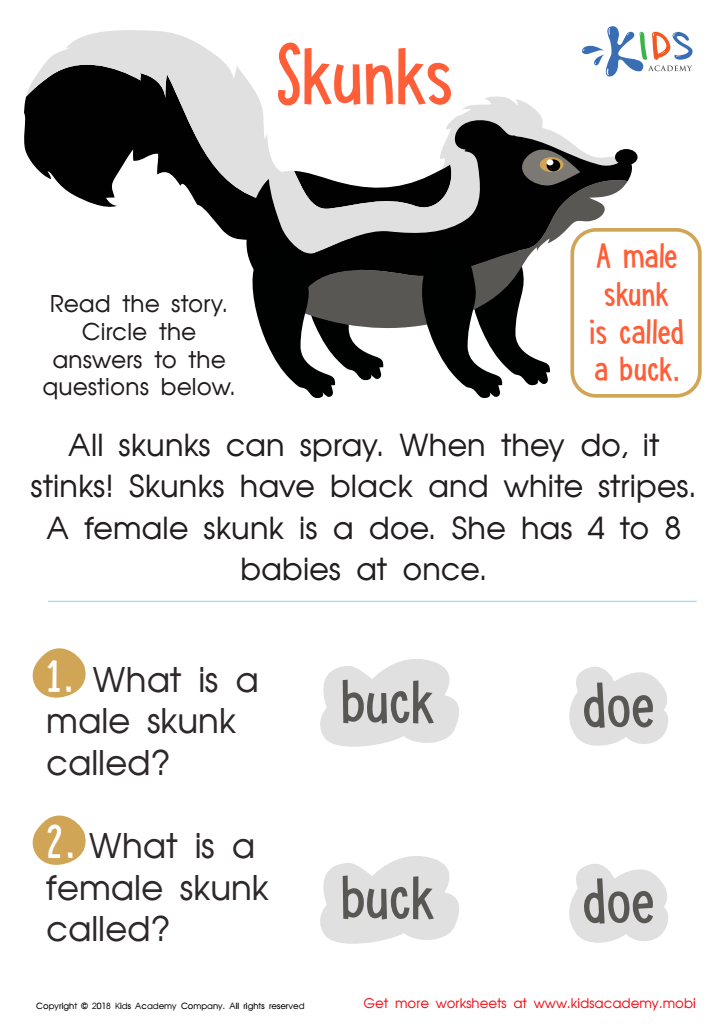
Skunks Worksheet
 Assign to My Students
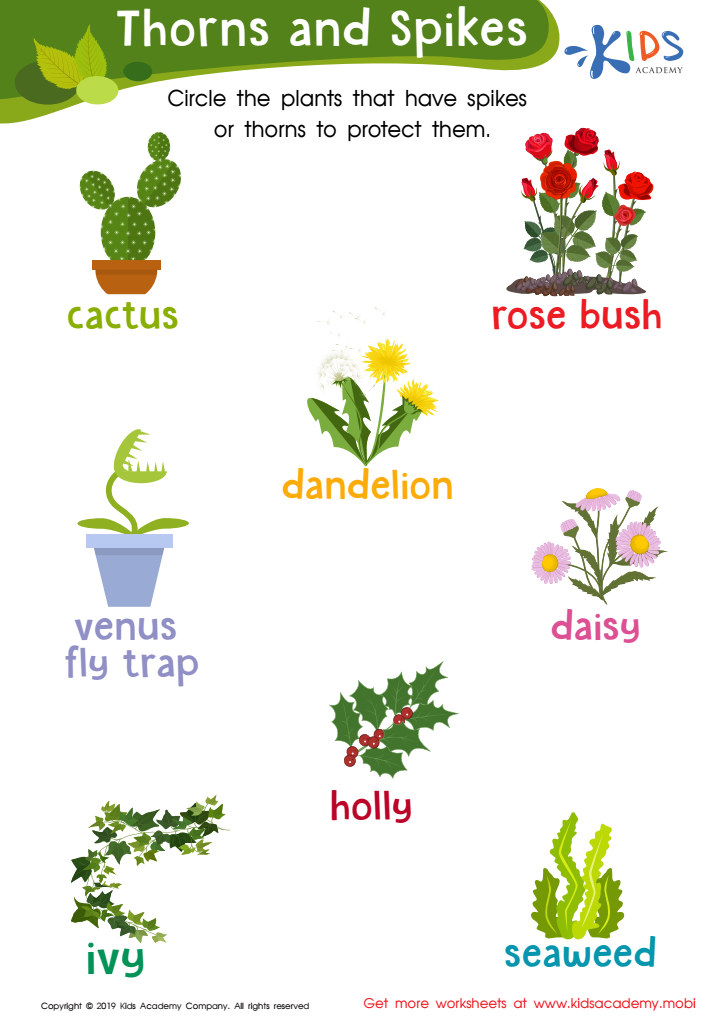
Thorns and Spikes Worksheet
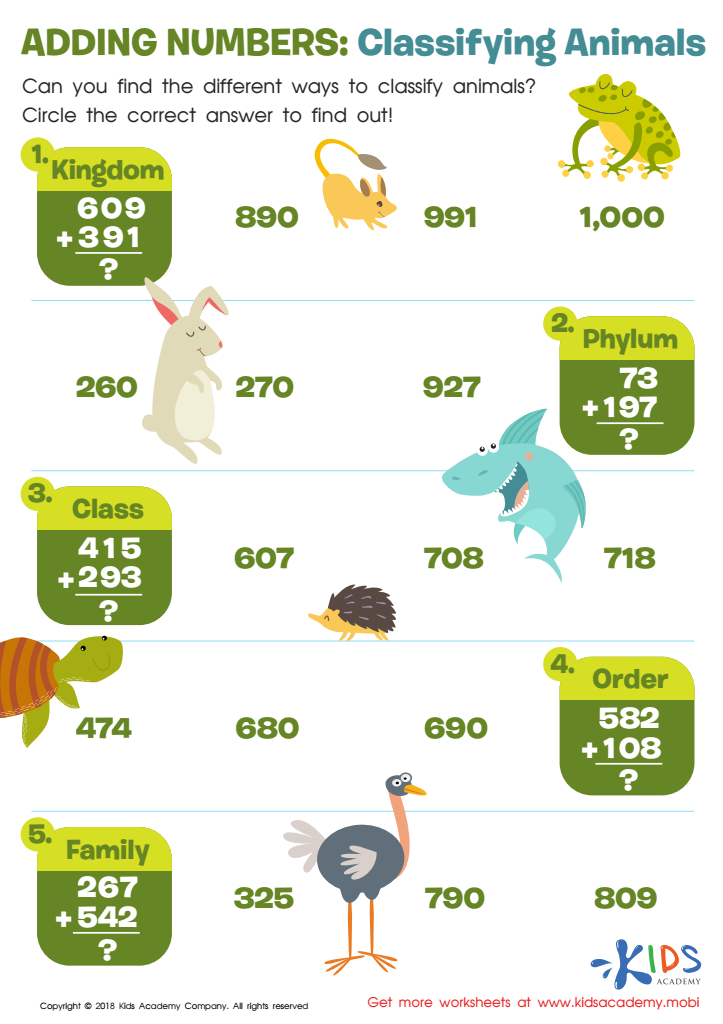
Adding Numbers: Classifying Animals Worksheet
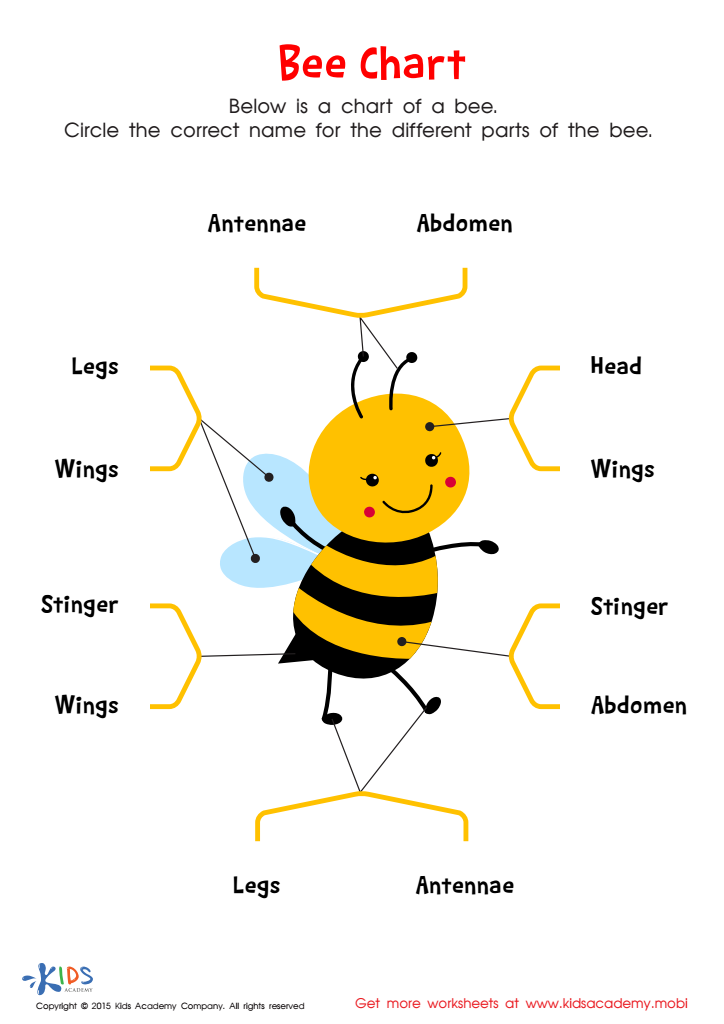
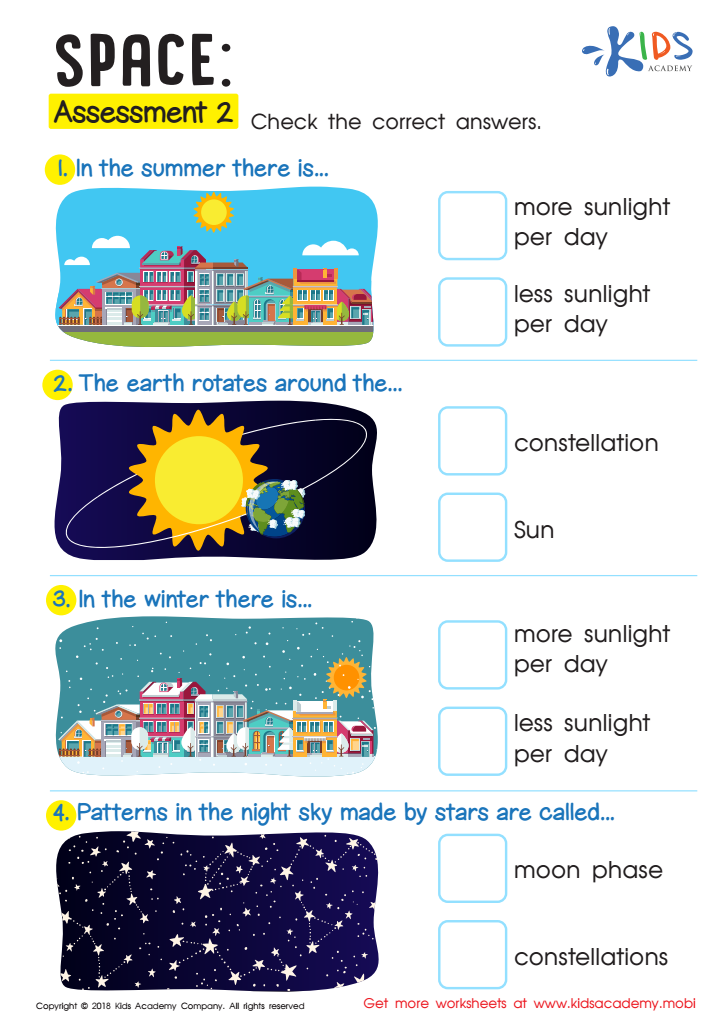
Space: Assessment 2 Worksheet








Understanding science is crucial for young children aged 5-7 as it lays the foundation for critical thinking and curiosity about the world. At this sensitive age, children's brains are highly receptive to new information. Introducing basic scientific concepts can spark an interest in learning and exploration, setting the stage for a lifelong love of knowledge.
Science education at an early age helps children develop important cognitive skills such as observation, comparison, and prediction. These skills are not just fundamental to science, but they are critical life skills that improve problem-solving abilities and reasoning.
Moreover, learning science can integrate literacy and numeracy skills effectively. For instance, measuring ingredients during a simple science experiment reinforces math skills, while explaining their findings enhances language abilities. This interdisciplinary approach makes learning more holistic and interconnected.
Additionally, early science education fosters curiosity and creativity. By asking questions and seeking answers, children learn the value of perseverance and creative thinking. These qualities benefit them across all areas of study and in everyday life.
For parents and teachers, investing in science education for young children means nurturing inquisitive, well-rounded, and capable individuals. The skills and enthusiasm developed through early science learning can pave the way for future academic success and personal growth.








