Critical Thinking Normal 2D Shapes Worksheets for Ages 5-7
5 filtered results
-
From - To
Encourage young minds to grow with our "Critical Thinking Normal 2D Shapes Worksheets" designed for ages 5-7. These engaging activities help children explore and identify various 2D shapes while enhancing their problem-solving skills. Our high-quality worksheets are created by educational experts to foster critical thinking through interactive and enjoyable exercises. Perfect for early learners, these printables support the development of foundational geometry skills in a fun and accessible way. Ideal for both classroom and home learning, these critical thinking worksheets stimulate curiosity and a love for learning math. Start your child's journey to success today!
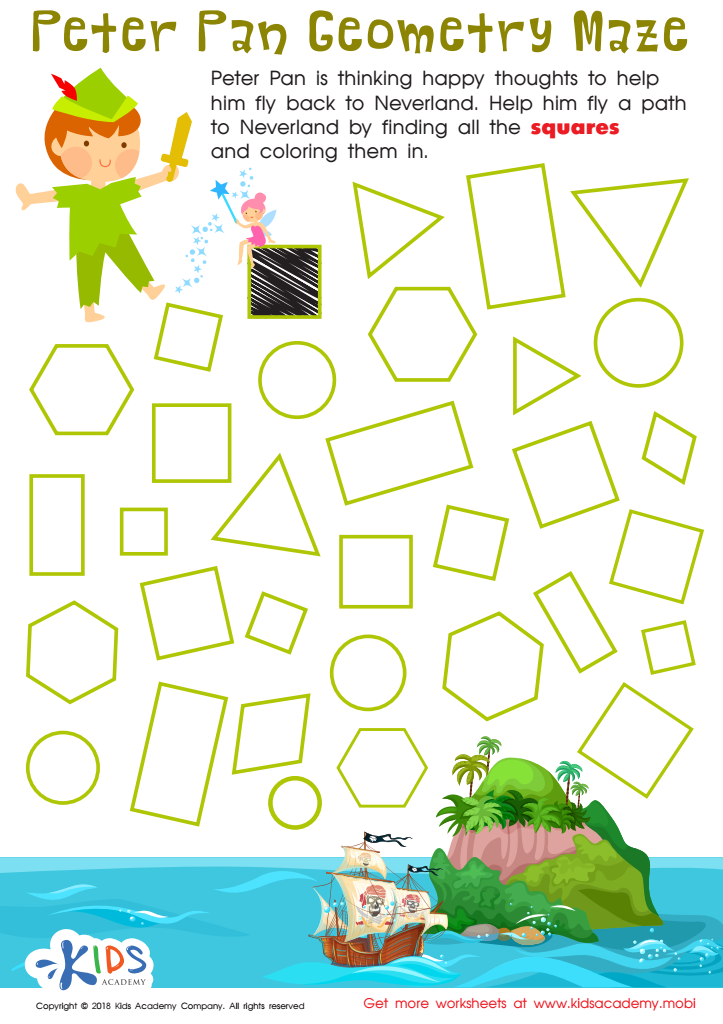
Peter Pan Worksheet
 Assign to My Students











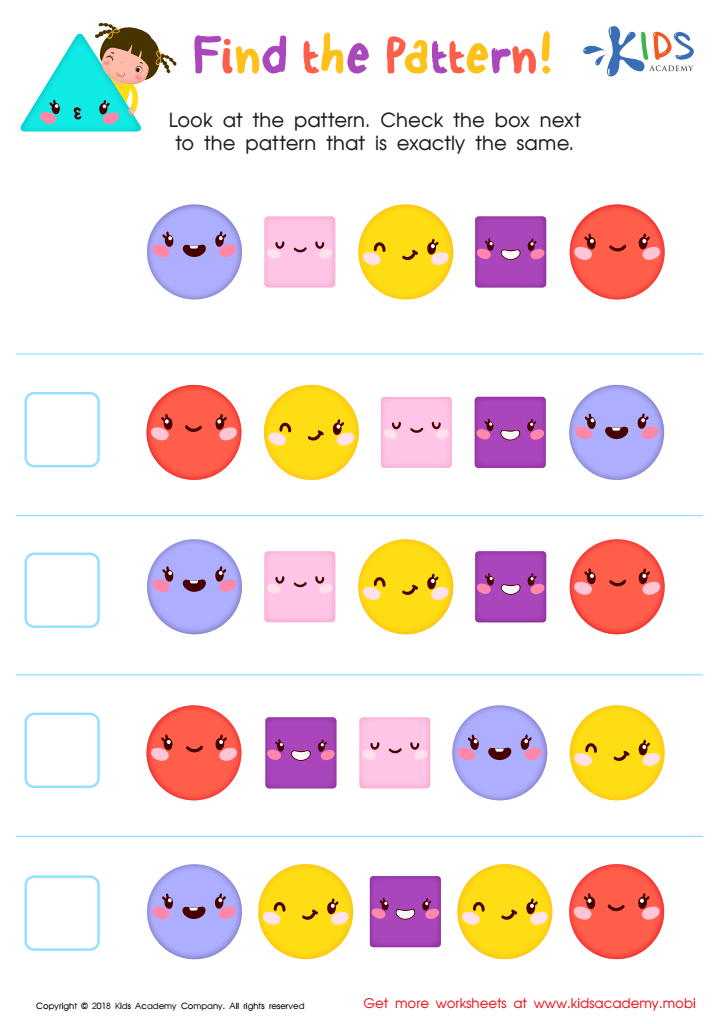
Find the Pattern Worksheet
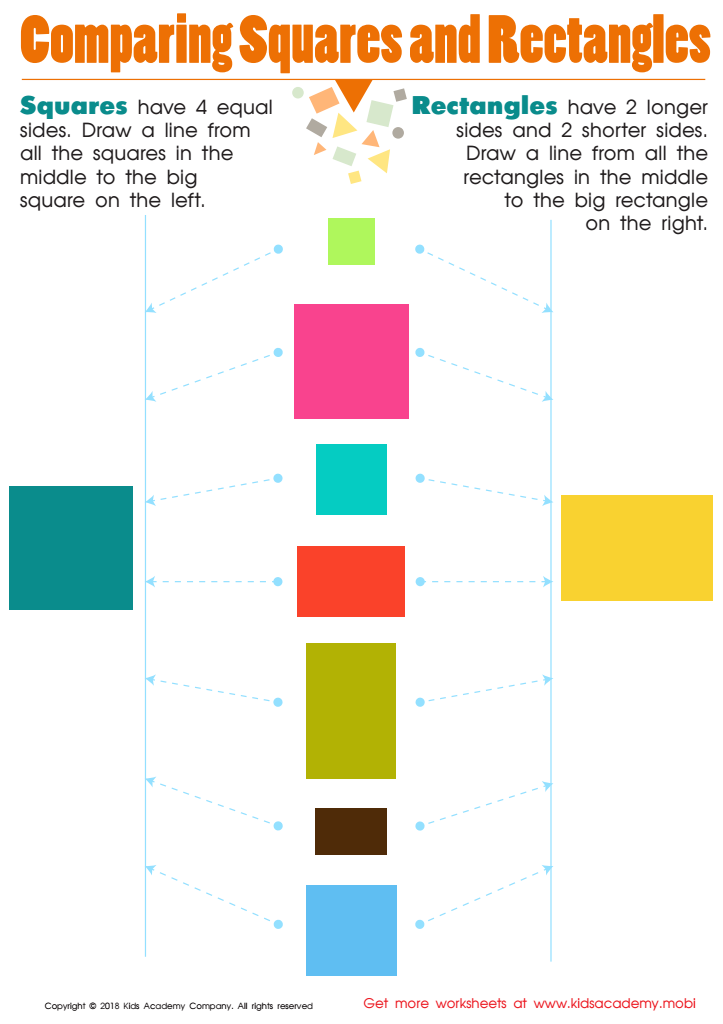
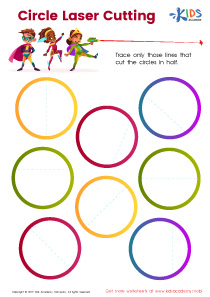
Comparing Squares Rectangles Worksheet
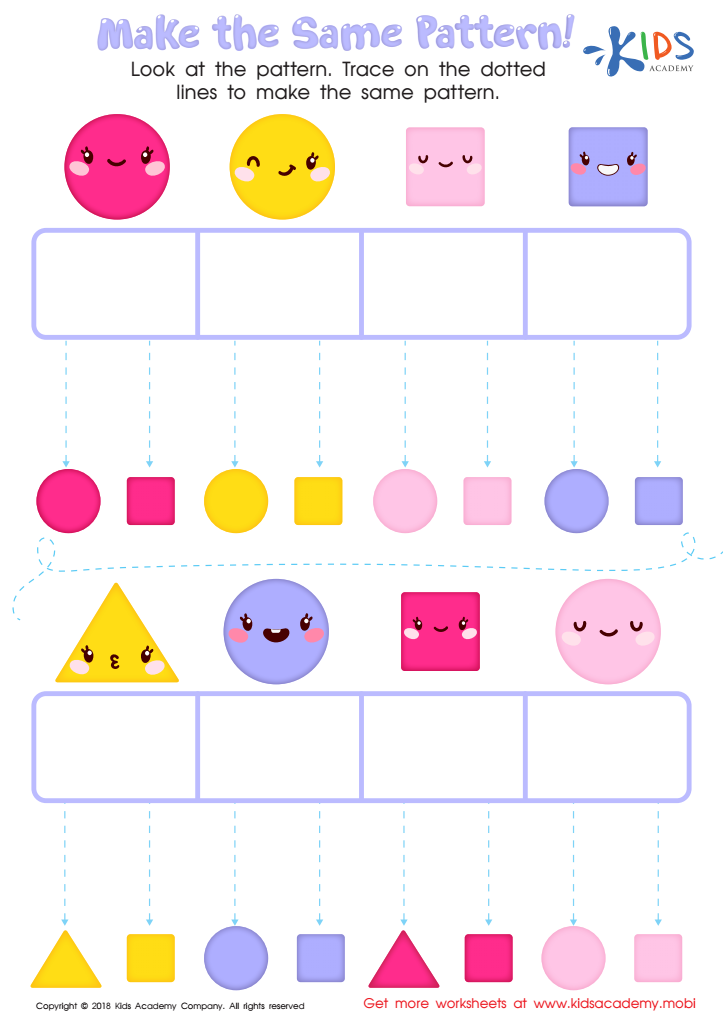
Make the Same Pattern Worksheet
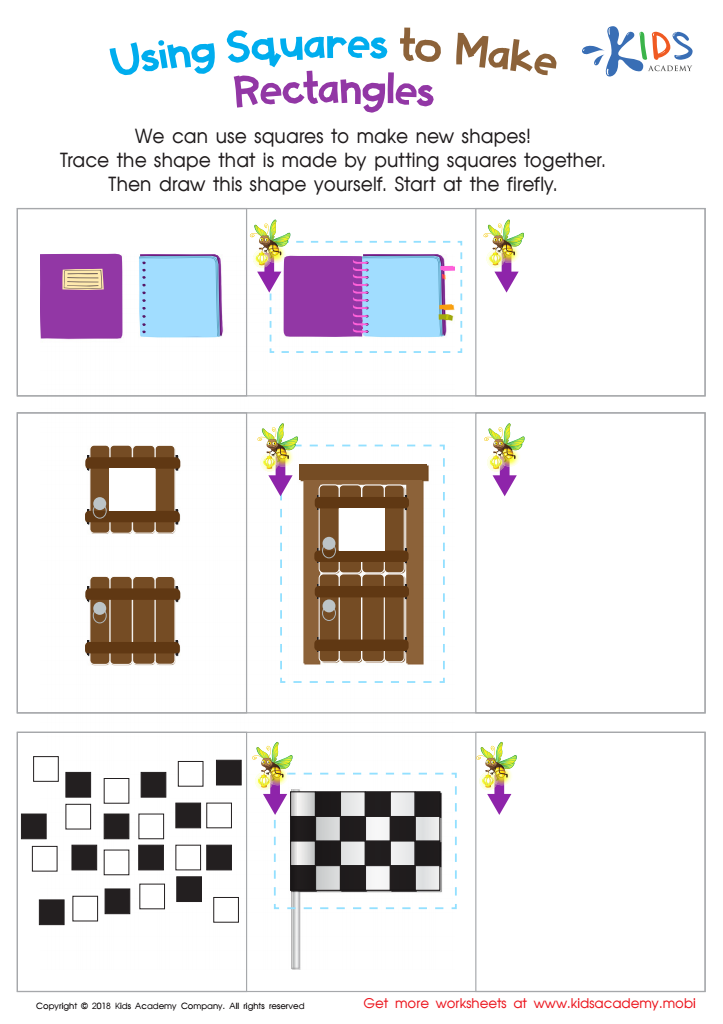
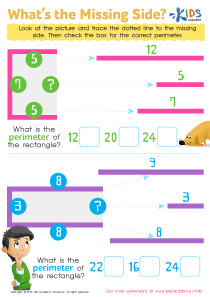
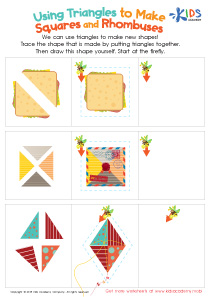
Using Squares to Make Rectangles Worksheet








Introducing critical thinking about 2D shapes to children aged 5-7 is crucial for several reasons. First, it builds a strong foundation for future mathematical skills. By recognizing and analyzing shapes, children learn essential concepts such as size, symmetry, and spatial relationships, which are fundamental for more advanced math topics.
Second, critical thinking encourages problem-solving skills. When children compare and contrast shapes, identify patterns, and sort items based on geometric properties, they develop the ability to make decisions and solve problems independently. These skills are not limited to mathematics; they are applicable to all areas of learning and life.
Additionally, engaging with 2D shapes helps improve language skills. Describing shapes in terms of their properties (e.g., sides, angles) enhances children's vocabulary and ability to communicate ideas clearly. This is valuable not only in academic settings but also in everyday interactions.
Critical thinking about shapes also fosters creativity. When children understand basic shapes, they can experiment with combining them in drawings or constructions, leading to innovative and original works of art.
Ultimately, nurturing these skills equips children with a greater appreciation of the world around them and prepares them for academic challenges ahead. Investing time in teaching critical thinking with 2D shapes yields benefits that extend beyond the classroom, contributing to well-rounded cognitive development.