Fine Motor Skills Normal Addition & Subtraction Worksheets for Ages 5-7
8 filtered results
-
From - To
Enhance your child's fine motor skills with our engaging Addition & Subtraction Worksheets designed for ages 5-7! These expertly crafted activities not only bolster math proficiency but also promote hand-eye coordination, precision, and dexterity. Each colorful sheet presents fun challenges that make learning arithmetic enjoyable. Our worksheets are tailored to support the developmental milestones typical for this age group, ensuring that your child gains confidence in both their mathematical abilities and fine motor development. Dive into a world of numbers and improve essential skills simultaneously with Kid’s Academy's thoughtfully designed learning resources!

Valentines Day 2 Printable
 Assign to My Students
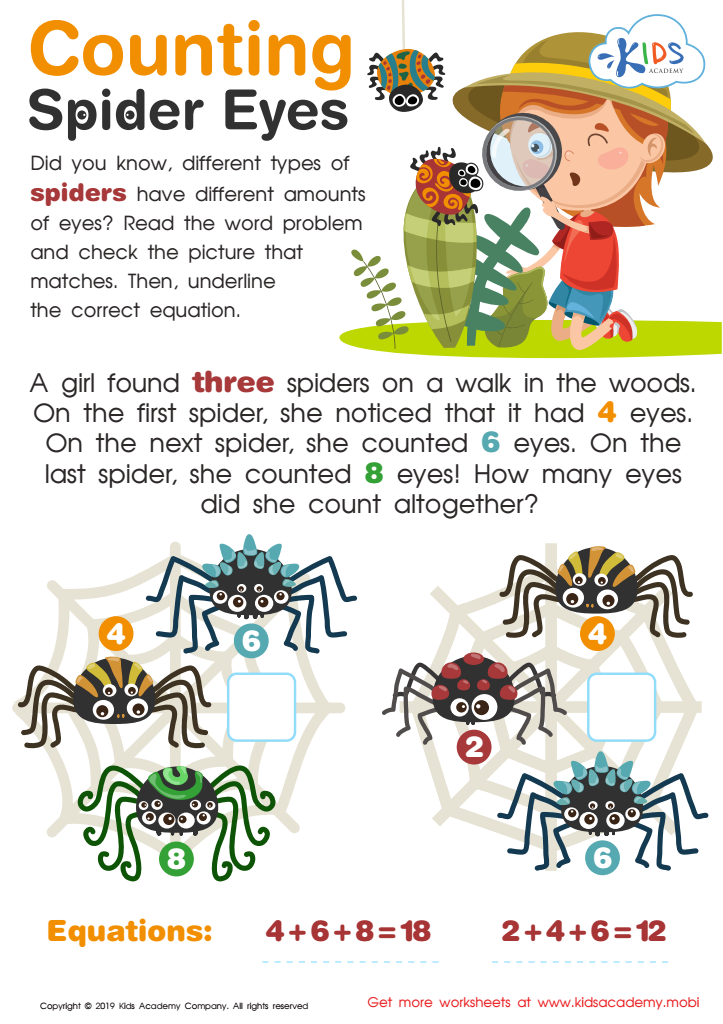
Counting Spider Eyes Worksheet

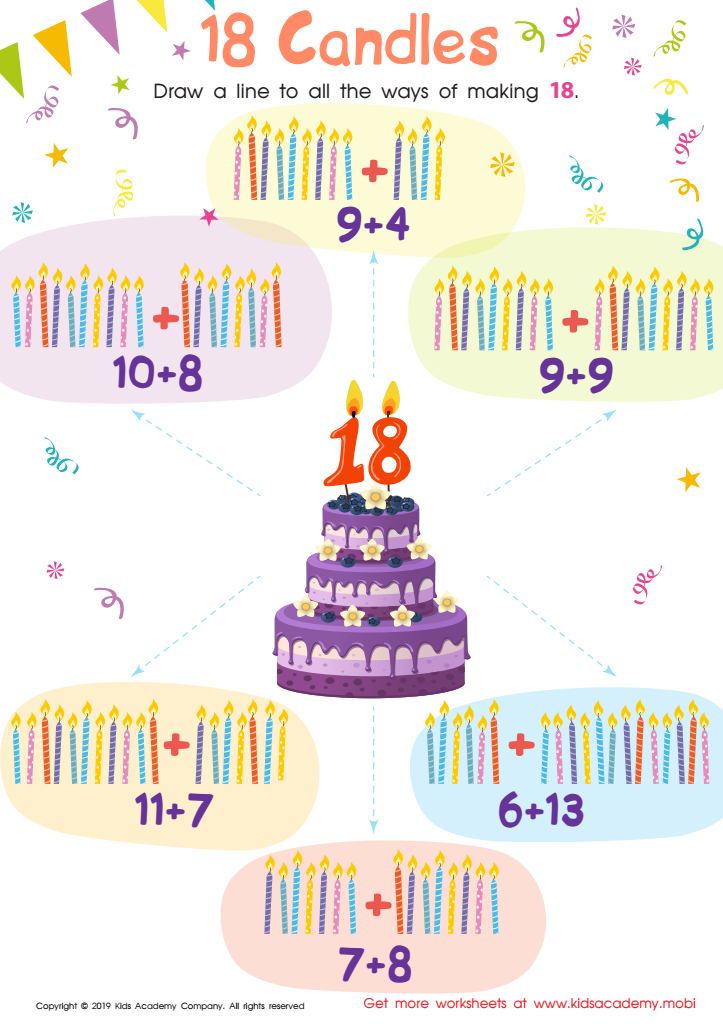
18 Candles Worksheet
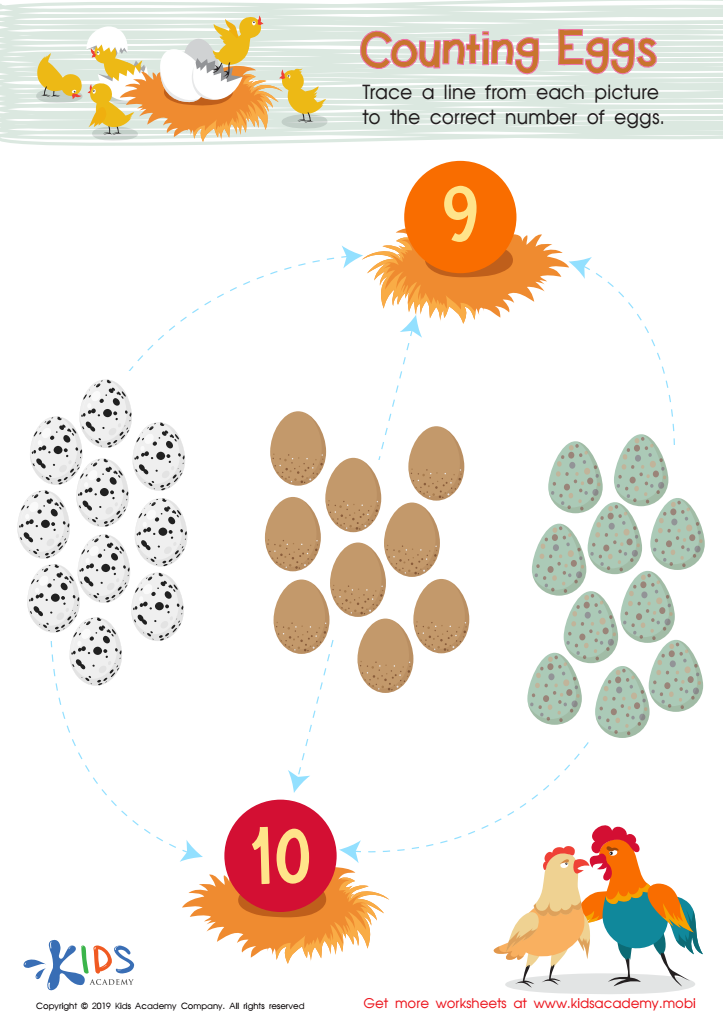
Counting Eggs Worksheet
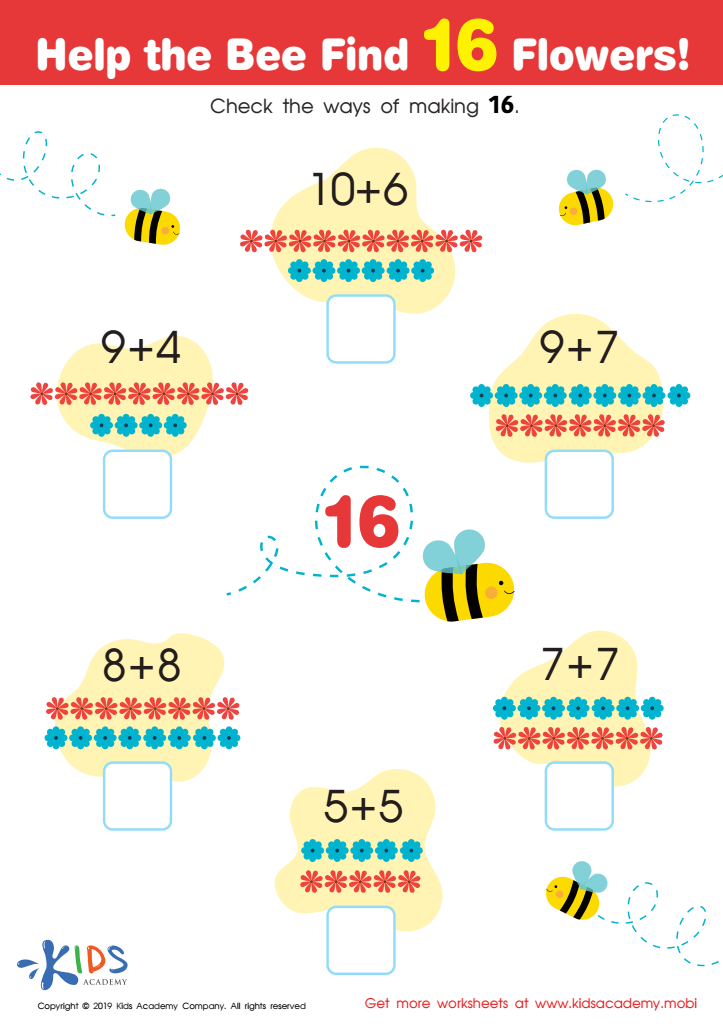
Help the Bee Find 16 Flowers Worksheet
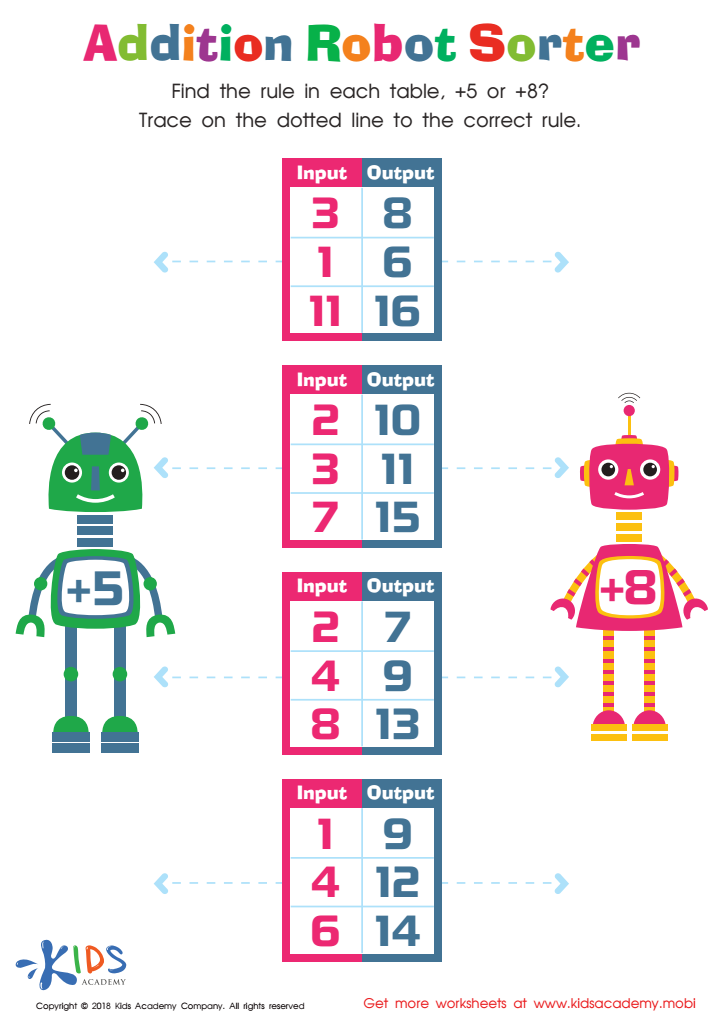
Addition Robot Sorter Worksheet








Fine motor skills play a pivotal role in a child’s early development, and the ability to perform fine motor tasks effectively, such as writing, cutting with scissors, or buttoning a shirt, emerges as crucial for children aged 5-7. This period is particularly important because children are often introduced to more structured academic settings like kindergarten and first grade where fine motor skills are extensively used.
When it comes to addition and subtraction, fine motor skills contribute significantly. The act of writing numbers accurately and aligning them properly plays a fundamental role in understanding math concepts. If children struggle with the physical aspect of writing or manipulating objects, they might find it harder to grasp these basic arithmetic operations. Furthermore, many hands-on activities involve counters, beads, or drawing representations, all requiring fine motor coordination.
Therefore, nurturing these skills is essential not just for academic success but for fostering a child’s confidence and independence. Activities like playing with playdough, threading beads, or using tweezers can support fine motor development. Educators and parents should intentionally incorporate these activities within home and school routines to ensure balanced growth. This will provide children with the foundation they need to handle more complex tasks and concepts as they progress in their education, laying the groundwork for lifelong learning and development.








