Animal recognition Normal Numbers Worksheets for Ages 5-7
4 filtered results
-
From - To
Introducing our "Animal Recognition Normal Numbers Worksheets for Ages 5-7," a delightful resource that blends math learning with animal fun! Perfect for young learners, these worksheets help children recognize numbers while also identifying different animals. Ideal for kindergartners and first graders, each printable activity includes engaging illustrations to keep kids entertained as they count and connect with wildlife. By integrating animal recognition with number practice, these worksheets enhance math skills and build foundational knowledge, ensuring a fun and educational experience. Watch your child’s confidence grow as they master counting and learn about animals simultaneously!
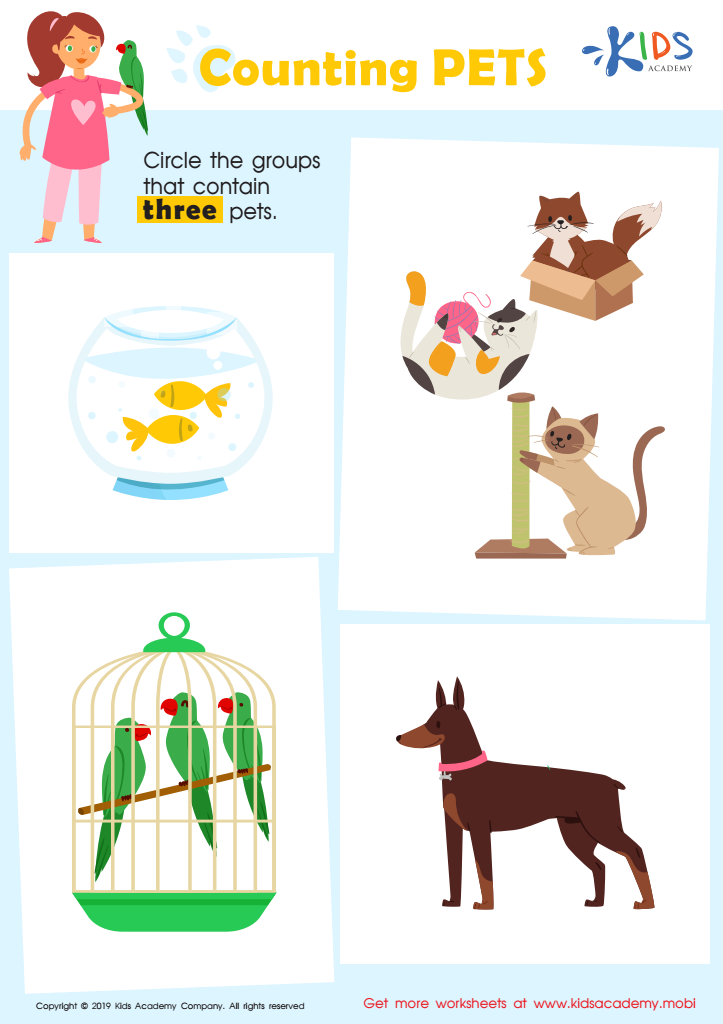
Counting Pets Worksheet
 Assign to My Students
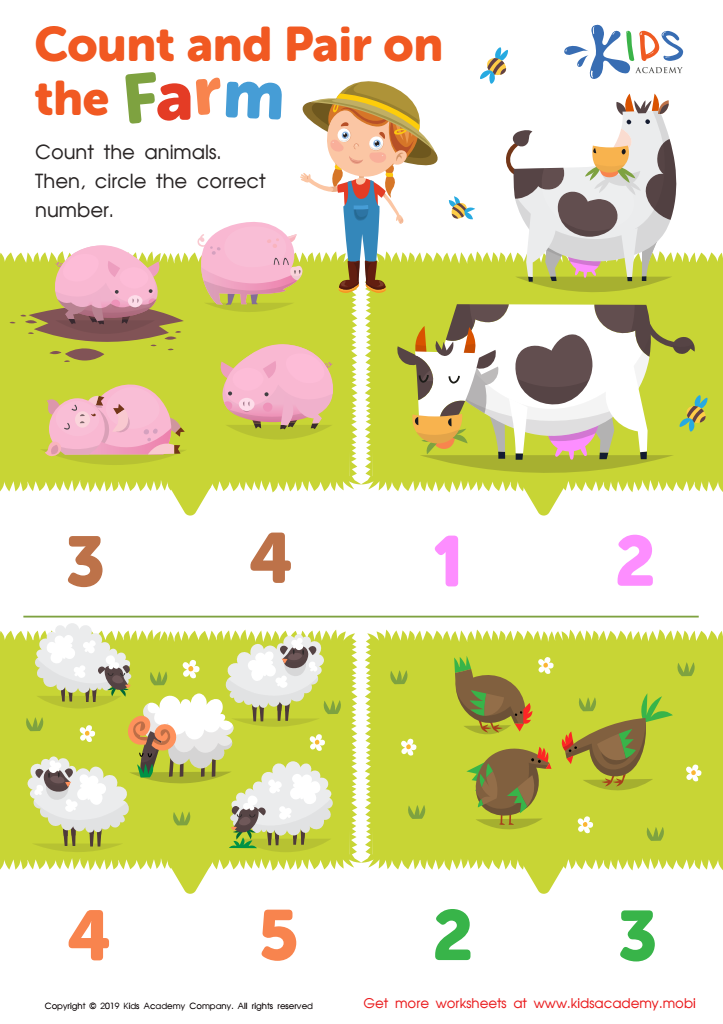
Count and Pair on the Farm Worksheet
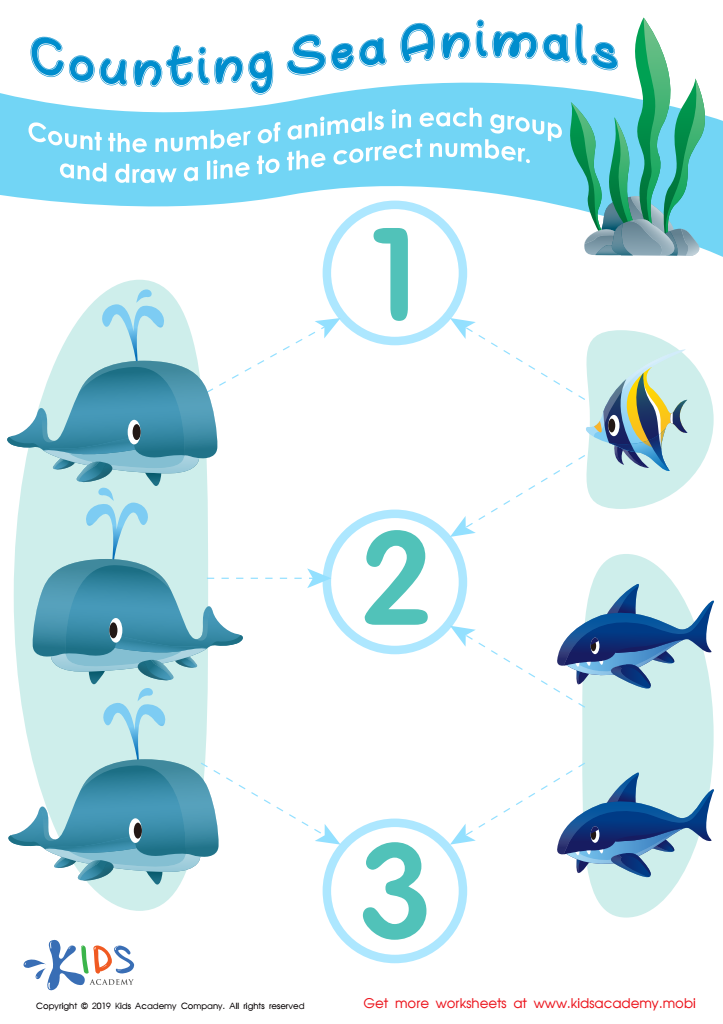
Counting Sea Animals Worksheet
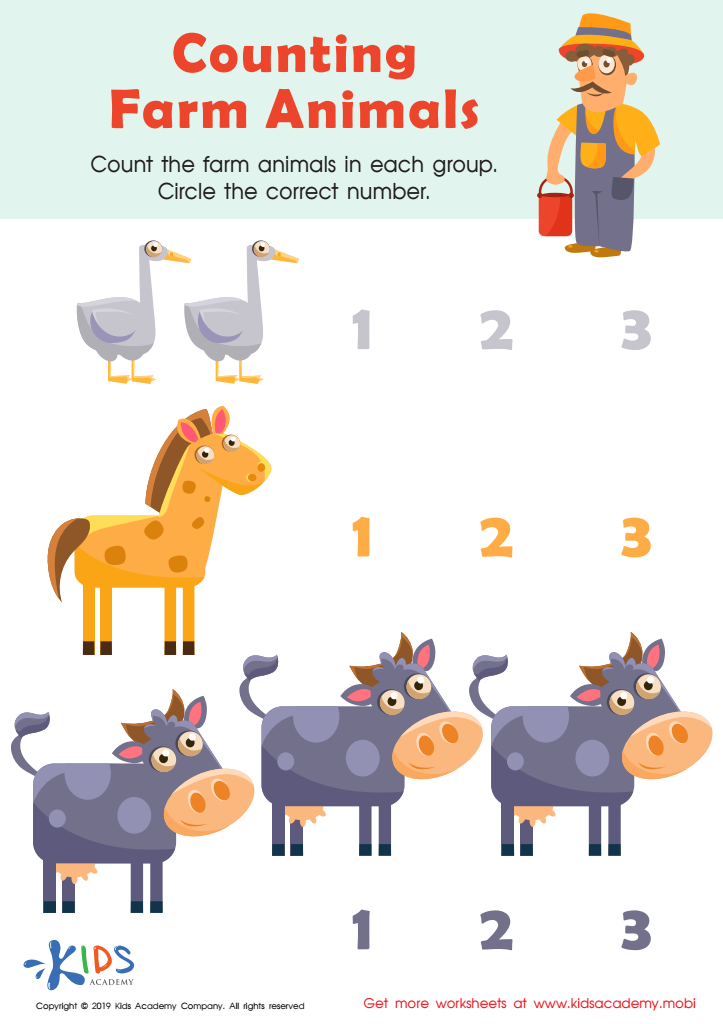
Counting Farm Animals Worksheet








Introducing animal recognition and normal numbers to children between ages 5 and 7 is pivotal for their cognitive and emotional development. Parents and teachers play a crucial role in nurturing these foundational skills, which not only make learning engaging but also pave the way for future academic success.
Animal recognition can spark curiosity and foster a love for nature, enhancing a child's emotional intelligence and empathy towards living beings. By identifying animals and learning about their habitats, kids develop observational skills and comprehension abilities. Such activities often excite young minds and promote discussions, thereby improving their vocabulary and communication skills.
Understanding and recognizing normal numbers lays the groundwork for mathematical competence. At this age, children are primed to grasp basic math concepts through fun and interactive methods. Learning numbers helps in the development of critical thinking and problem-solving skills. Activities like counting animals or grouping them into sets inherently teach children numbers, patterns, and classifications, strengthening their numerical literacy.
Therefore, incorporating animal recognition and number learning into early childhood education not only makes learning dynamic and enjoyable but also establishes essential skills that children will rely on throughout their educational journey and daily lives. It’s vital for parents and teachers to support and actively engage children in such foundational experiences.








