Basic Addition Skills Normal Numbers Worksheets for Ages 5-7
6 filtered results
-
From - To
Enhance your child's foundational math skills with our Basic Addition Skills Normal Numbers Worksheets, designed specifically for ages 5-7. These engaging worksheets provide a fun and interactive way for young learners to grasp essential addition concepts. Each activity encourages children to solve simple addition problems featuring normal numbers, fostering numerical fluency and confidence in their math abilities. Perfect for both classroom settings and home practice, our worksheets promote hands-on learning through colorful illustrations and relatable scenarios. Support your child's learning journey and watch them develop a strong understanding of basic addition with these carefully crafted educational resources!
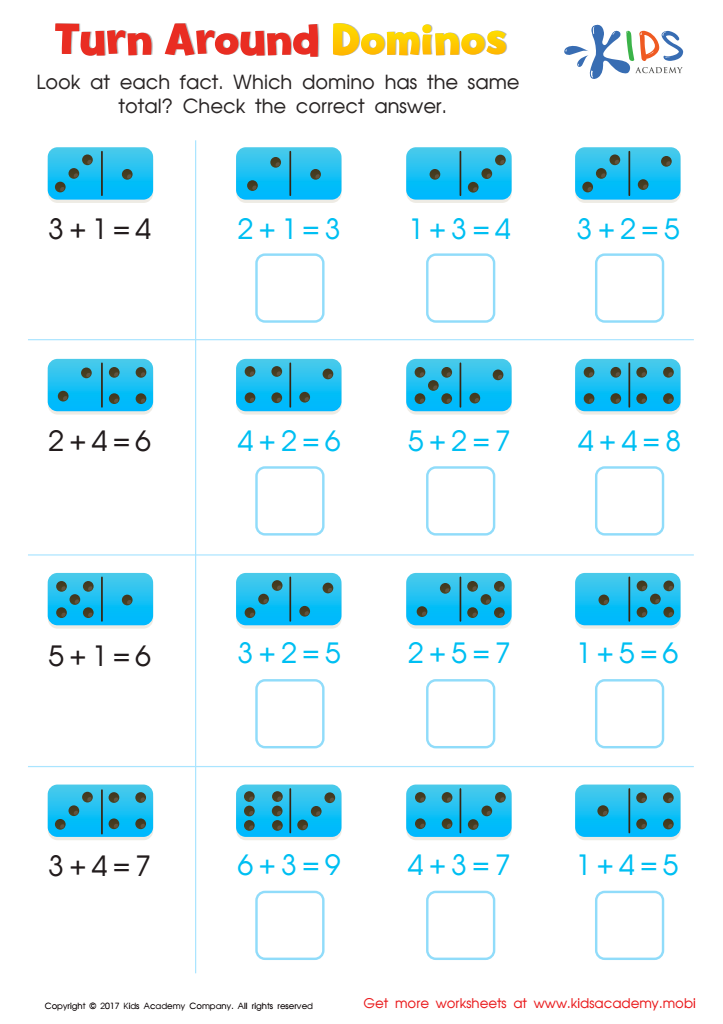
Turn Around Dominos Worksheet
 Assign to My Students
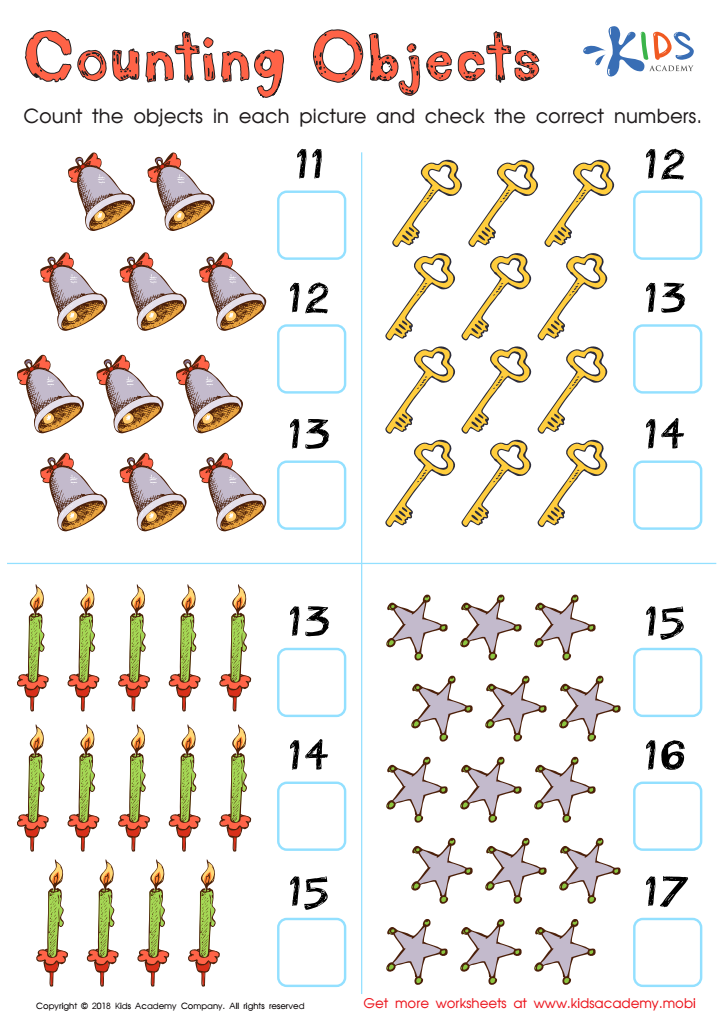
Counting Numbers Worksheet For Kindergarten
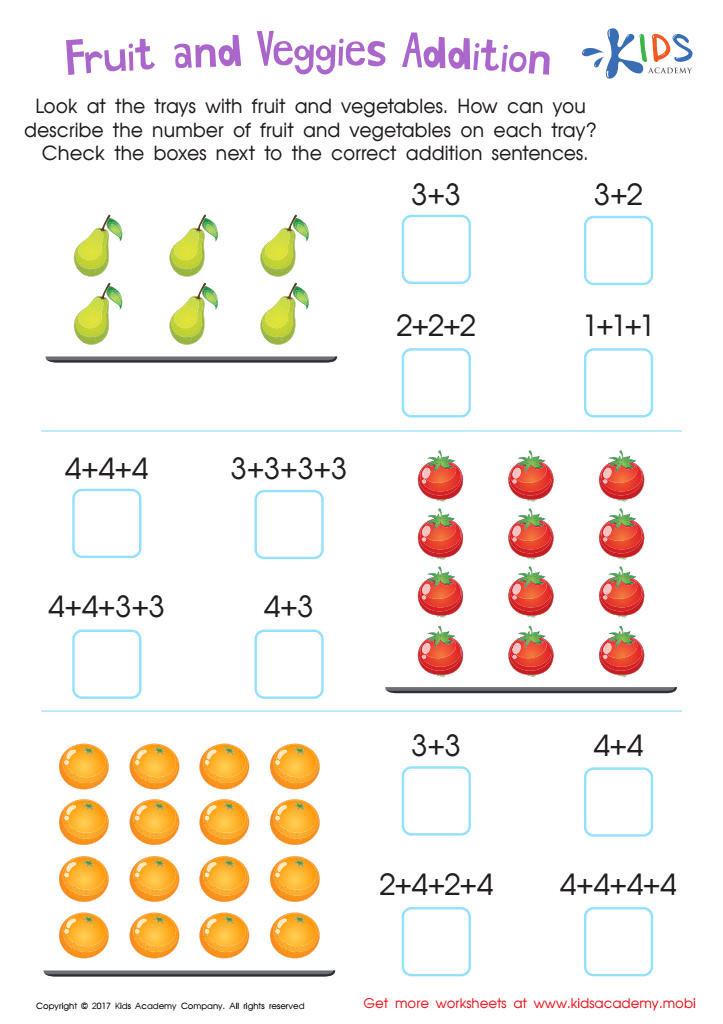
Fruit and Veggies Worksheet
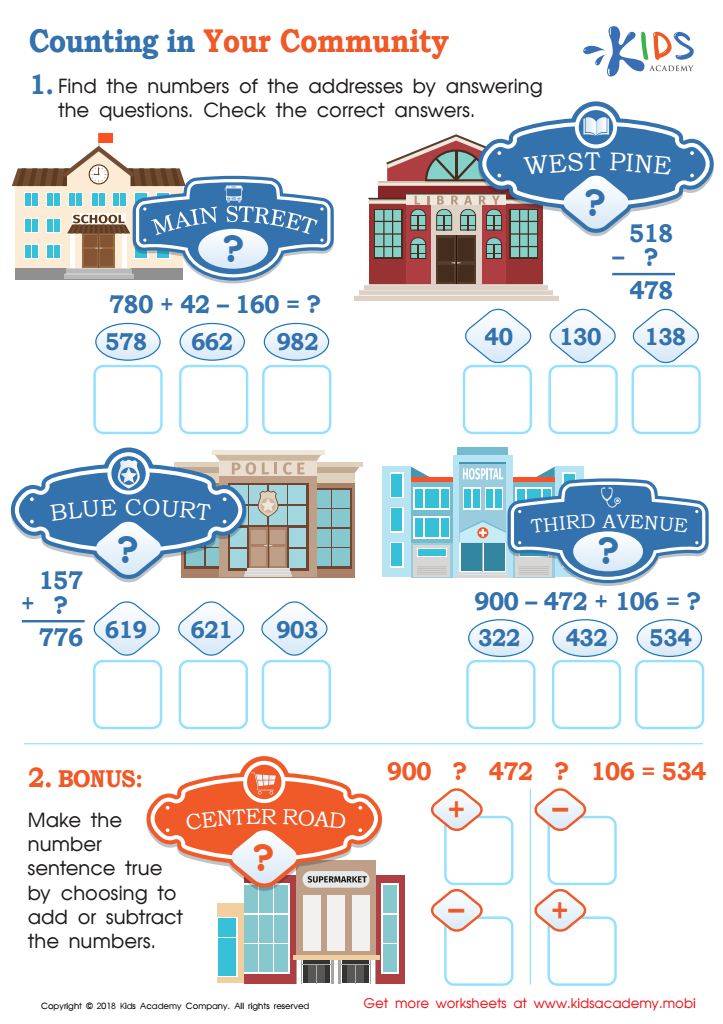
Counting in Your Community Worksheet
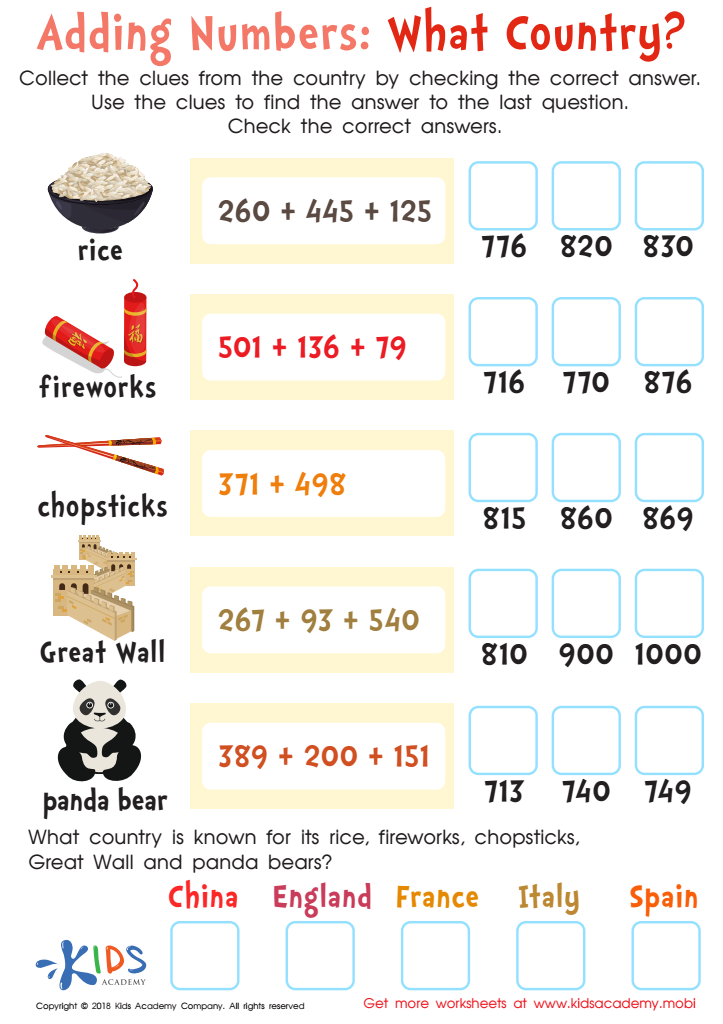
Adding Numbers: What Country Worksheet
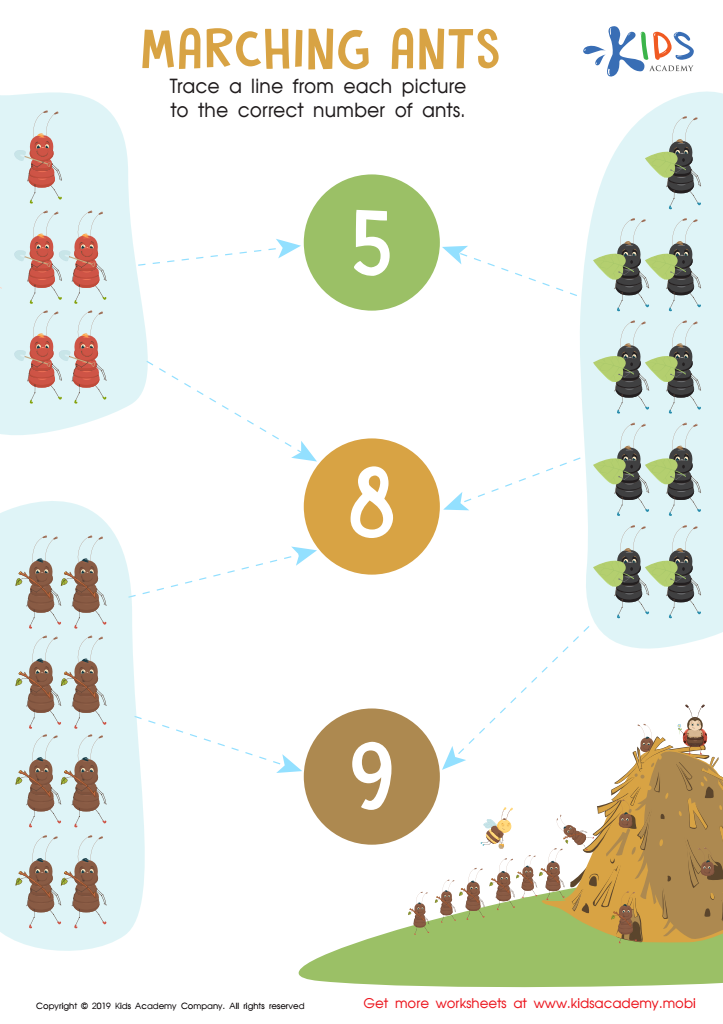
Marching Ants Worksheet





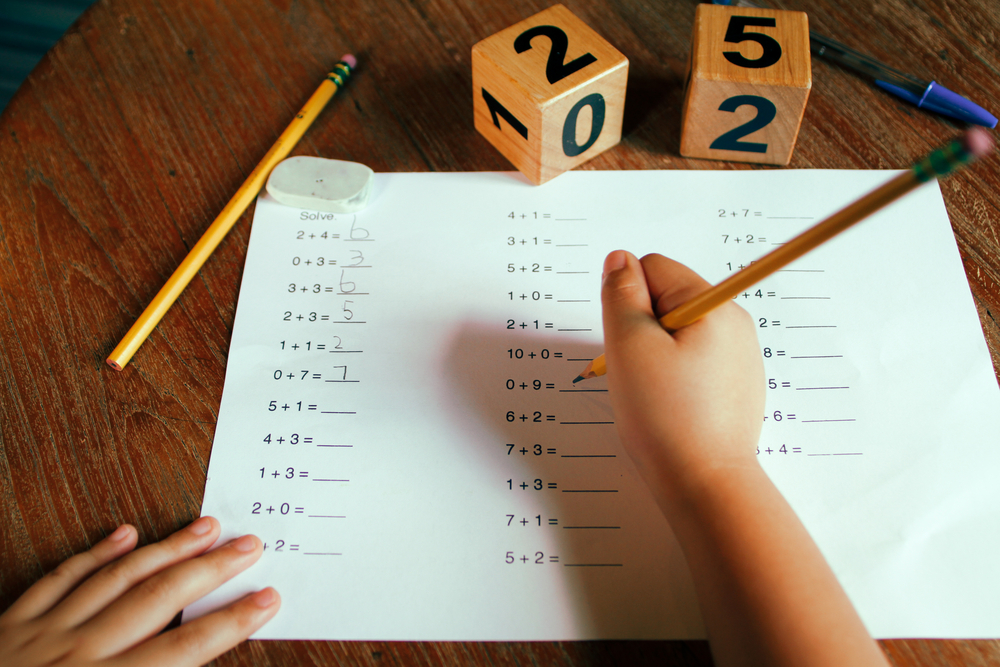


Basic addition skills using normal numbers are crucial for children aged 5-7, as they lay the foundation for essential mathematical concepts in later years. At this age, children are developing their cognitive and problem-solving skills, and effective addition serves as a gateway to understanding more complex mathematical operations. Mastering basic addition promotes not only number sense but also enhances critical thinking and analytical abilities.
For parents and teachers, nurturing these skills is vital as they contribute to children’s confidence and motivation in learning. Early competence in addition fosters an enjoyment of math, reducing anxiety toward the subject as they progress in their education. Additionally, addition plays a fundamental role in daily activities—such as counting items, sharing, and recognizing patterns—that children encounter outside the classroom.
Furthermore, strong addition skills set the stage for academic success in more advanced topics like subtraction, multiplication, and division. By encouraging the development of these fundamentals, parents and teachers can create a supportive environment that promotes lifelong learning and curiosity. Engaging children with fun and interactive addition activities can make the learning process enjoyable and effective, ensuring they grasp these essential skills that they will utilize throughout their lives.








