Addition Practice Normal Math Worksheets for Ages 5-7 - Page 2
36 filtered results
-
From - To
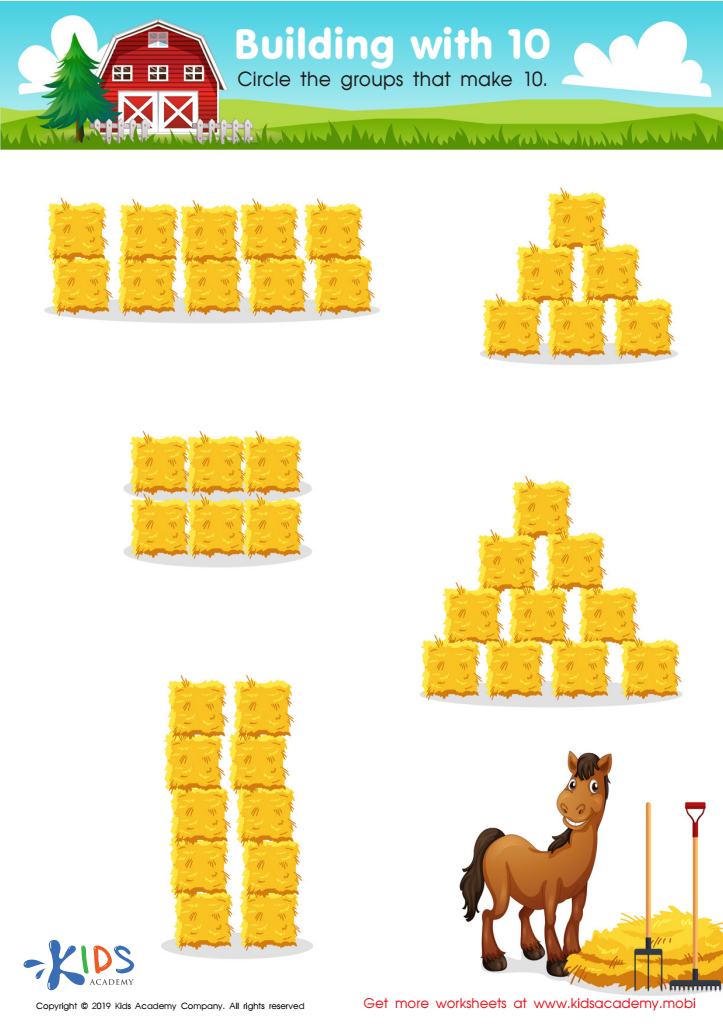
Building with 10 Worksheet
 Assign to My Students
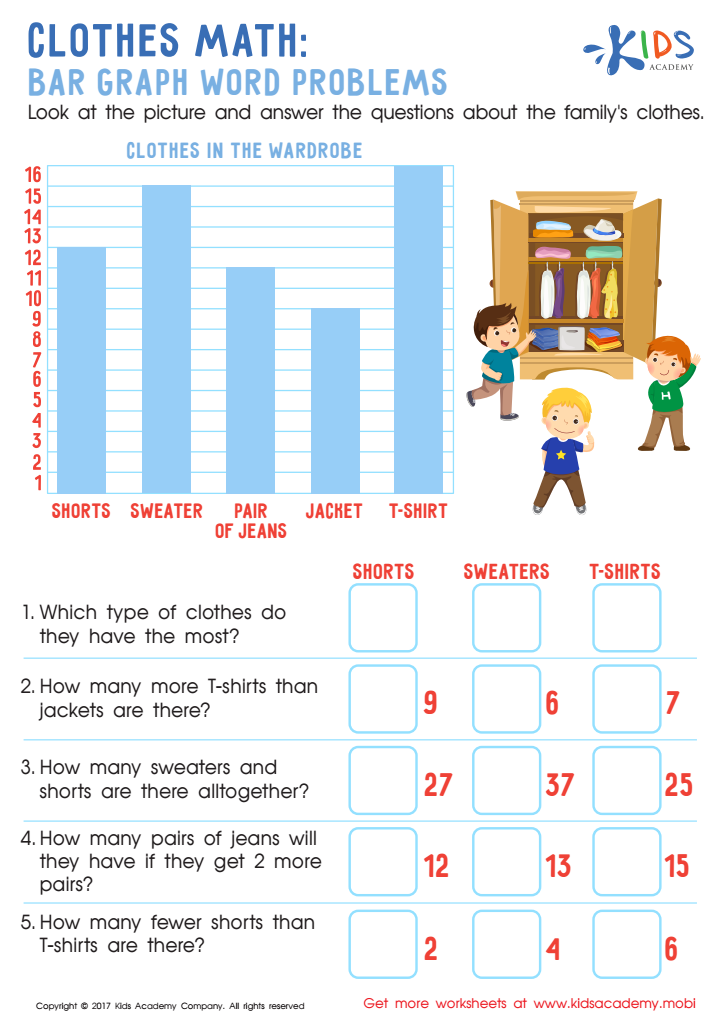
Clothes Math: Bar Graph Word Problems Worksheet
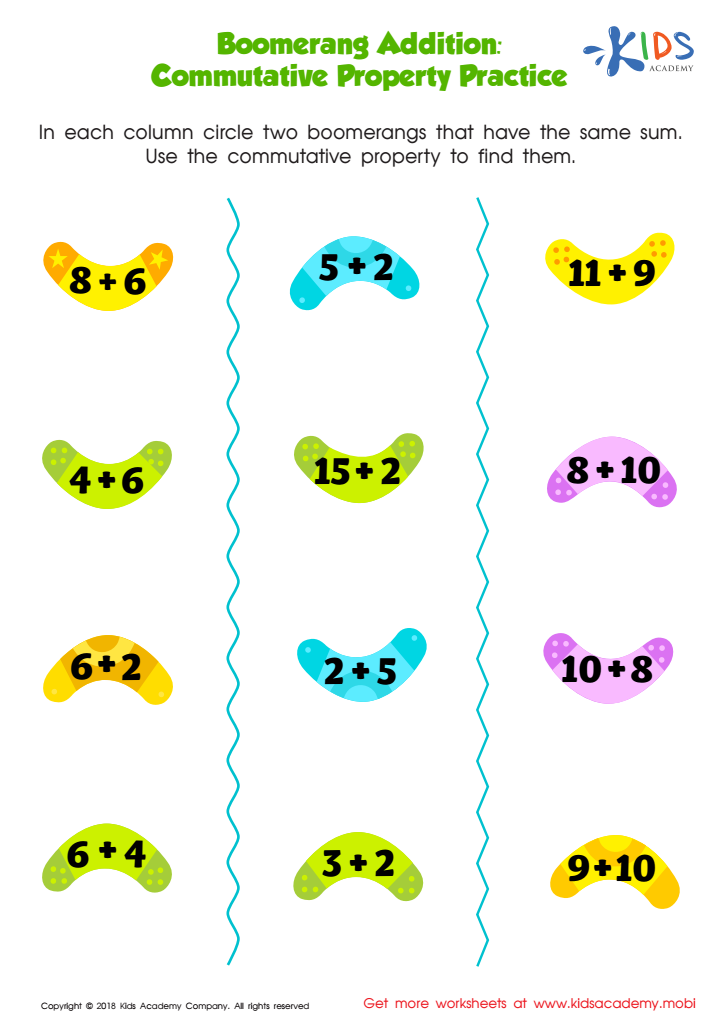
Boomerang Addition Worksheet
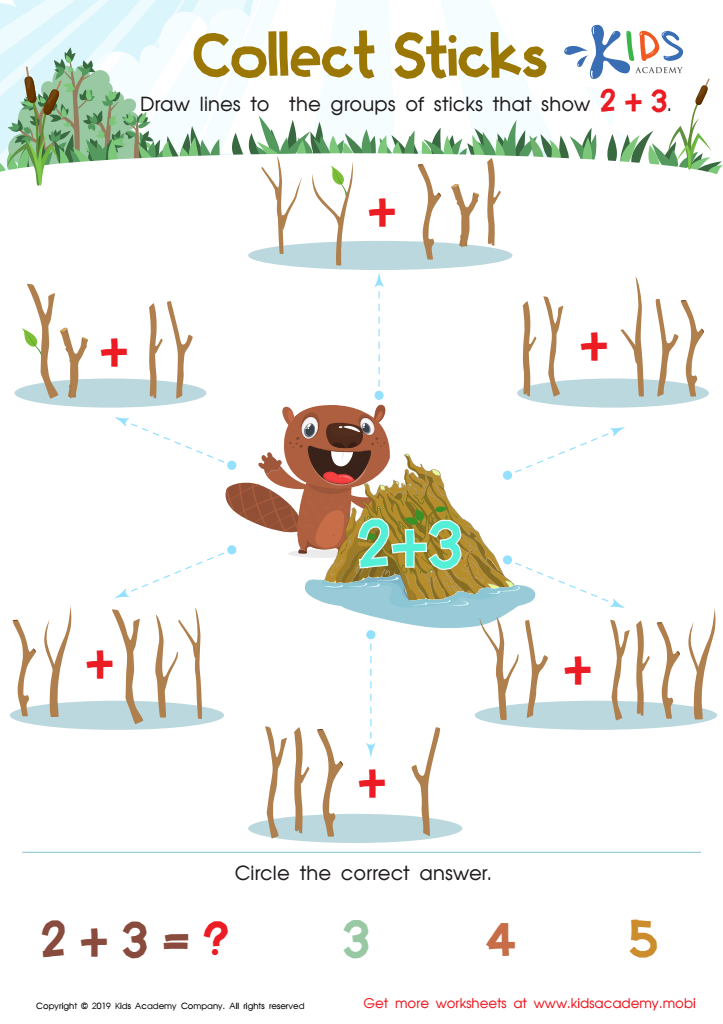
Collect Sticks Worksheet
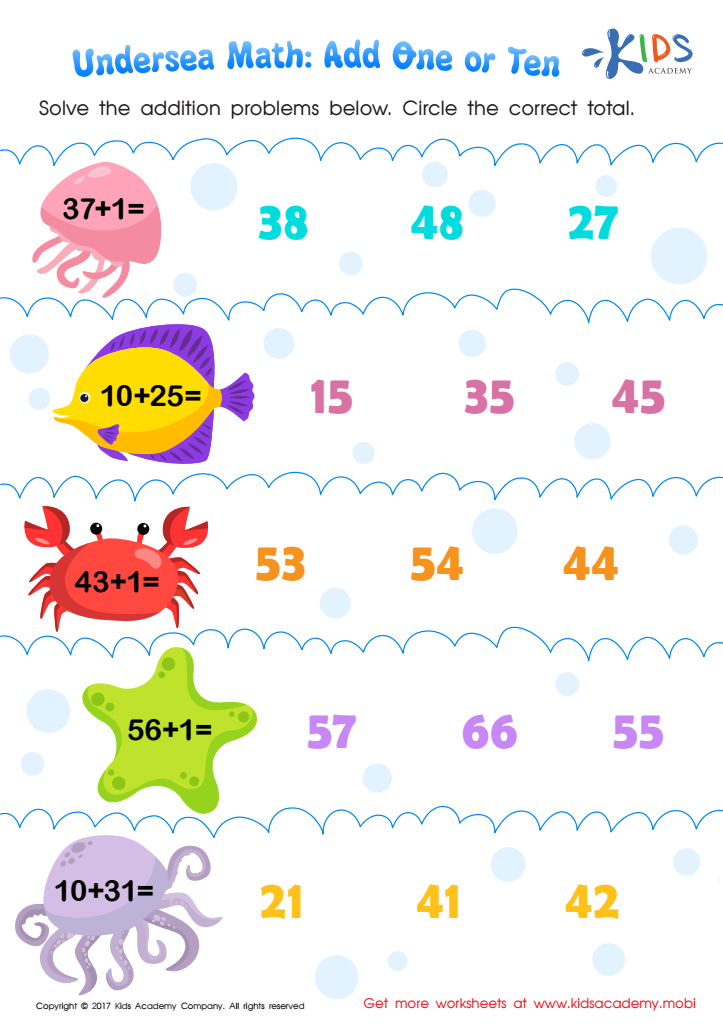
Undersea Math Worksheet
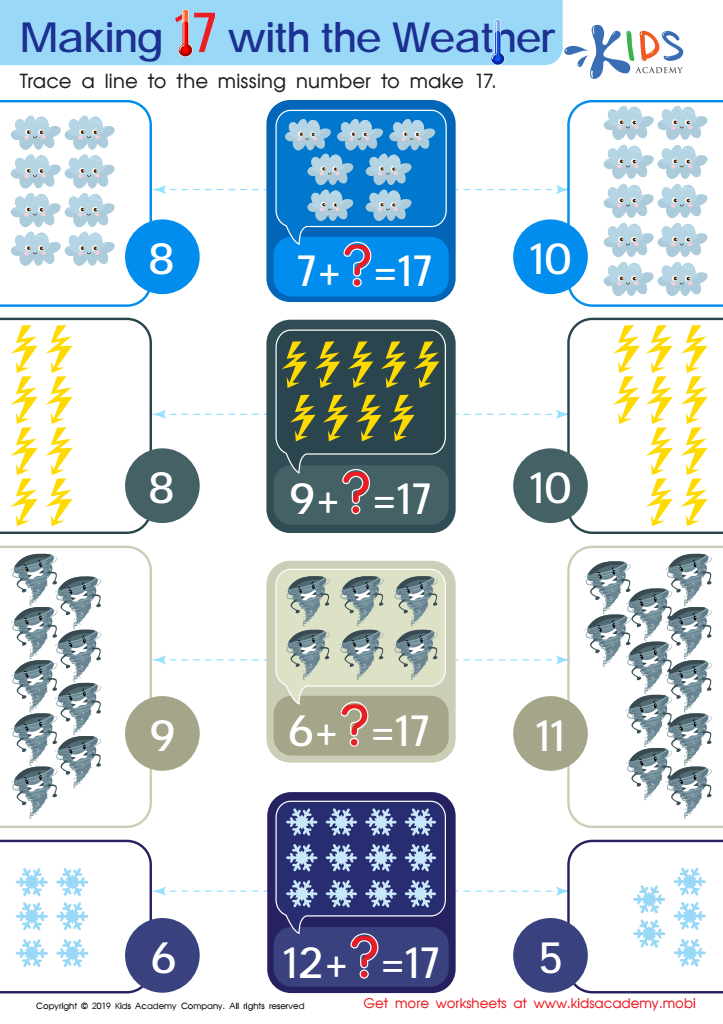
Making 17 with the Weather Worksheet
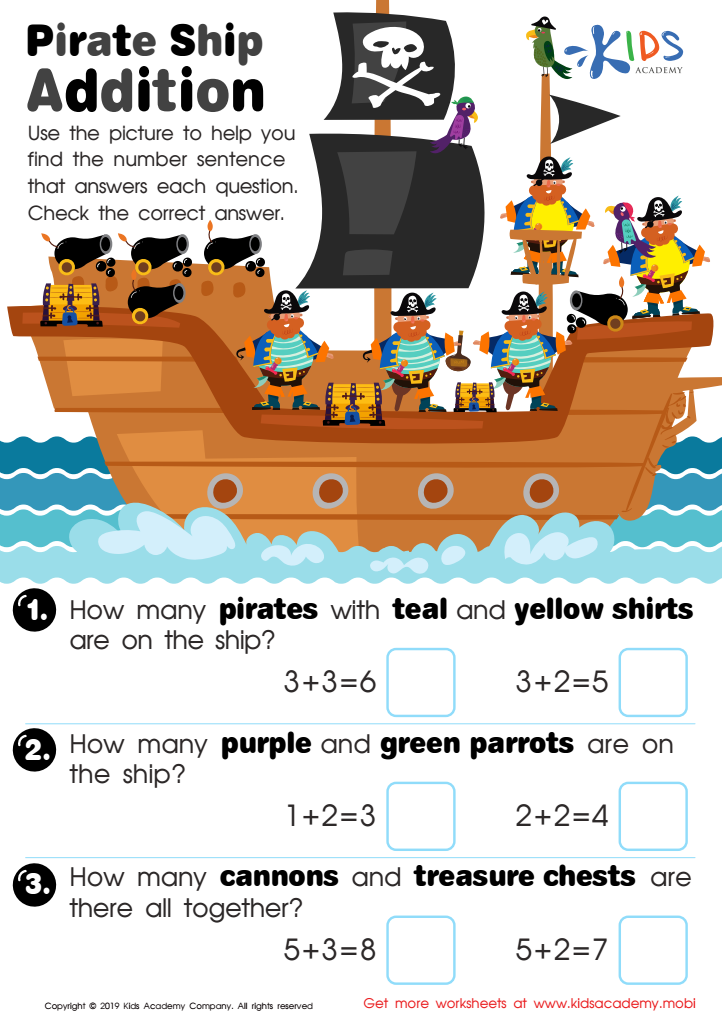
Pirate Ship Addition Worksheet
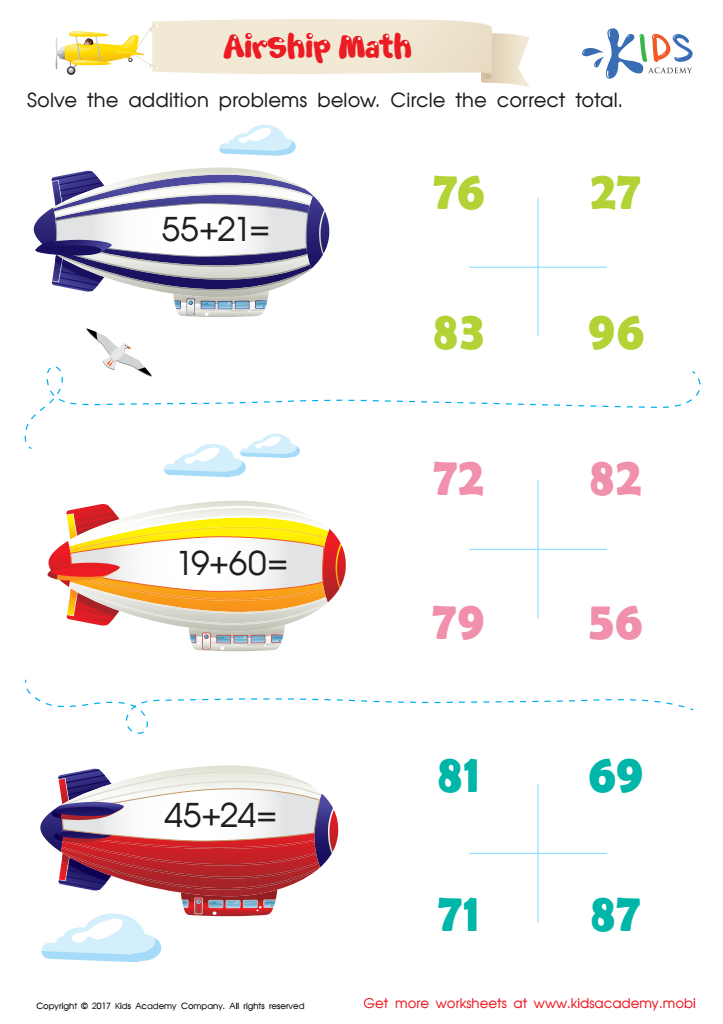
Airship Math Addition Printable
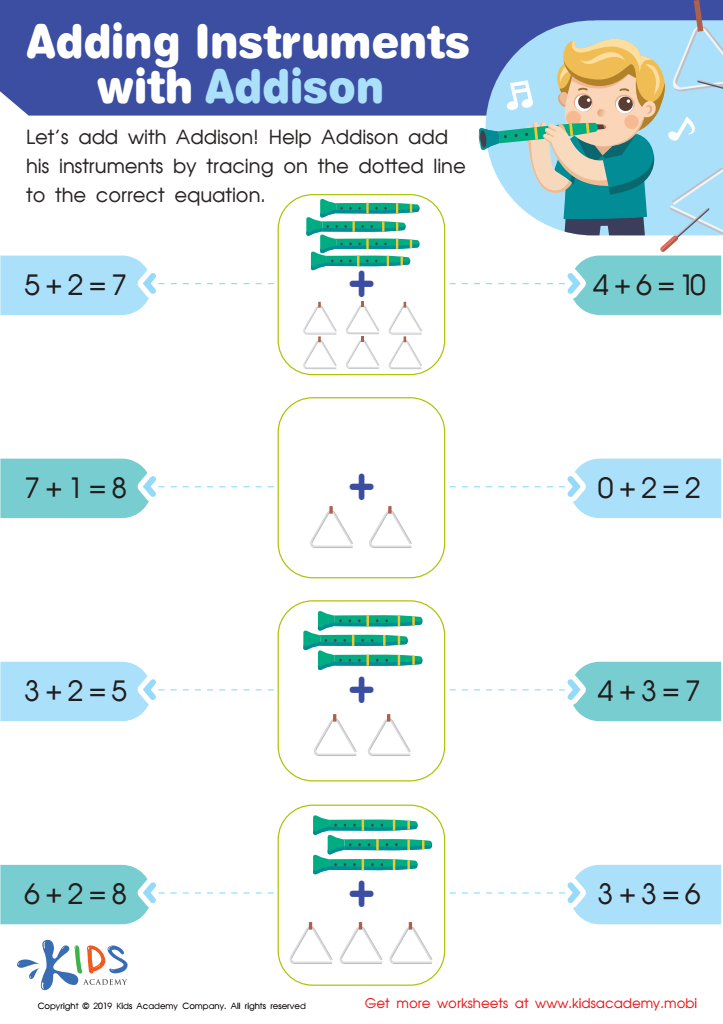
Adding Instruments with Addison Worksheet
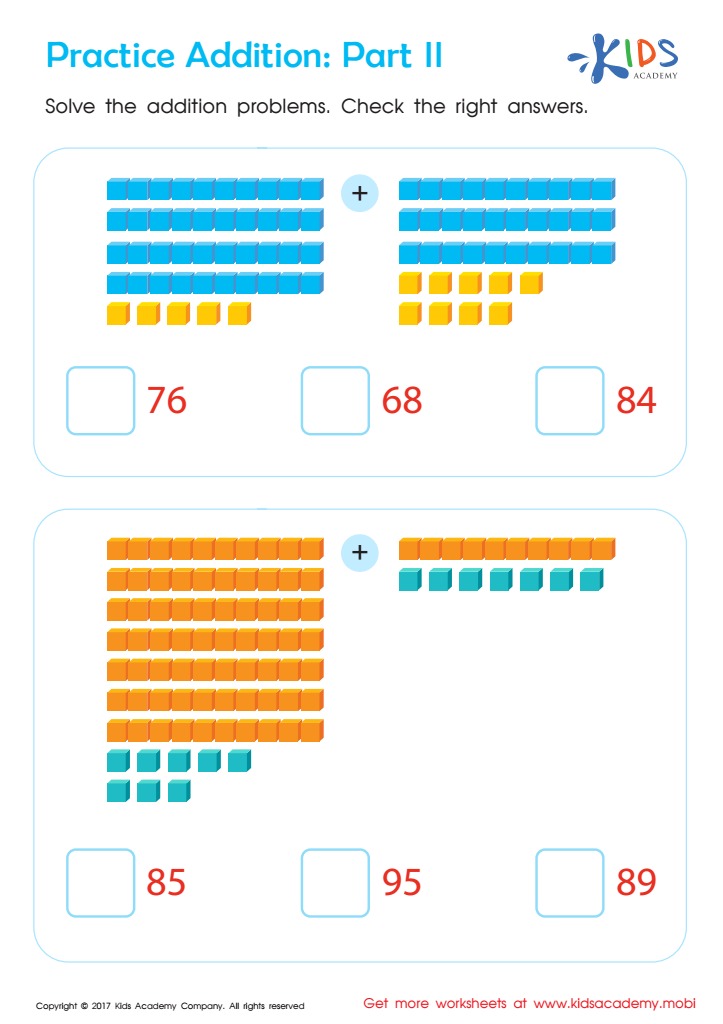
Practice Addition: Part 2 Worksheet
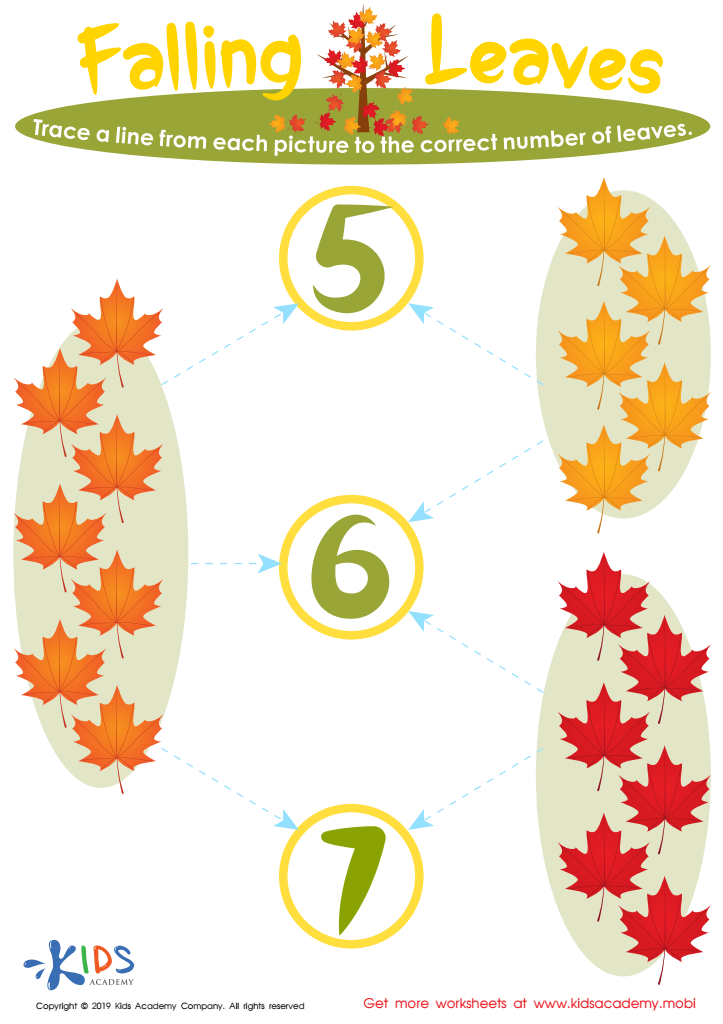
Falling Leaves Worksheet
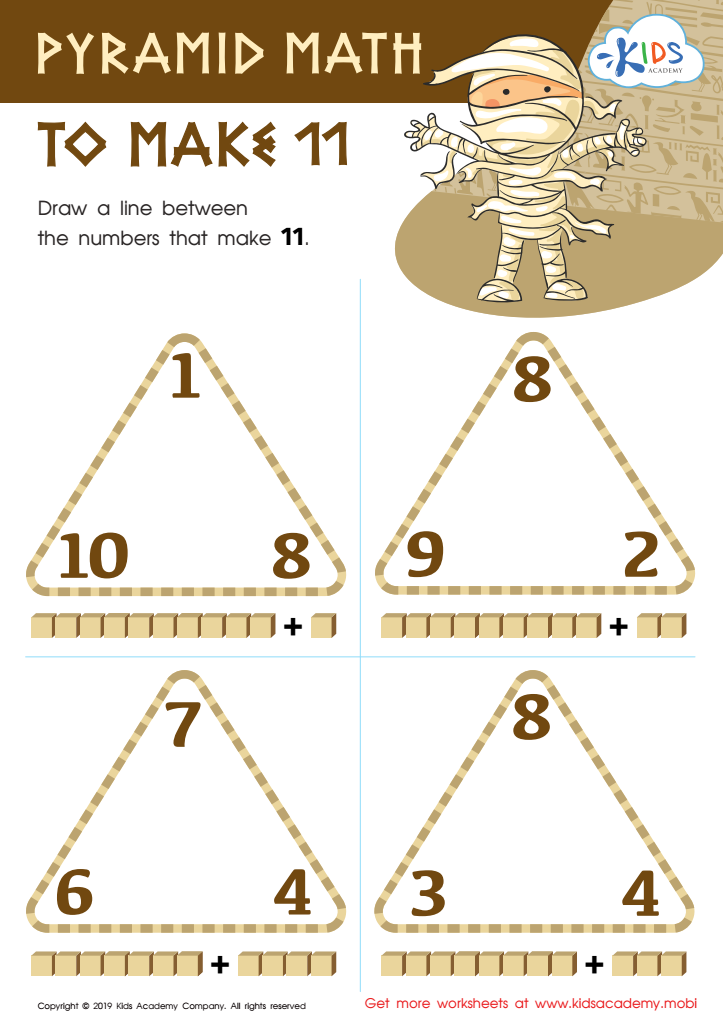
Pyramid Math to Make 11 Worksheet







Addition practice in early math education is crucial for children aged 5-7, as it lays the groundwork for their numerical comprehension and problem-solving abilities. At this age, young learners are developing essential cognitive skills, and practicing addition helps strengthen their mental math capabilities, fostering a sense of confidence and competence.
Parents and teachers should care about addition practice because it not only addresses fundamental math concepts but also enhances critical thinking skills. Engaging in regular addition exercises enables children to recognize patterns, understand relationships between numbers, and build perseverance when faced with challenging problems. Moreover, it helps establish a strong mathematical foundation that will benefit children in more advanced topics, such as subtraction, multiplication, and even word problems in later grades.
In addition, practicing addition can promote a positive attitude toward math, which is vital for lifelong learning. When parents and teachers are involved in this practice, they encourage a collaborative educational atmosphere, which can help shape children's perception of math as an accessible and enjoyable subject. Overall, prioritizing addition practice is essential for fostering both academic success and a love for learning in young children.








