Mental math practice Normal Math Worksheets for Ages 5-7
5 filtered results
-
From - To
Enhance your child’s math skills with our engaging Mental Math Practice worksheets, specifically tailored for ages 5-7. These normal math worksheets foster essential problem-solving abilities through fun, interactive activities that encourage kids to think quickly and confidently. Designed to align with early learning standards, our exercises cover a range of topics, including addition, subtraction, and basic number sense, ensuring a well-rounded grasp of foundational concepts. Whether used at home or in the classroom, these resources are perfect for maximising skill retention while keeping young learners motivated. Start your child's math adventure today and watch their confidence soar!
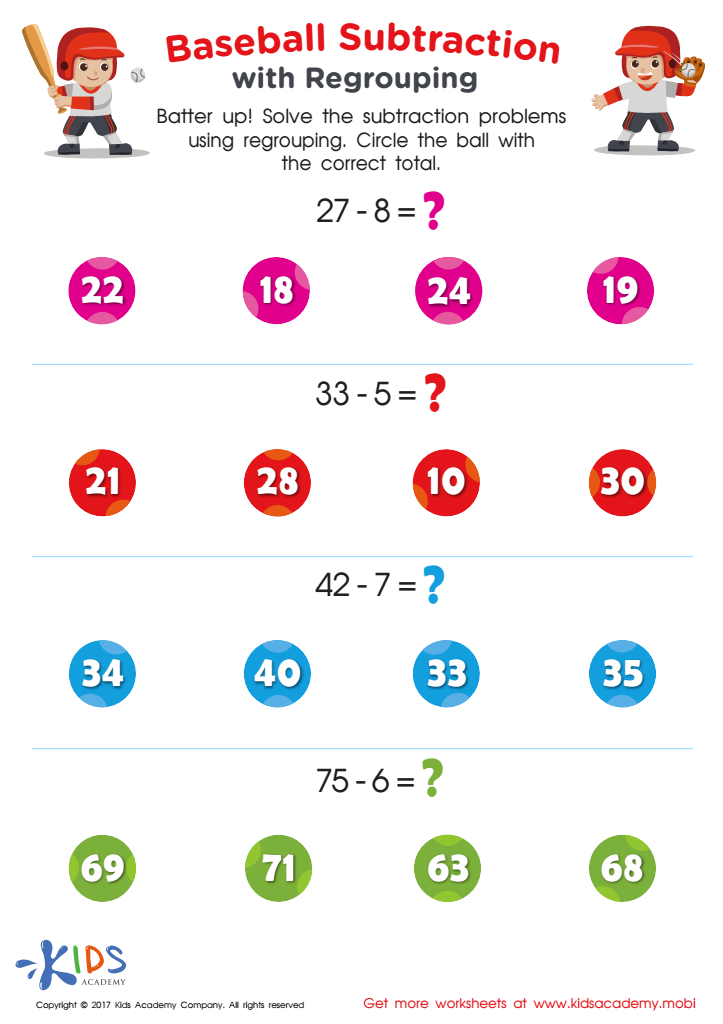
Subtraction With Regrouping for 2nd Grade Worksheet
 Assign to My Students
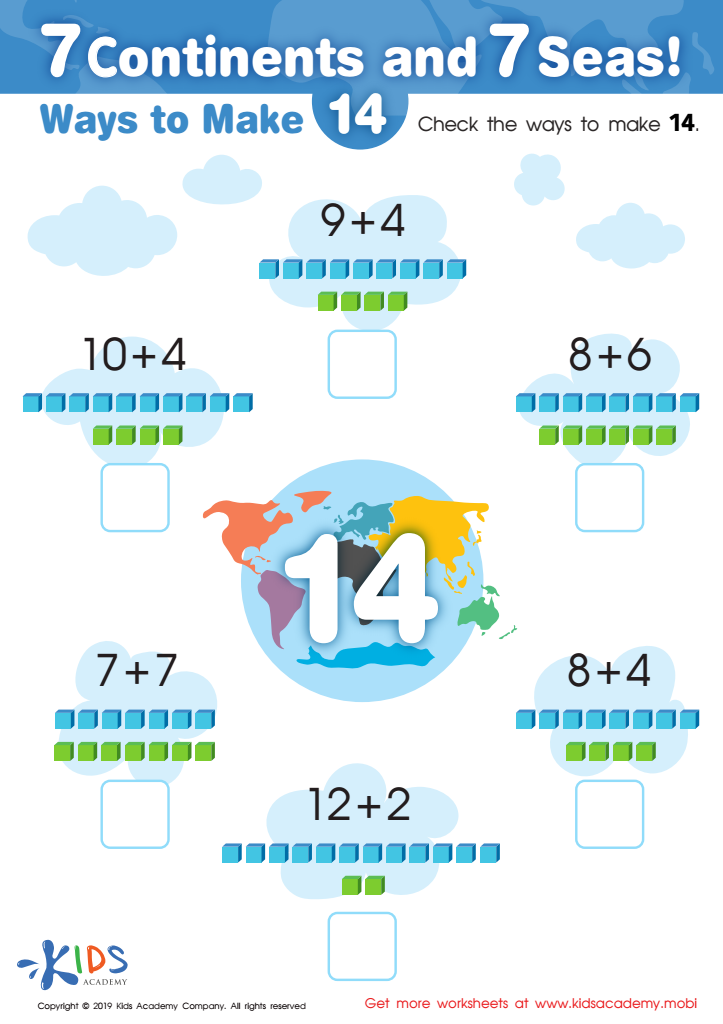
7 Continents and 7 Seas Worksheet
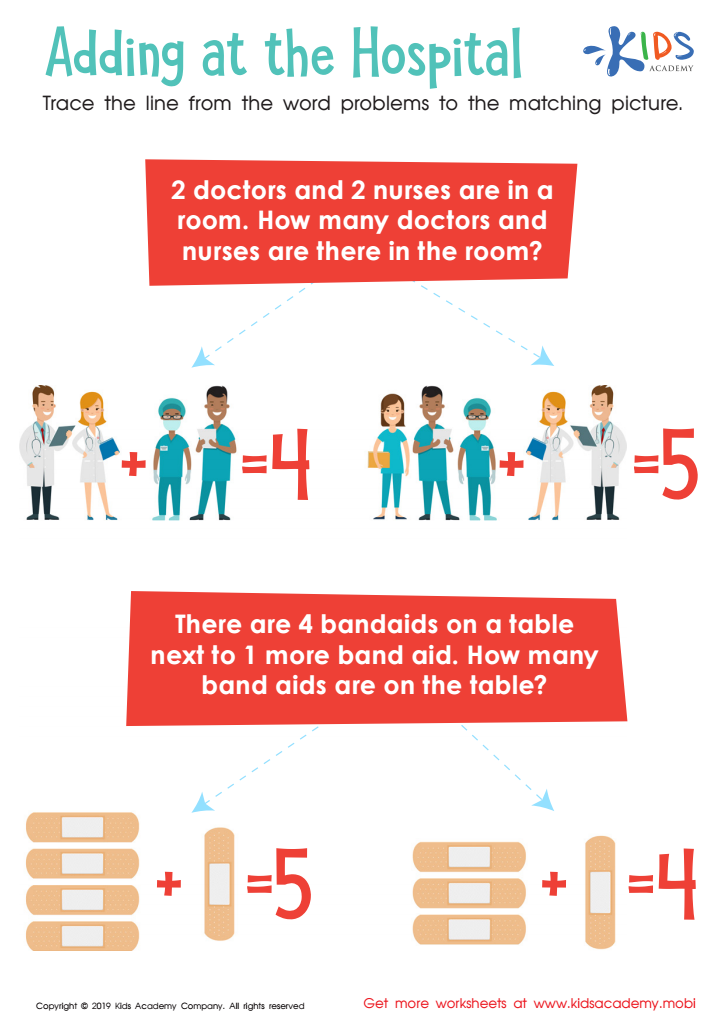
Adding at the Hospital Worksheet
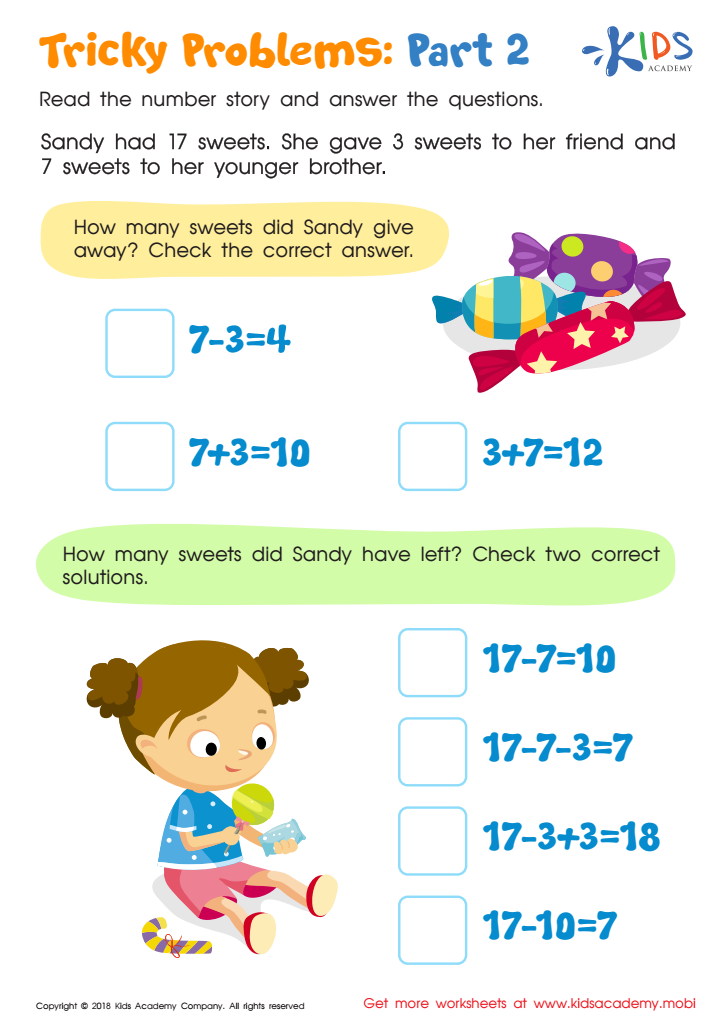
Tricky Problems Worksheet: Part 2
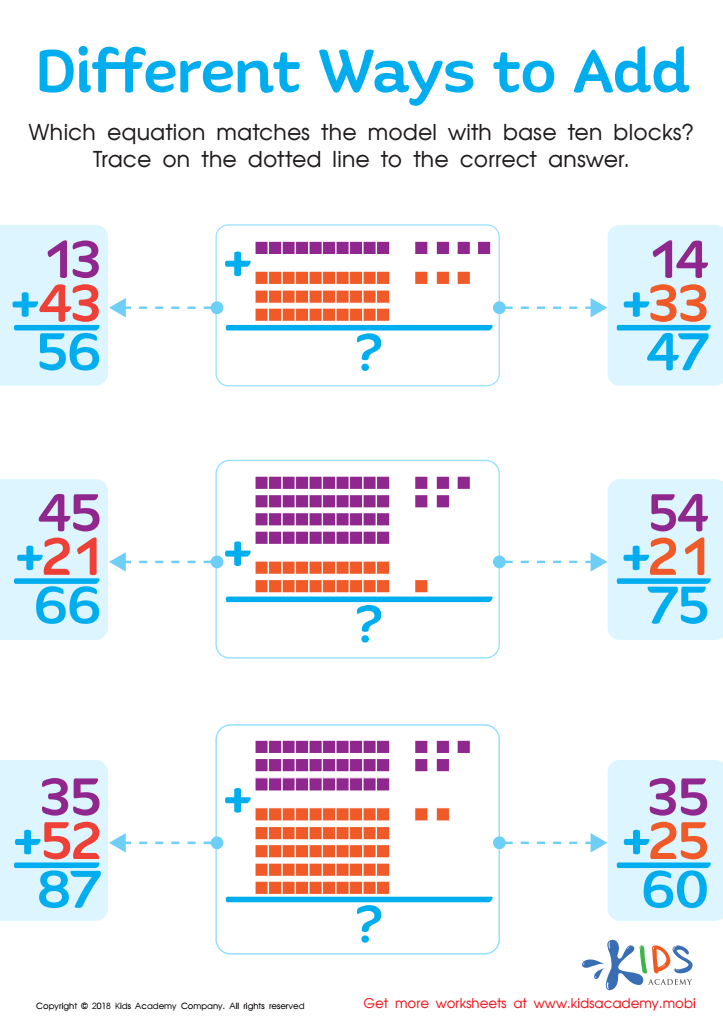
Different Ways to Add Worksheet







Mental math practice is essential for children aged 5-7, as it builds a strong foundation for their mathematical understanding and cognitive development. Parents and teachers should prioritize this practice because it fosters critical thinking, enhances problem-solving skills, and boosts confidence in young learners. When children engage in mental math, they learn to visualize numbers, develop number sense, and create mathematical relationships in their minds, which is crucial for their future success in math.
Moreover, mental math encourages quick calculations without relying on calculators or written methods, promoting independence and agile thinking. It cultivates a positive attitude towards math, making it less intimidating and more enjoyable for children. Regular practice also strengthens memory and concentration, helping children focus better across other subjects.
Additionally, incorporating fun games and daily math challenges can make learning enjoyable, turning it into a shared family experience. This engagement fosters a supportive learning environment, reinforcing the idea that math is a valuable and fun skill. Ultimately, by emphasizing mental math practice, parents and teachers are equipping children with tools that lay the groundwork for academic achievement and lifelong numeracy skills.








