
Visual Perception Skills Normal Math Worksheets for Ages 5-7
3 filtered results
Difficulty Level
Grade
Age
-
From - To
Subject
Activity
Standards
Enhance your child’s visual perception skills with our engaging math worksheets designed specifically for children ages 5-7. These worksheets incorporate colorful visuals and interactive activities that make learning fun while developing critical visual discrimination, spatial awareness, and recognition skills essential for math success. Perfect for early education, our materials facilitate hands-on practice with shapes, patterns, and problem-solving tasks, allowing young learners to build a strong mathematical foundation. Use these worksheets at home or in the classroom to support your child's learning journey and watch their confidence in math grow! Explore a versatile range of exercises aimed at mastering foundational math concepts today.
Favorites
With answer key
Interactive
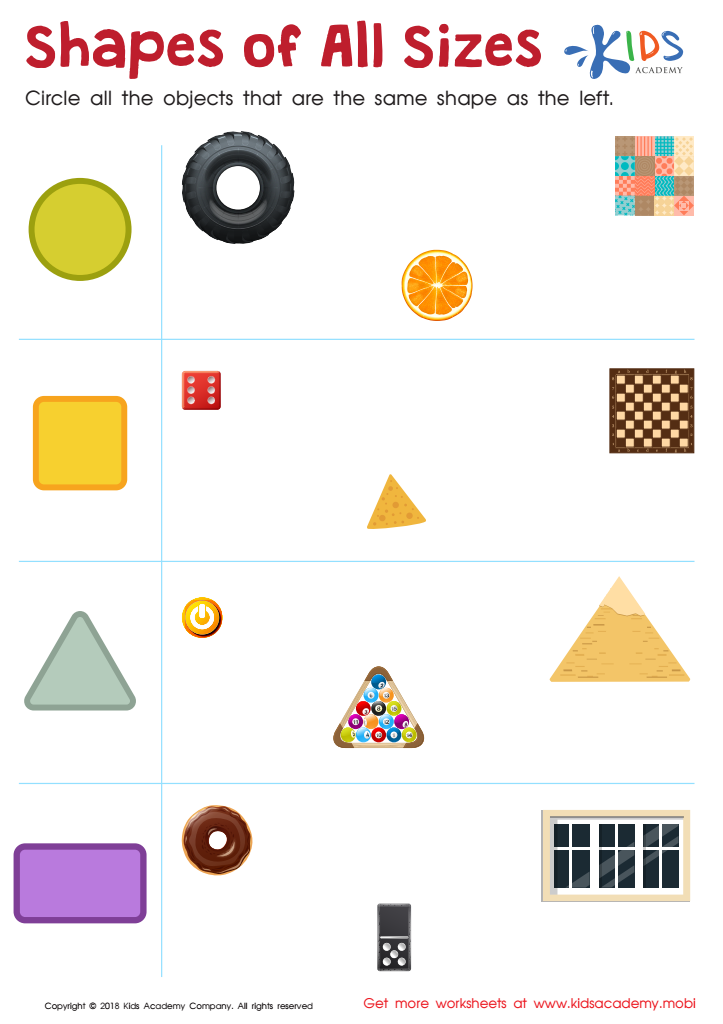
Shapes of All Sizes Worksheet
Students will have fun comparing basic shapes to familiar objects with this worksheet. It's an excellent way to help them recognize similarities in geometric shapes, building strong foundations for understanding congruence and similarity.
 Assign to My Students
Shapes of All Sizes Worksheet
Worksheet
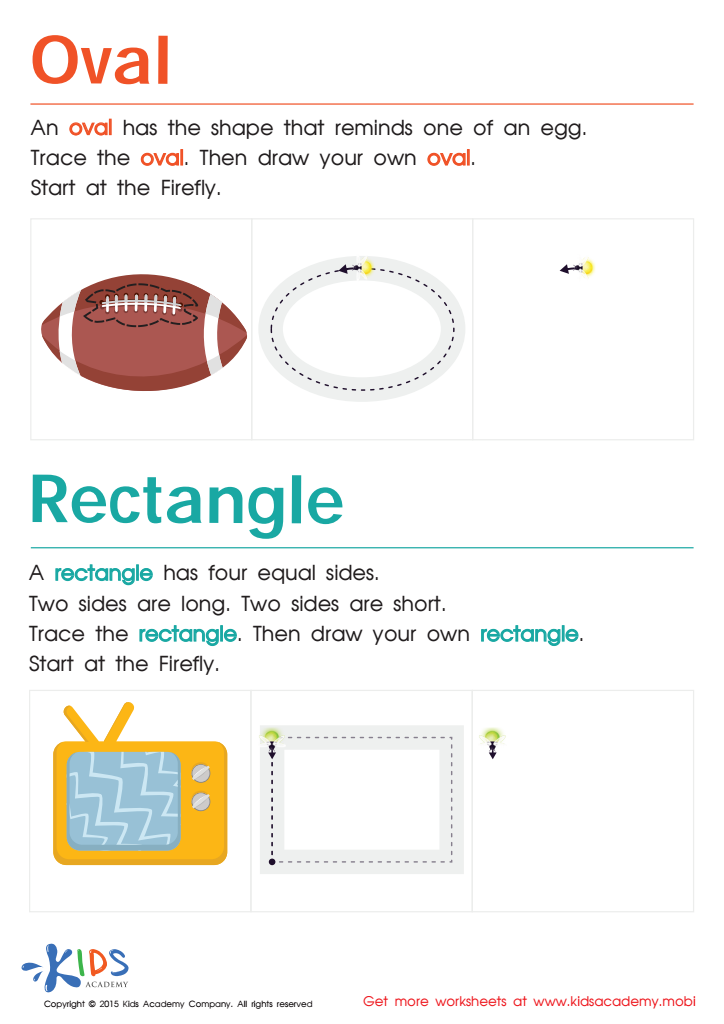
Easy Drawing of Ovals And Rectangles Worksheet
Kids Academy offers free geometry worksheets to make learning more fun and interesting. Trace an oval, rectangle, and many other shapes!
Easy Drawing of Ovals And Rectangles Worksheet
Worksheet
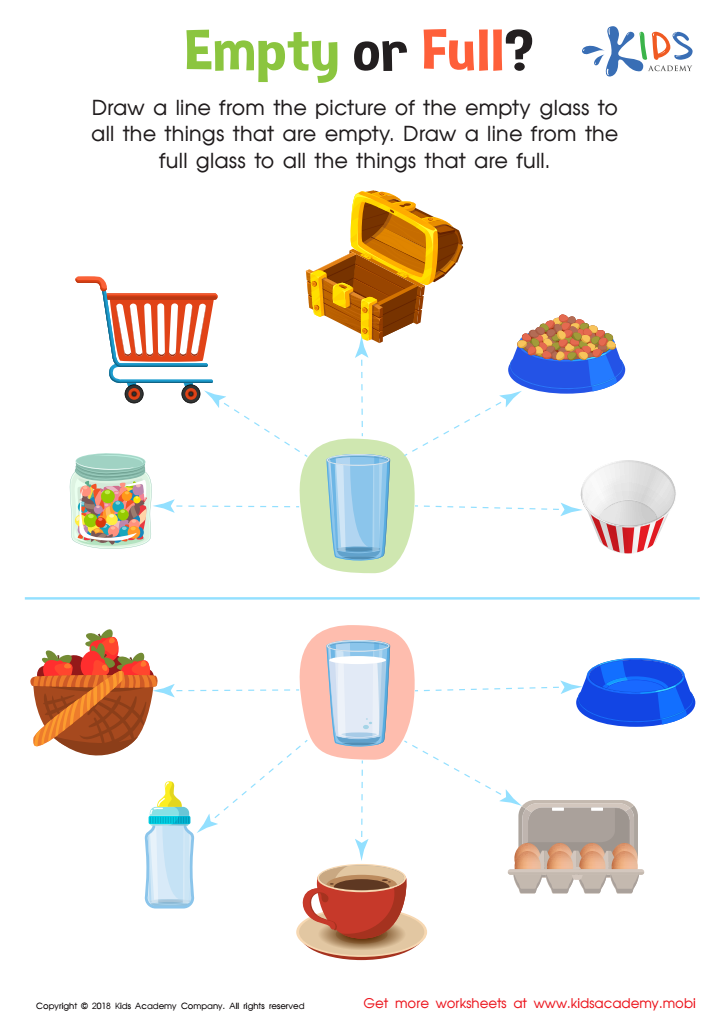
Empty or Full? Worksheet
Let students get to grips with the concepts of empty and full with this PDF worksheet. It uses fun, bright pictures to help them comprehend the difference and also helps develop fine-motor skills with tracing lines. Kids will be proud of themselves as they get answers right!
Empty or Full? Worksheet
Worksheet
Join Kids Academy for Free
Who is primarily going to use this learning content?




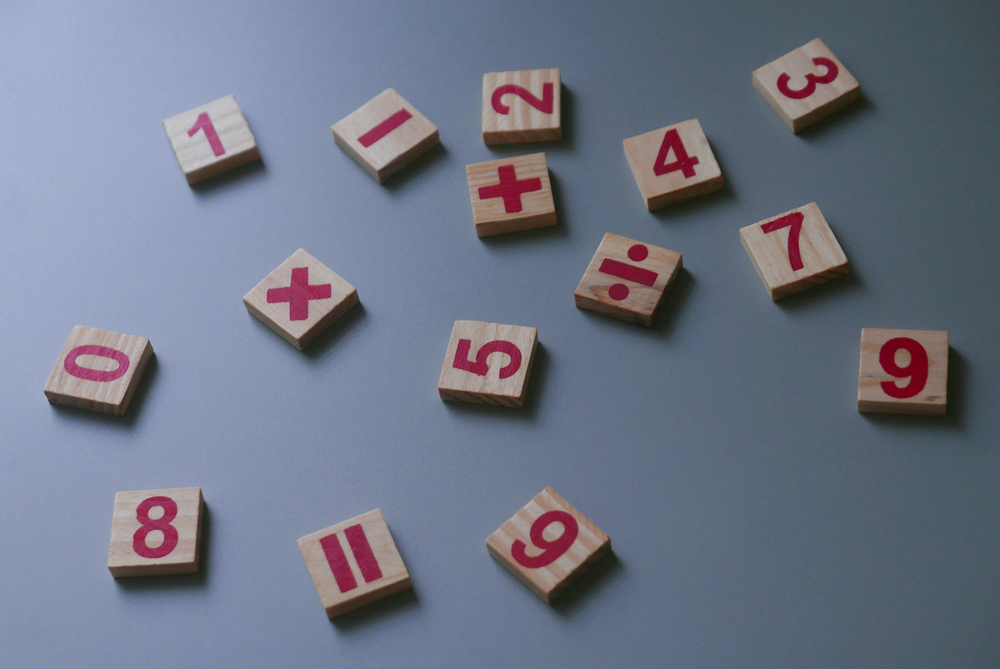



Visual perception skills are fundamental for children aged 5-7, particularly concerning their understanding of math concepts. During these pivotal early years, children are building foundational cognitive skills, and visual perception plays a crucial role in mathematics education. These skills enable children to interpret and make sense of visual information, such as shapes, patterns, and spatial relationships, which are prominent in math activities.
When children develop strong visual perception abilities, they can help recognize numbers and understand mathematical concepts like addition, subtraction, and comparisons more effectively. For instance, being able to differentiate between similar shapes or recognize patterns is essential when children get introduced to geometry or even basic arithmetic. Poor visual perception can lead to difficulties in engaging with math content, potentially resulting in frustration and diminished confidence in their abilities.
Moreover, by actively fostering these skills at home and in the classroom, parents and teachers can promote not only math success but also overall academic achievement and critical thinking abilities. Supporting children in enhancing their visual perception enriches their learning experiences, preparing them for more complex concepts as they progress through school. Investing time in these skills during the formative years can set the stage for lifelong learning and cognitive development.








