Vocabulary expansion Normal Math Worksheets for Ages 5-7
4 filtered results
-
From - To
Elevate your child's math skills with our engaging vocabulary expansion math worksheets designed for ages 5-7. These educational worksheets seamlessly integrate mathematical concepts with essential vocabulary-building exercises, fostering both numerical proficiency and language development. By combining key math terms with fun, age-appropriate activities, these worksheets help young learners grasp foundational concepts with ease and confidence. Ideal for early grade students, each worksheet encourages critical thinking, problem-solving, and enhances comprehension skills. Visit Kids Academy to unlock a world of learning where math and language go hand-in-hand, ensuring your child's academic success in a playful and interactive way.
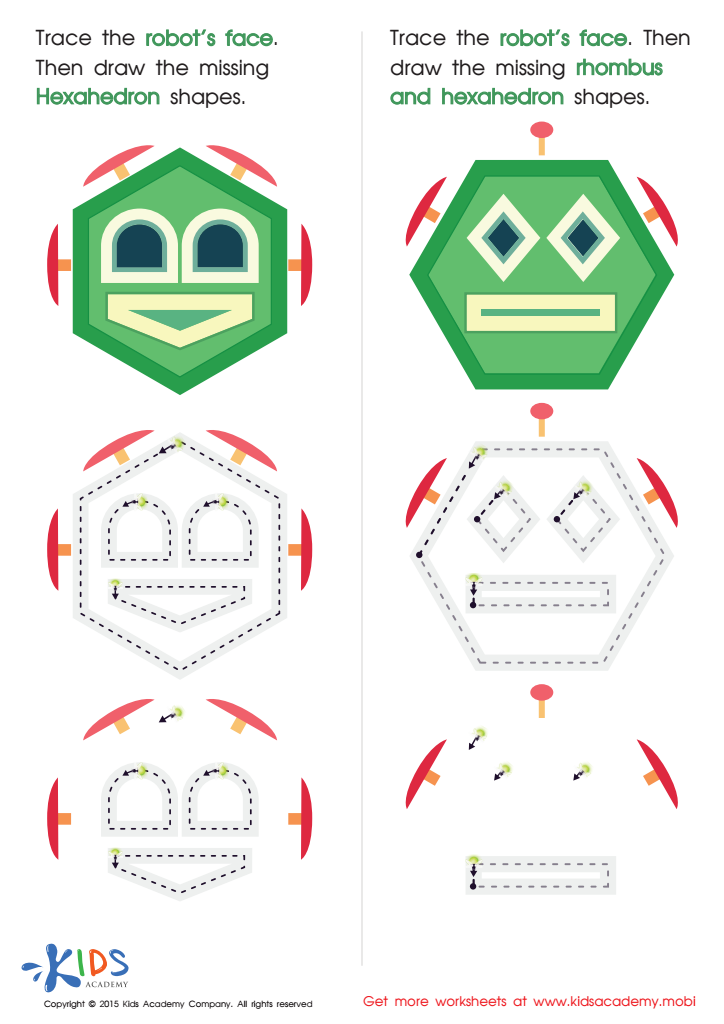
Practice Drawing Hexahedrons And a Rhombus Worksheet
 Assign to My Students
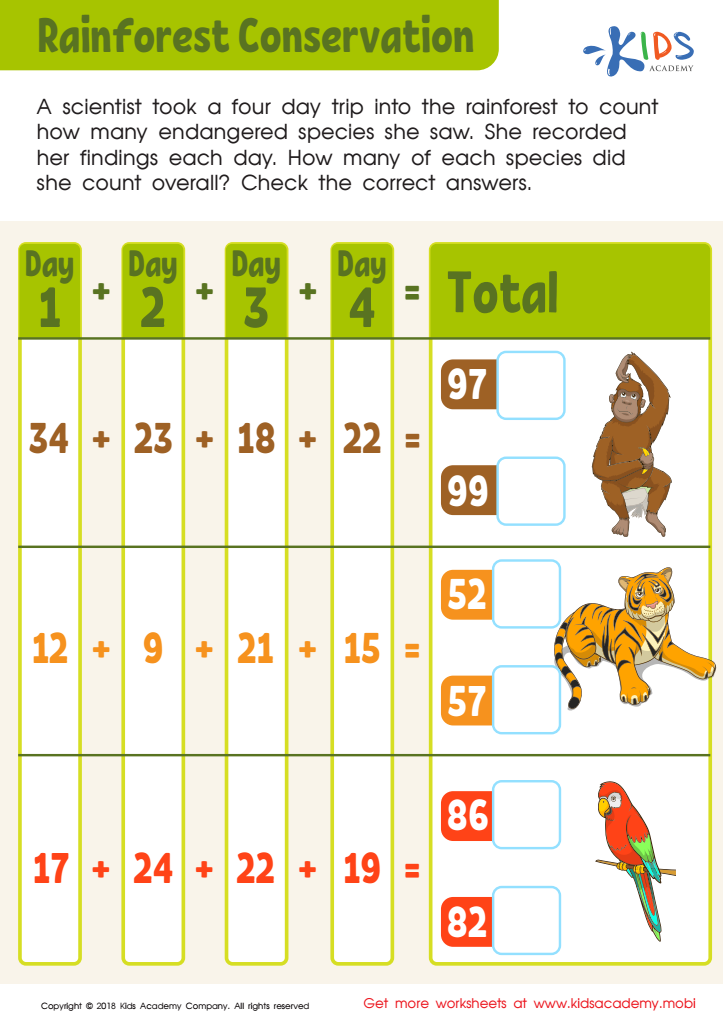
Rainforest Conservation Worksheet
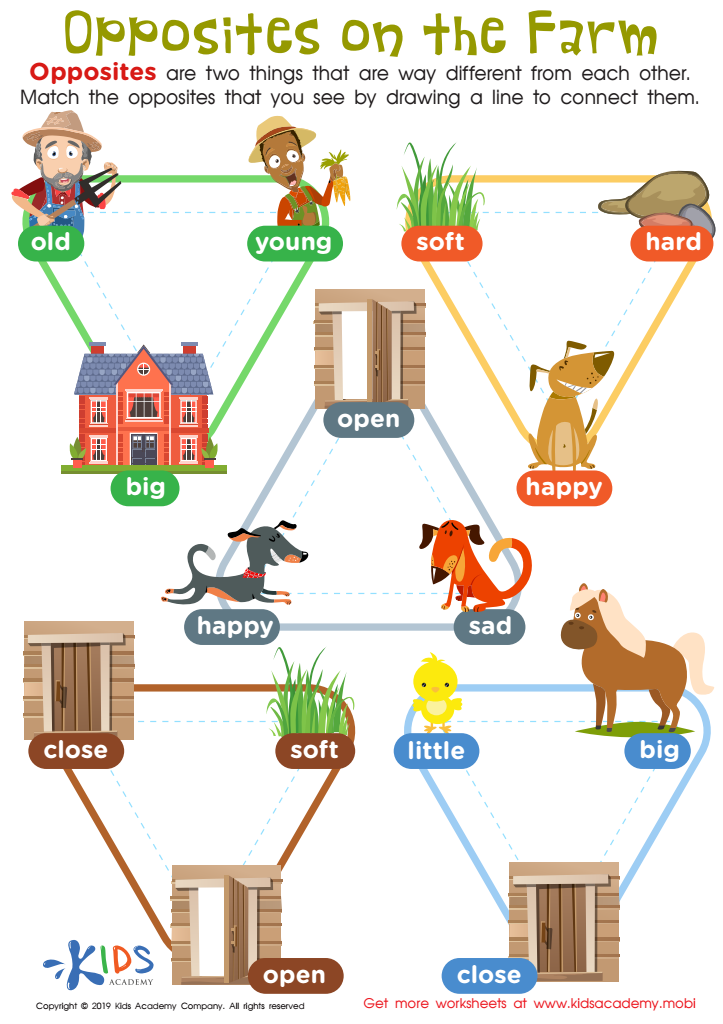
Opposites on the Farm Worksheet
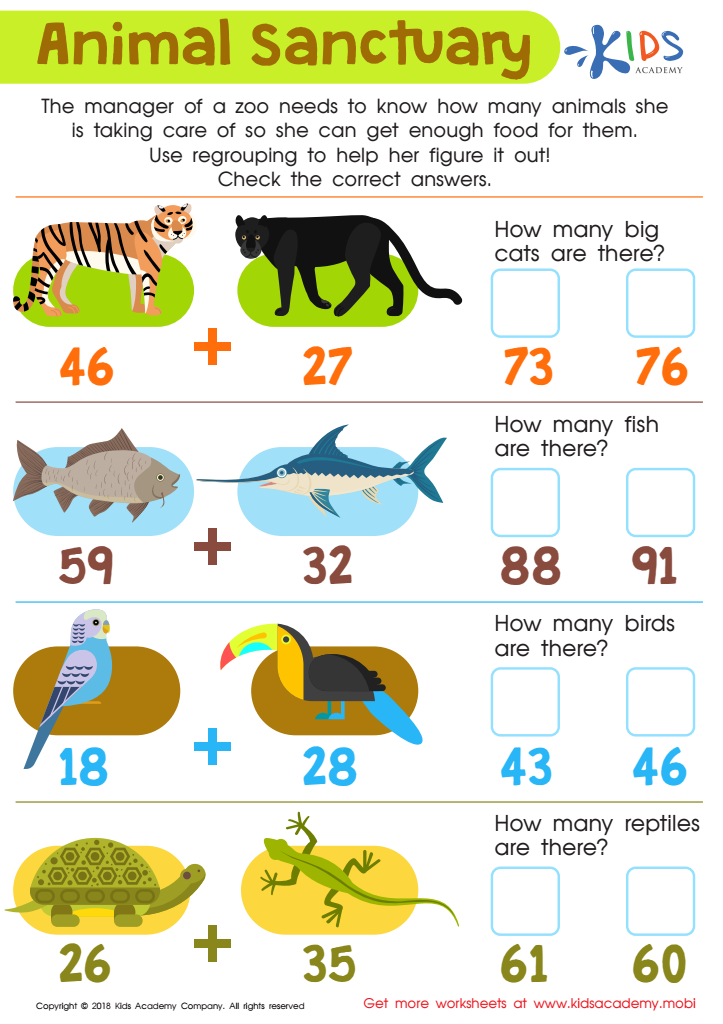
Animal Sanctuary Worksheet








Vocabulary expansion in conjunction with normal math skills for children aged 5-7 forms the foundation for future academic success and cognitive development. First, expanding vocabulary aids in reading comprehension, a skill integral to all learning areas. When children understand the terminology used in math problems, they are better equipped to grasp concepts, follow instructions, and solve problems effectively.
Second, strong vocabulary and math skills enhance critical thinking. Describing mathematical processes verbally requires thorough understanding and encourages clear, logical thought. For example, explaining the concept of addition using terms like "sum" and "addend" deepens a child’s grasp of the operation beyond rote memorization.
Parents and teachers who prioritize vocabulary enrichment also improve communication skills, enabling children to articulate their ideas and ask questions more effectively. This can reduce frustration and foster a positive attitude towards learning. Moreover, as math becomes more complex over the years, a refined vocabulary will be essential for understanding advanced concepts.
Lastly, early vocabulary and math achievement often correlate with later academic performance, setting a strong foundation for lifelong learning and problem-solving skills. Encouraging rich, math-related dialogue in young children can spark curiosity and a love for learning, benefiting them in all academic and personal endeavors.








