Normal Reading Worksheets for Ages 5-7 - Page 12
266 filtered results
-
From - To
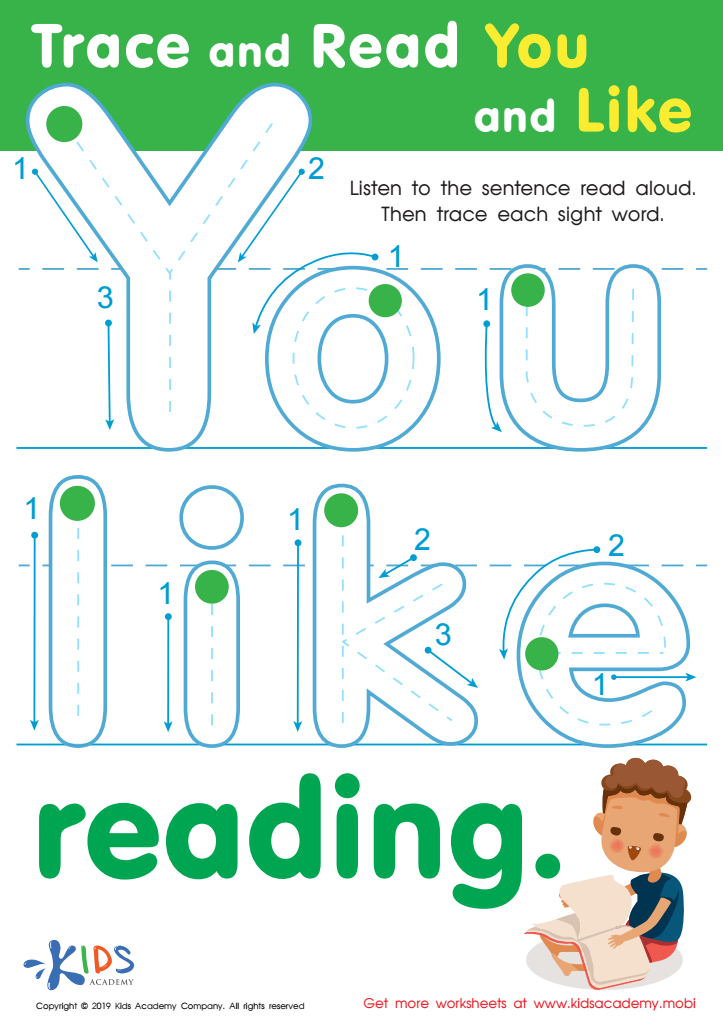
Trace Read You Like Worksheet
 Assign to My Students
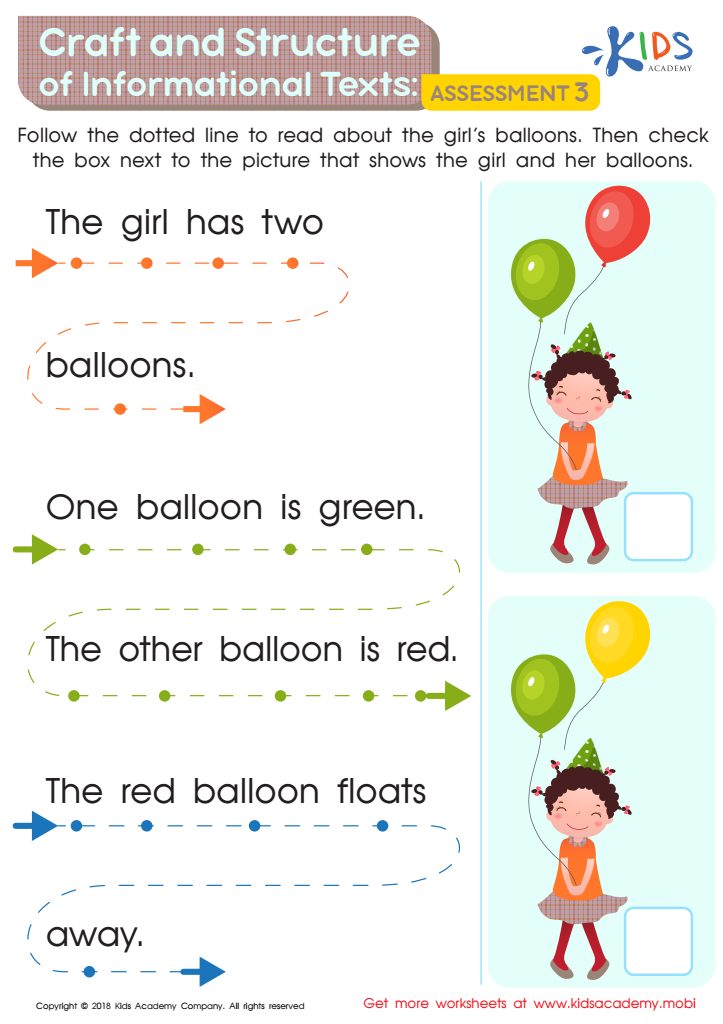
Craft and Structure of Informational Texts: Assessment 3 Worksheet








Parents and teachers play pivotal roles in fostering normal reading skills in children ages 5-7 because these years are critical in laying the foundation for lifelong learning and development. At this early age, children's brains are highly adaptable, making it an optimal period for acquiring language and reading skills. Mastering reading at the expected pace boosts a child's confidence, academic performance, and enjoyment of learning. When children read at their grade level, they can more easily grasp new concepts across all subjects, from science to social studies, fostering a well-rounded intellectual development.
Early reading proficiency also helps children develop essential cognitive skills such as critical thinking, problem-solving, and the ability to concentrate. Socially and emotionally, strong reading abilities can increase a child’s self-esteem and communication skills, making interactions with peers and adults more positive.
For teachers, monitoring and supporting normal reading development allows for early detection of any learning difficulties, enabling timely interventions. For parents, understanding reading milestones can guide them in providing the necessary support at home, creating a harmonious partnership between school and family to nurture a child’s education. Investing attention into a child’s reading abilities at ages 5-7 yields long-term benefits, making it a crucial focus for both parents and educators.








