Story sequencing Normal Reading Comprehension Worksheets for Ages 5-7
14 filtered results
-
From - To
Explore our engaging Story Sequencing Normal Reading Comprehension Worksheets designed specifically for children aged 5-7! These worksheets help young learners develop critical reading skills by organizing events in the correct order, enhancing their understanding of narrative structure. Each activity focuses on improving comprehension while making learning fun through colorful illustrations and age-appropriate stories. Ideal for classroom use or at-home learning, these worksheets foster creativity and critical thinking, helping children make connections between ideas. Perfect for early readers, our story sequencing activities ensure children gain confidence in their reading abilities. Jumpstart your child’s literacy journey today with these interactive resources!
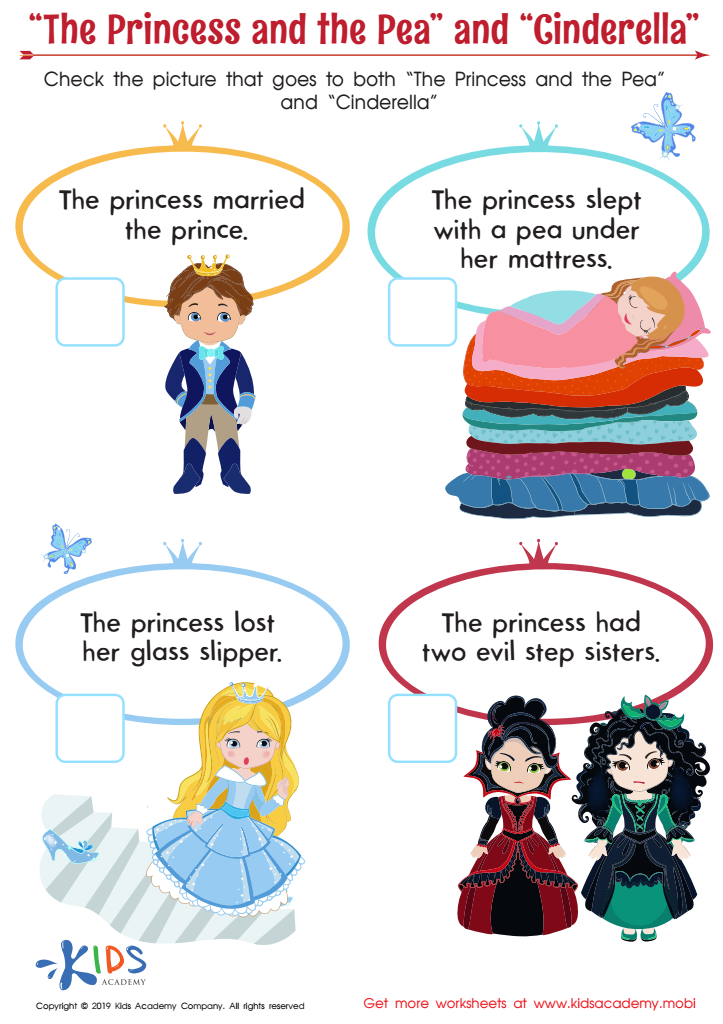
“The Princess and the Pea” and “Cinderella” Worksheet
 Assign to My Students
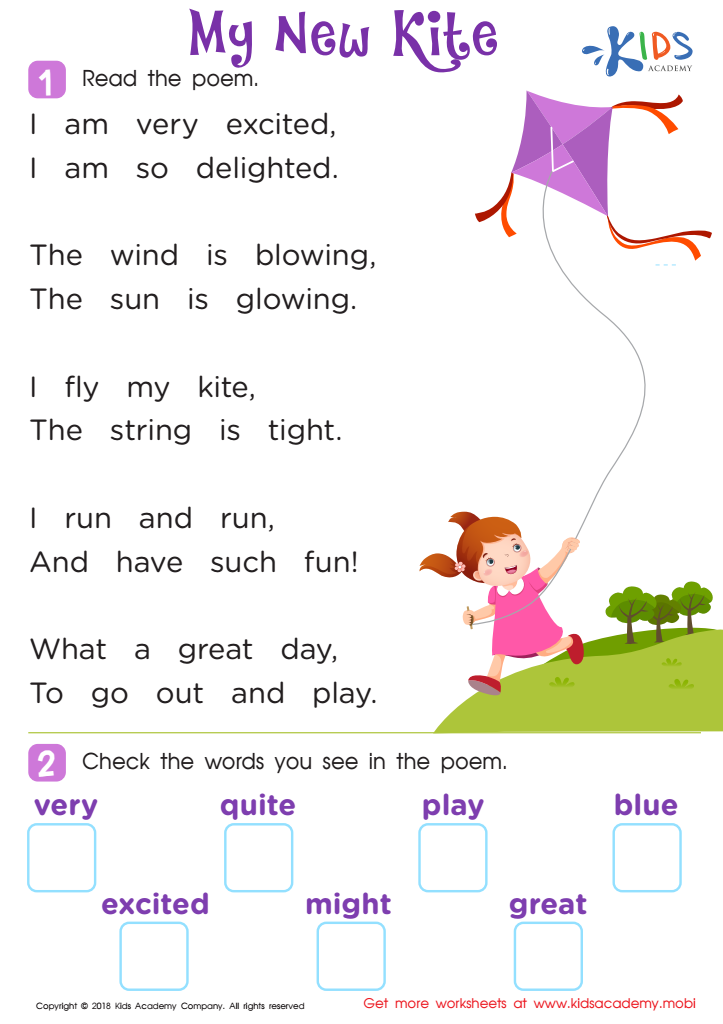
Poem: My New Kite Worksheet
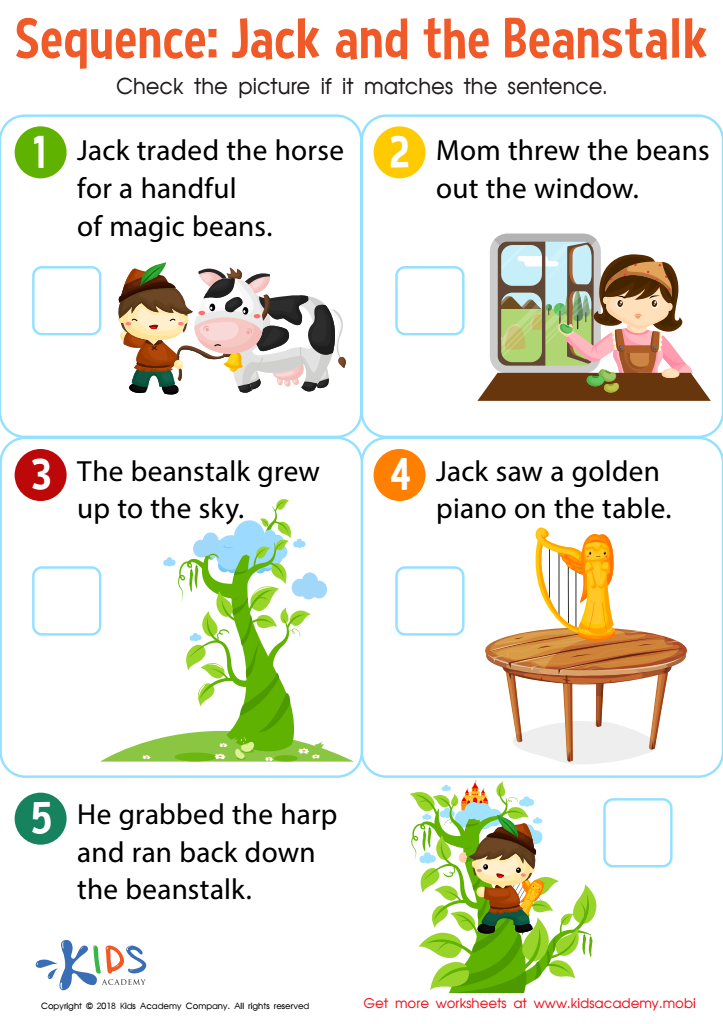
Sequence: Jack and The Beanstalk Worksheet
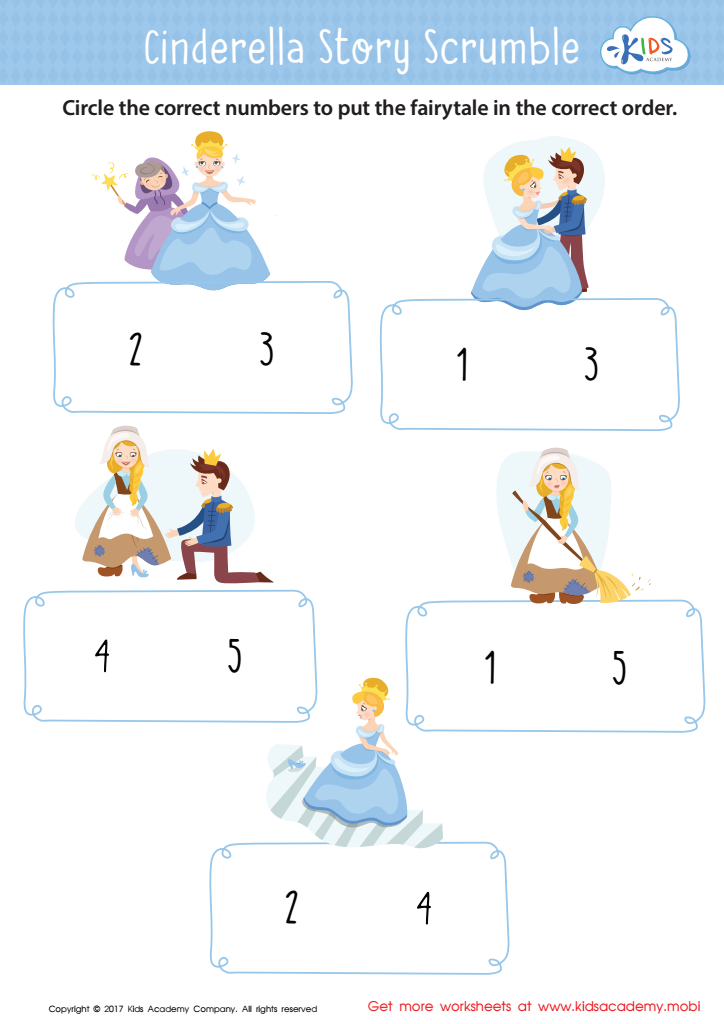
Cinderella Story Sequencing Worksheet
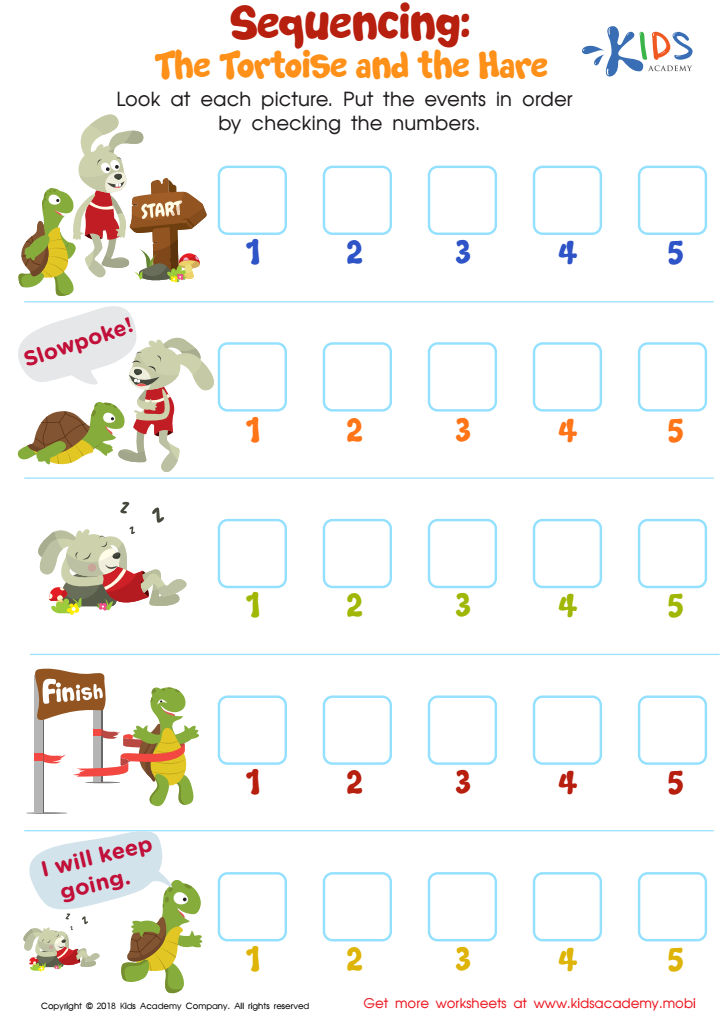
Sequencing: The Tortoise and the Hare Worksheet
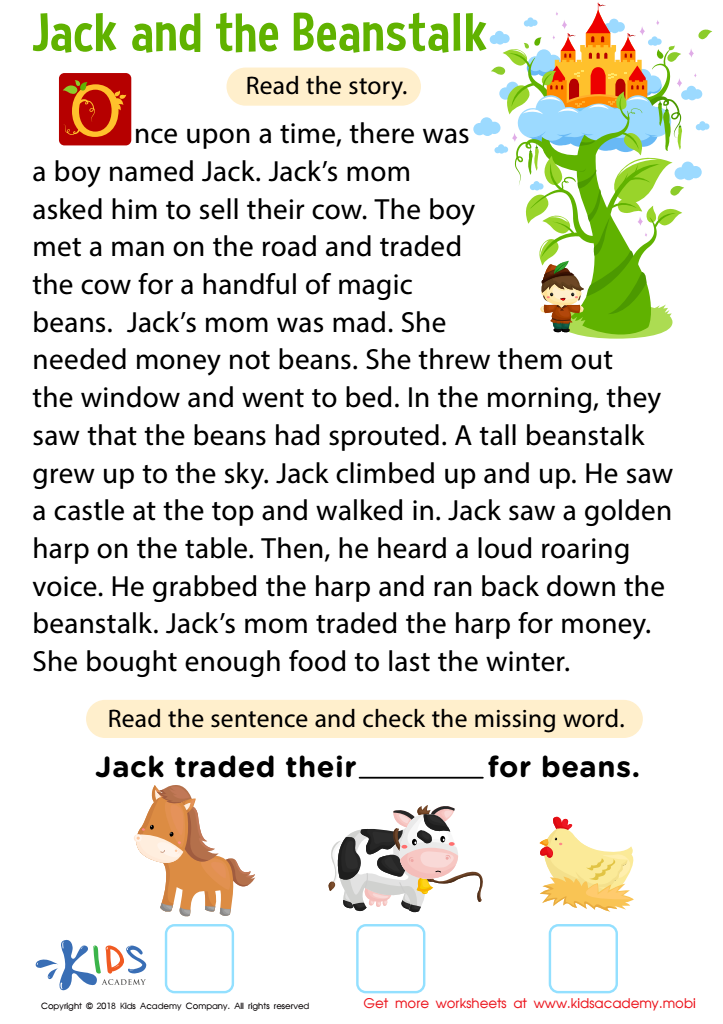
Jack and Beanstalk Worksheet
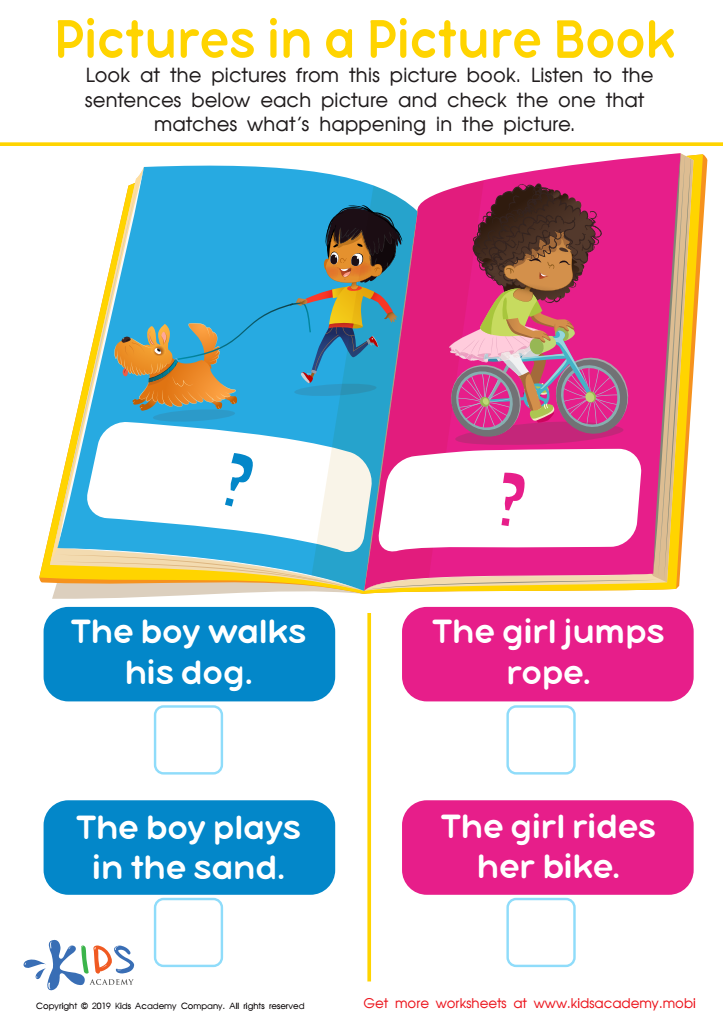
Picture in Books Worksheet
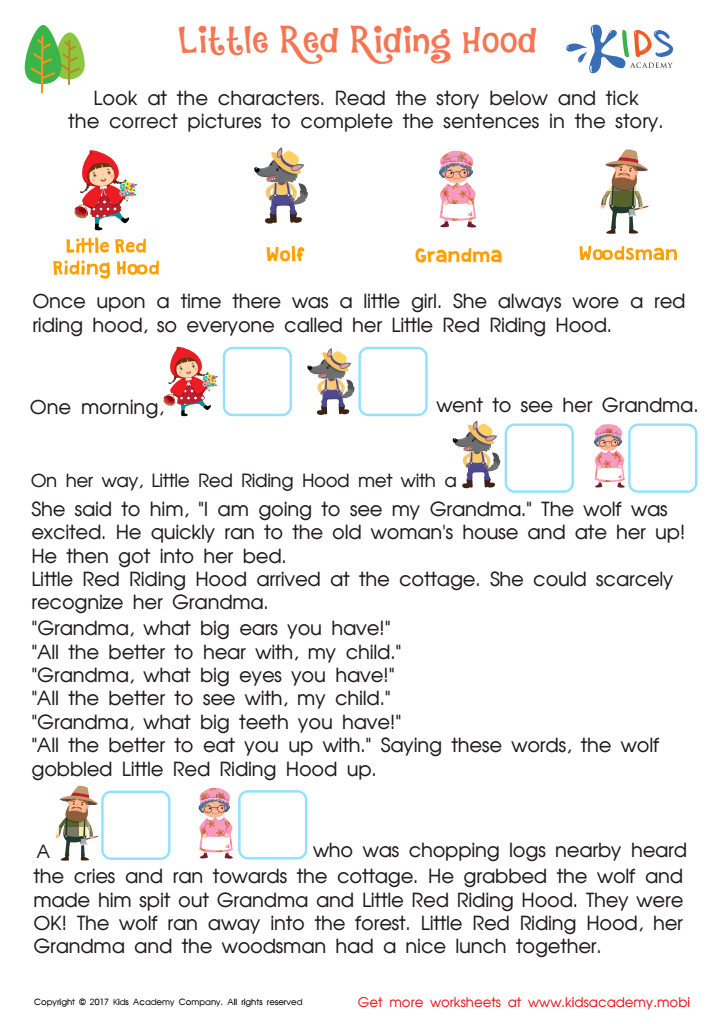
Little Red Riding Hood Printable
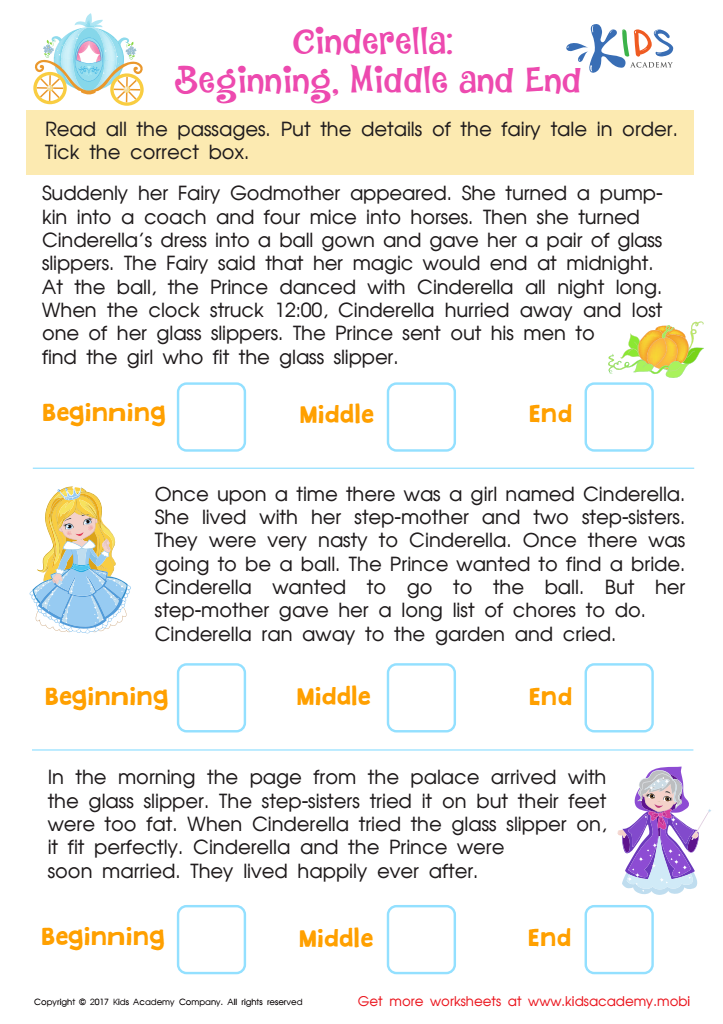
Cinderella: Beginning, Middle and End Worksheet
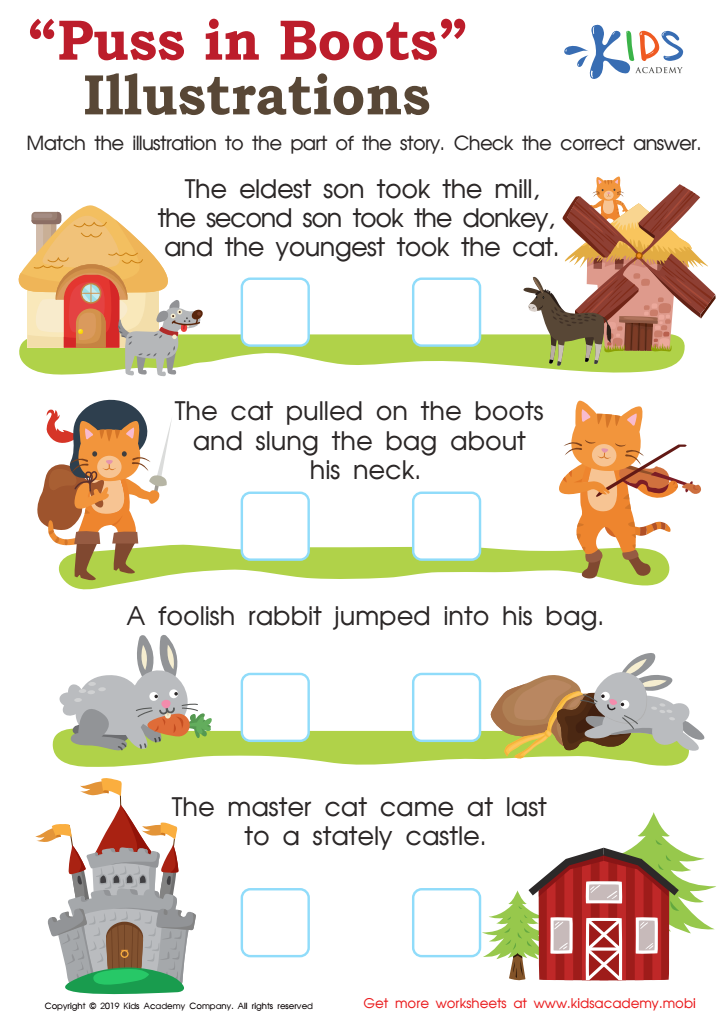
Puss in Boots Illustrations Worksheet
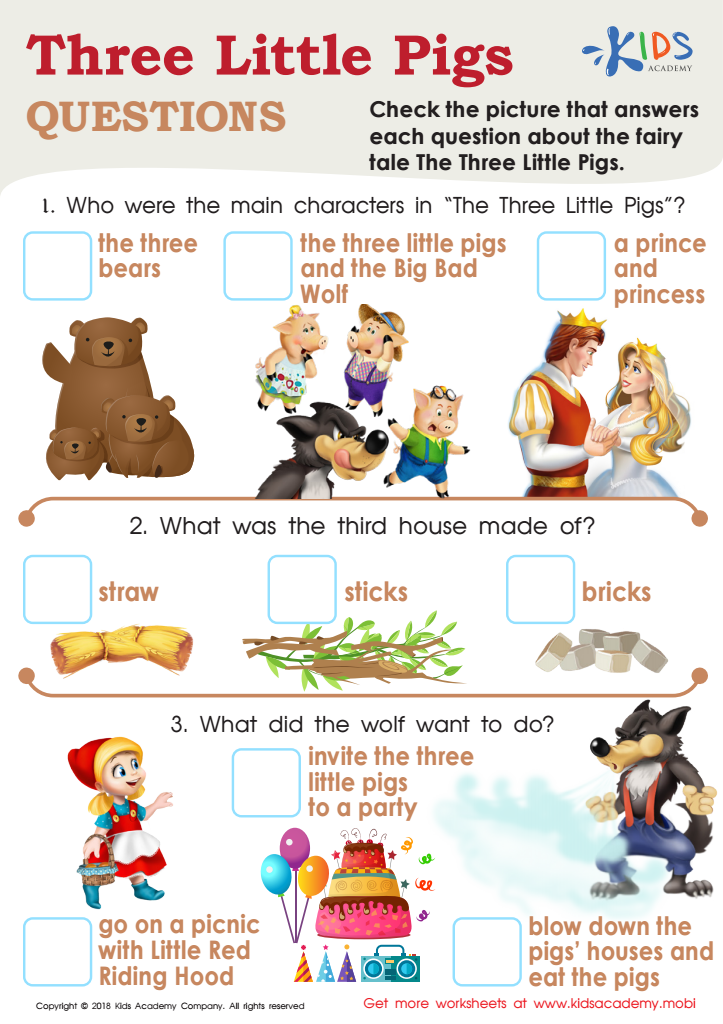
Three Little Pigs Questions Worksheet
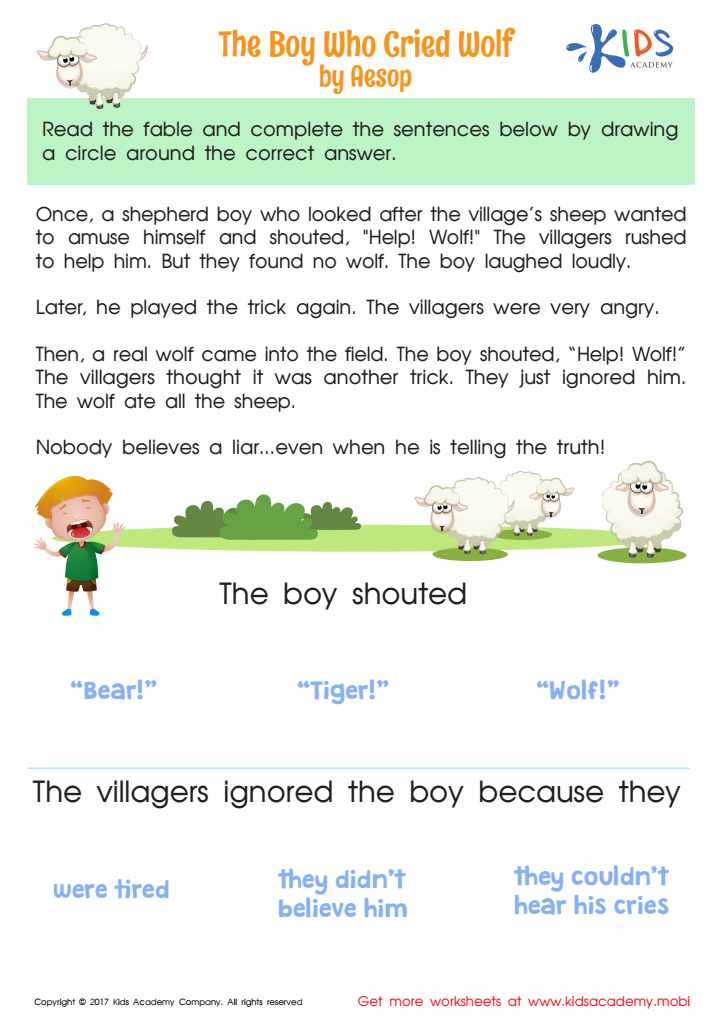
The Boy Who Cried Wolf Worksheet
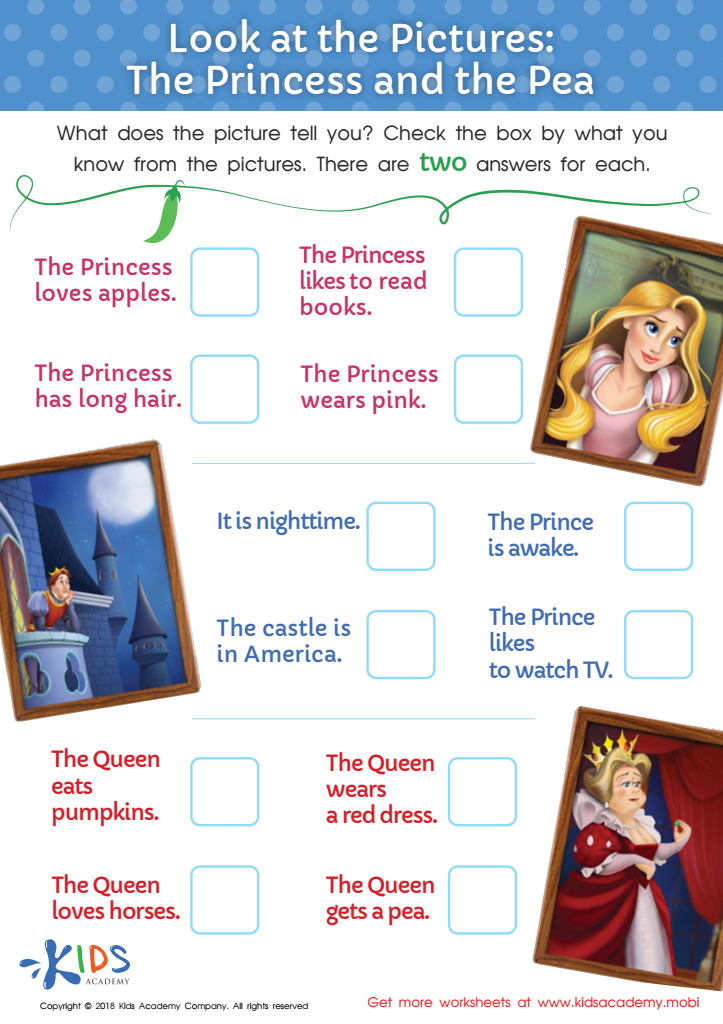
Look at the Pictures: The Princess and the Pea Worksheet
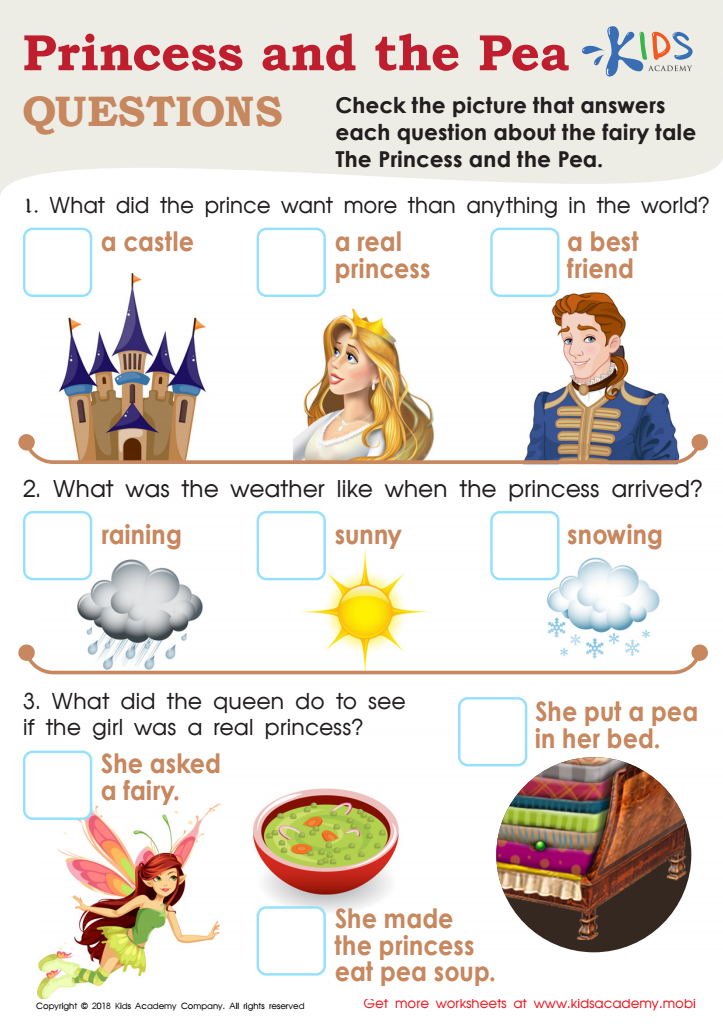
Princess and the Pea Questions Worksheet








Story sequencing is a crucial aspect of reading comprehension for children aged 5-7, as it lays the foundation for their understanding of narrative structure. At this age, children are beginning to grasp the concepts of beginning, middle, and end in stories. By focusing on story sequencing, parents and teachers help young readers develop critical thinking skills that aid in better comprehension, memory retention, and narrative recall.
When children learn to identify the order of events, they enhance their ability to predict outcomes and draw inferences about characters and situations. This practice not only improves their comprehension skills but also fosters a love for storytelling and reading as they become engaged in the narrative. Furthermore, story sequencing encourages vocabulary development, as children learn to associate words with events and emotions, enriching their language skills.
Parents and teachers should prioritize story sequencing activities, such as retelling stories, using picture cards, or sequencing games. By deconstructing stories, children develop a deeper understanding of plot, cause and effect, and storytelling techniques. Ultimately, this foundational skill promotes lifelong reading habits and prepares children for more complex texts in the future. Engaging with story sequencing is essential for nurturing confident and competent readers.








