Vocabulary enhancement Normal Reading Fiction Worksheets for Ages 5-7
13 filtered results
-
From - To
Boost your child's vocabulary with our engaging "Vocabulary Enhancement Normal Reading Fiction Worksheets" designed for ages 5-7! Our carefully crafted worksheets combine fun fictional stories with exciting vocabulary exercises, making reading both educational and enjoyable. Each worksheet is designed to introduce new words in context, helping young readers understand and use them confidently. Perfect for early grade students, these resources not only enhance their reading skills but also spark a love for learning through creative storytelling. Encourage your child to explore new words and expand their language skills with our dynamic and entertaining worksheets today!
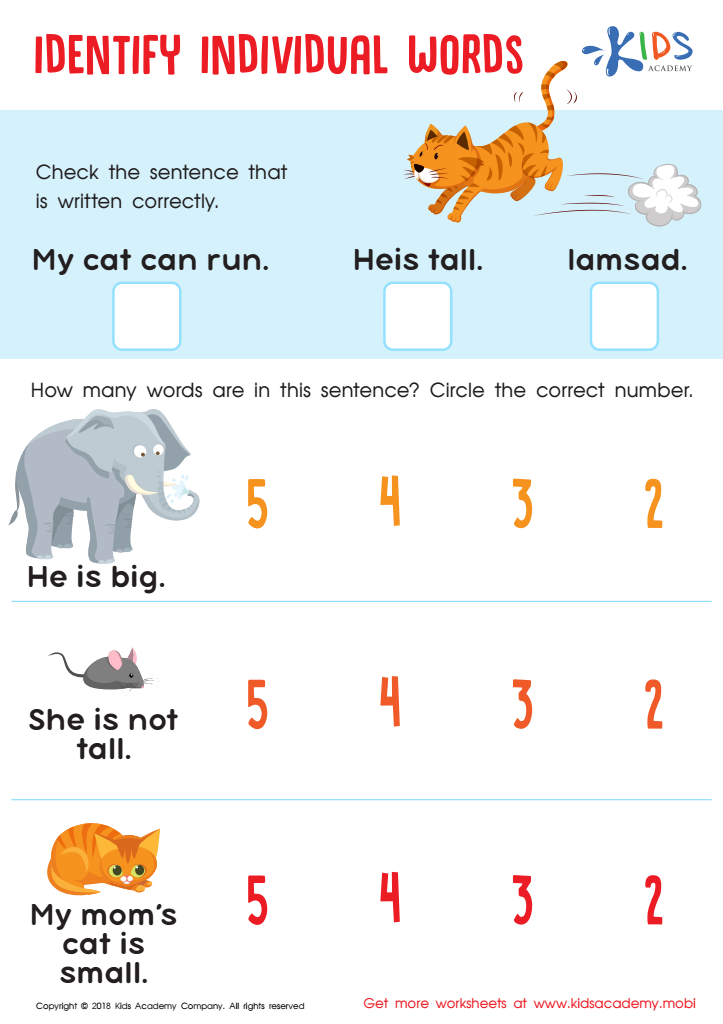
Identify Individual Words Worksheet
 Assign to My Students
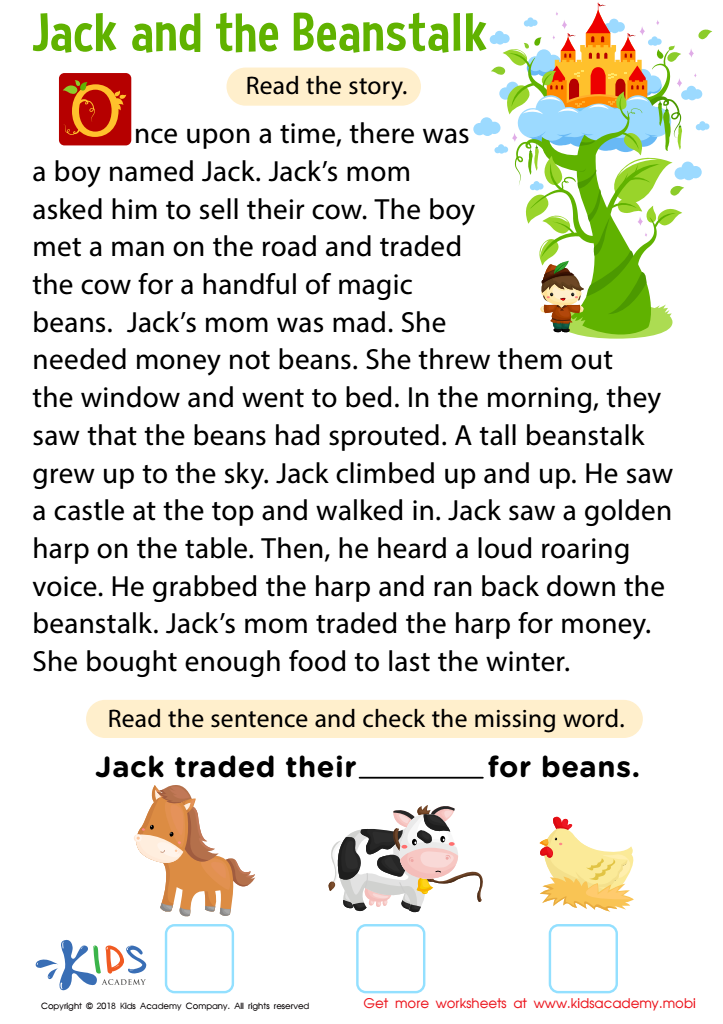
Jack and Beanstalk Worksheet
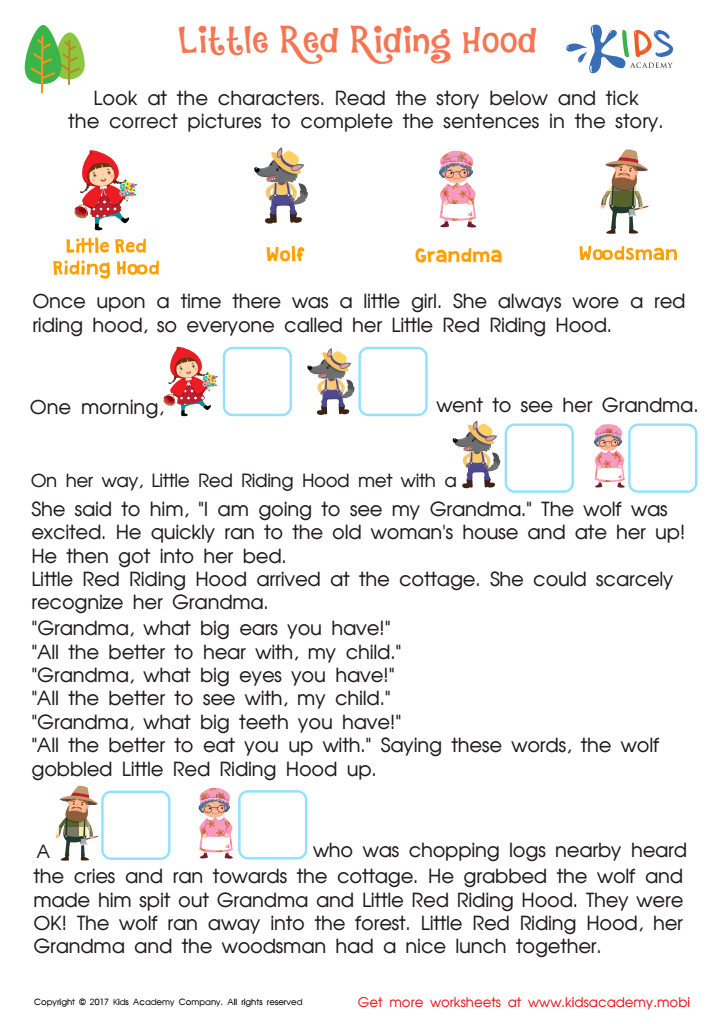
Little Red Riding Hood Printable
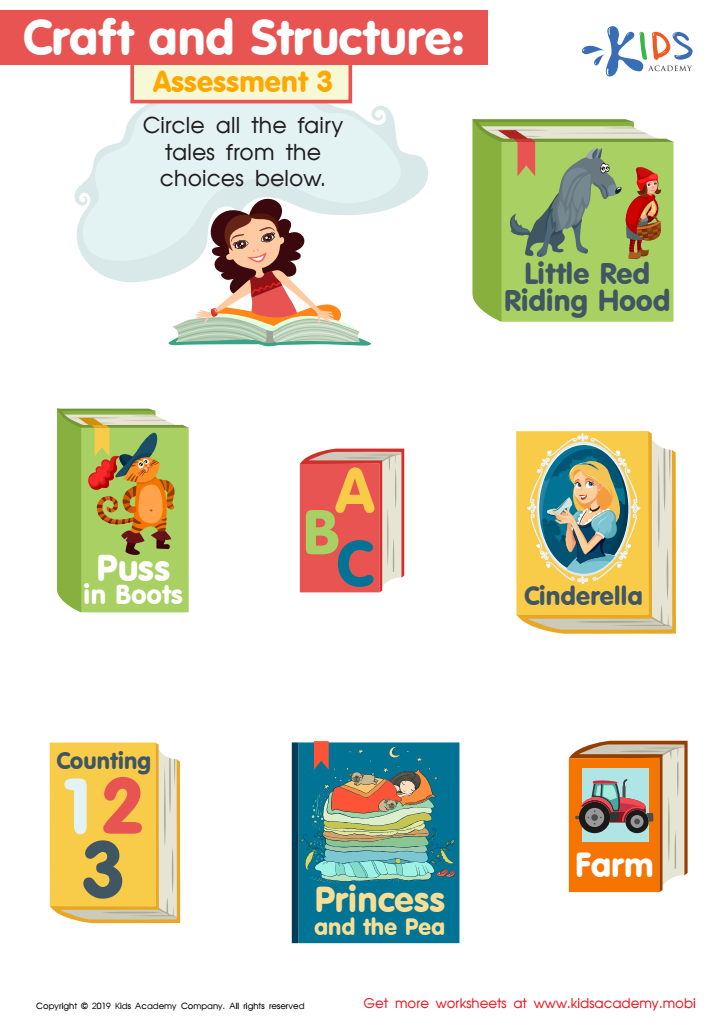
Craft and Structure: Assessment 3 Worksheet
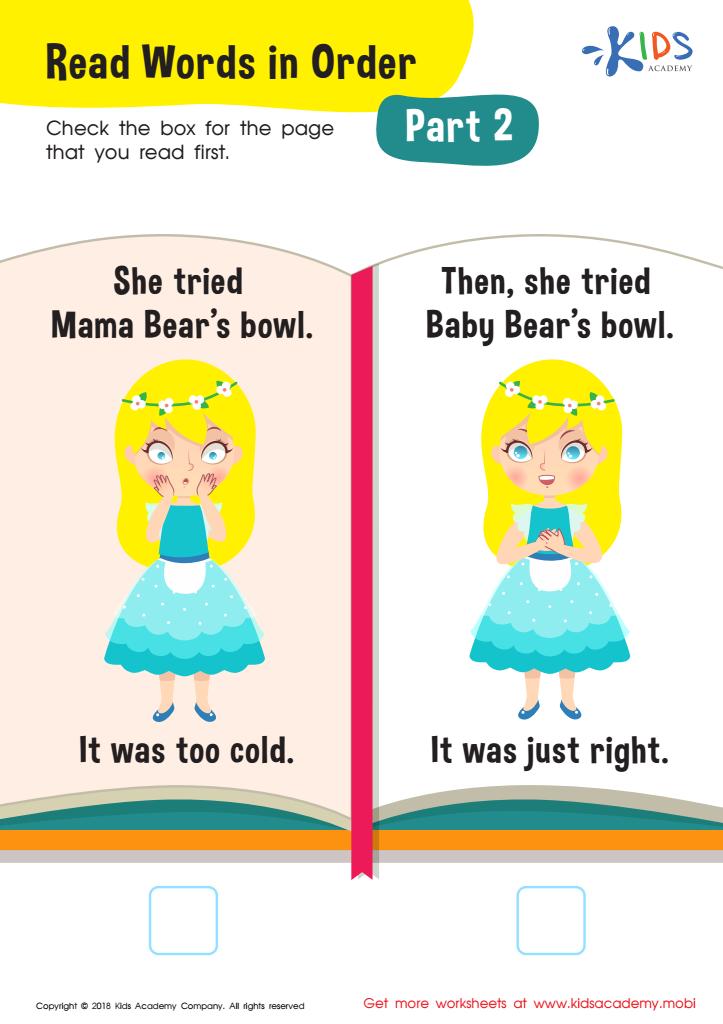
Read Words Order Part 2 Worksheet
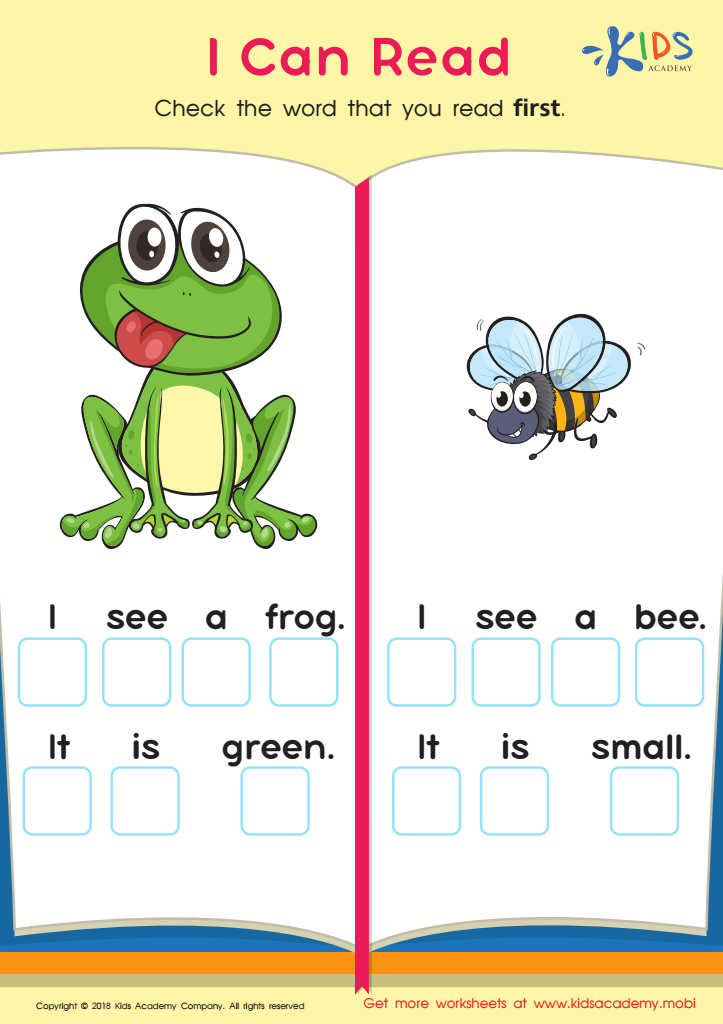
I Can Read Worksheet
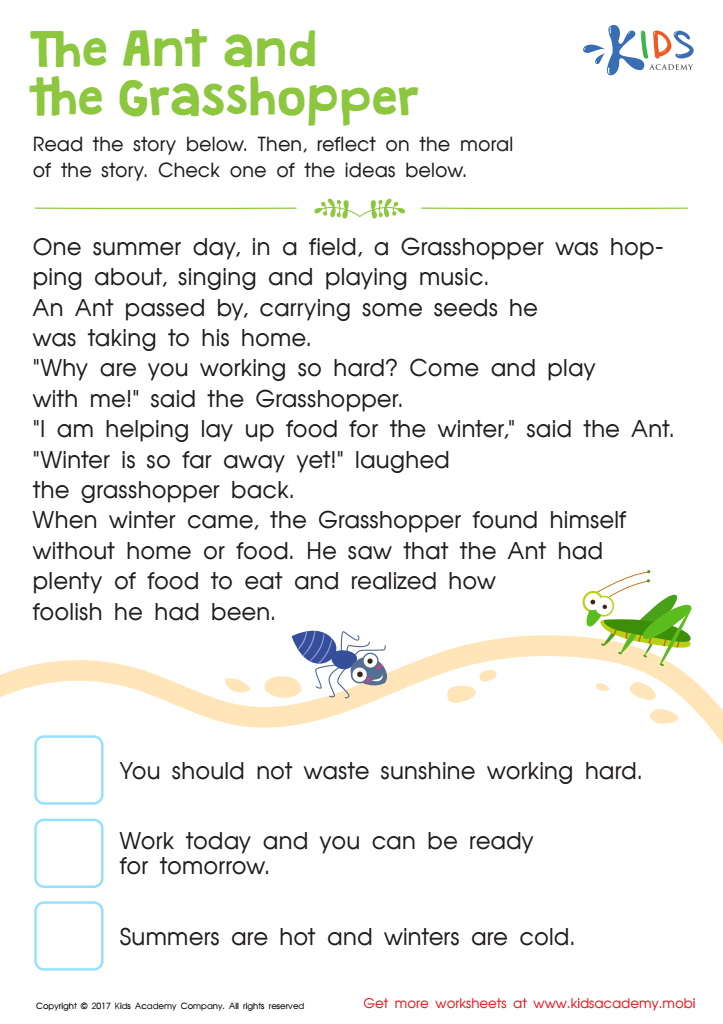
The Ant and The Grasshopper Printable
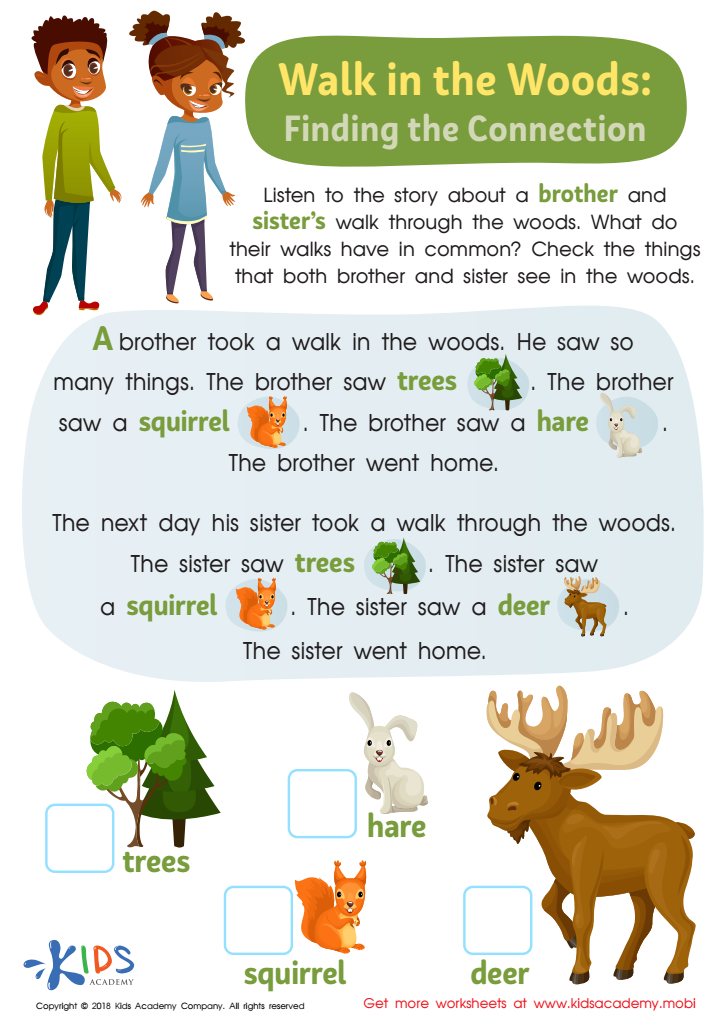
Walk In the Woods: Finding Connections Worksheet
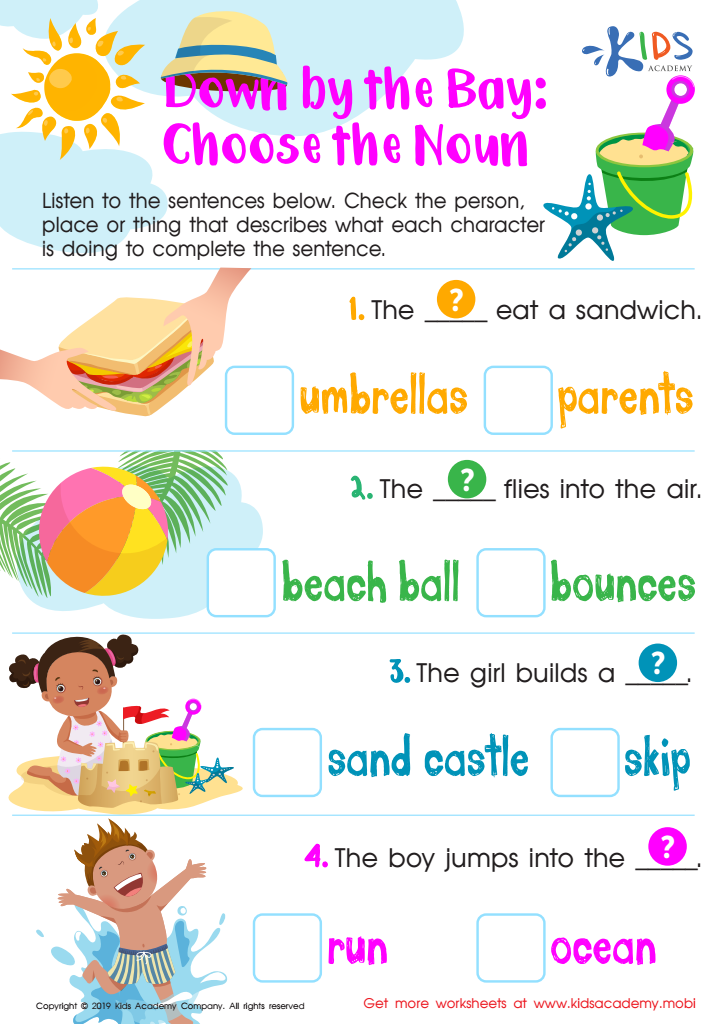
Down by the Bay: Choose the Noun Worksheet
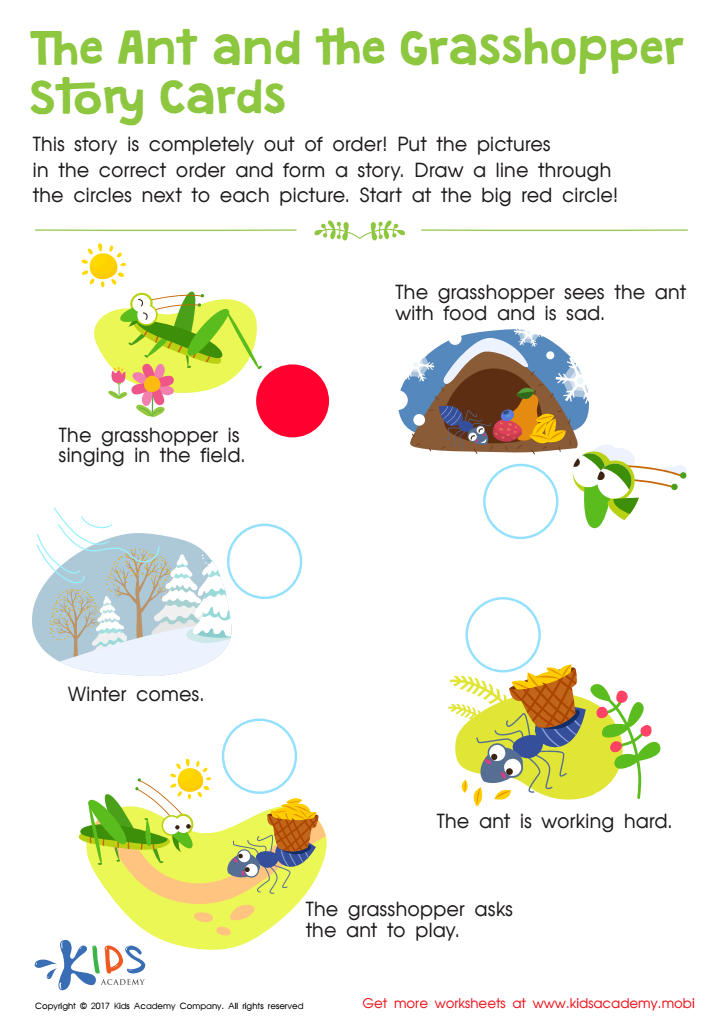
The Ant and The Grasshopper Worksheet
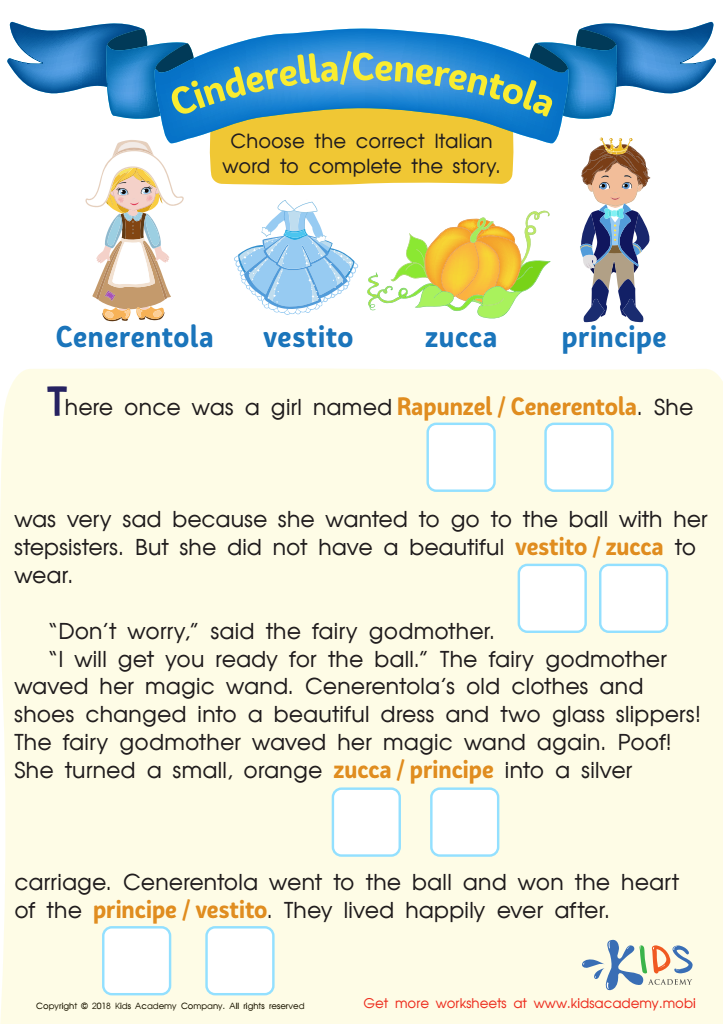
Cinderella / Cenerentola Worksheet
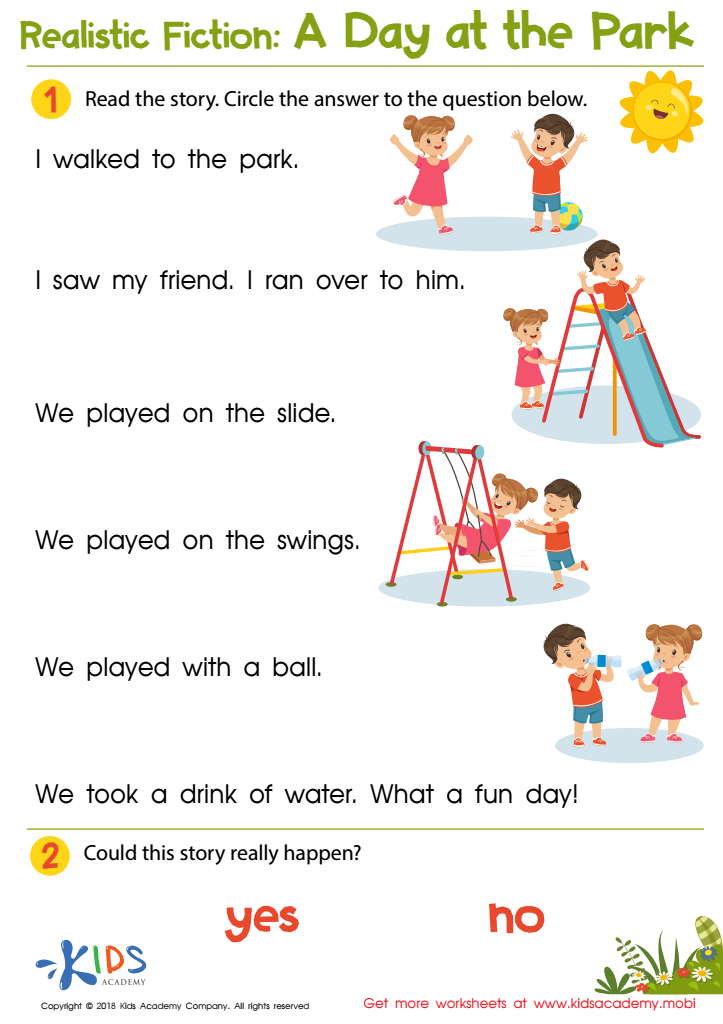
A Day at the Park Worksheet
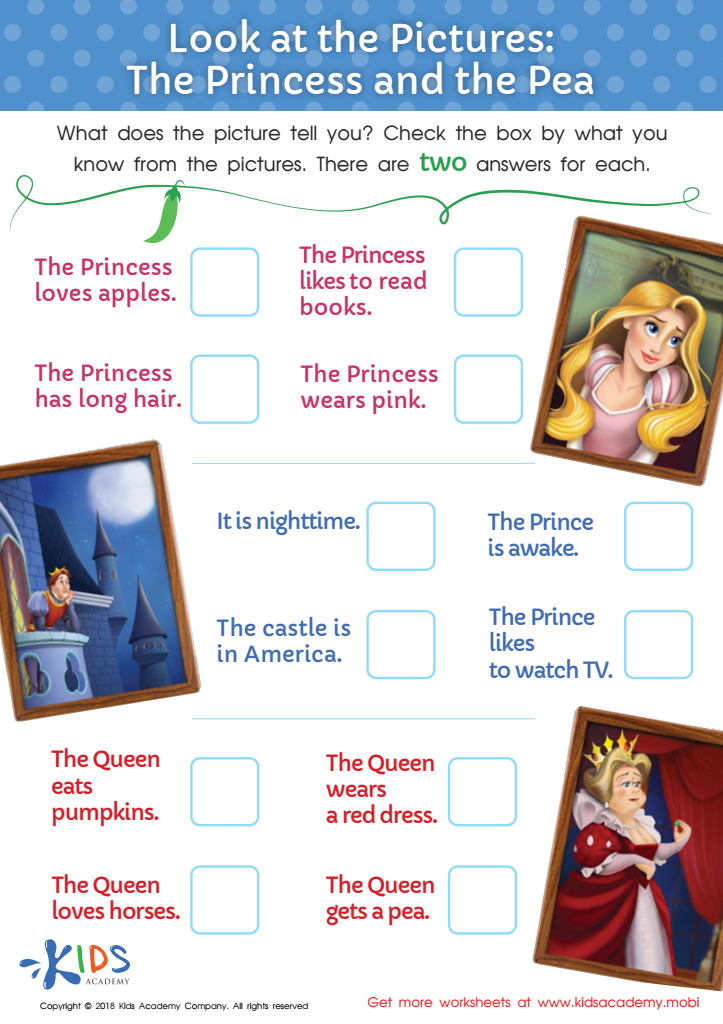
Look at the Pictures: The Princess and the Pea Worksheet








Vocabulary enhancement is pivotal for children's overall language and literacy development, especially for ages 5-7. During these foundational years, children's brains are rapidly developing, making it an optimal time for learning and absorbing new words. Here's why parents and teachers should prioritize Vocabulary enhancement within the realm of normal reading, particularly fiction:
First, a robust vocabulary supports comprehension. When children understand the words they're reading or hearing, they can better grasp the nuances of a story, which fuels a love for reading and encourages further exploration of literature. Early fiction reading often includes diverse and rich language, stretching young readers' vocabulary beyond everyday conversational limits.
Second, a strong vocabulary helps with effective communication. It allows children to express their thoughts, feelings, and ideas more clearly and accurately, which is crucial for both social interactions and academic success.
Lastly, fiction reading engages the imagination and provides context for new words. Stories set in varied environments and scenarios introduce children to unfamiliar concepts in a relatable and memorable way. This contextual learning reinforces retention and understanding.
In summary, vocabulary enhancement through reading fiction at ages 5-7 sets the stage for lifelong learning, literacy, and communication proficiency. For both parents and teachers, focusing on this key element of language development is essential for fostering cognitive and emotional growth in young children.







