Normal Our Planet and Environment Worksheets for Ages 5-7 - Page 3
50 filtered results
-
From - To
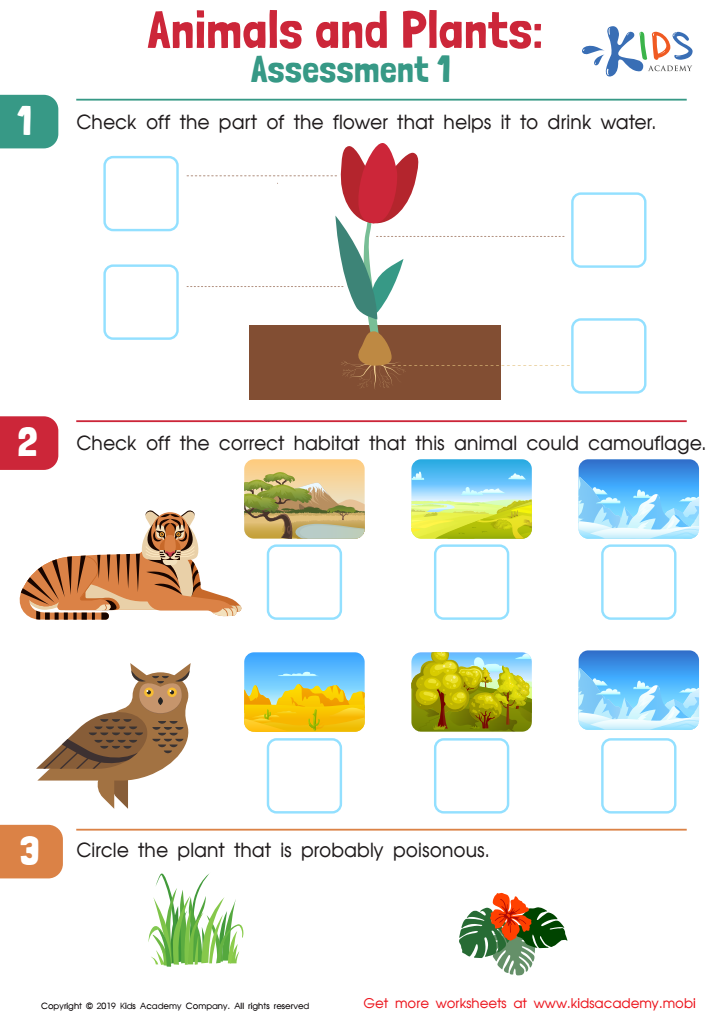
Animals and Plants: Assessment 1 Worksheet
 Assign to My Students
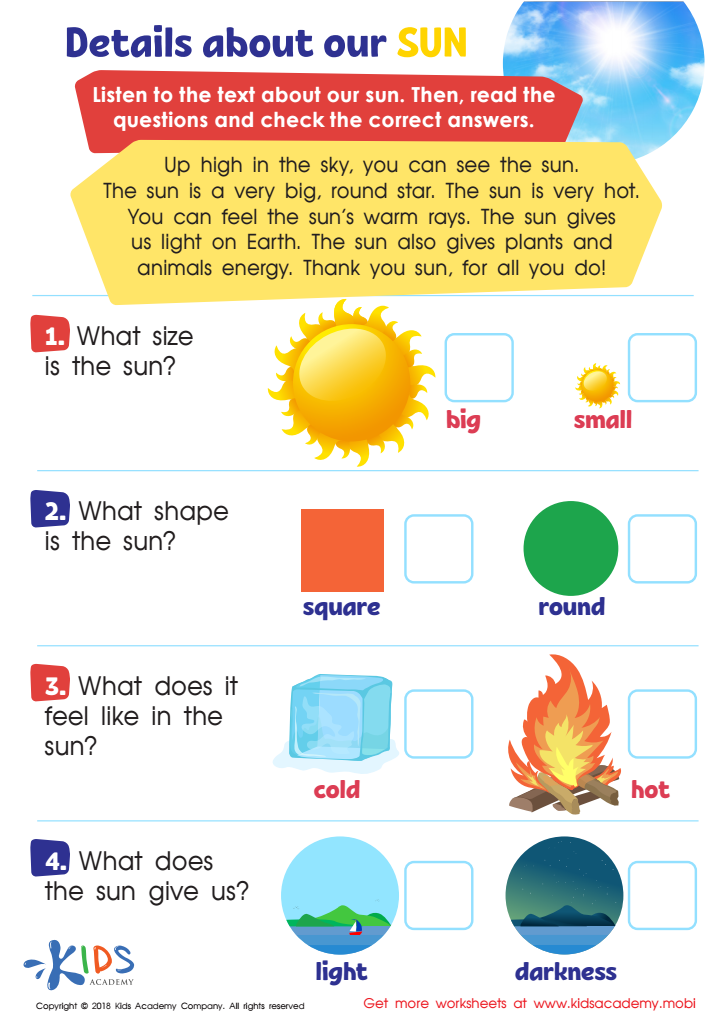
Details About Our Sun Worksheet





Parents and teachers should care about teaching children aged 5-7 about our planet and environment because these formative years are crucial for instilling a sense of responsibility and awareness towards nature. Young children are naturally curious and impressionable, making them the perfect audience for lessons about environmental stewardship. By introducing concepts like recycling, conservation, and respect for nature at an early age, we lay the groundwork for eco-friendly habits that can last a lifetime.
Understanding the importance of a healthy planet helps children appreciate the wonders of nature and recognize their role in protecting it. For instance, learning about how trees provide oxygen or how recycling helps reduce waste can make them more conscientious in their everyday actions. This education fosters empathy for living things and encourages informed, proactive behaviors.
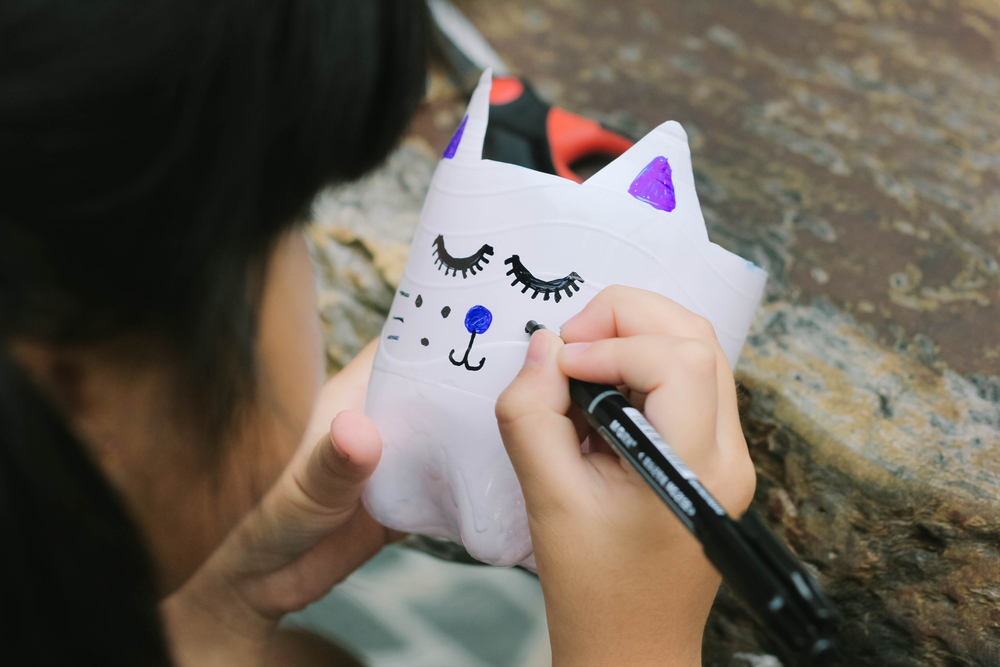
Moreover, a better understanding of environmental issues equips children with critical thinking and problem-solving skills. Activities like nature walks, sorting recyclables, and crafting from reusable materials engage sensory and cognitive development while imparting essential environmental lessons.
In the long run, a generation educated on environmental conservation can lead to sustainable communities and a healthier planet. Prioritizing this education for young children is not just about teaching them facts, but about nurturing a compassionate and responsible worldview.







