Understanding ecosystems Normal Plants and Animals Worksheets for Ages 5-7
4 filtered results
-
From - To
Explore the wonders of ecosystems with our engaging "Understanding Ecosystems: Normal Plants and Animals" worksheets designed for ages 5-7. These interactive activities introduce young learners to the fascinating relationships between plants and animals within their environments. Each worksheet encourages kids to identify common plants and animals, understand their roles in the ecosystem, and appreciate the importance of biodiversity. Ideal for early science education, these resources promote critical thinking and creativity while fostering a love for nature. Download and print our fun, colorful worksheets to support your child’s learning journey and inspire a lifelong fascination with the natural world!
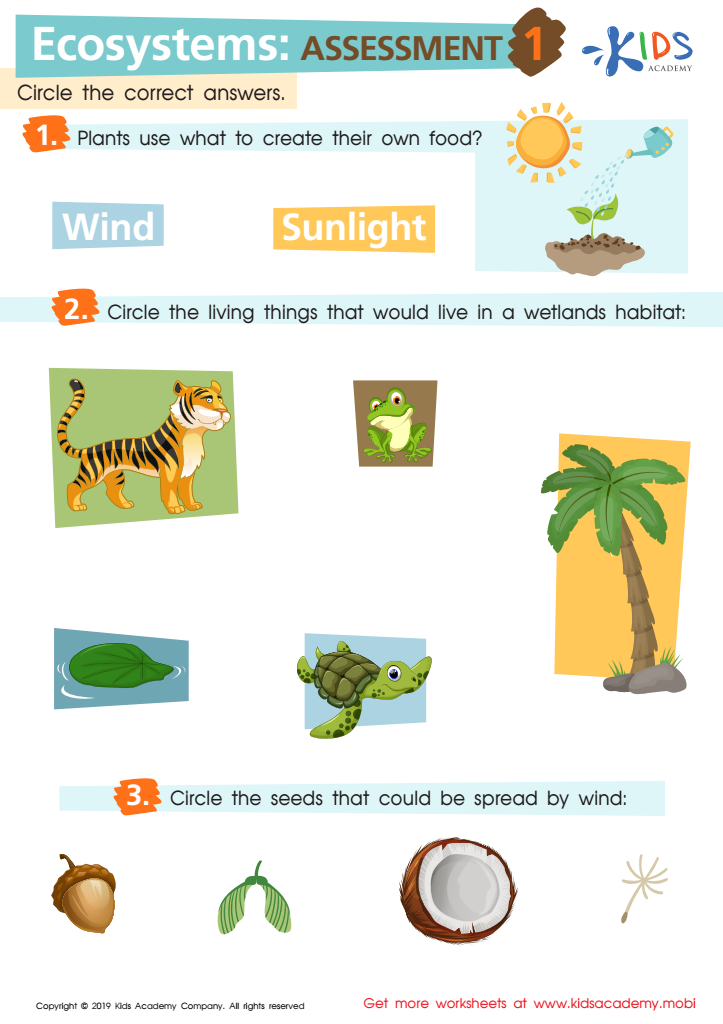
Ecosystems: Assessment 1 Worksheet
 Assign to My Students
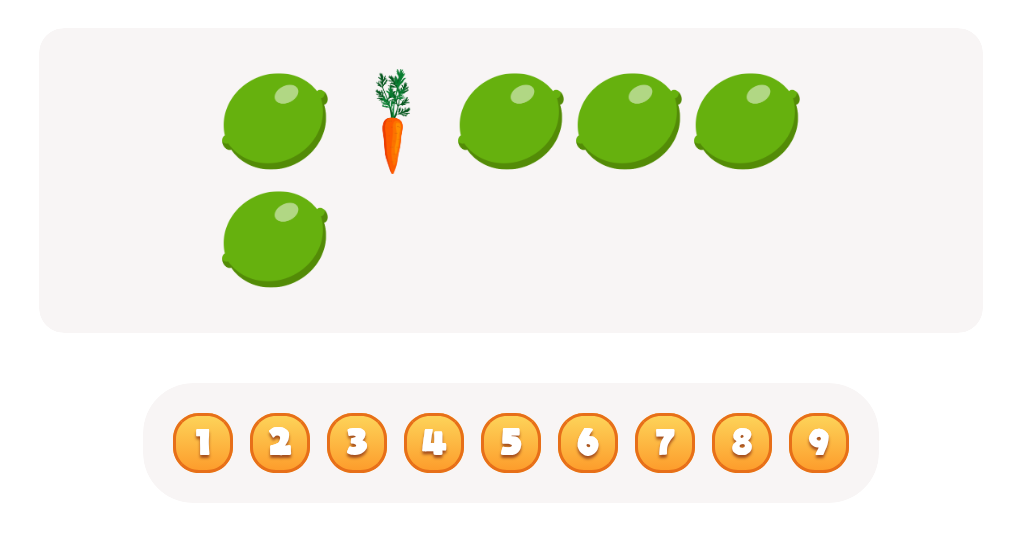

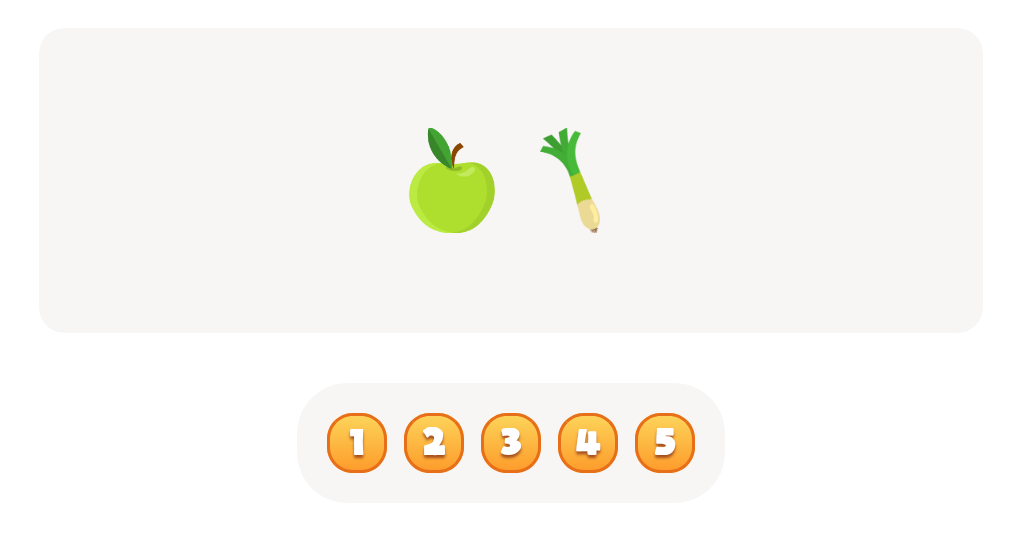
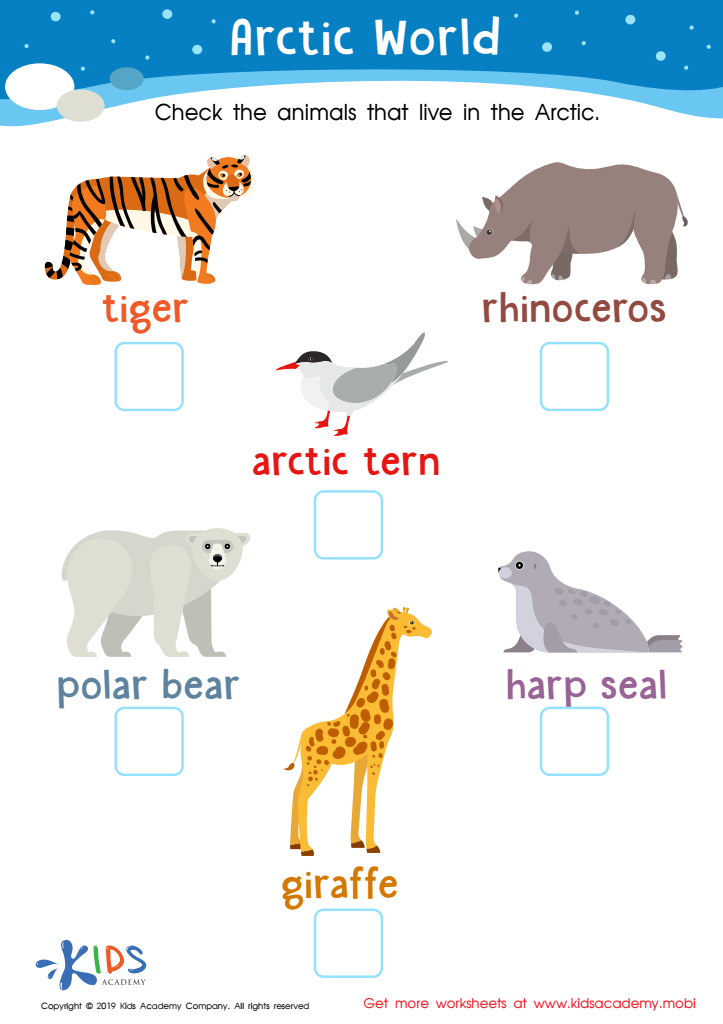
Arctic World Worksheet
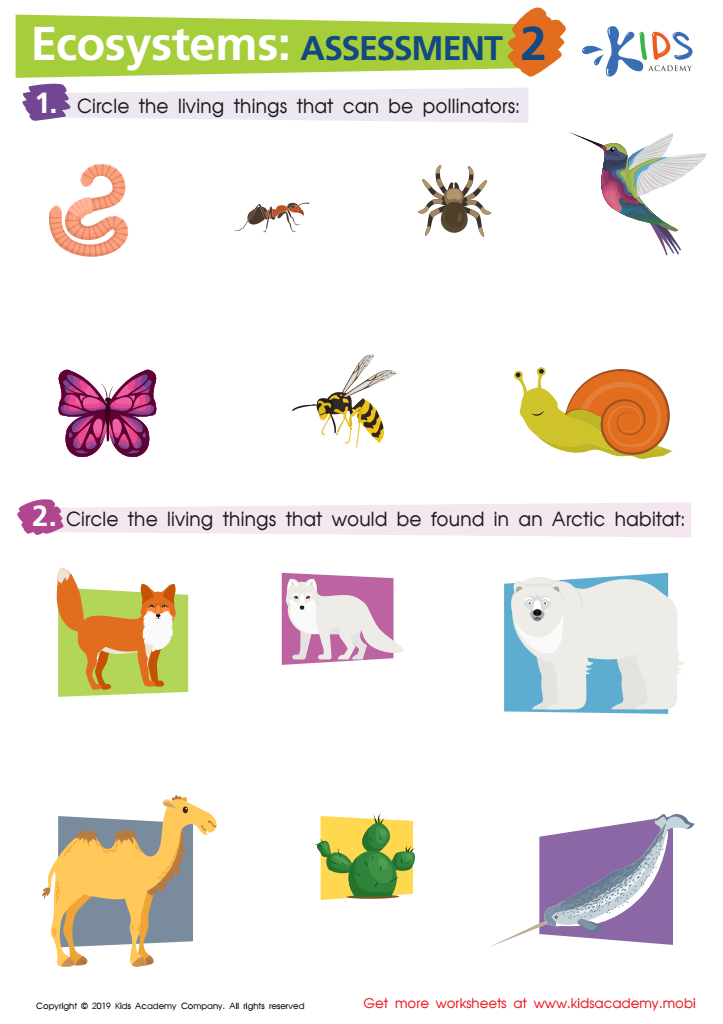
Ecosystems: Assessment 2 Worksheet
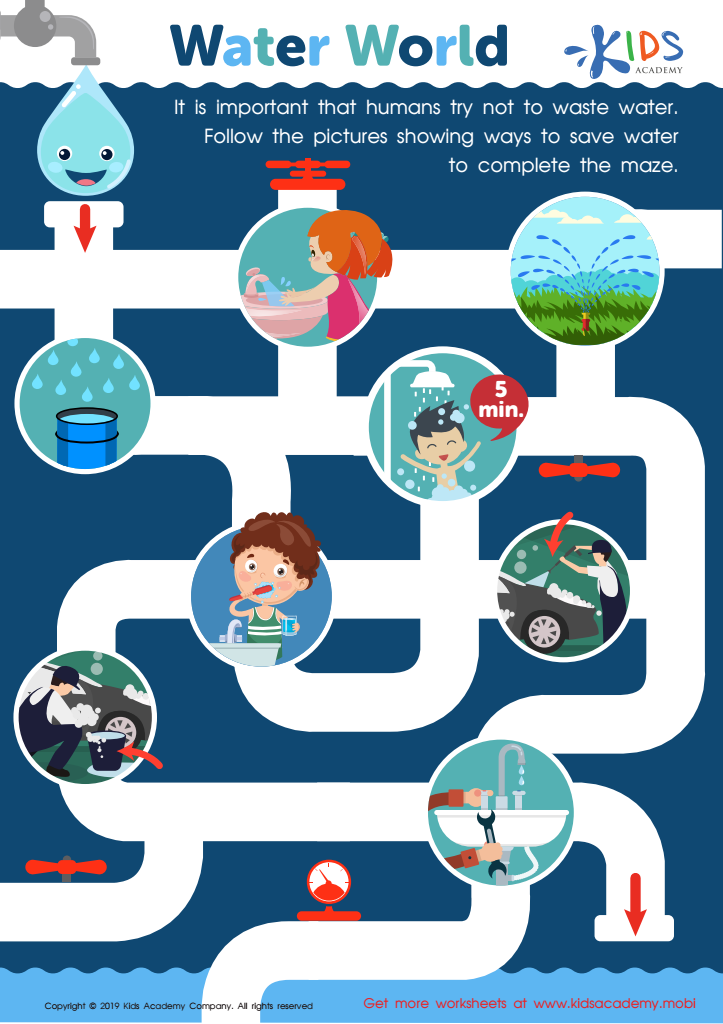
Water World Worksheet







Understanding ecosystems, along with the role of normal plants and animals, is crucial for children aged 5-7 for several reasons. At this formative stage, children are naturally curious about the world around them. Teaching them about ecosystems fosters a sense of wonder and encourages them to observe and engage with nature. This foundational knowledge helps them appreciate the interconnectedness of living things, building an early understanding of how plants, animals, and humans interact within ecosystems.
Additionally, learning about ecosystems cultivates environmental literacy. Children learn the importance of biodiversity, the role of each organism, and how human actions can impact natural habitats. When parents and teachers emphasize these concepts, they instill a sense of responsibility and stewardship towards the environment in young learners.
Furthermore, exploring ecosystems enhances critical thinking and problem-solving skills as children ask questions, make observations, and draw conclusions about their observations. These skills contribute to academic success in science and other subjects. Lastly, understanding normal plants and animals promotes empathy and respect for all living things, laying the groundwork for compassionate attitudes as they grow. Overall, by teaching young children about ecosystems, we empower them to become informed, engaged citizens who appreciate and protect their environment.