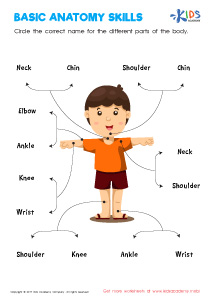
Normal Physical Science Worksheets for Ages 5-7
3 filtered results
-
From - To
Explore our engaging Normal Physical Science Worksheets for children aged 5-7, designed to spark curiosity and foster a love for the natural world. These delightful worksheets cover essential concepts such as matter, energy, and basic physical properties, helping young learners understand the science surrounding them in everyday life. With vibrant illustrations and interactive activities, kids can explore themes like motion, forces, and the properties of materials in a fun and accessible way. Ideal for classroom or at-home learning, our worksheets provide a solid foundation in physical science, ensuring that early education is both enjoyable and effective. Unlock the wonders of science today!
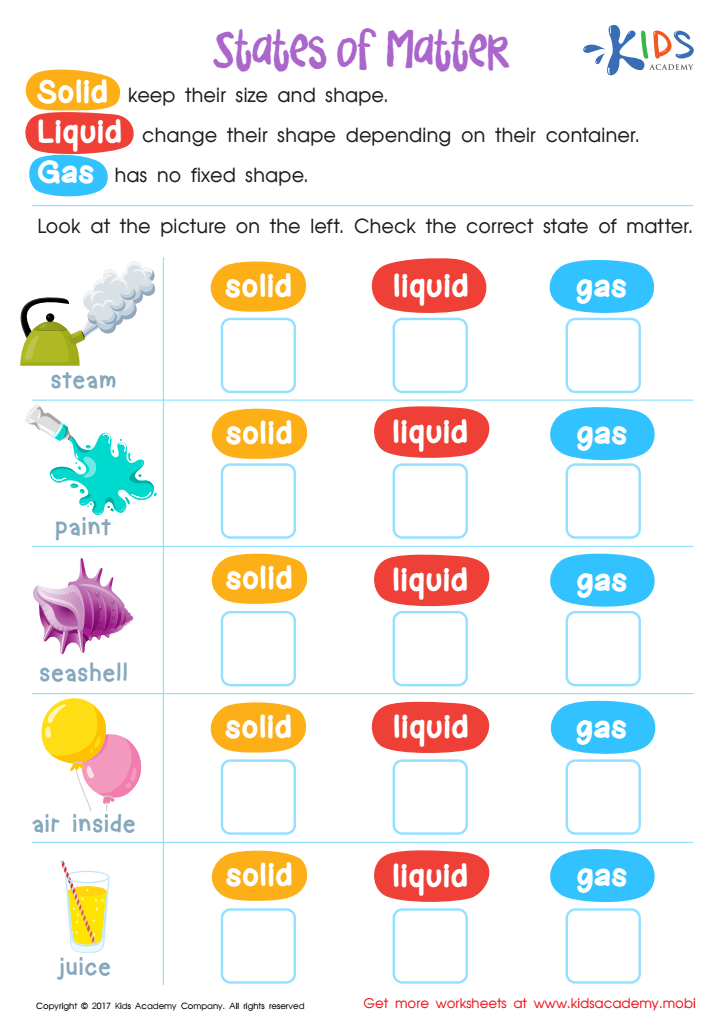
Physical Science: States of Matter Worksheet
 Assign to My Students
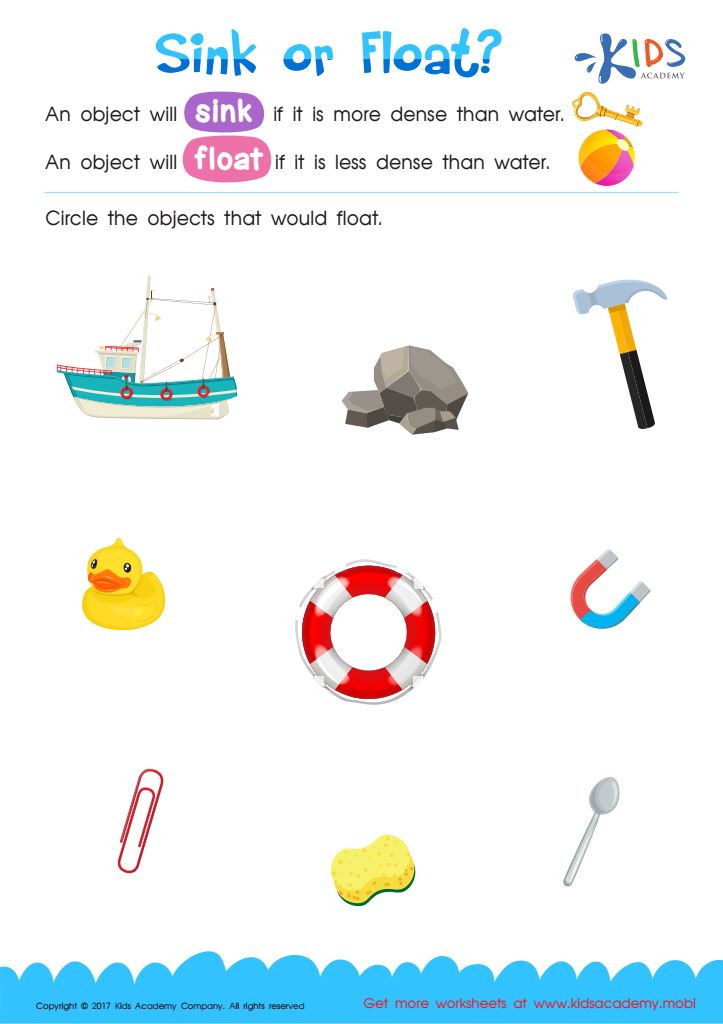
Sink or Float Printable
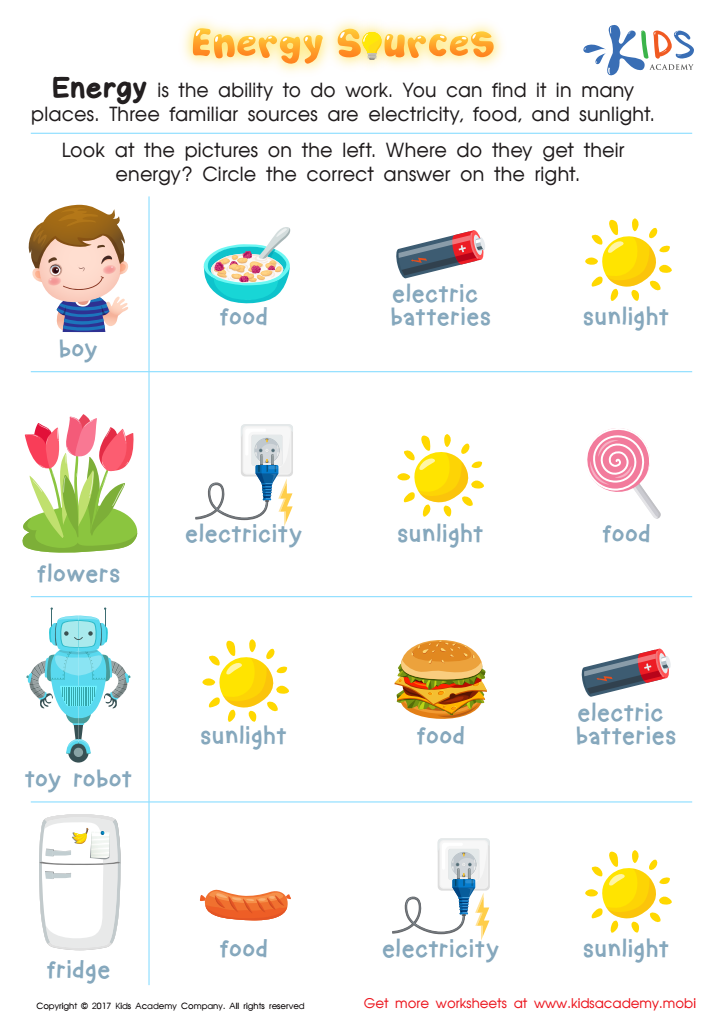
Energy Sources Printable








Normal Physical Science for Ages 5-7 plays a crucial role in early childhood education for several reasons. First, it nurtures a child's natural curiosity about the world around them. Young children possess an innate desire to explore and ask questions, and introducing them to basic physical science concepts encourages this inquisitiveness.
Second, engaging with physical science helps develop critical thinking and problem-solving skills. When children interact with simple experiments—like observing the properties of water or the effects of pushing or pulling objects—they learn to make predictions, test hypotheses, and analyze results.
Moreover, these foundational concepts support literacy and numeracy skills, as children learn to describe their observations and communicate findings. This not only enriches their vocabulary but also enhances cognitive development.
Importantly, Early Physical Science education fosters a lifelong appreciation for science, setting the stage for future academic achievements. By integrating fun and interactive approaches to learning, teachers and parents can instill a sense of wonder and excitement about scientific discovery. Overall, Normal Physical Science in these early formative years is essential for holistic child development, setting the groundwork for informed, engaged, and curious learners.