Color Identification Normal Alphabet Worksheets for Ages 5-8
3 filtered results
-
From - To
Discover our engaging Color Identification Normal Alphabet Worksheets, designed specifically for children ages 5-8. These resources provide a fun and interactive way for young learners to develop their color recognition and alphabet skills simultaneously. Each worksheet guides students through identifying colors while associating them with corresponding letters, fostering critical thinking and reinforcing vocabulary. With vibrant illustrations and age-appropriate activities, these worksheets capture children's attention and enhance their learning experiences. Perfect for classroom use or at-home practice, our Color Identification worksheets make learning enjoyable and effective. Help your child thrive in their educational journey by enhancing their understanding of colors and letters!
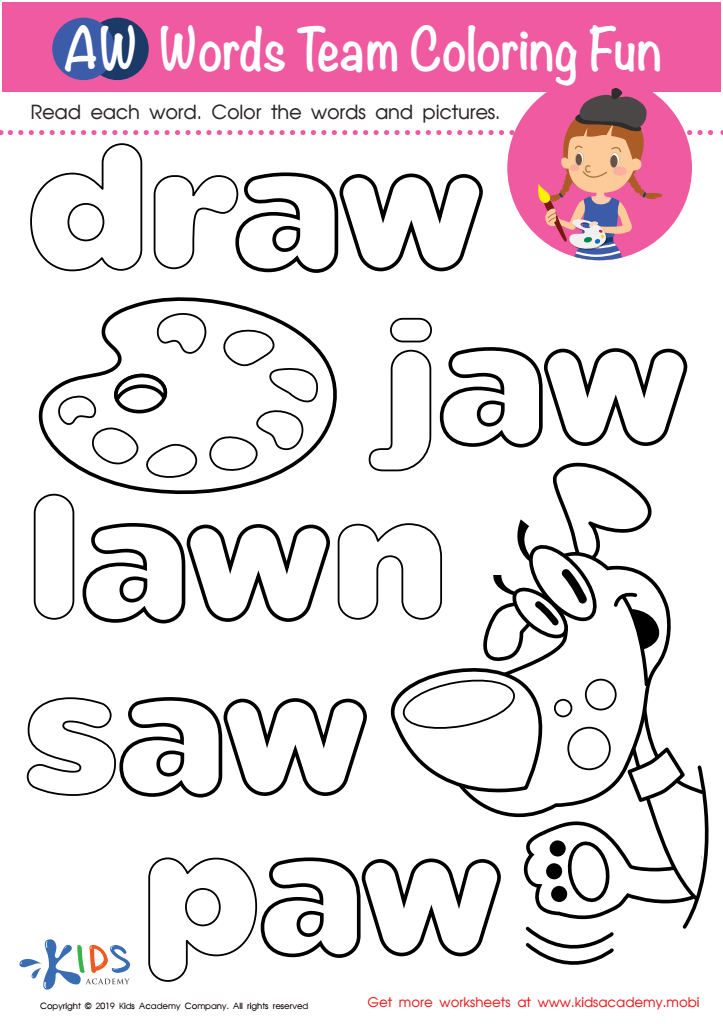
AW Words Team Coloring Fun Worksheet
 Assign to My Students
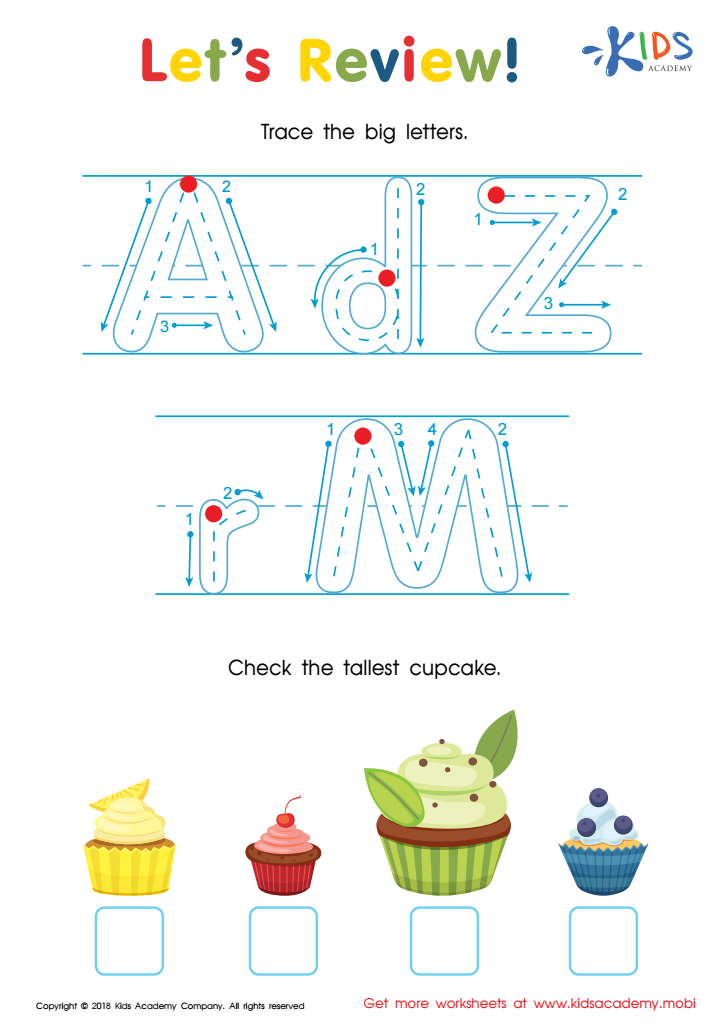
Let's Review! Big Letters Worksheet
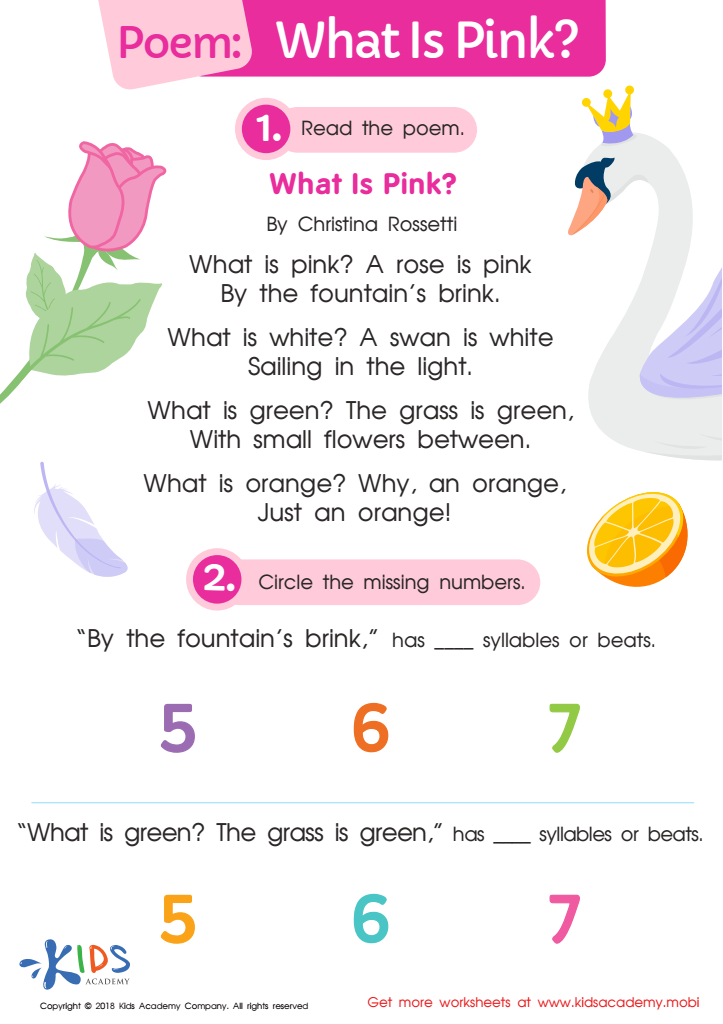
Poem: What Is Pink? Worksheet







Color identification and the ability to recognize the normal alphabet are essential skills for children ages 5-8, as they form a foundation for broader learning. Understanding colors helps children to categorize their environment, which enhances cognitive development. It aids in their capacity to express emotions and creativity, making connections between colors and various objects, feelings, or even cultures.
Learning the normal alphabet is crucial during this developmental stage since it is the building block for literacy. Mastering letter recognition influences a child's ability to read and write, enhancing their communication skills. A firm grasp of both colors and letters supports early educational achievement, leading to increased confidence as children tackle more complex subjects.
For parents and teachers, fostering these skills through engaging activities—such as colorful alphabet games or arts and crafts—provides children with a fun avenue for learning. This interactive process not only captivates children's attention but also strengthens their memory retention. When caregivers and educators actively promote color identification and alphabet familiarity, they set the stage for lifelong educational success, laying the groundwork for future academic and personal growth in children. Consistent reinforcement of these skills will ultimately support children as they navigate their educational journey.







