Fine motor skills development Normal Alphabet Worksheets for Ages 5-8
6 filtered results
-
From - To
Our "Fine Motor Skills Development Alphabet Worksheets for Ages 5-8" offer a fun and engaging way for young learners to enhance their dexterity. Tailored specifically for children aged 5 to 8, these worksheets combine alphabet practice with activities that build crucial finger and hand strength. Featuring tracing, matching, and coloring exercises, each sheet is designed to improve handwriting, hand-eye coordination, and overall fine motor skills. Crafted by educational experts, these worksheets provide a solid foundation for academic success and are perfect for home or classroom use. Help your child develop essential skills while making learning enjoyable!

I Stands High Worksheet
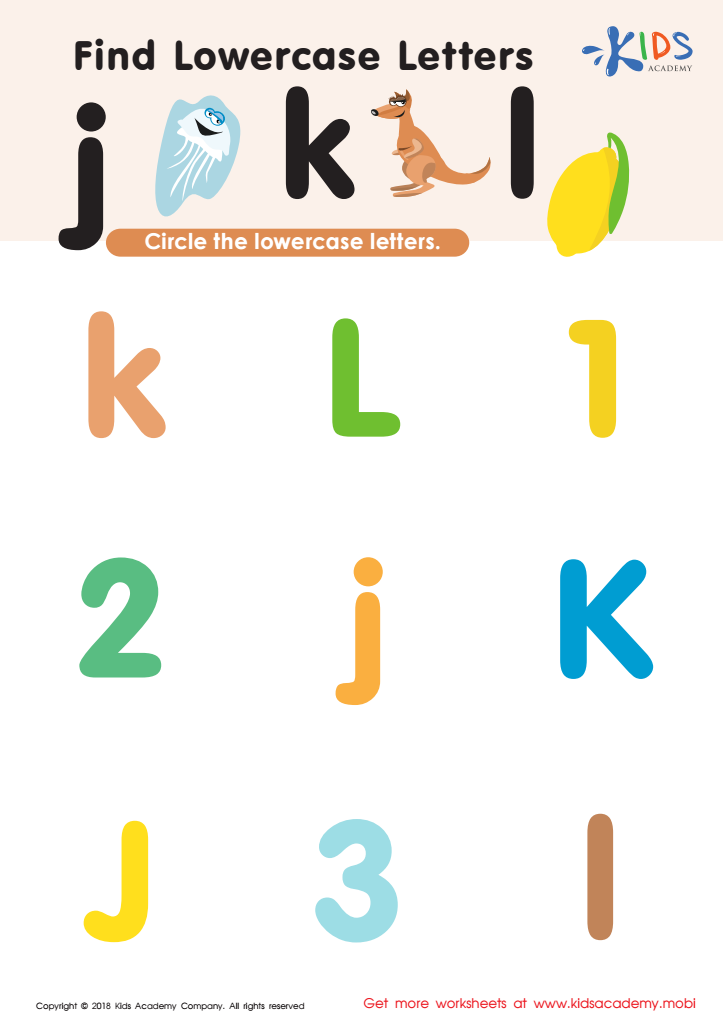
Find Lowercase Letters j k l Worksheet
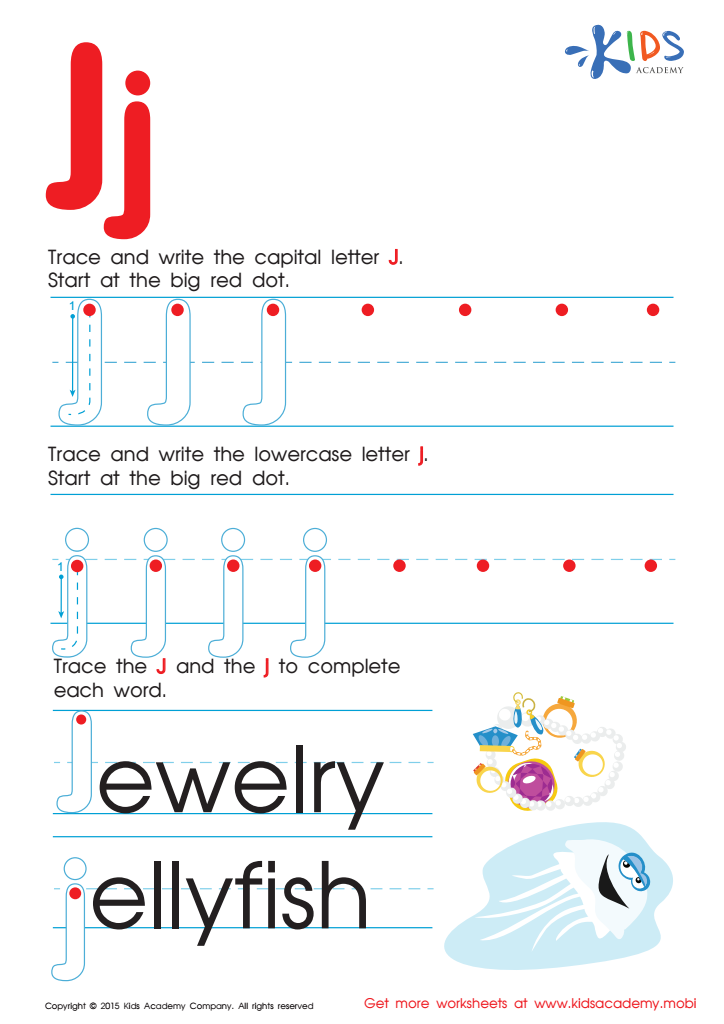
Letter J Tracing Page
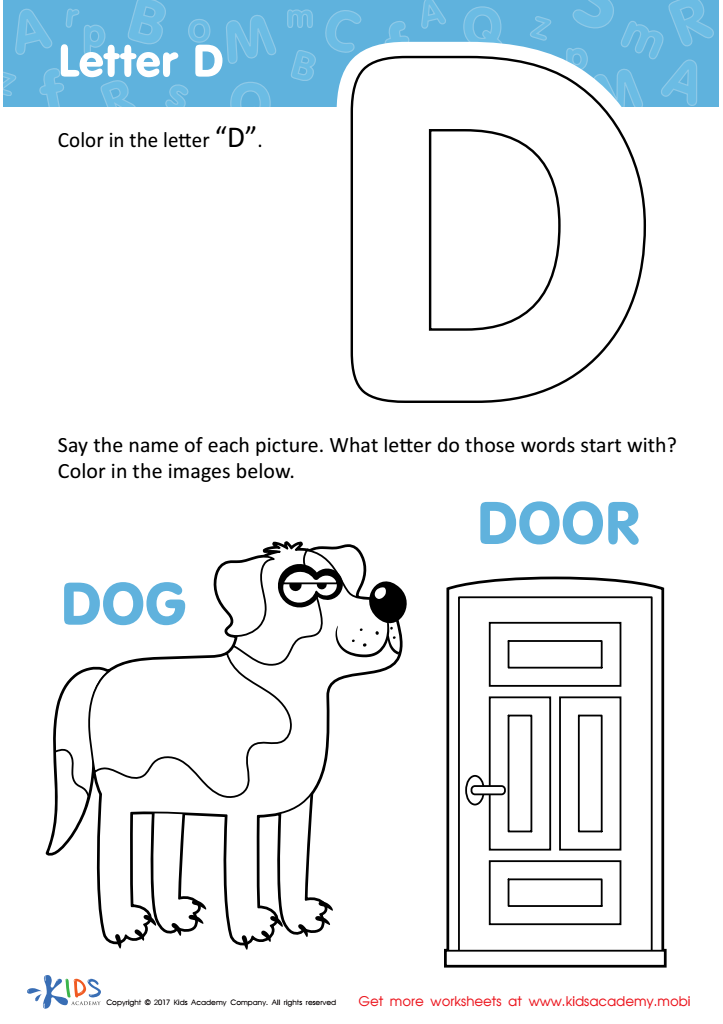
Letter D Coloring Sheet
 Assign to My Students
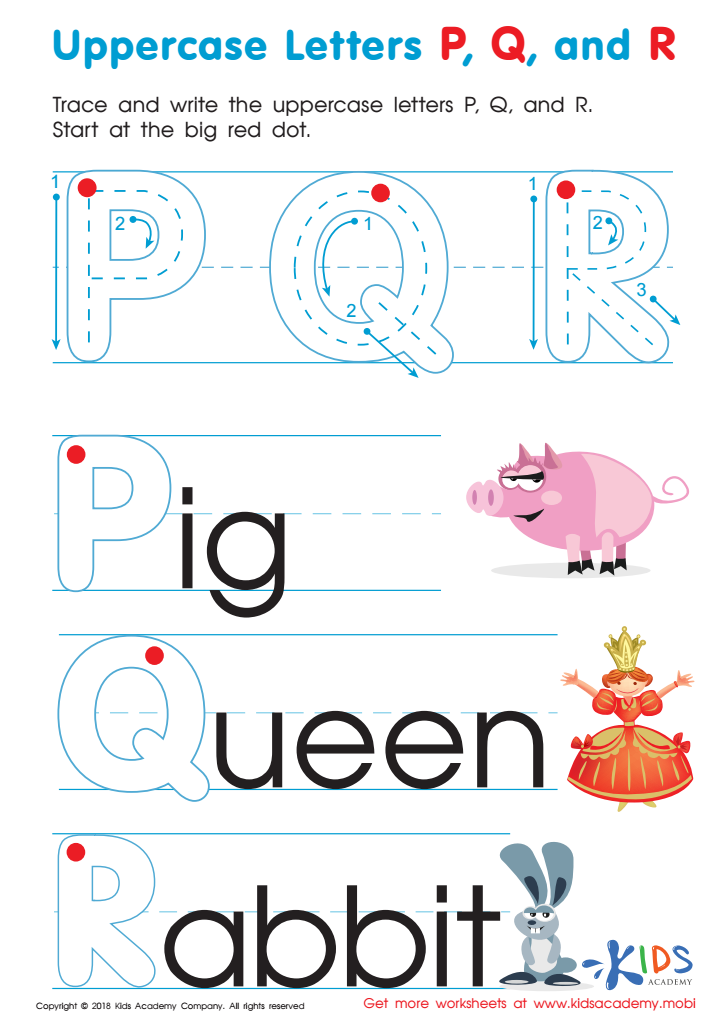
Uppercase Letters P, Q, and R Worksheet
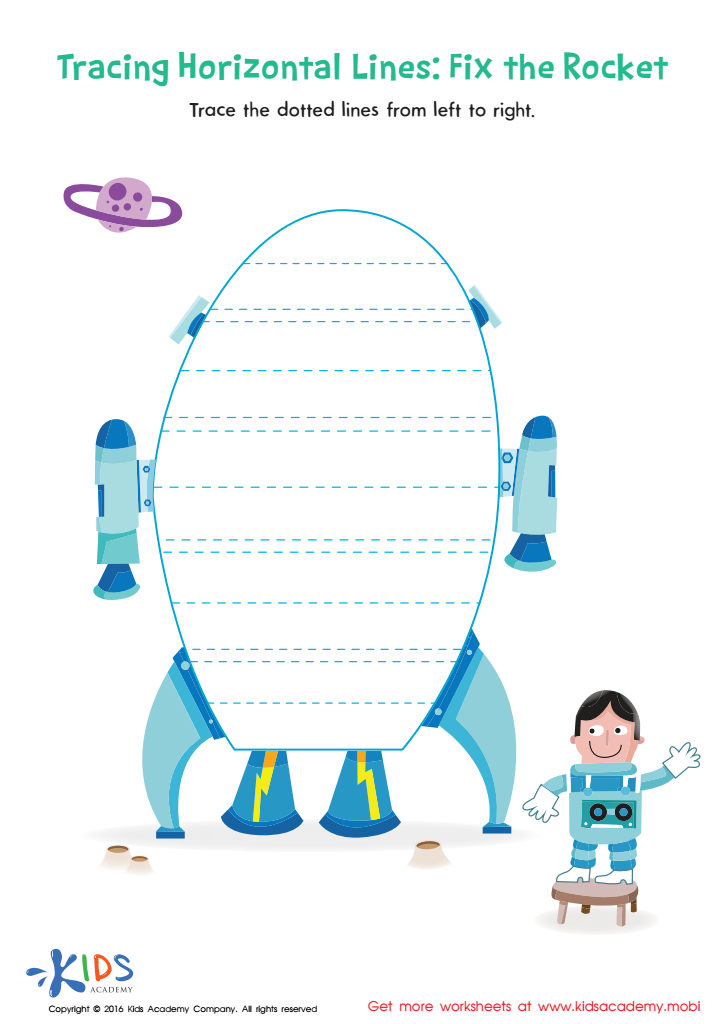
Tracing Horizontal Lines Worksheet





.jpg)


Fine motor skills involve the small muscles in our hands and fingers, which are crucial for performing everyday tasks like writing, buttoning a shirt, and using scissors. For children aged 5-8, the development of these skills is especially important as they are in a critical period for learning and mastering basic academic and self-care tasks.
When parents and teachers focus on fine motor skills, it greatly enhances a child's ability to succeed in school. Writing legibly, which is essential for nearly all school activities, hinges on well-developed fine motor control. If a child struggles with skills like holding a pencil or cutting paper, their academic confidence and performance may suffer. This can lead to frustration, impacting their willingness to engage in classroom activities.
Beyond academics, fine motor skills are vital for developing independence in daily life. Tasks such as tying shoelaces, manipulating small objects, and performing other self-care actions become more manageable for children with well-developed fine motor competencies. This independence boosts their self-esteem and social skills as they feel more capable and self-reliant.
In summary, caring about fine motor skills development lays a solid foundation for children's academic achievements, personal independence, and overall confidence, making it an area of significant importance for both parents and teachers.







