Phonics development Normal Alphabet Worksheets for Ages 5-8
3 filtered results
-
From - To
Discover our engaging Phonics Development Normal Alphabet Worksheets designed specifically for children ages 5-8. These worksheets provide a fun and interactive way for young learners to enhance their phonics skills while mastering letter recognition and sound association. Each activity supports early literacy by reinforcing essential concepts through colorful visuals and creative exercises. Ideal for classroom use or at-home learning, our easy-to-follow worksheets cater to various learning styles, ensuring that every child can build confidence in their reading abilities. Start your child's journey to literacy today with these valuable resources, crafted to inspire a love for learning and support foundational reading skills!
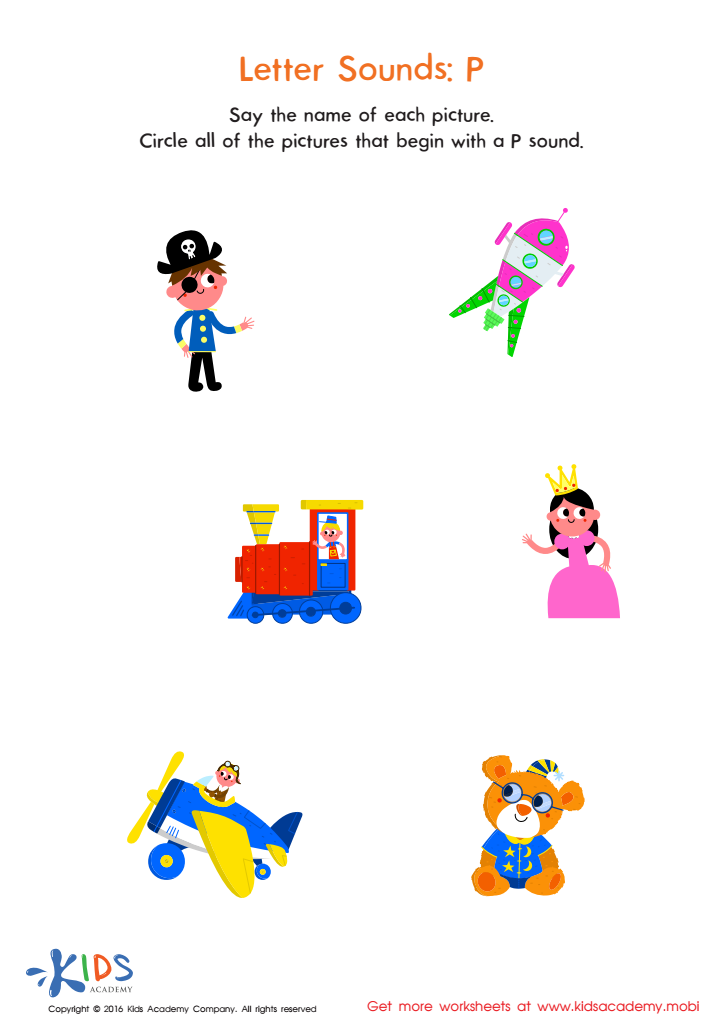
Letter P Sound Worksheet
 Assign to My Students
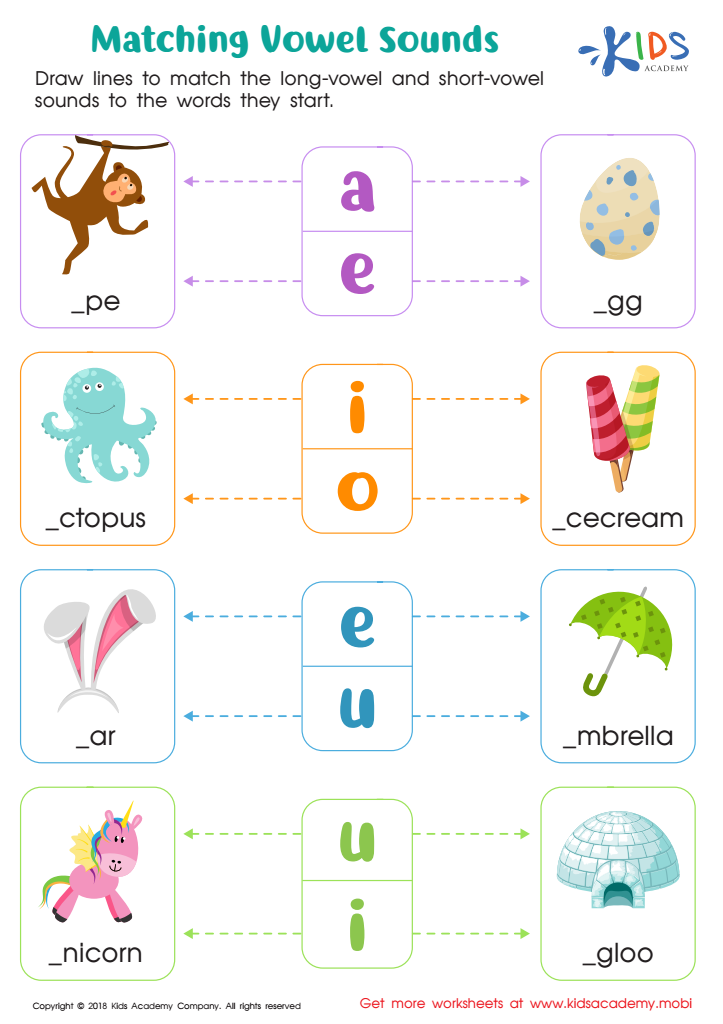
Matching Vowel Sounds Worksheet
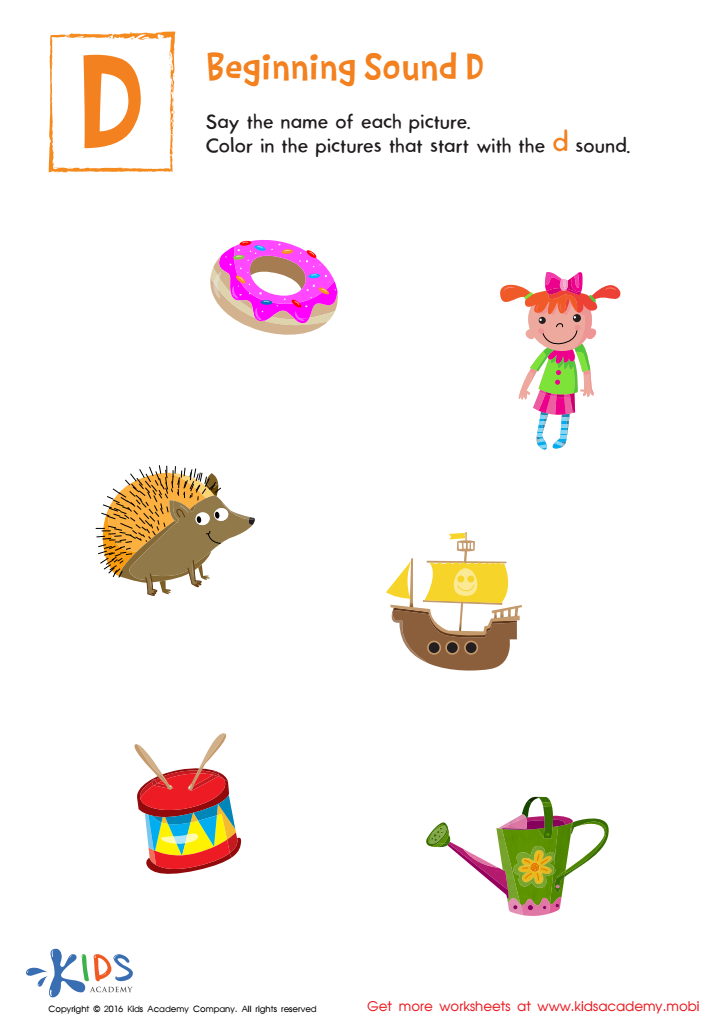
Beginning Sound D Worksheet








Phonics development is crucial for children aged 5-8 as it lays the foundation for successful reading and writing skills. At this early stage, children learn the relationship between letters and sounds, which helps them decode words and improve their literacy skills. When parents and teachers prioritize phonics, they empower children to become confident readers and independent thinkers.
Understanding phonics enables children to progress from recognizing letters to decoding unfamiliar words, promoting a love for reading. This skill not only enhances vocabulary but also boosts comprehension, as children can more easily grasp the meaning of texts they encounter. Moreover, early phonics instruction can directly impact academic success across all subjects, as reading competence is essential for accessing information.
Parents and teachers play a pivotal role in fostering phonics development through engaging activities, interactive games, and positive reinforcement. By creating a rich language environment, they can inspire curiosity and facilitate learning.
In essence, prioritizing phonics development ensures children become proficient readers, setting them on a path toward lifelong literacy and learning. By investing in their phonics skills, adults help shape futures filled with opportunities for academic achievement and personal growth.







