Word Recognition Normal Alphabet Worksheets for Ages 5-8 - Page 2
26 filtered results
-
From - To
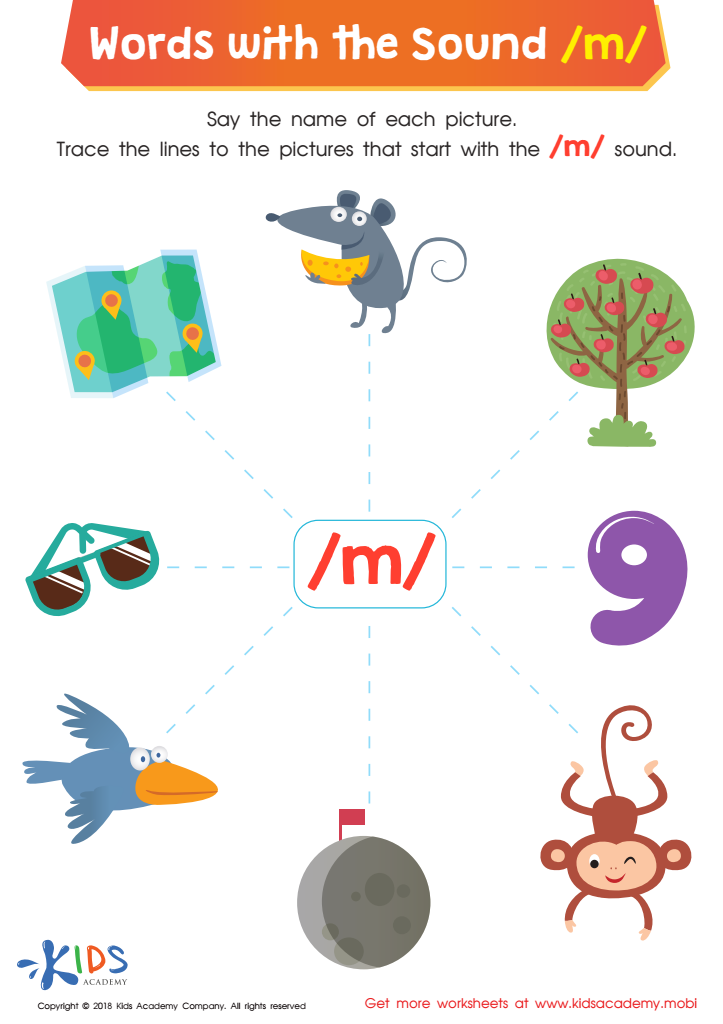
Words with Sound M Reading Worksheet
 Assign to My Students
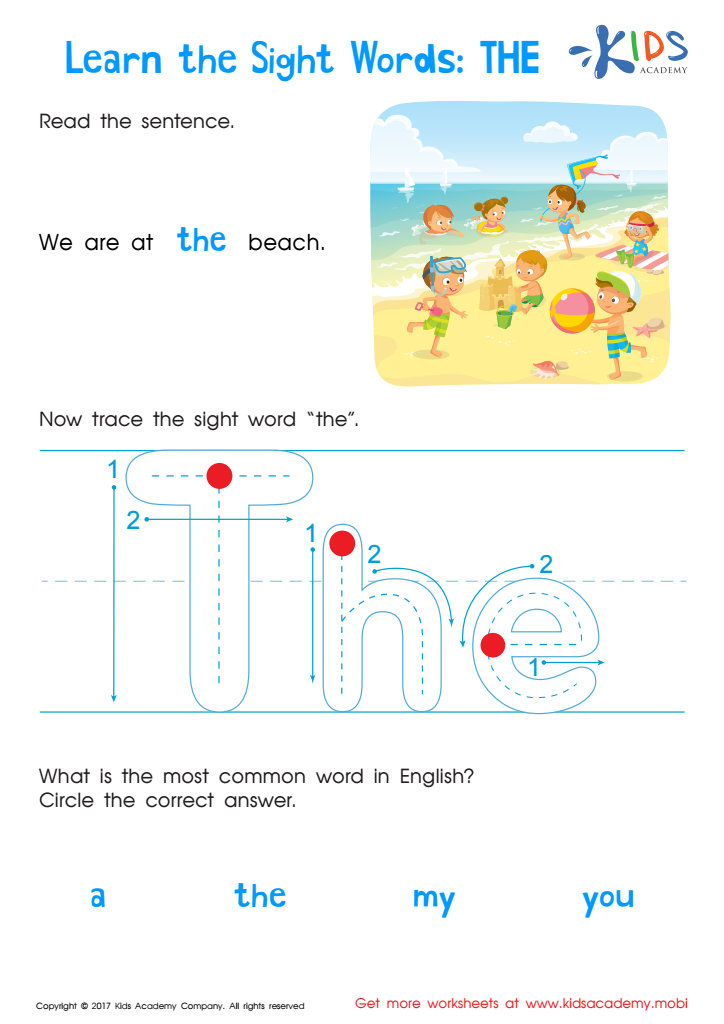
Sight Words: The Worksheet







Word recognition using a normal alphabet is fundamental for children aged 5-8 as it sets the foundation for all future learning. At this critical stage, children are developing essential literacy skills, and recognizing words quickly and accurately helps them understand and process written language more efficiently. When children become proficient at word recognition, they increase their reading fluency, which permits them to devote more cognitive resources to comprehension rather than decoding. Fluent readers can better grasp the meaning of the text, make connections to prior knowledge, and enjoy reading as an engaging and rewarding activity.
Additionally, strong word recognition skills have a domino effect on other academic areas. Success in reading translates into higher academic performance across subjects, including mathematics, science, and social studies because these subjects rely heavily on reading comprehension.
Moreover, building word recognition early boosts a child’s confidence and motivation to read, fostering a positive attitude towards learning. For parents and teachers, supporting word recognition involves using phonics-based approaches, engaging in regular reading activities, and providing ample opportunities for children to practice reading in a stress-free environment. Collectively, these efforts prepare children for a lifetime of learning and problem-solving, which are crucial skills in our knowledge-based world.







