Normal Letter Recognition Worksheets for Ages 5-8 - Page 4
83 filtered results
-
From - To
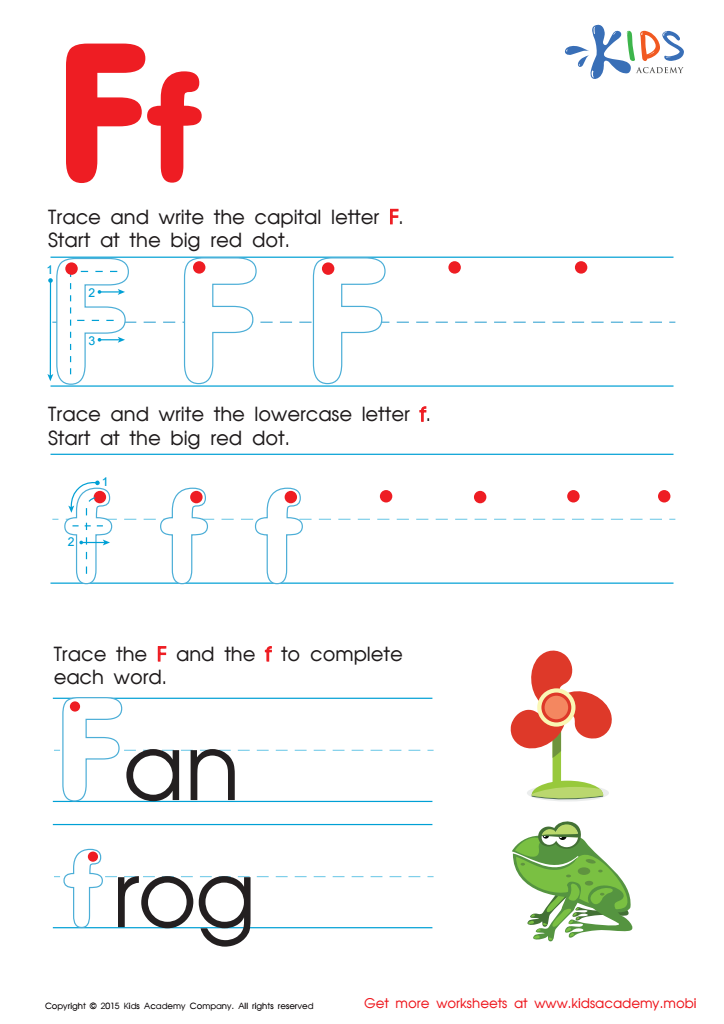
Letter F Tracing Page
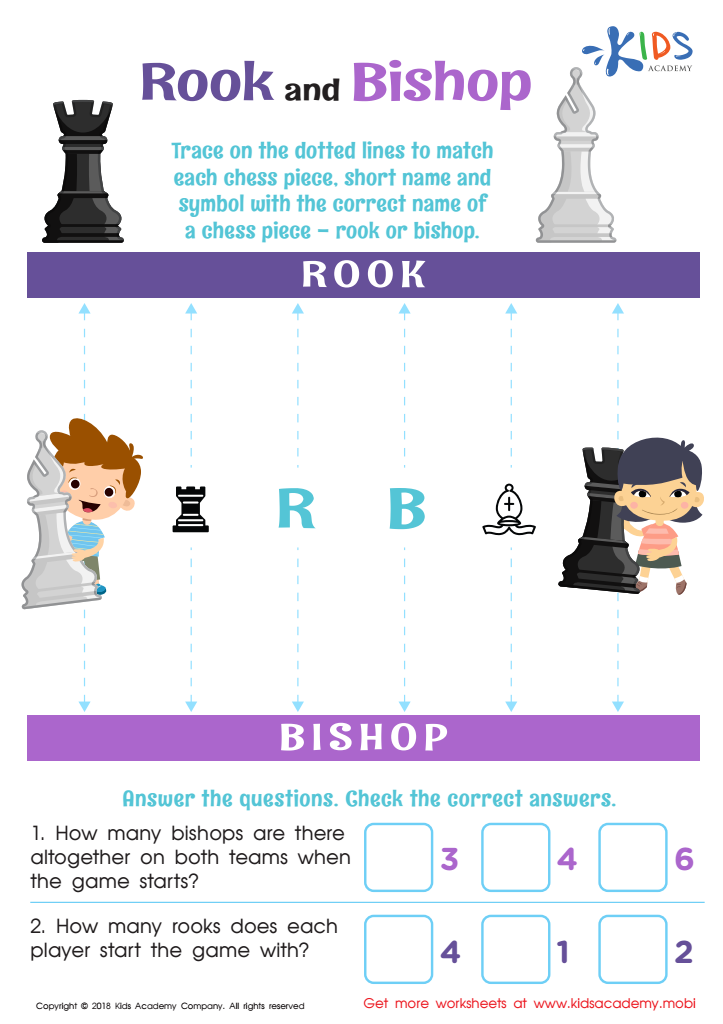
Rook and Bishop Worksheet
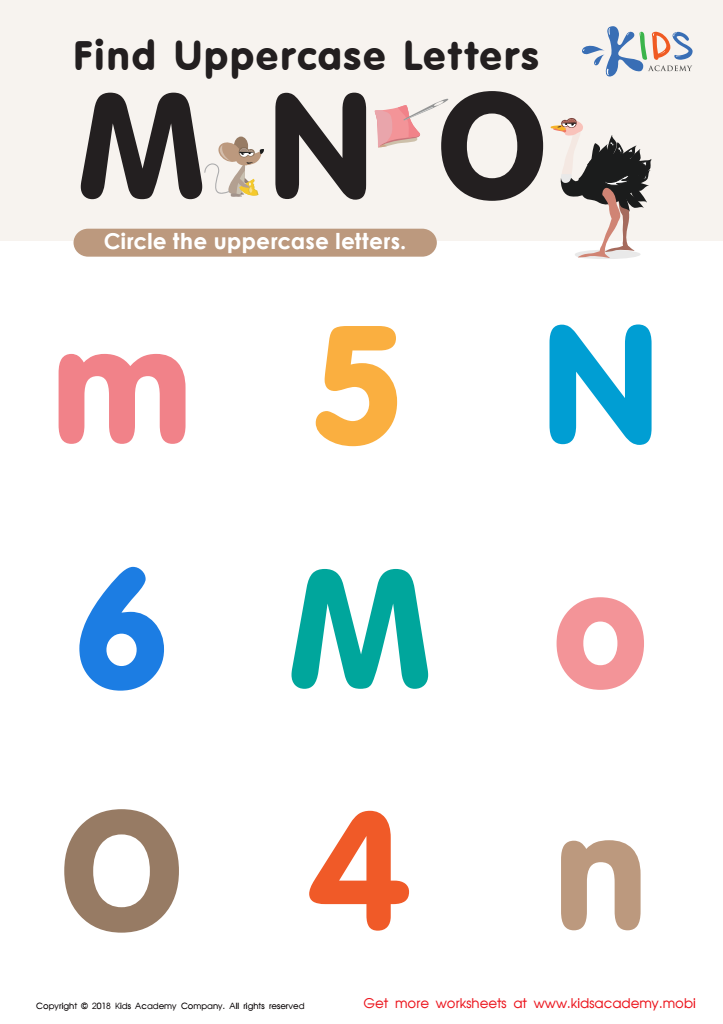
Find Uppercase Letters M, N, and O Worksheet
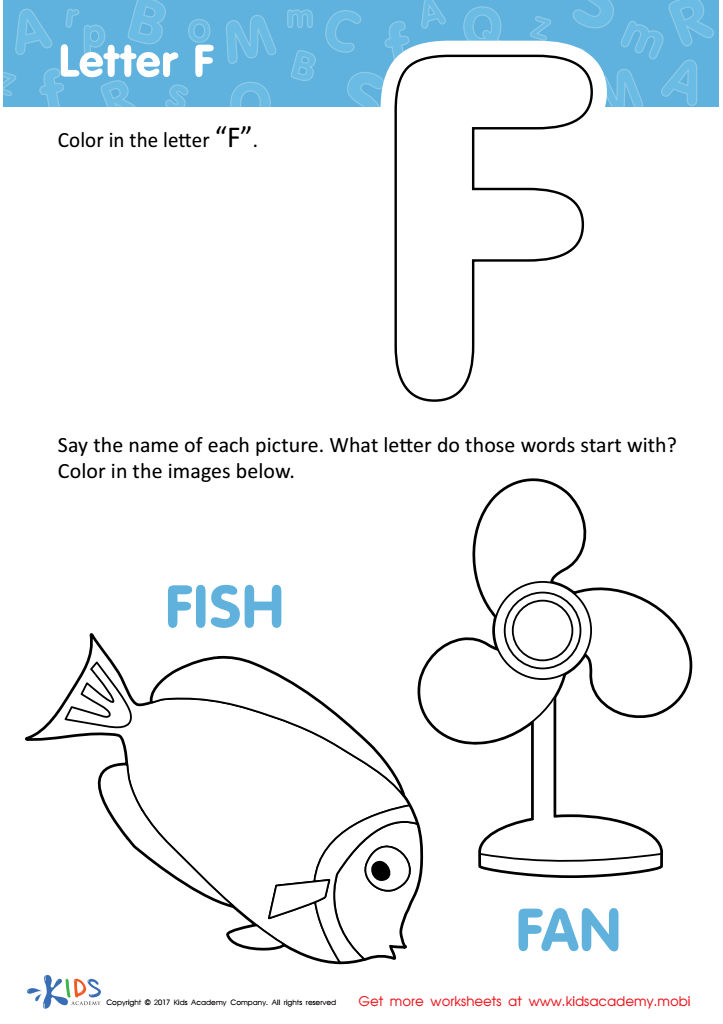
Letter F Coloring Sheet
 Assign to My Students
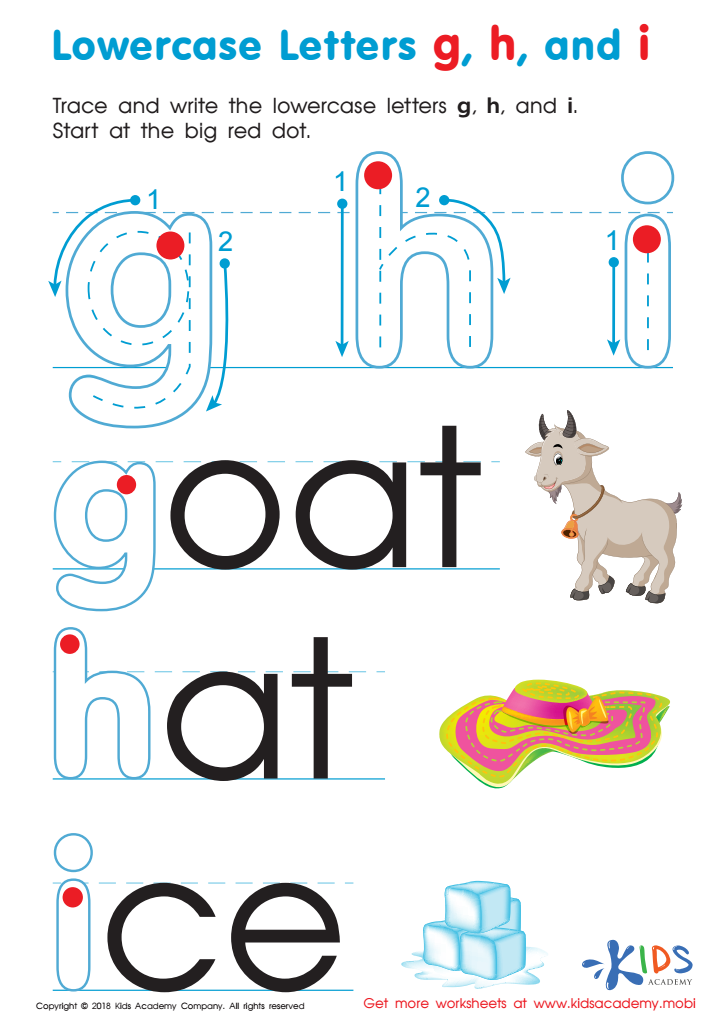
Lowercase Letters g h i Worksheet
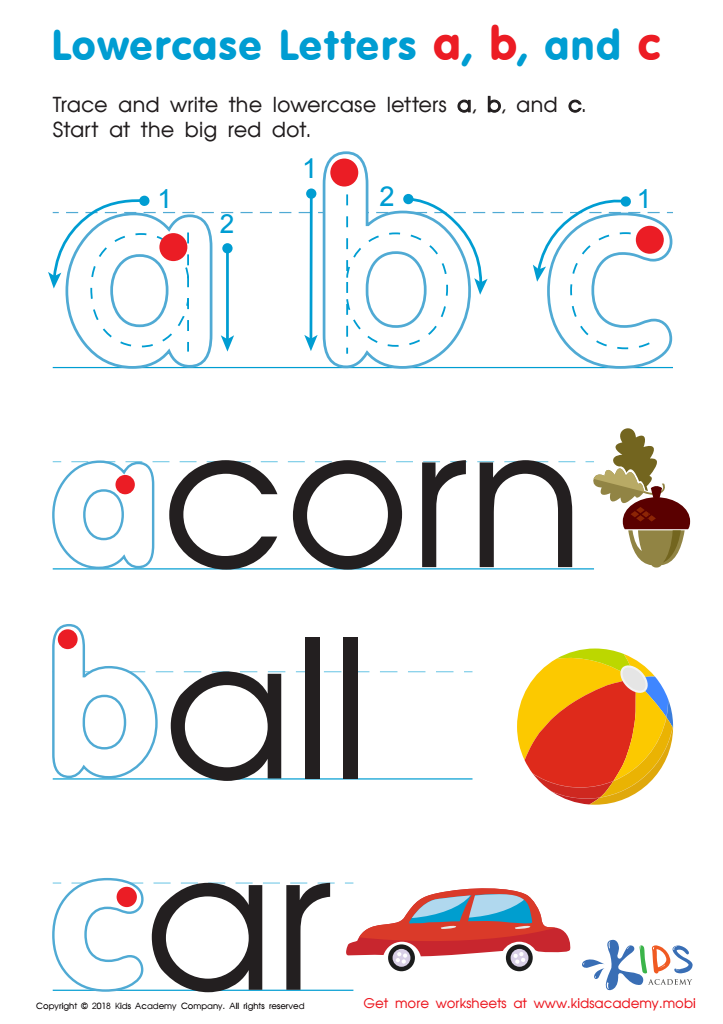
Lowercase Letters a b c Worksheet
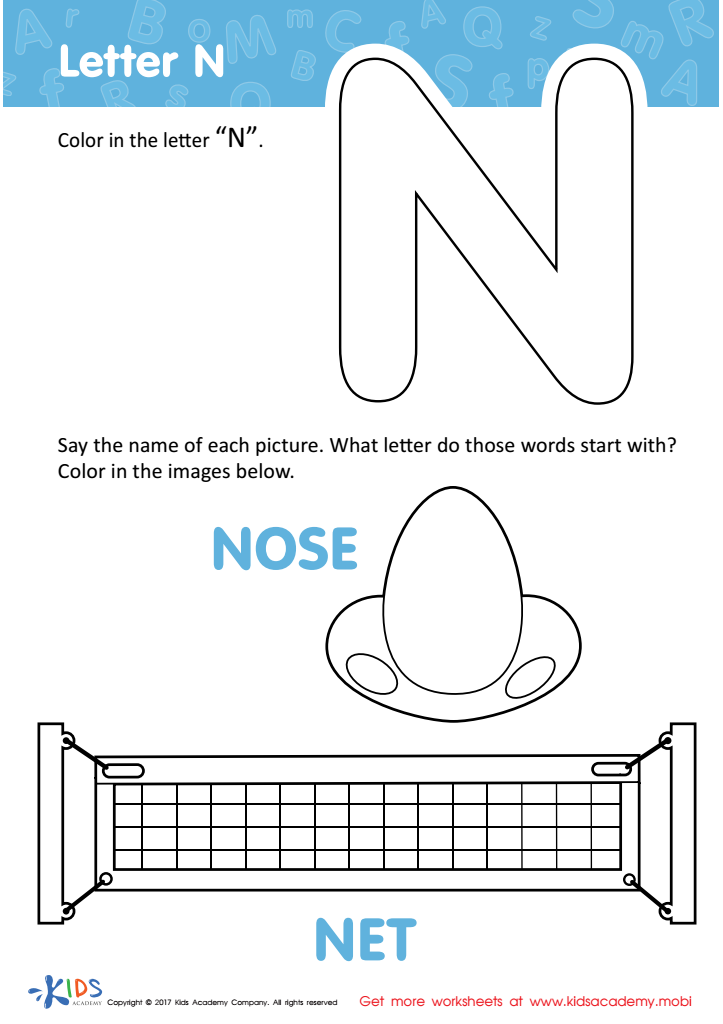
Letter N Coloring Sheet
Assign to My Students
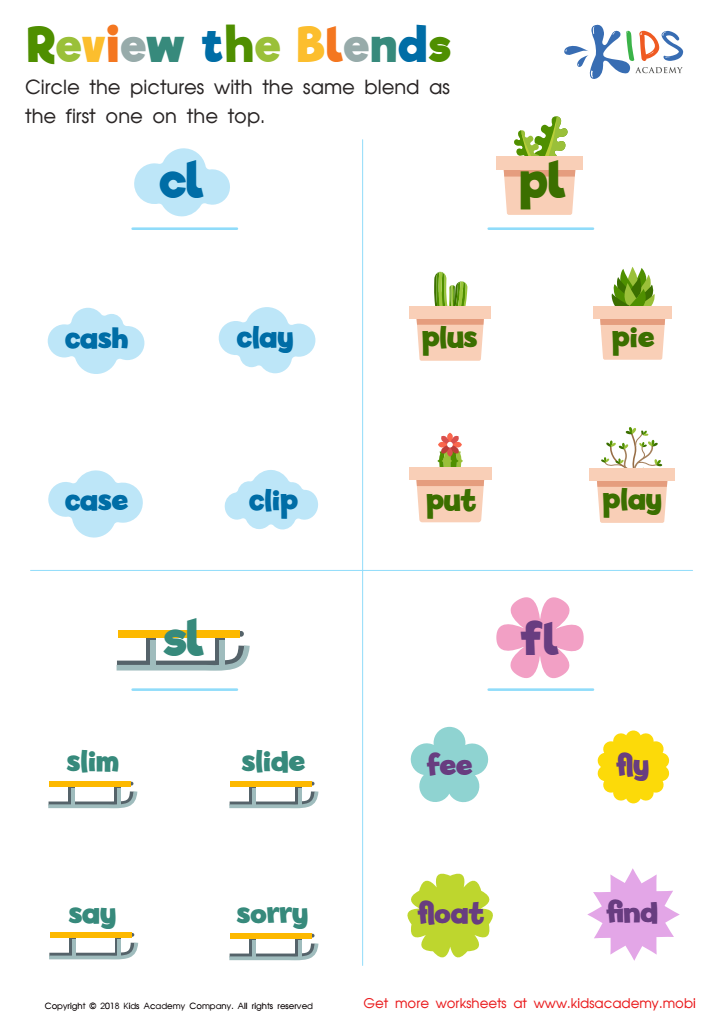
Review the Blends Worksheet
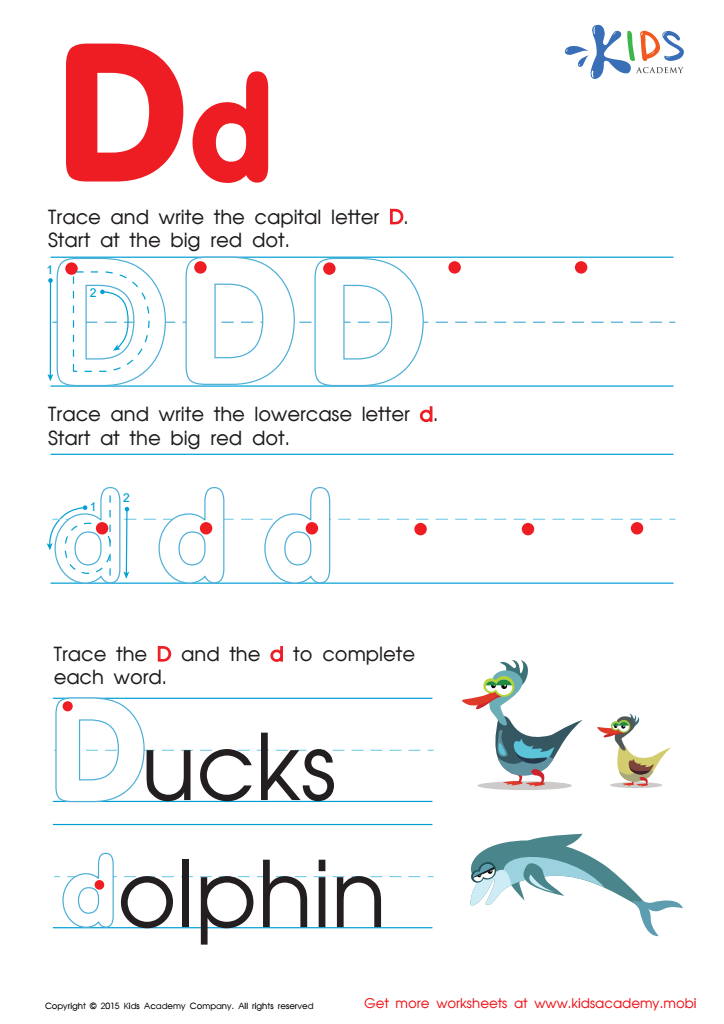
Letter D Tracing Page
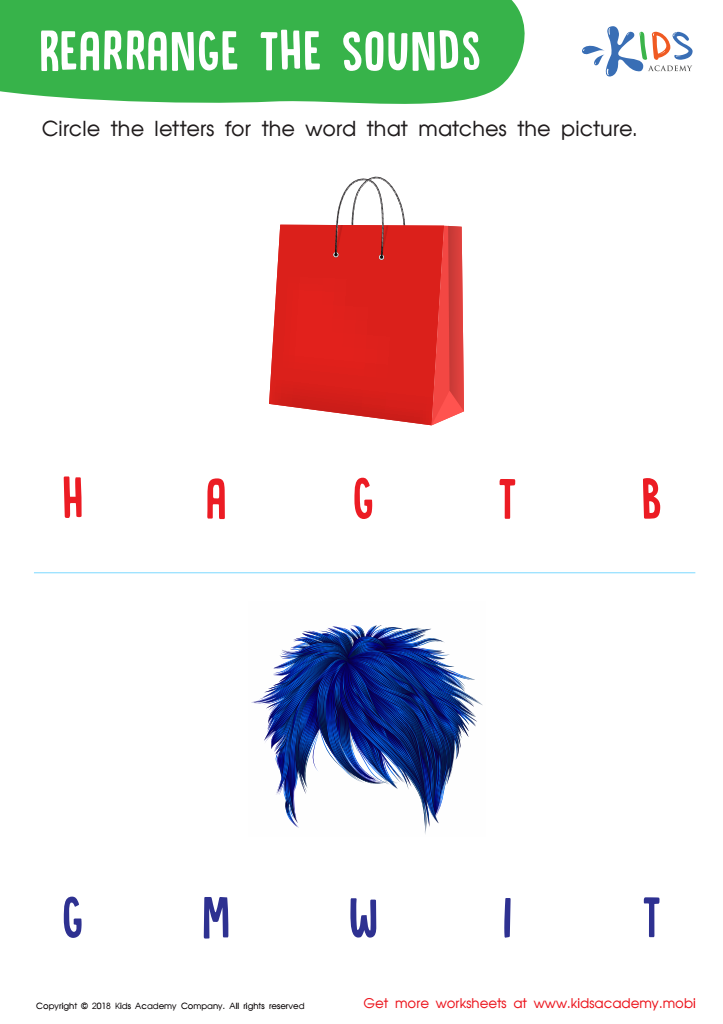
Rearrange the Sounds Worksheet
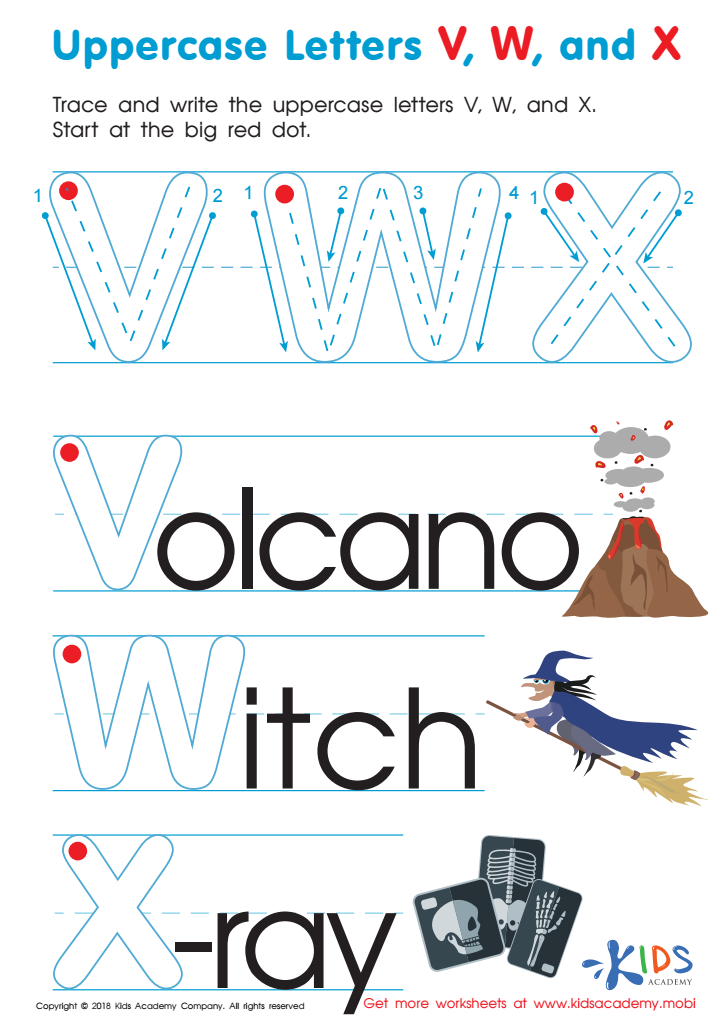
Uppercase Letters V, W, and X Worksheet








Normal letter recognition is a foundational skill for children ages 5-8, playing a critical role in their literacy development. Parents and teachers should prioritize this skill, as it serves as the building block for reading and writing. Early mastery of letter recognition helps children understand the alphabet's structure, promoting phonics awareness and aiding in decoding words. When children can easily identify letters, they can progress to sound-letter relationships, leading to increased reading fluency and comprehension.
In addition, strong letter recognition skills contribute to overall confidence in school. Children who easily recognize letters can participate more actively in classroom activities, fostering a love for learning. As skills in this area advance, students become more willing to take on challenges, ultimately enhancing their academic performance and self-esteem.
Moreover, fostering letter recognition can create valuable opportunities for parental involvement, allowing families to engage in educational activities at home. Simple games, reading together, and flashcards can reinforce these skills outside the classroom. By nurturing letter recognition, parents and teachers work together to support children’s communication abilities, setting the stage for lifelong literacy skills and successful academic journeys. Ultimately, attention to this essential skill more significantly impacts children's overall educational success and future achievements.








