Alphabet Recognition Normal Letter Recognition Worksheets for Ages 5-8
30 filtered results
-
From - To
Explore our engaging Alphabet Recognition Normal Letter Recognition Worksheets, designed specifically for children ages 5-8. These interactive worksheets help young learners master the alphabet while developing critical early literacy skills. Featuring a variety of fun activities, including coloring, tracing, and identifying letters, our resources ensure a dynamic learning experience. Perfect for both classroom settings and at-home practice, these worksheets cater to diverse learning styles and abilities. Foster your child's confidence and readiness for reading by enhancing their letter recognition skills through playful and effective exercises. Start your child's journey to literacy with our thoughtfully crafted materials today!
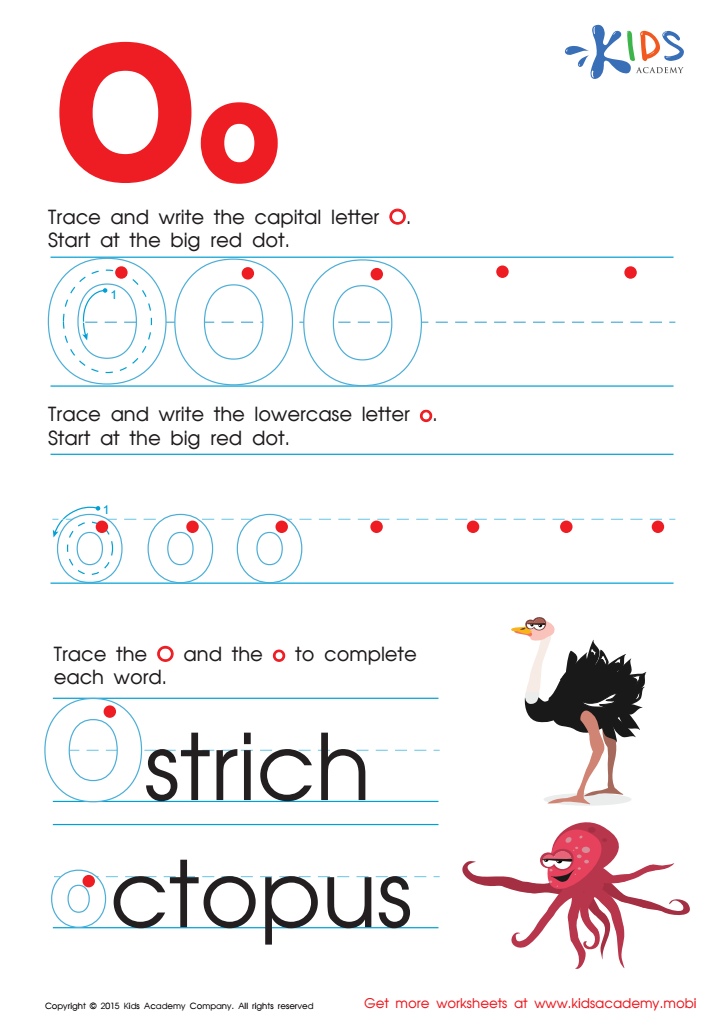
Letter O Tracing Page
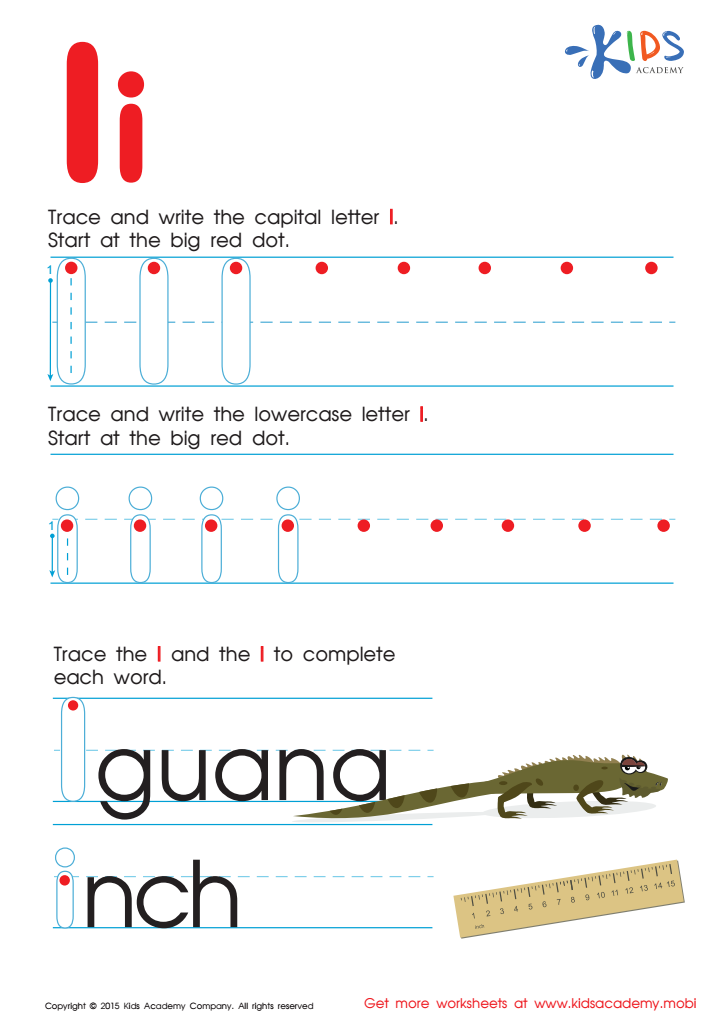
Letter I Tracing Page
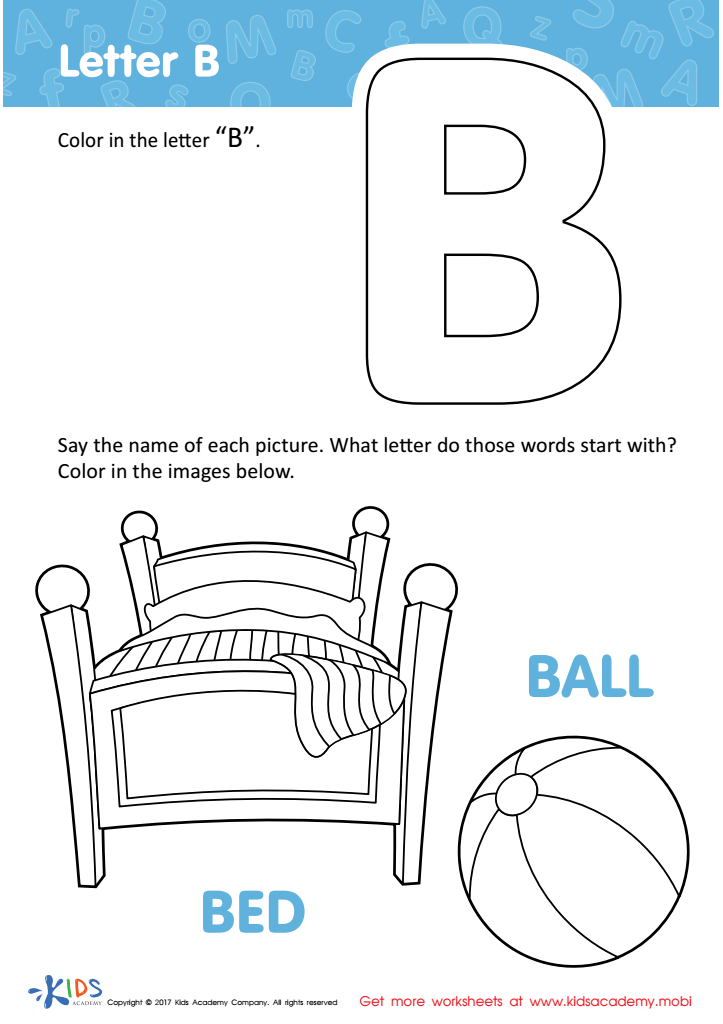
Letter B Coloring Sheet
 Assign to My Students
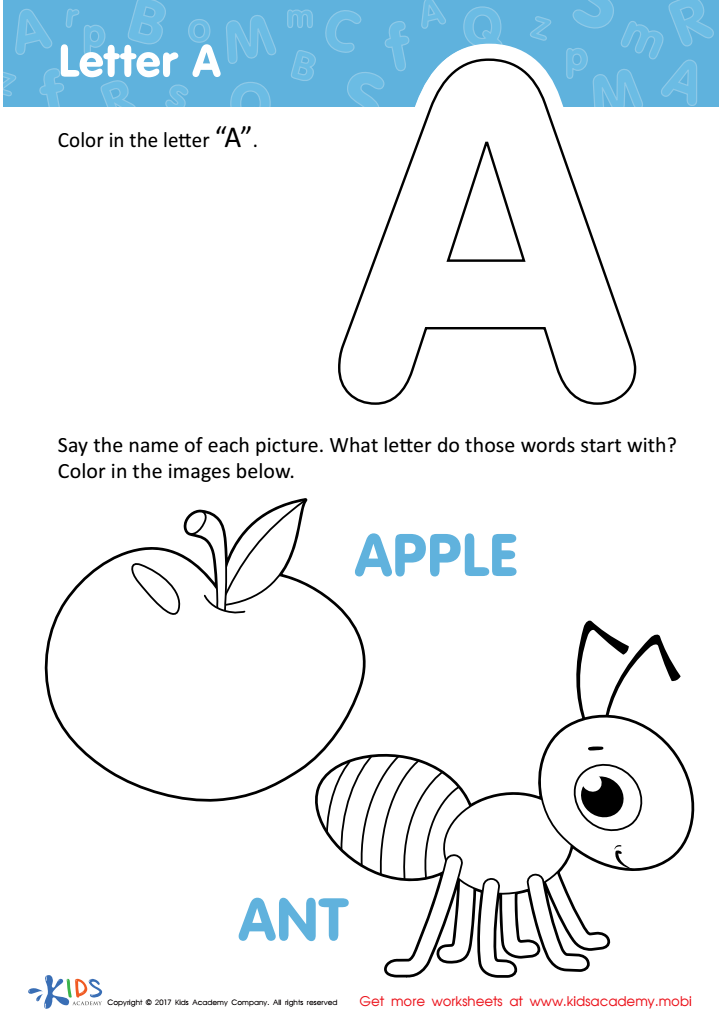
Letter A Coloring Sheet
Assign to My Students
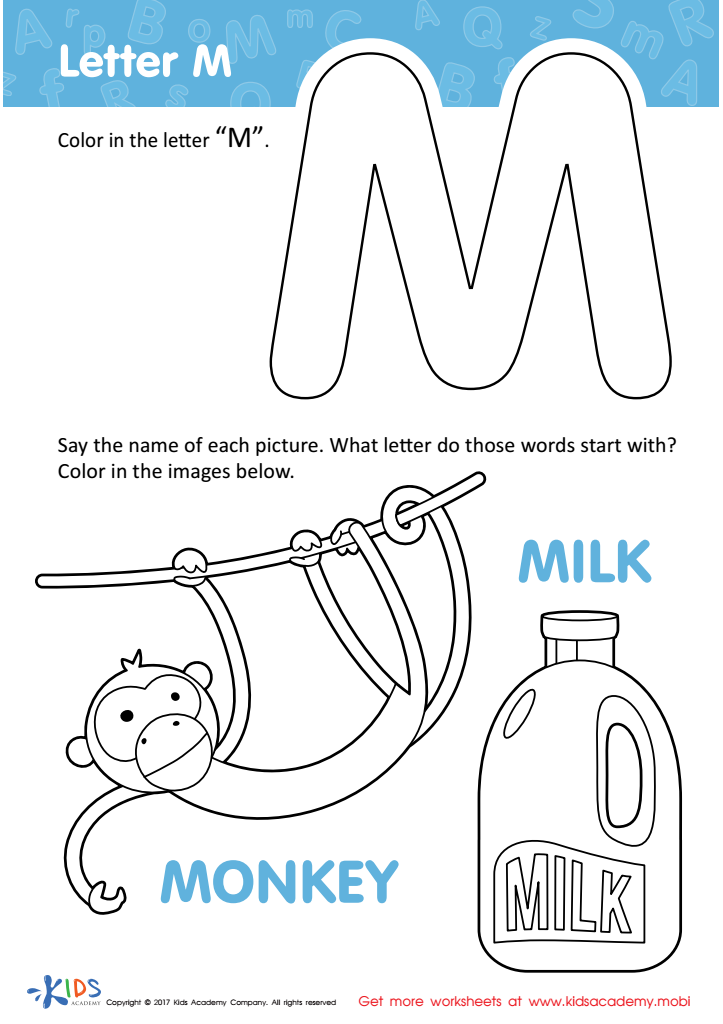
Letter M Coloring Sheet
Assign to My Students
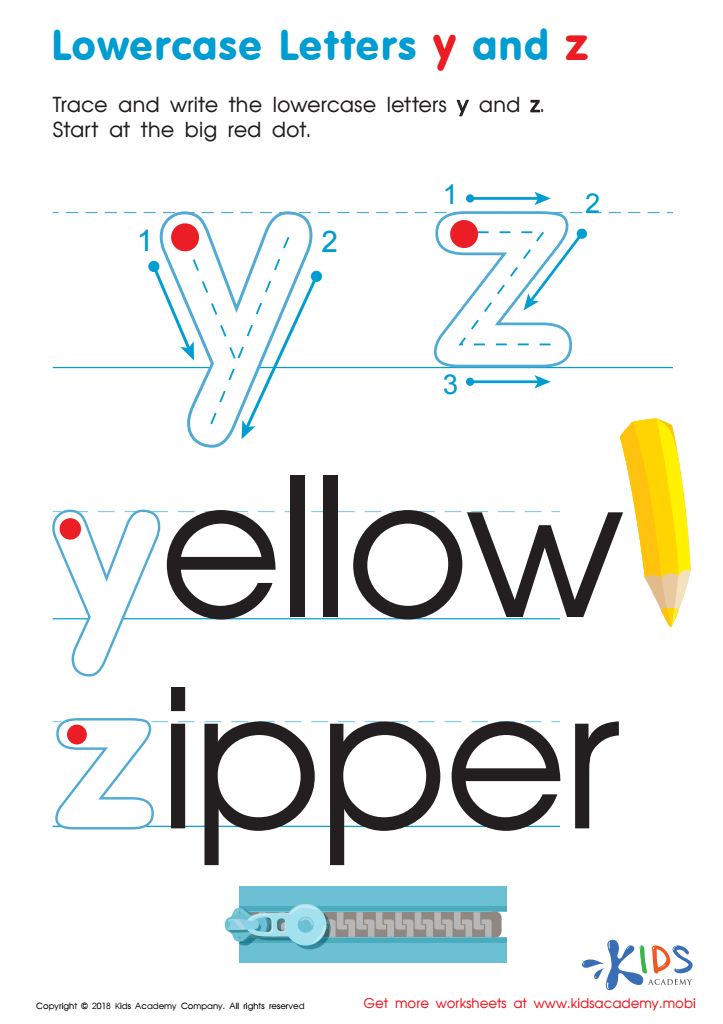
Lowercase Letters y z Worksheet
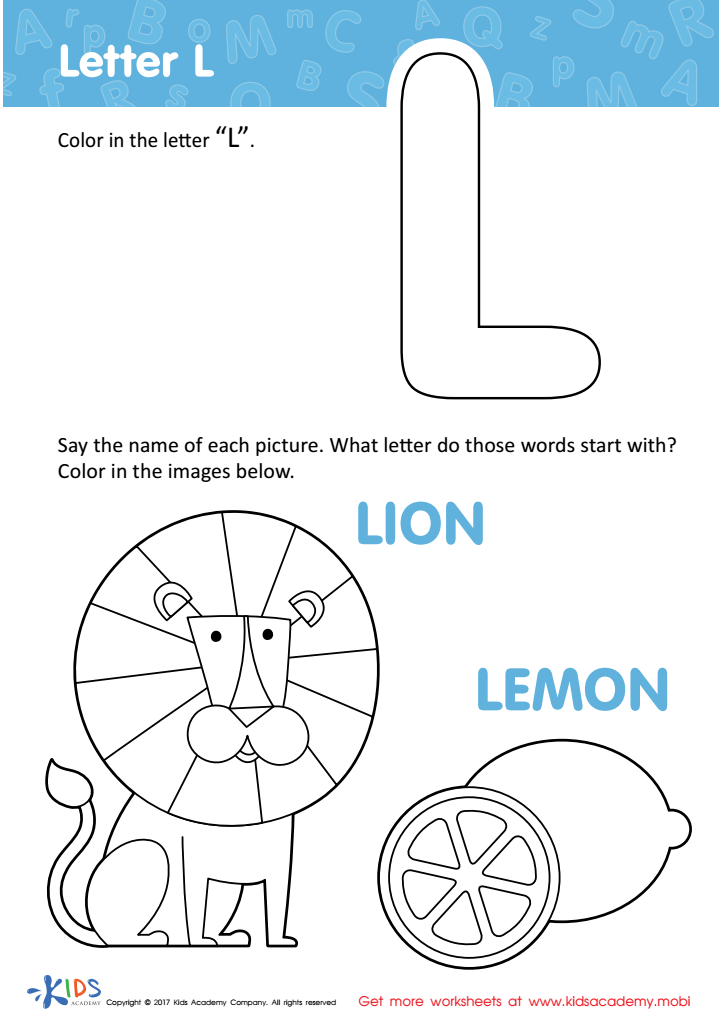
Letter L Coloring Sheet
Assign to My Students
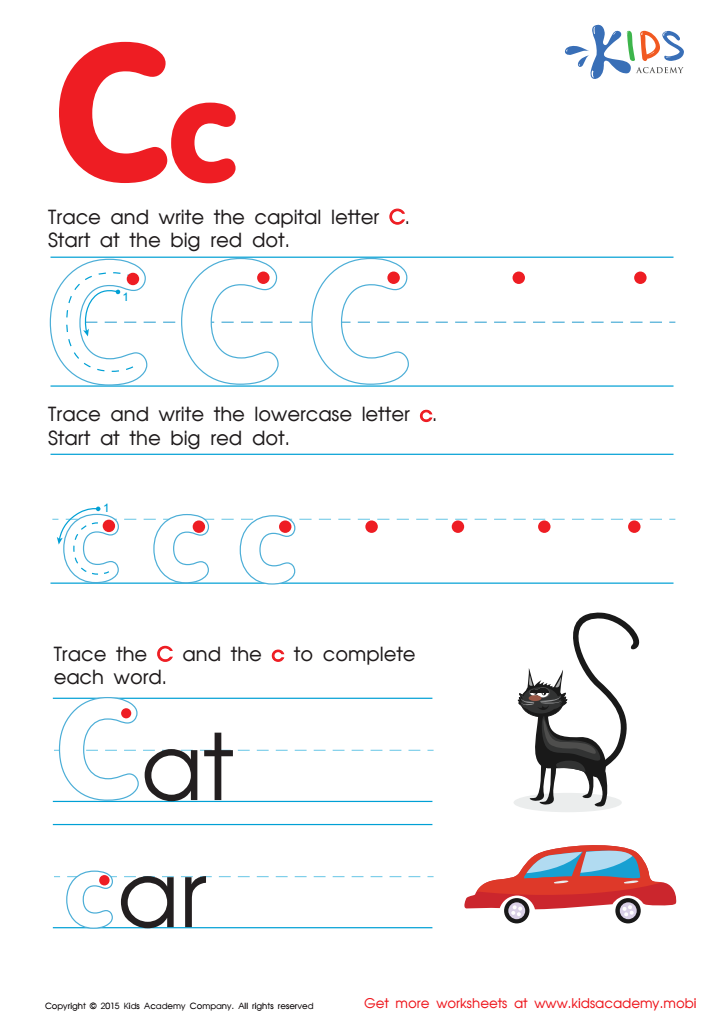
Letter C Tracing Page
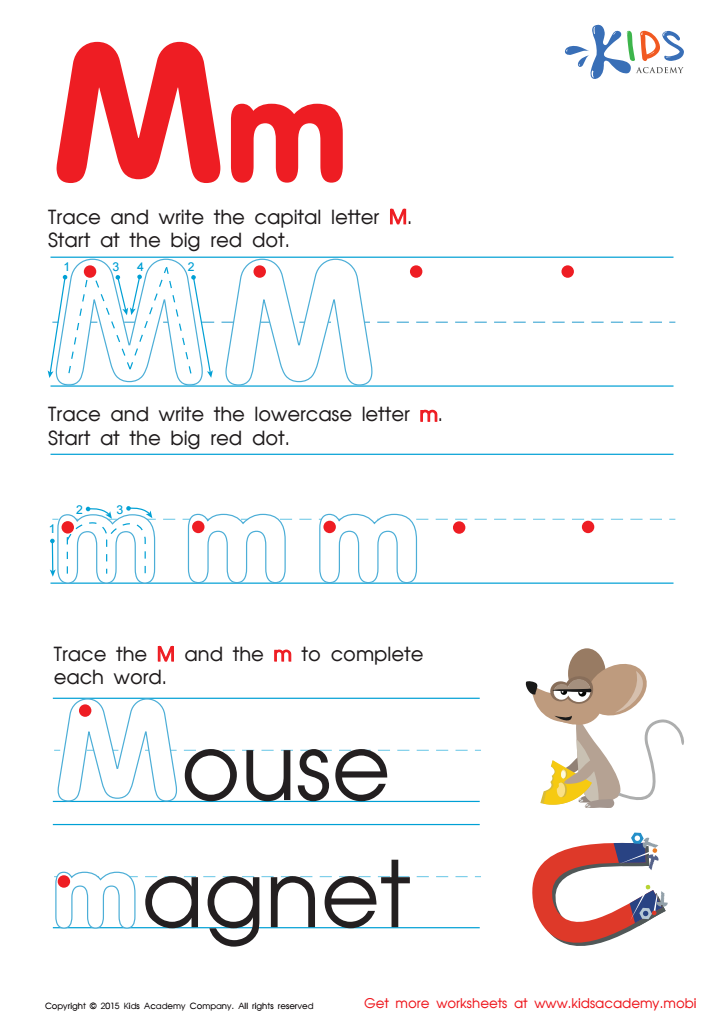
Letter M Tracing Page
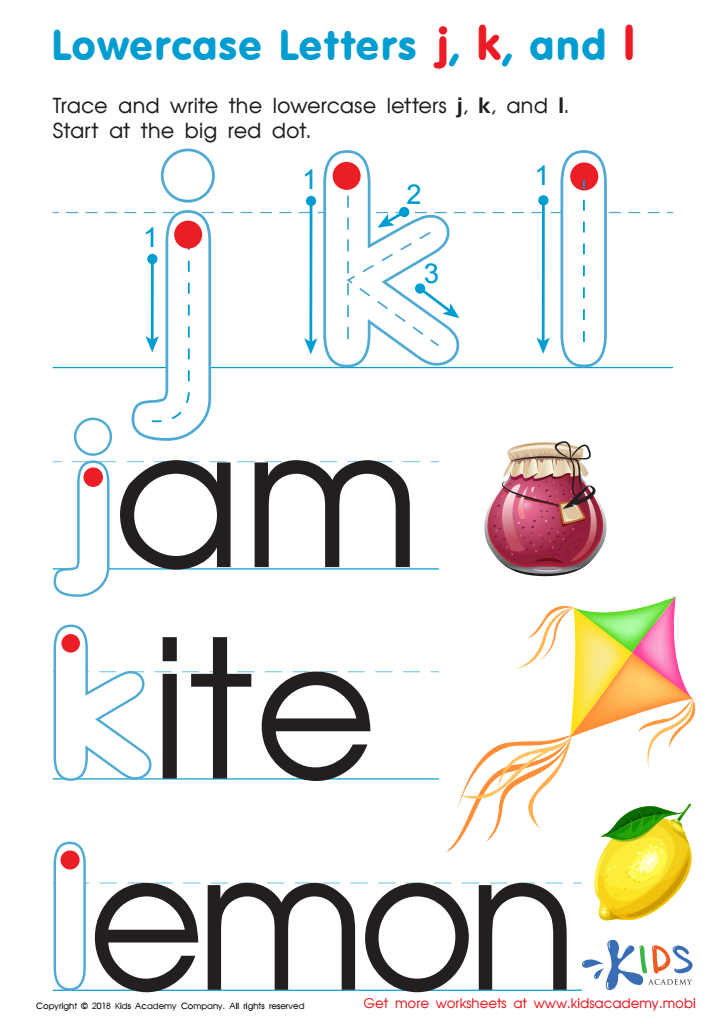
Lowercase Letters j k l Worksheet
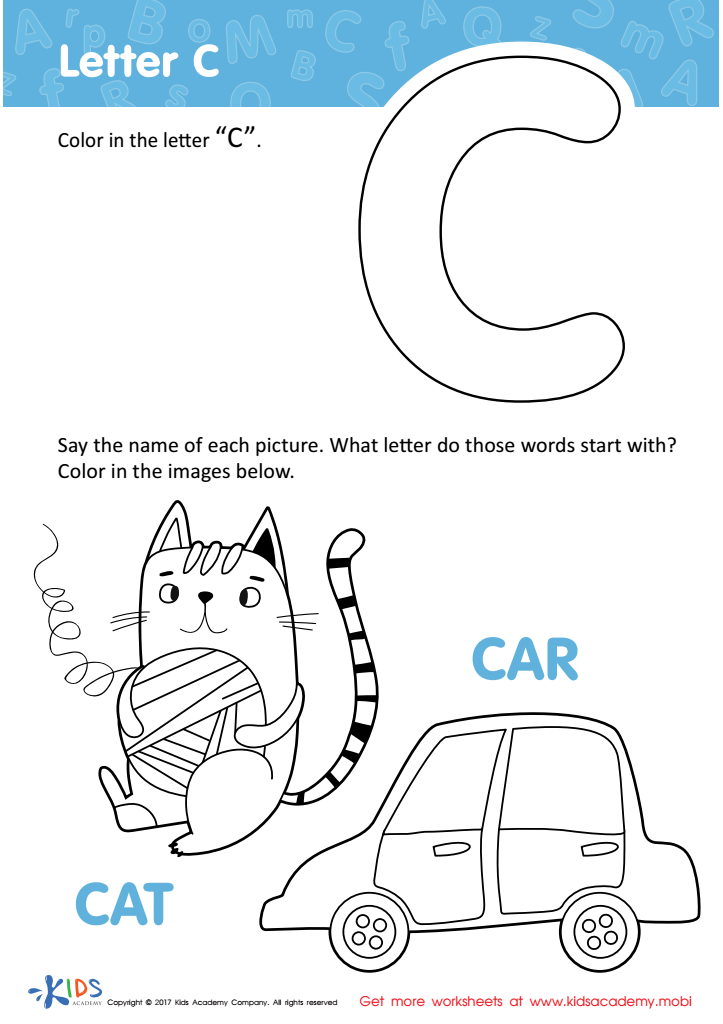
Letter C Coloring Sheet
Assign to My Students
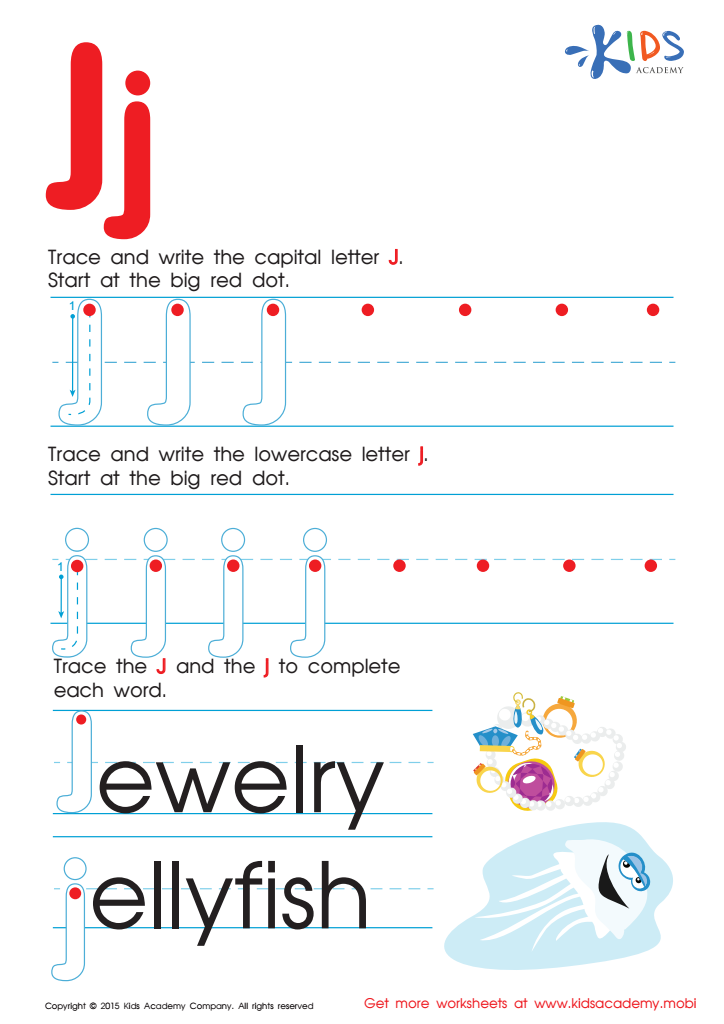
Letter J Tracing Page
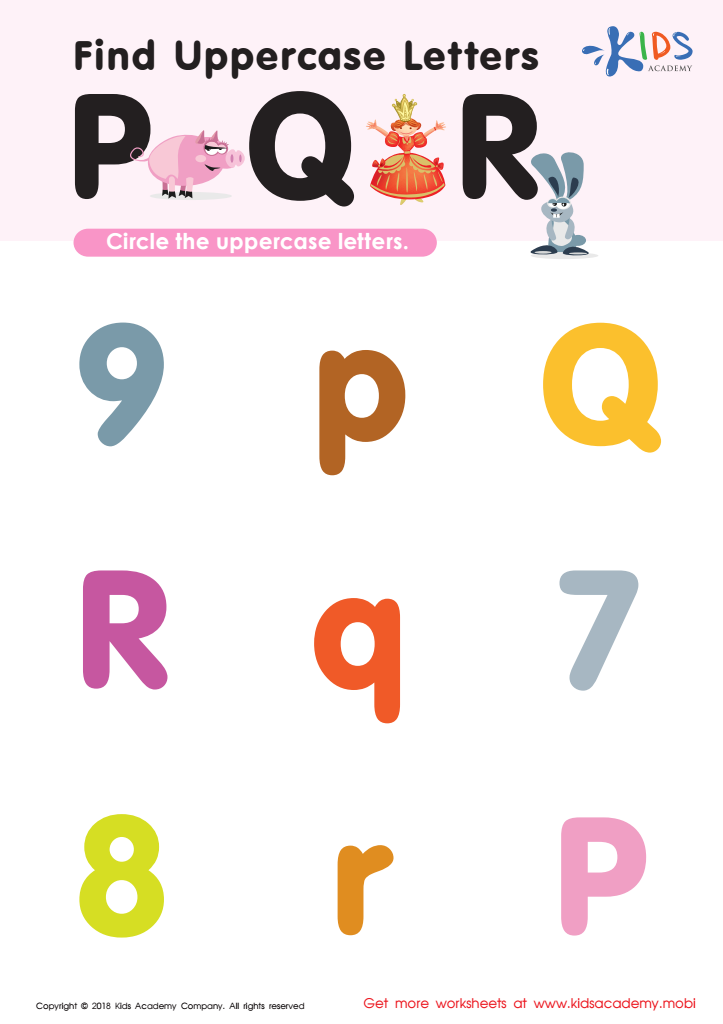
Find Uppercase Letters P, Q, and R Worksheet
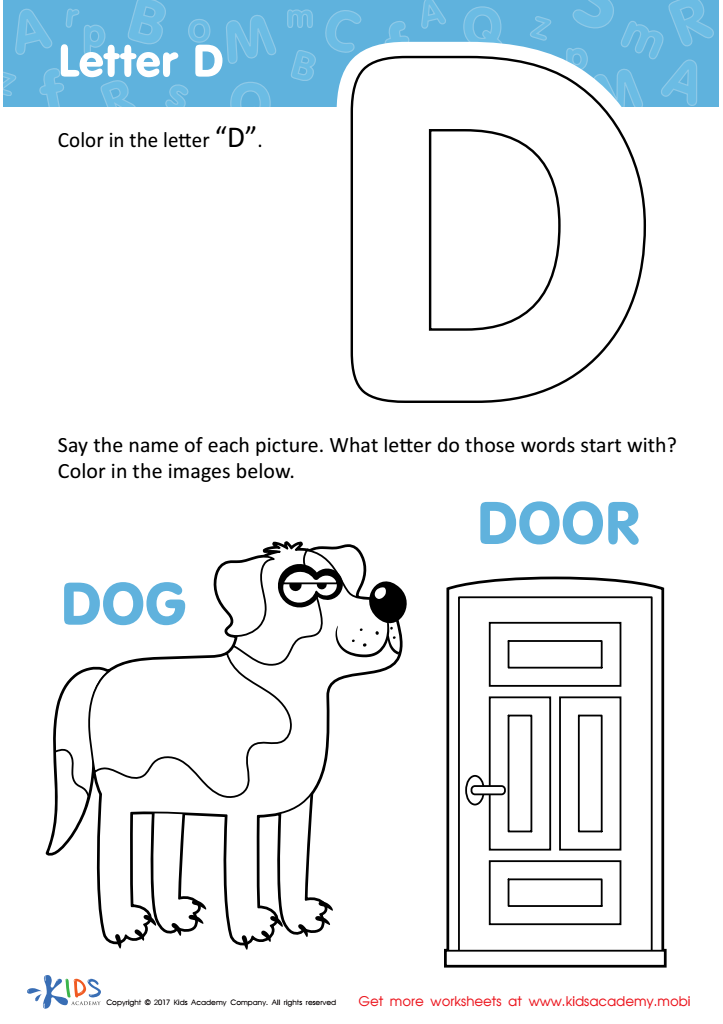
Letter D Coloring Sheet
Assign to My Students
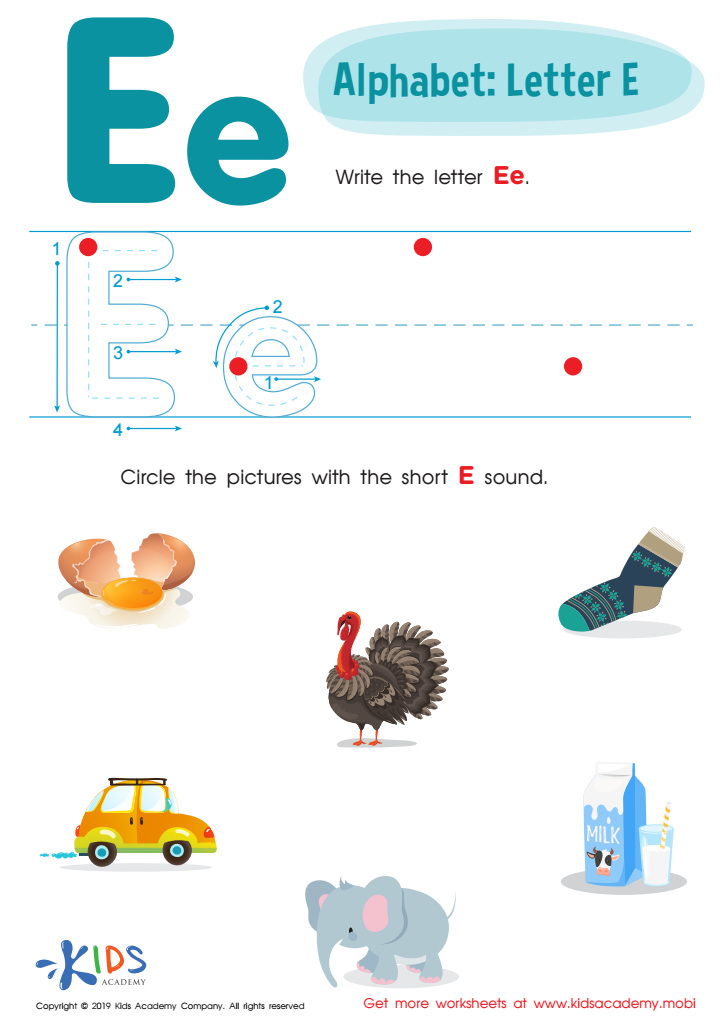
Letter E Tracing Worksheet
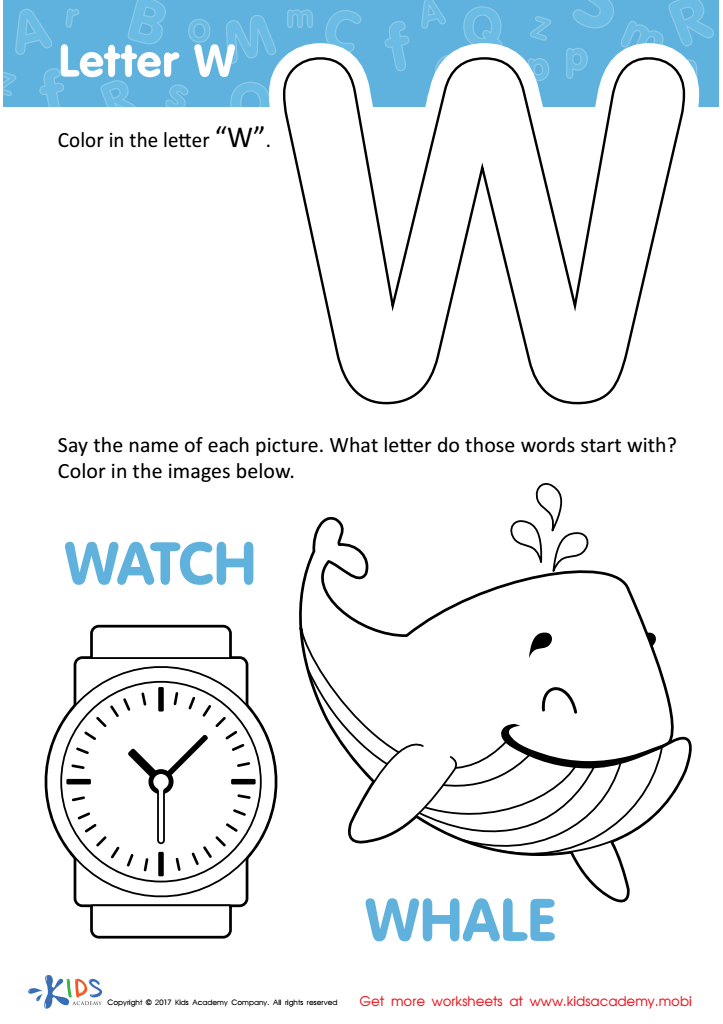
Letter W Coloring Sheet
Assign to My Students
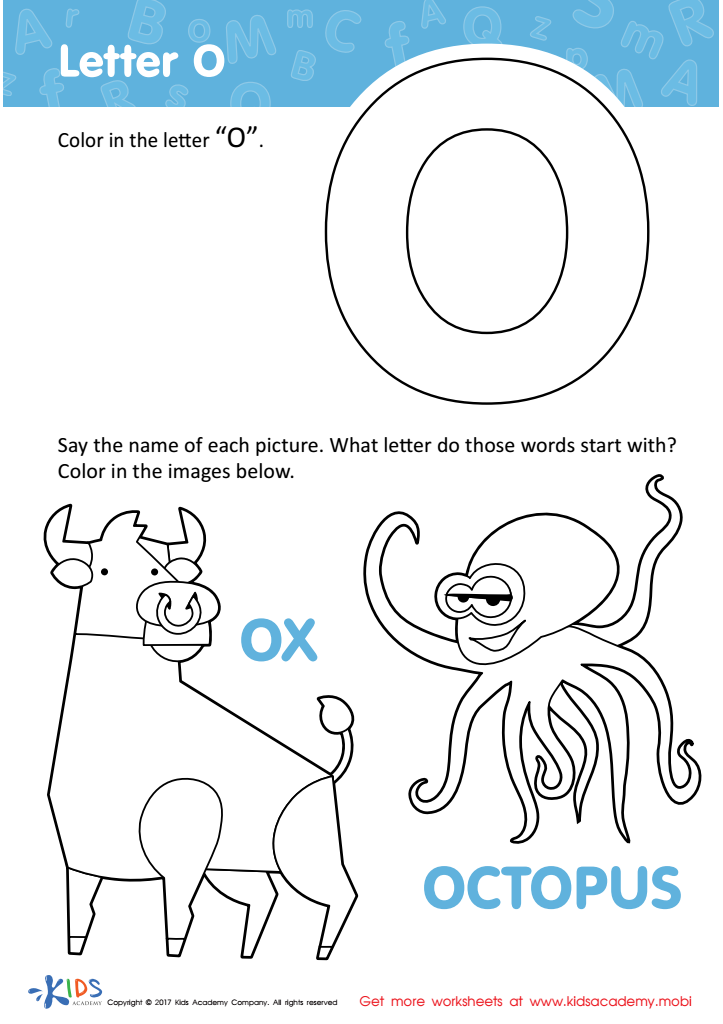
Letter O Coloring Sheet
Assign to My Students
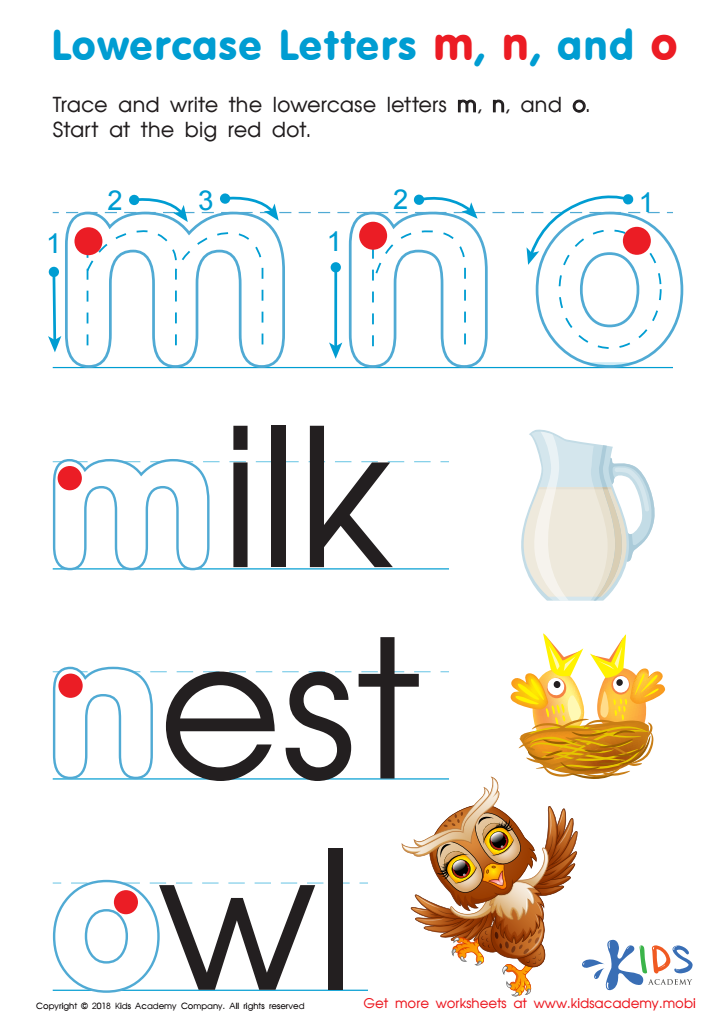
Lowercase Letters m n o Worksheet
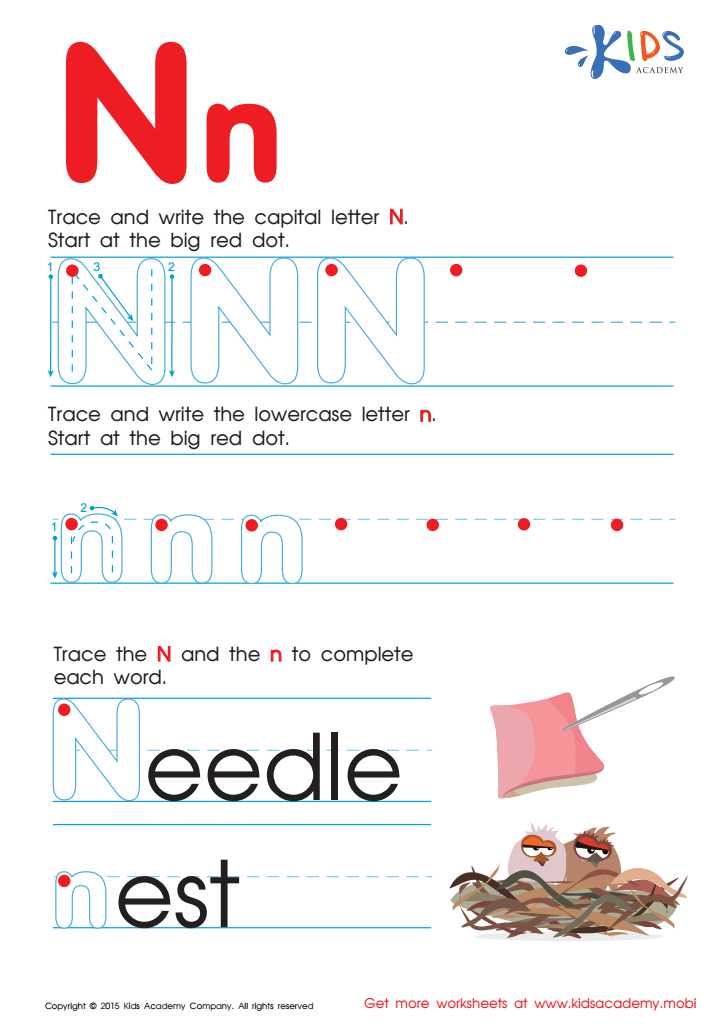
Letter N Tracing Page
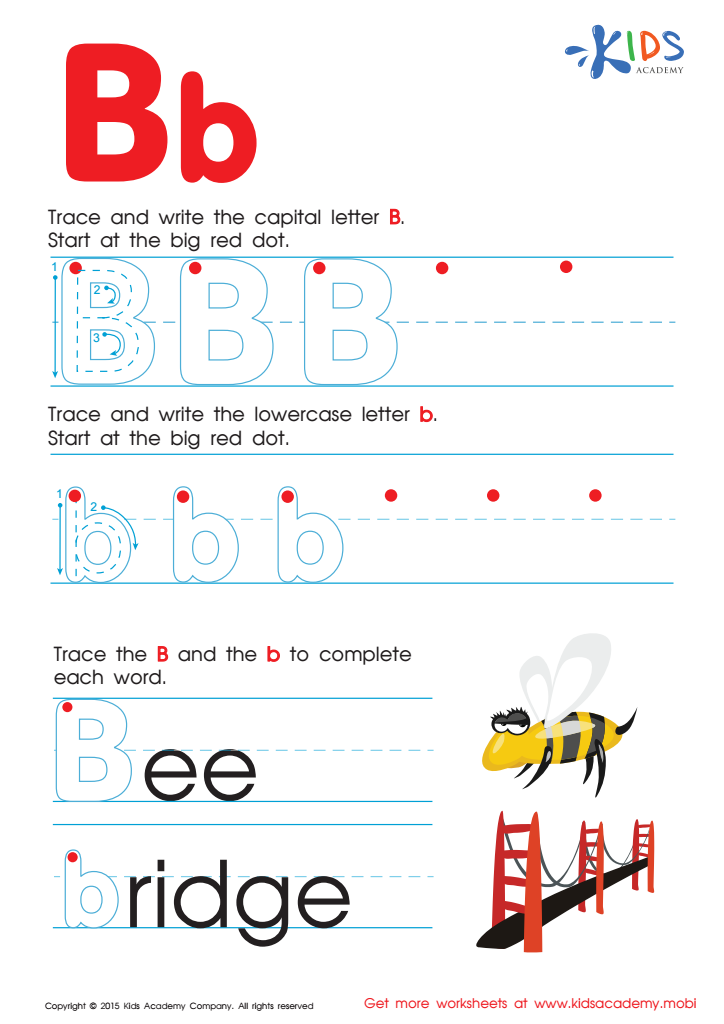
Letter B Tracing Page
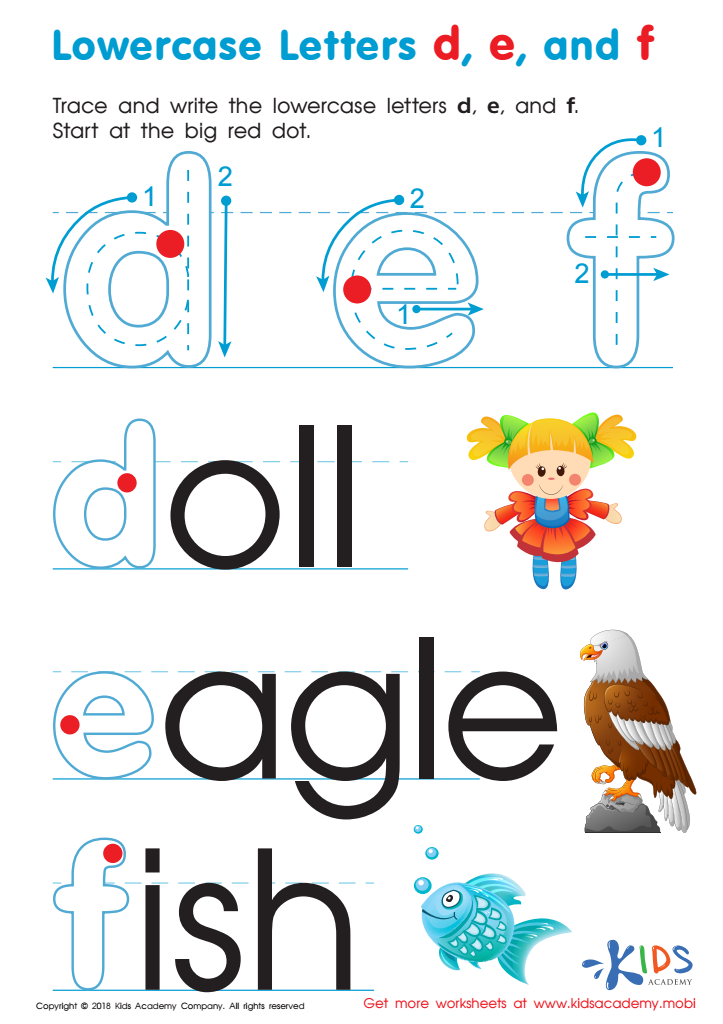
Lowercase Letters d e f Worksheet
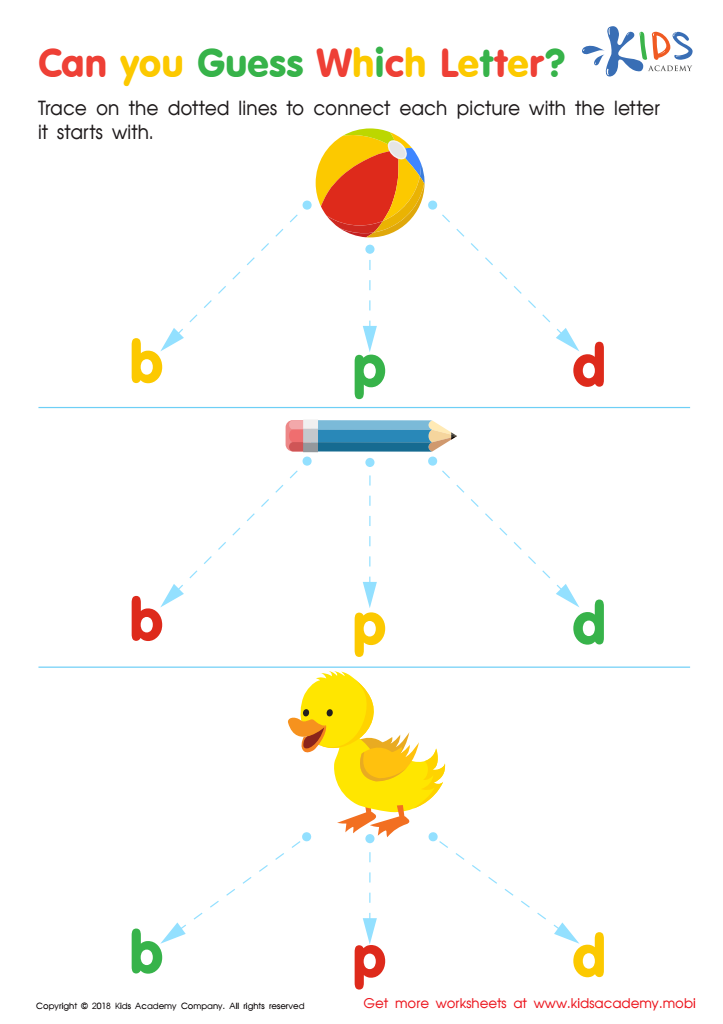
Can you Guess Which Letter? Worksheet
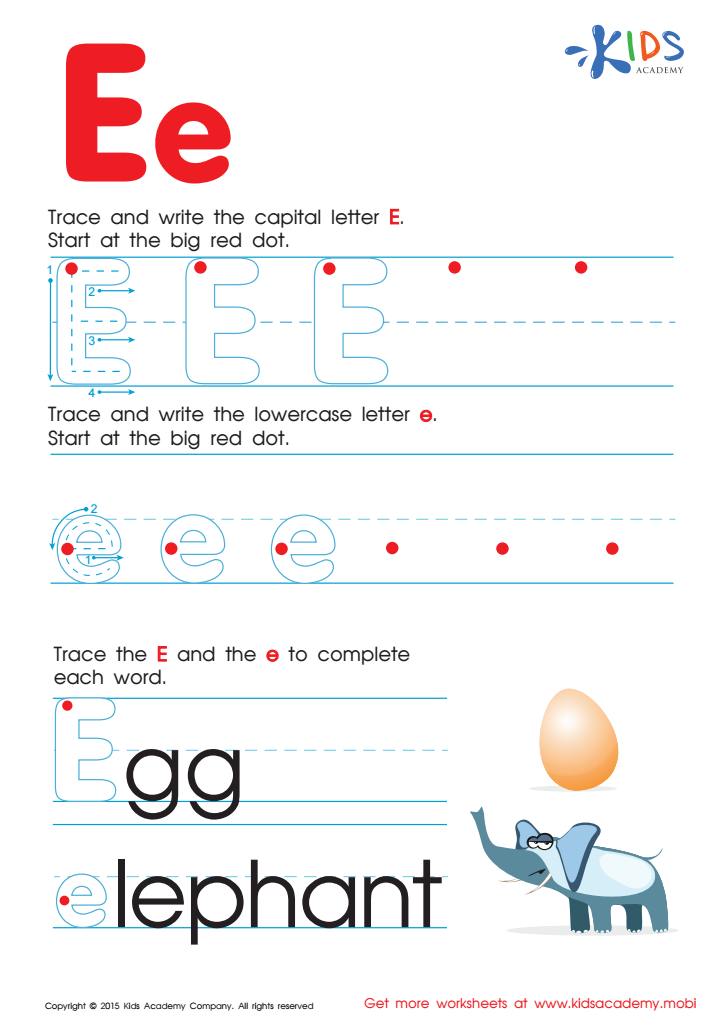
Letter E Tracing Page
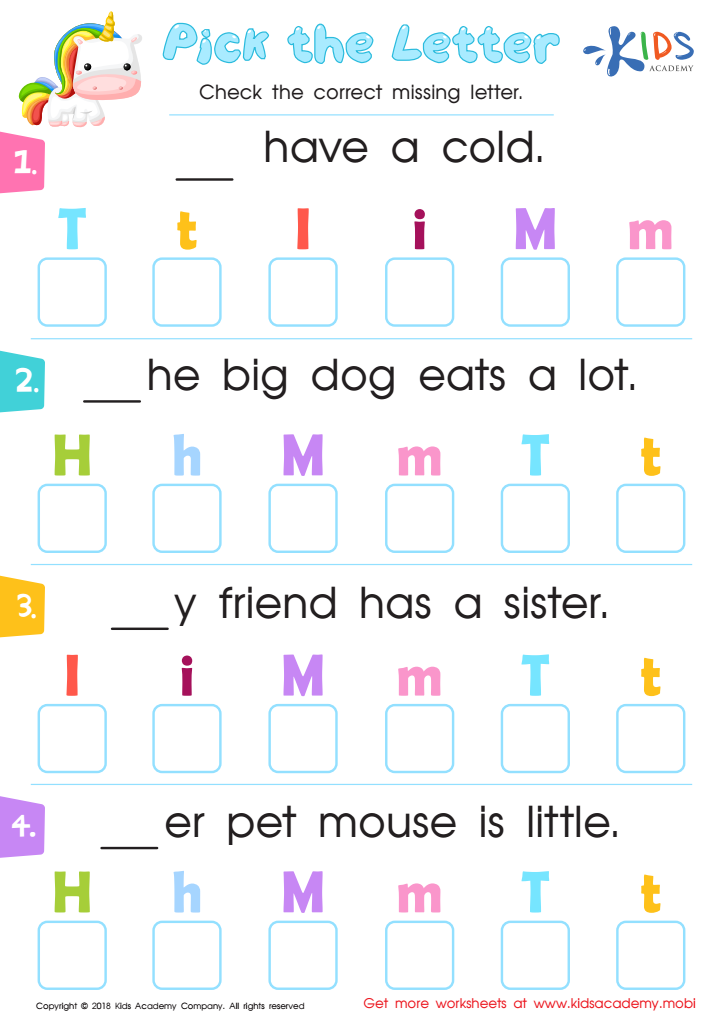
Pick the Letter Worksheet








Alphabet recognition and normal letter recognition are foundational skills crucial for children aged 5-8 as they form the bedrock for literacy and academic success. For parents and teachers, recognizing the importance of these skills can significantly impact a child's educational journey.
Firstly, understanding the alphabet supports early reading skills. Children who readily identify letters can decode words more easily, leading to improved reading fluency. This not only enhances their comprehension but also fosters a love for reading, critical for lifelong learning.
Secondly, these skills facilitate writing development. Recognizing letters helps children to form words, sentences, and ultimately express their thoughts and ideas clearly. Early writing practice nurtures fine motor skills, bolstering a child’s confidence in their ability to communicate.
Moreover, supportive environments that encourage alphabet recognition engender a sense of belonging in the classroom. When children feel capable and engaged, they are more likely to participate actively, laying the groundwork for collaborative learning.
Lastly, tracking alphabet recognition allows parents and educators to identify challenges early, enabling timely interventions that can help all children reach their full potential. By prioritizing letter recognition, adults can empower children to become proficient readers and writers, unlocking endless possibilities for their future.








