Handwriting practice Normal Letter Recognition Worksheets for Ages 5-8
23 filtered results
-
From - To
Enhance your child's handwriting and letter recognition skills with our engaging Normal Letter Recognition Worksheets designed specifically for ages 5-8. These printable resources provide a fun and interactive way for young learners to master the alphabet while developing fine motor skills. Each worksheet features clear letter outlines that guide children in forming both uppercase and lowercase letters. Activities are tailored to reinforce letter identification and promote writing confidence, making learning enjoyable and effective. Perfect for classrooms, homeschooling, or supplemental practice, these worksheets are an essential tool for early education. Start fostering a love for writing today with our creative handwriting practice sheets!
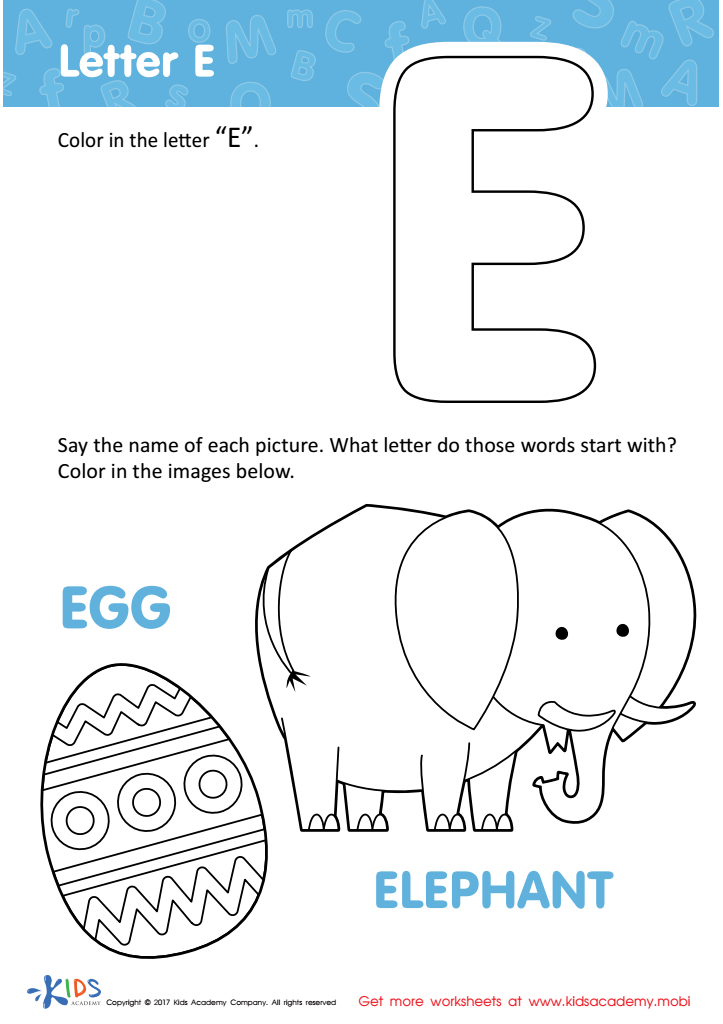
Letter E Coloring Sheet
 Assign to My Students
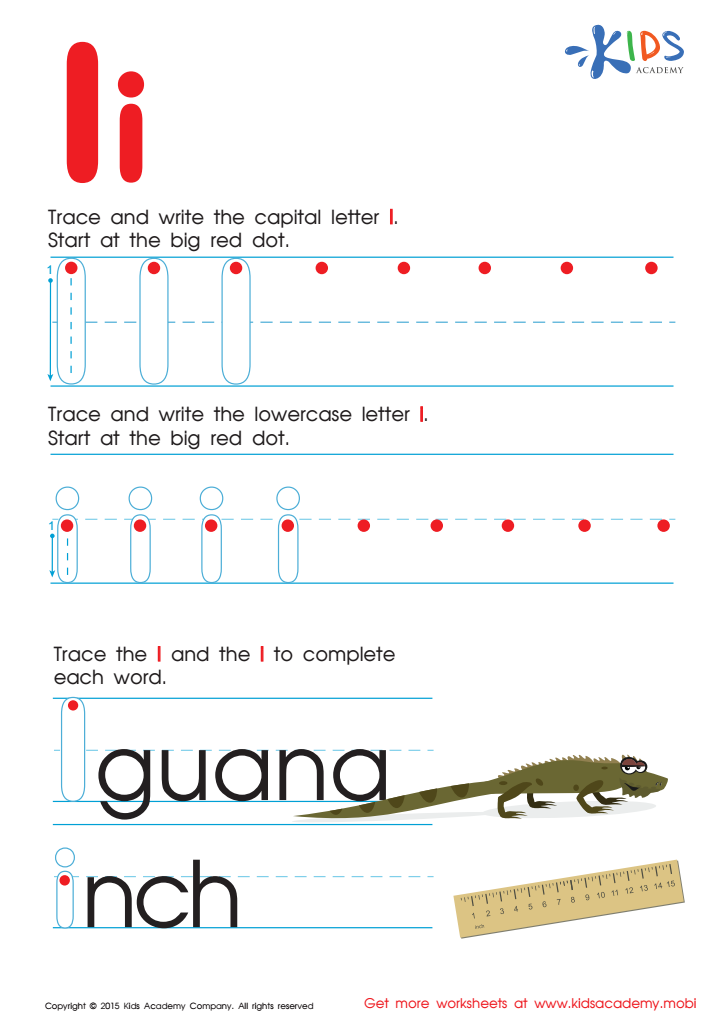
Letter I Tracing Page
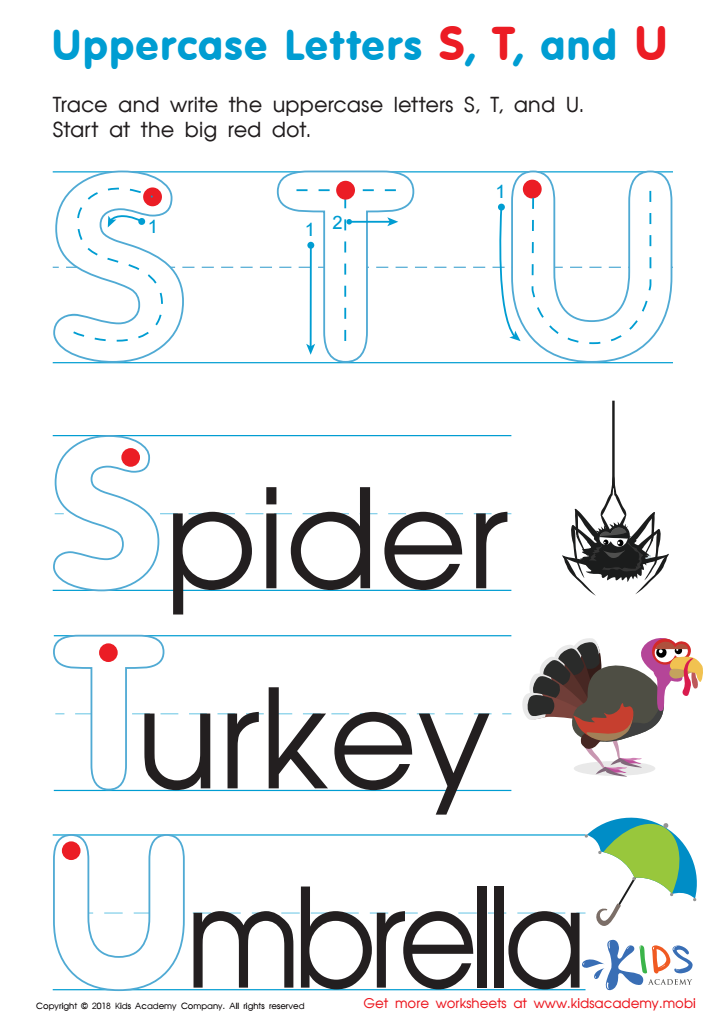
Uppercase Letters S, T, and U Worksheet
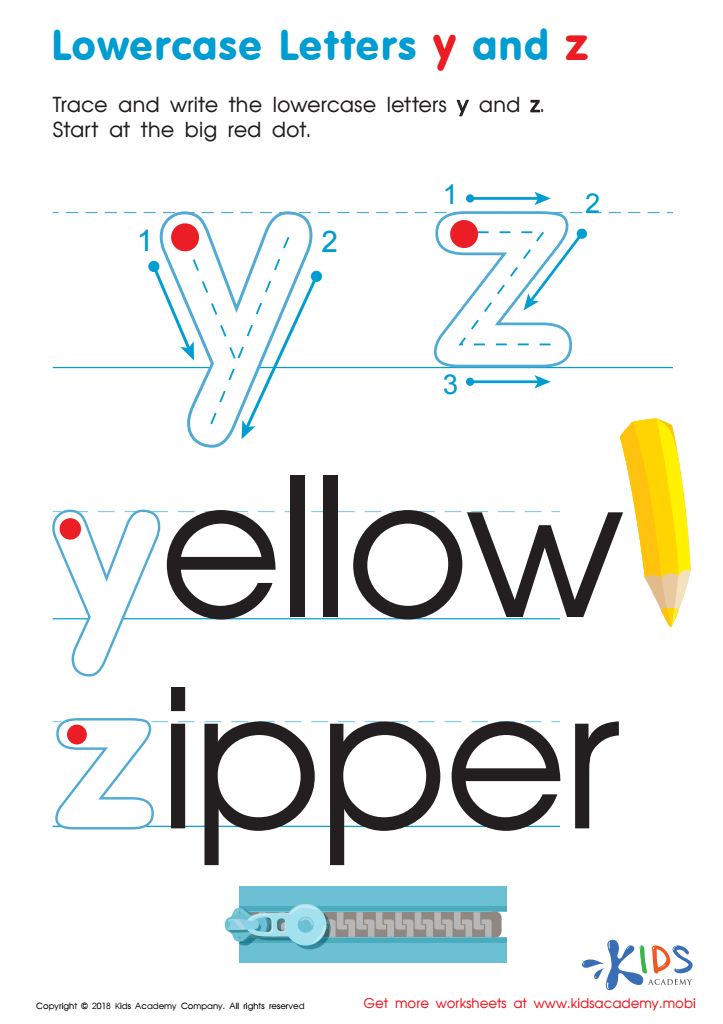
Lowercase Letters y z Worksheet
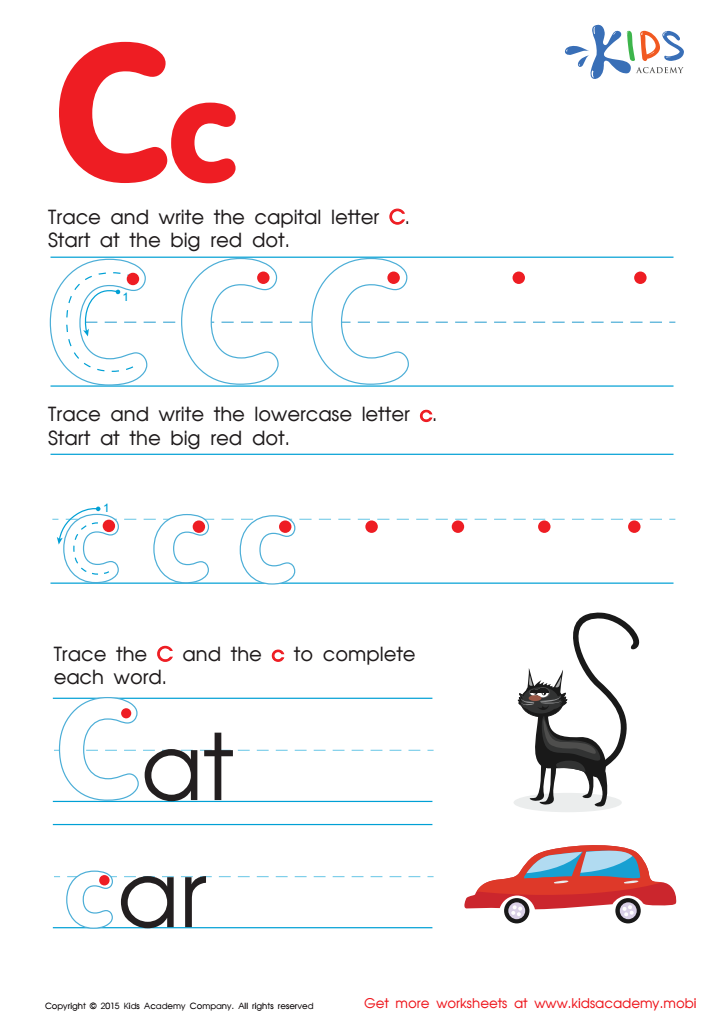
Letter C Tracing Page
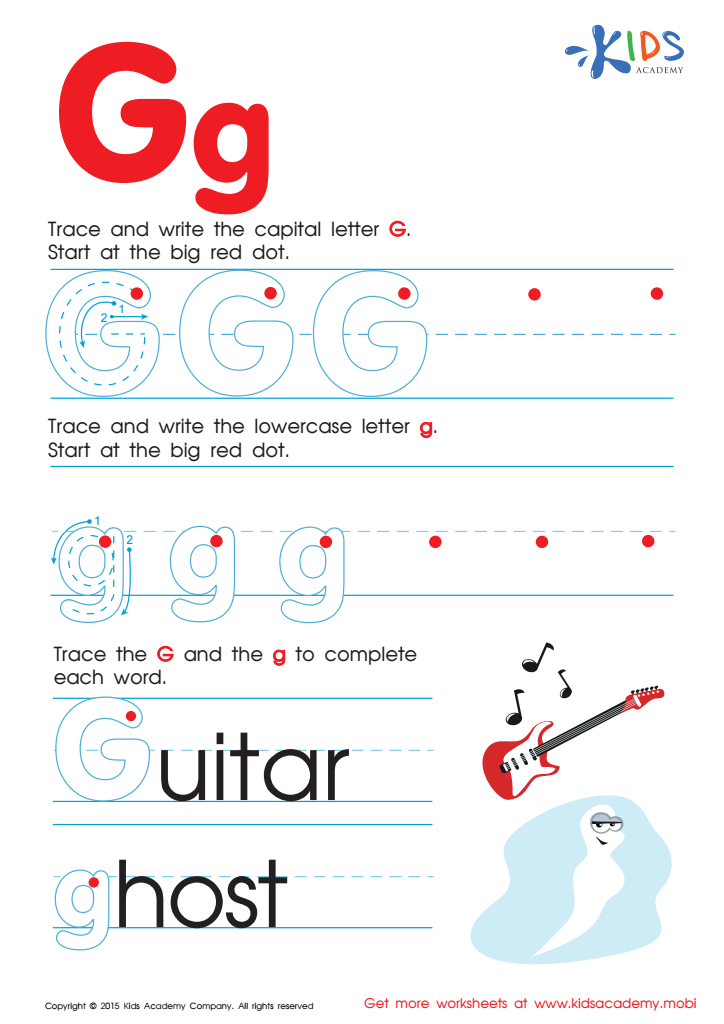
Letter G Tracing Page
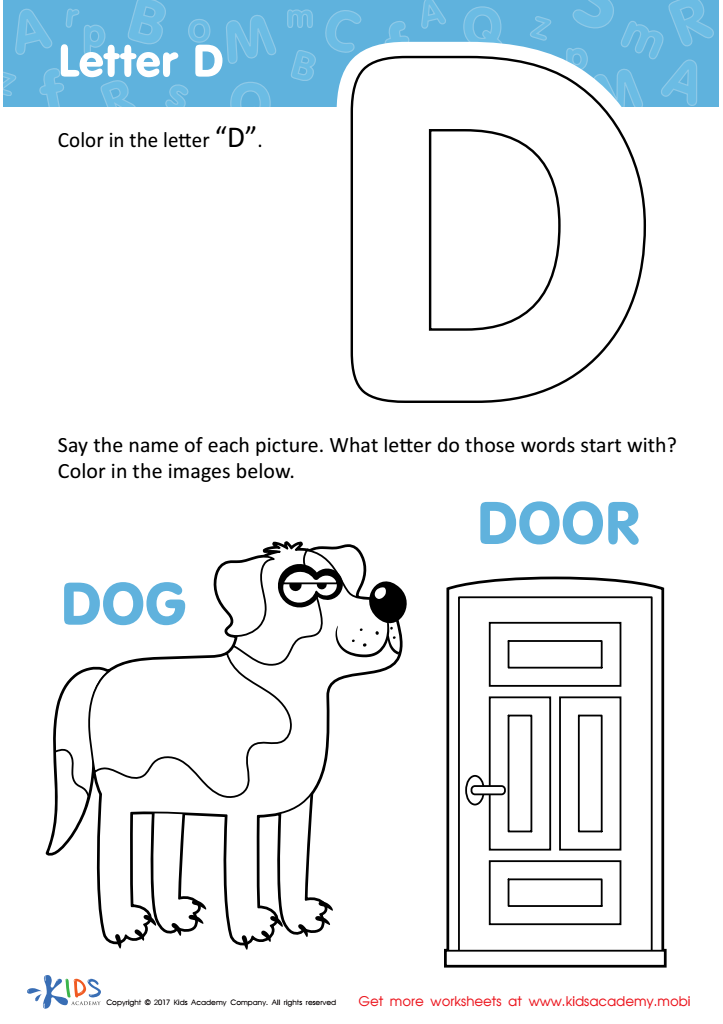
Letter D Coloring Sheet
Assign to My Students
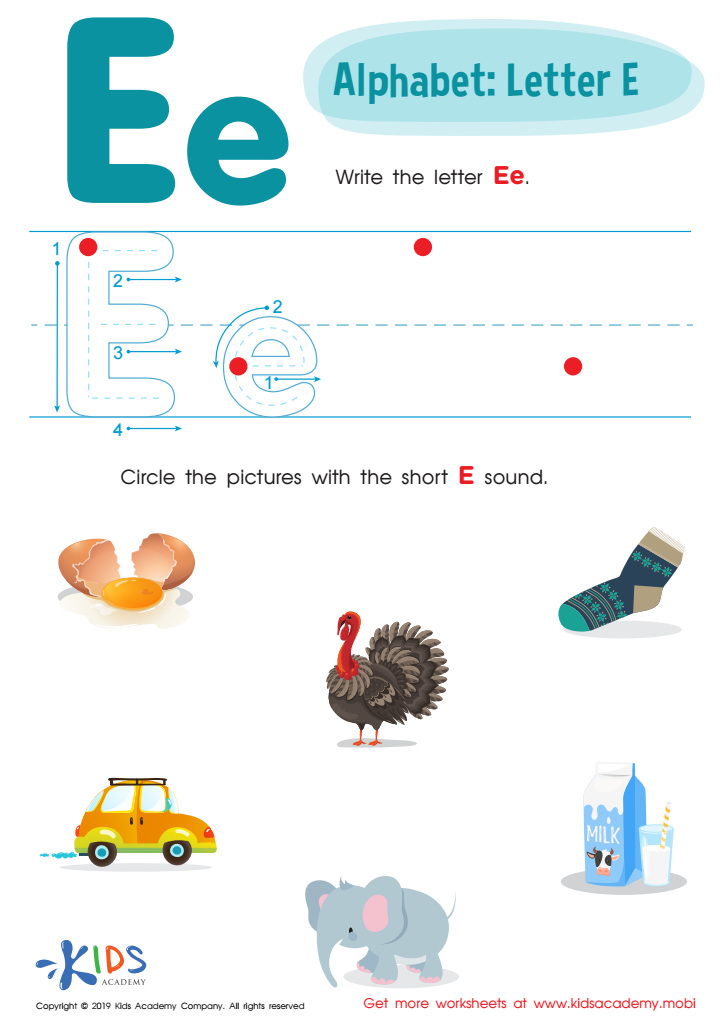
Letter E Tracing Worksheet
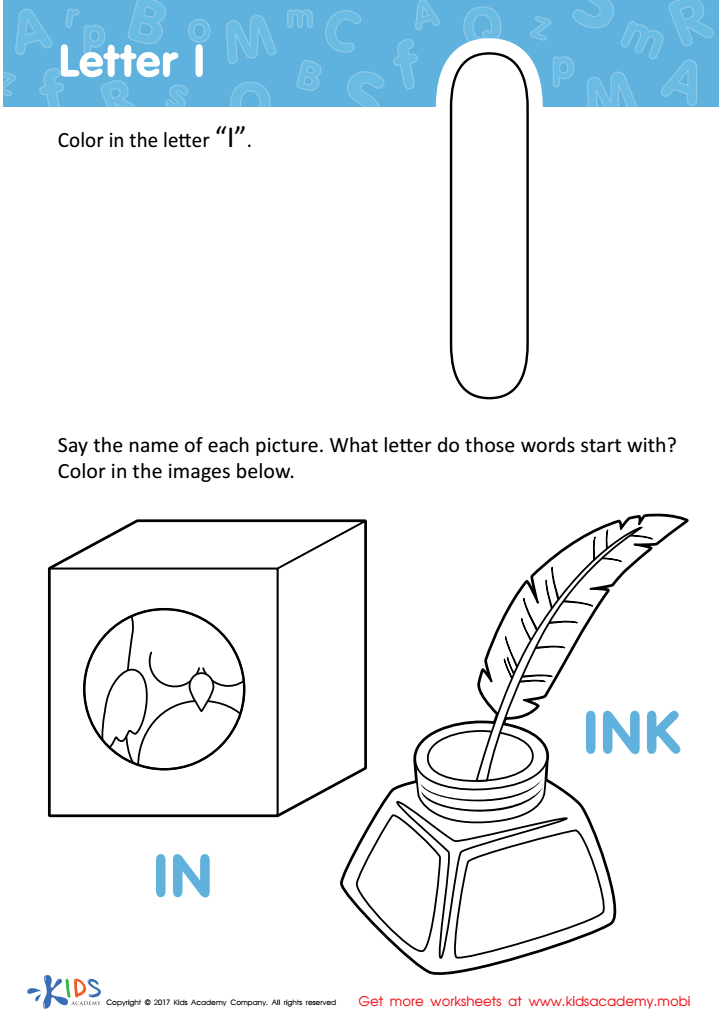
Letter I Coloring Sheet
Assign to My Students
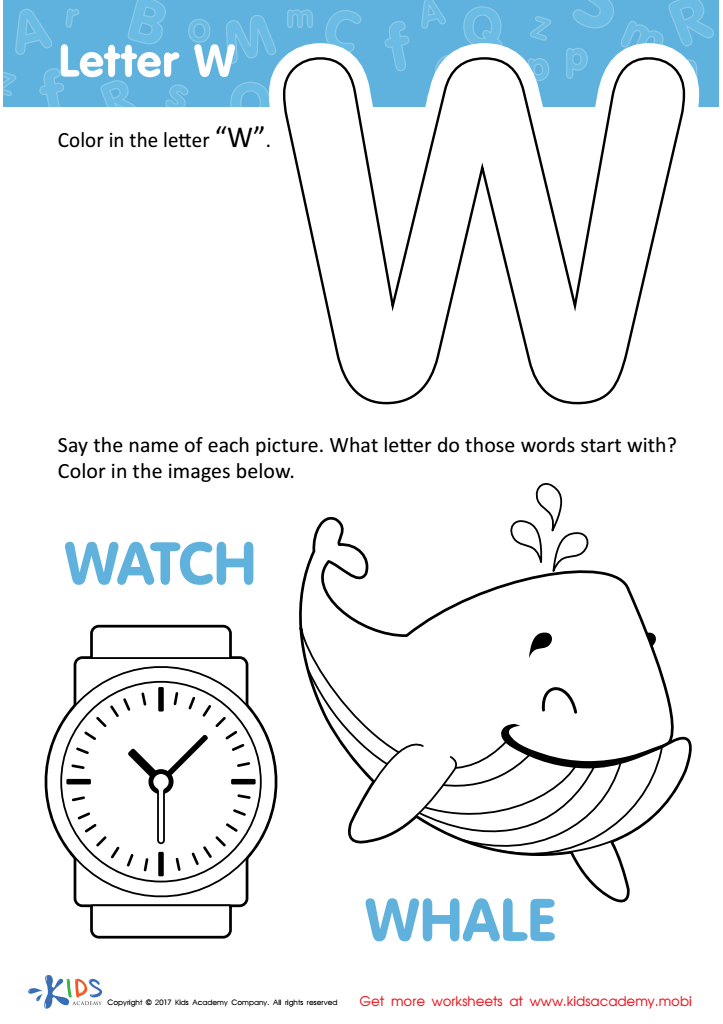
Letter W Coloring Sheet
Assign to My Students
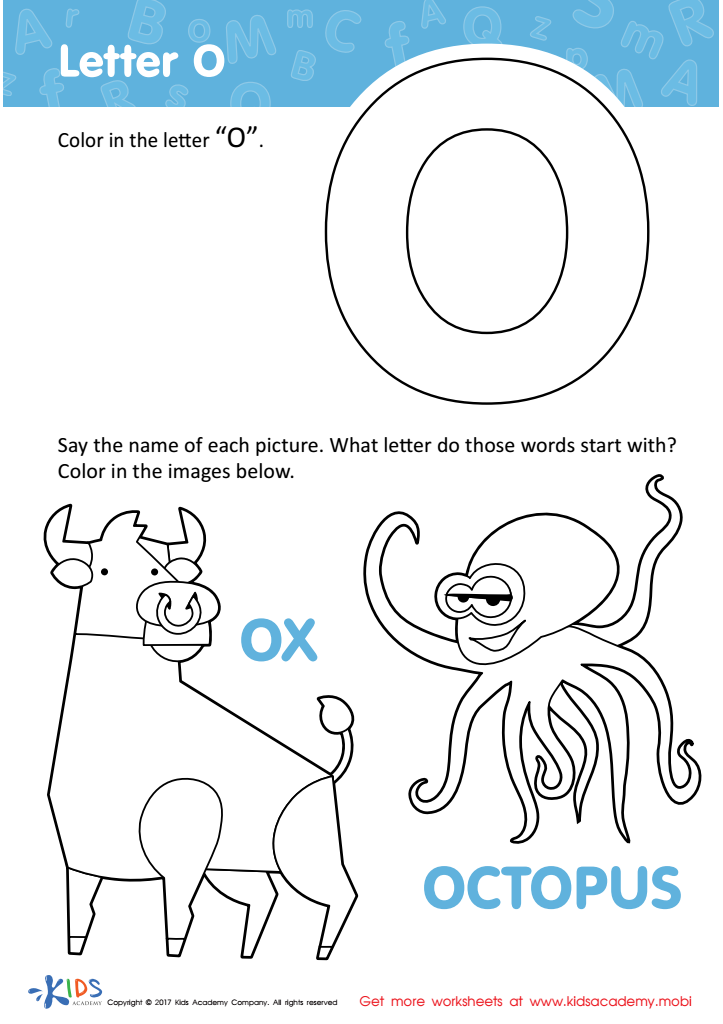
Letter O Coloring Sheet
Assign to My Students
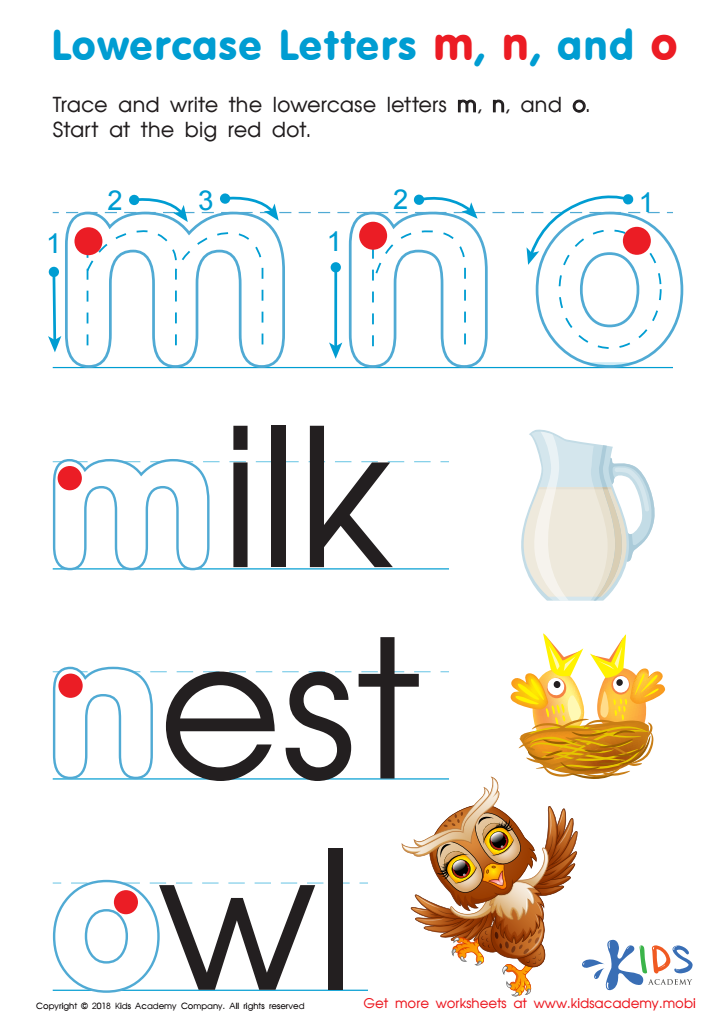
Lowercase Letters m n o Worksheet
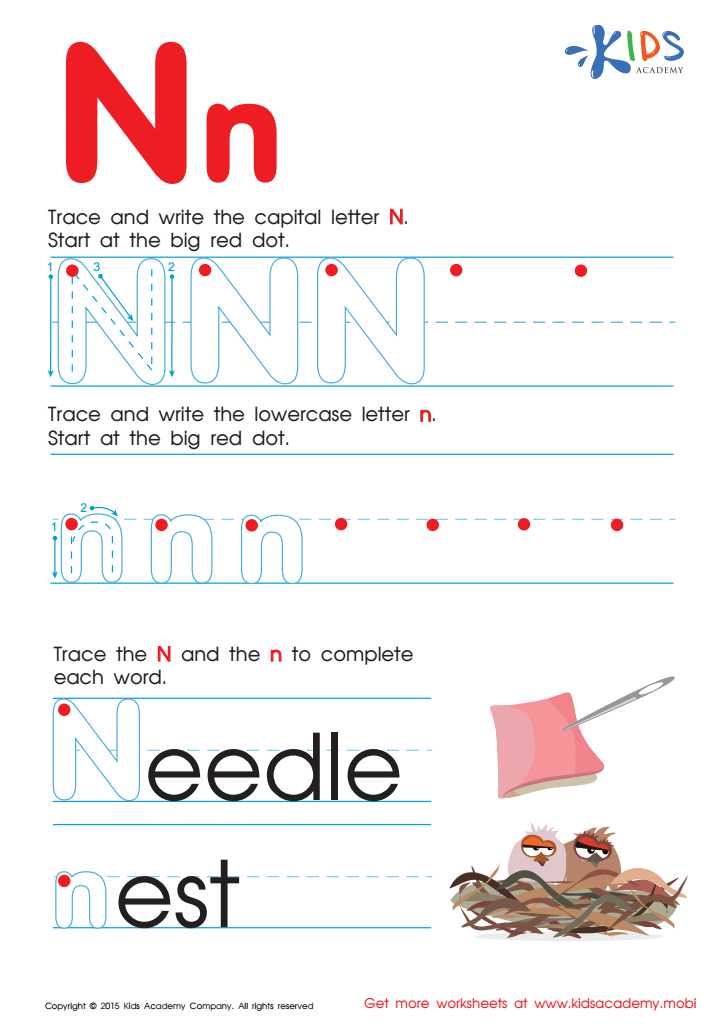
Letter N Tracing Page
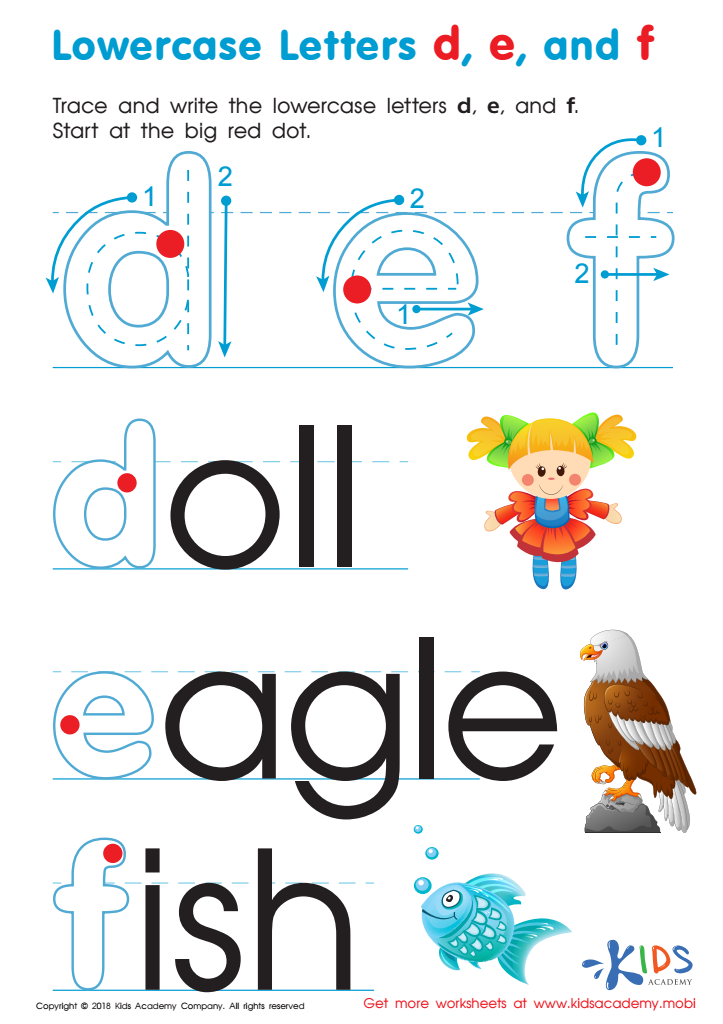
Lowercase Letters d e f Worksheet
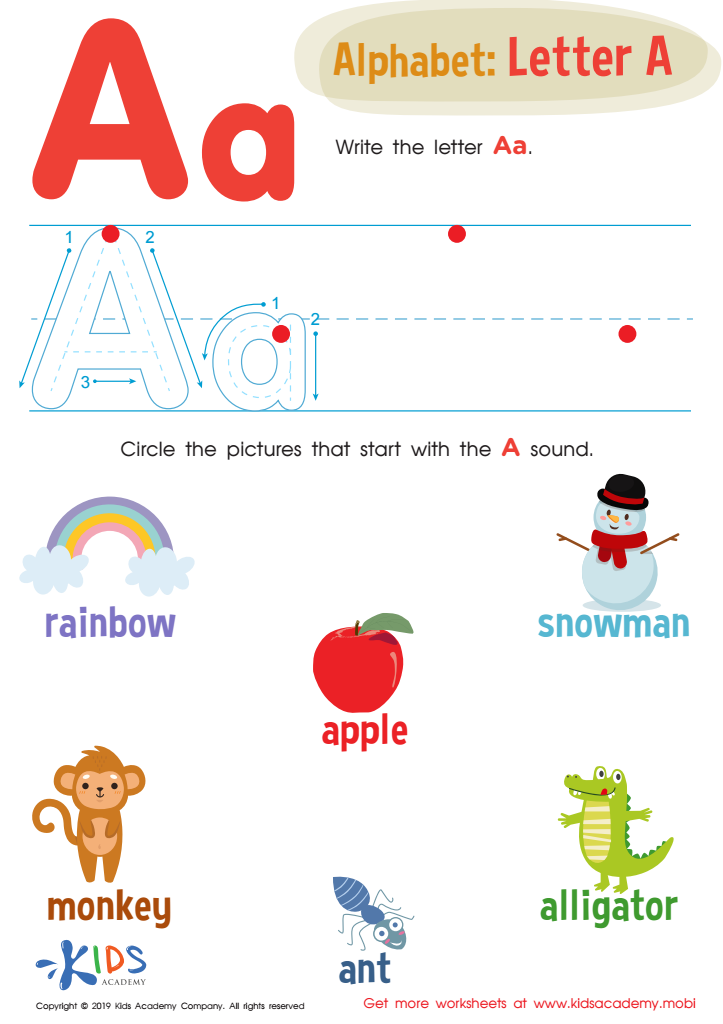
Letter A Tracing Worksheet
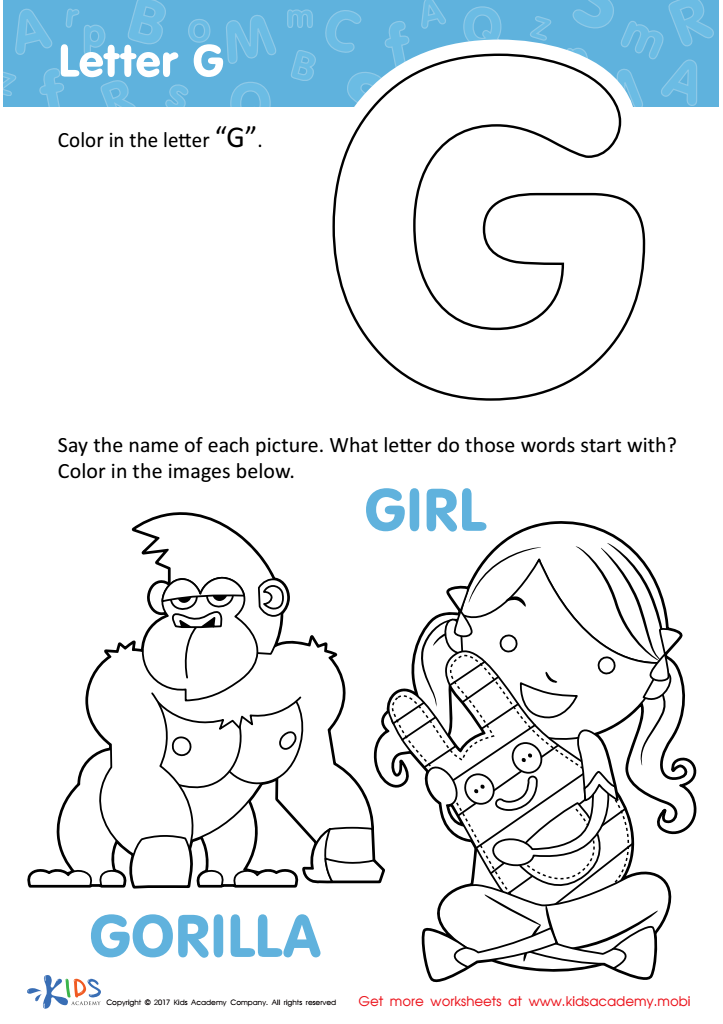
Letter G Coloring Sheet
Assign to My Students
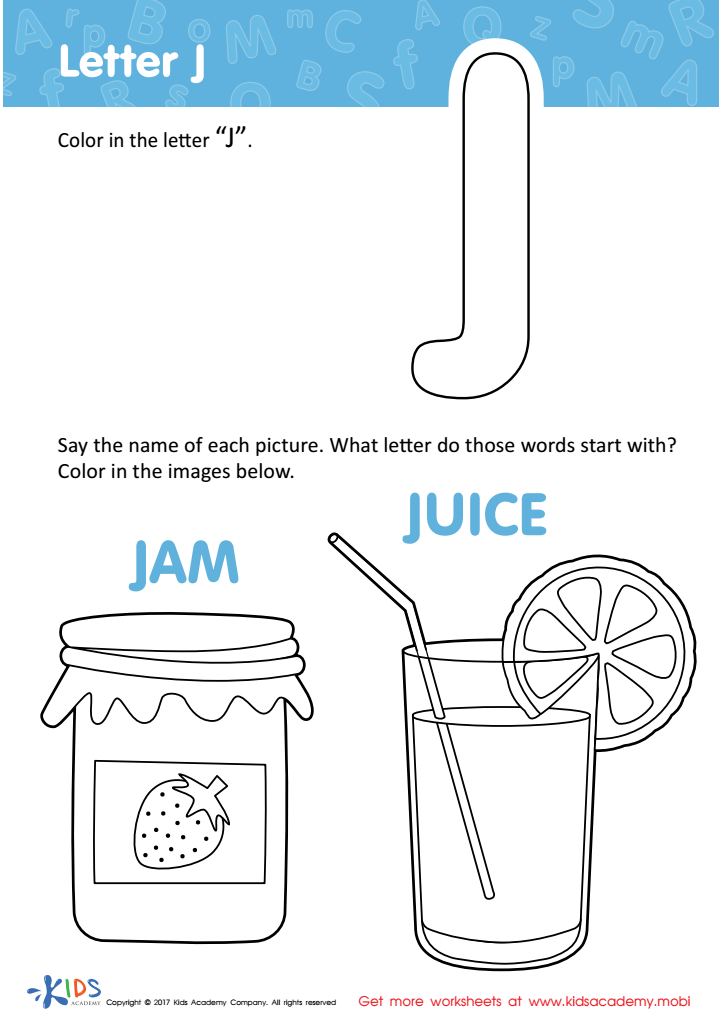
Letter J Coloring Sheet
Assign to My Students
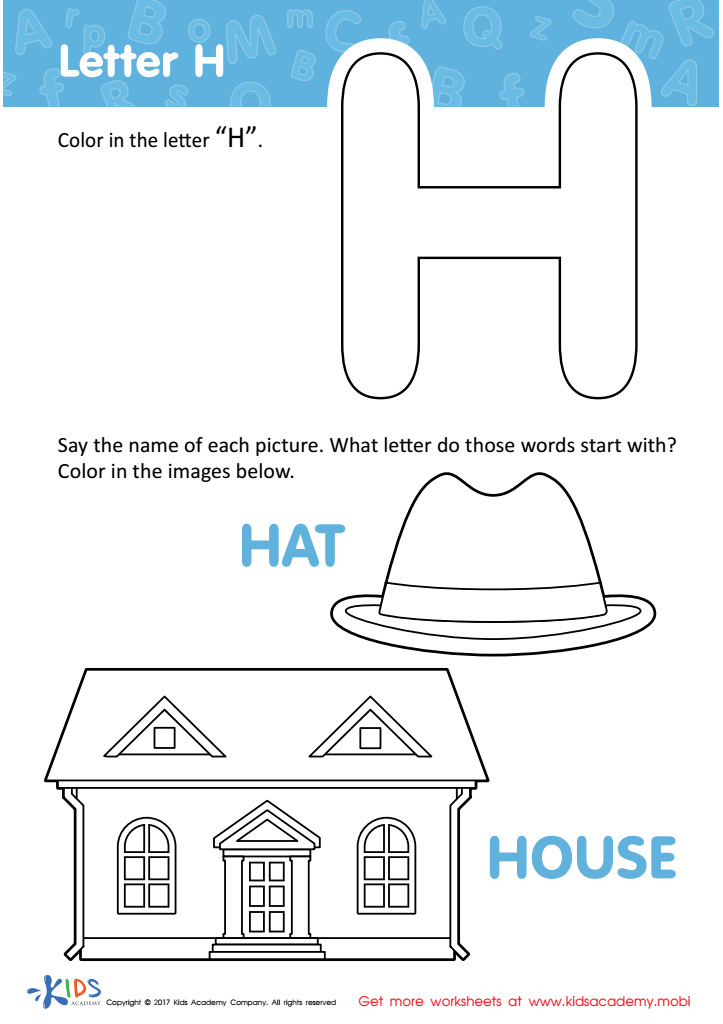
Letter H Coloring Sheet
Assign to My Students
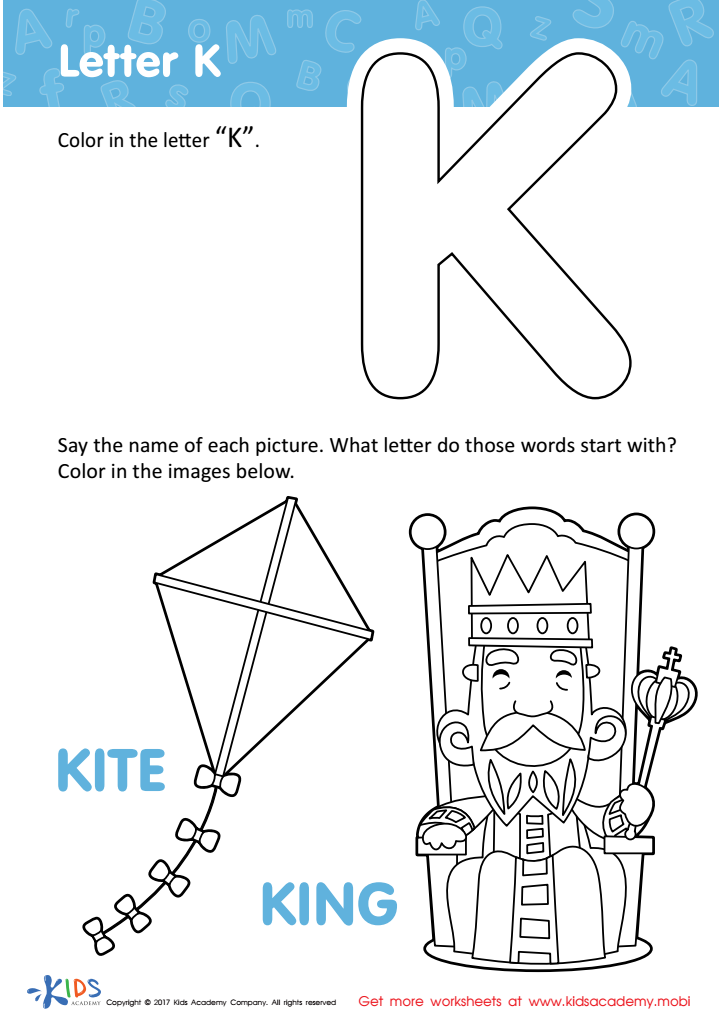
Letter K Coloring Sheet
Assign to My Students
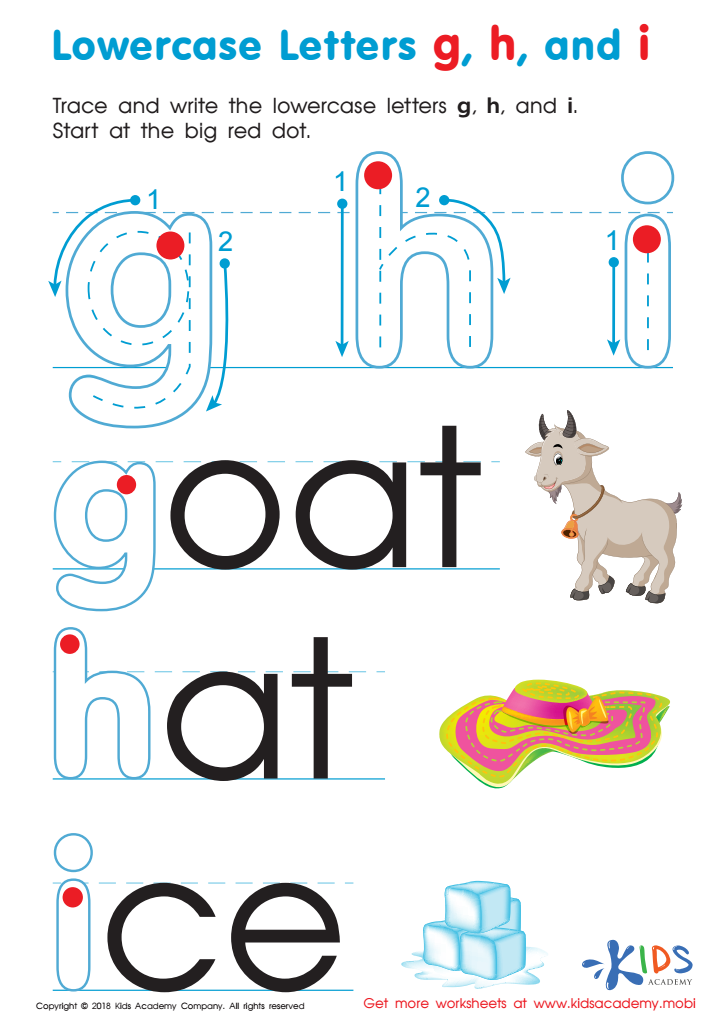
Lowercase Letters g h i Worksheet
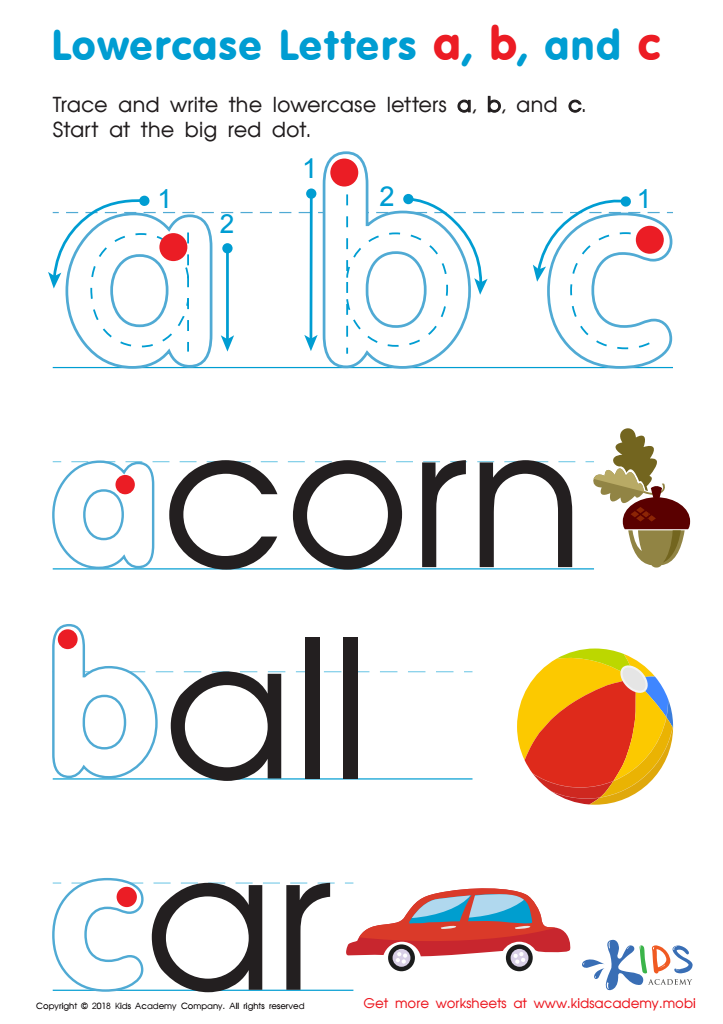
Lowercase Letters a b c Worksheet
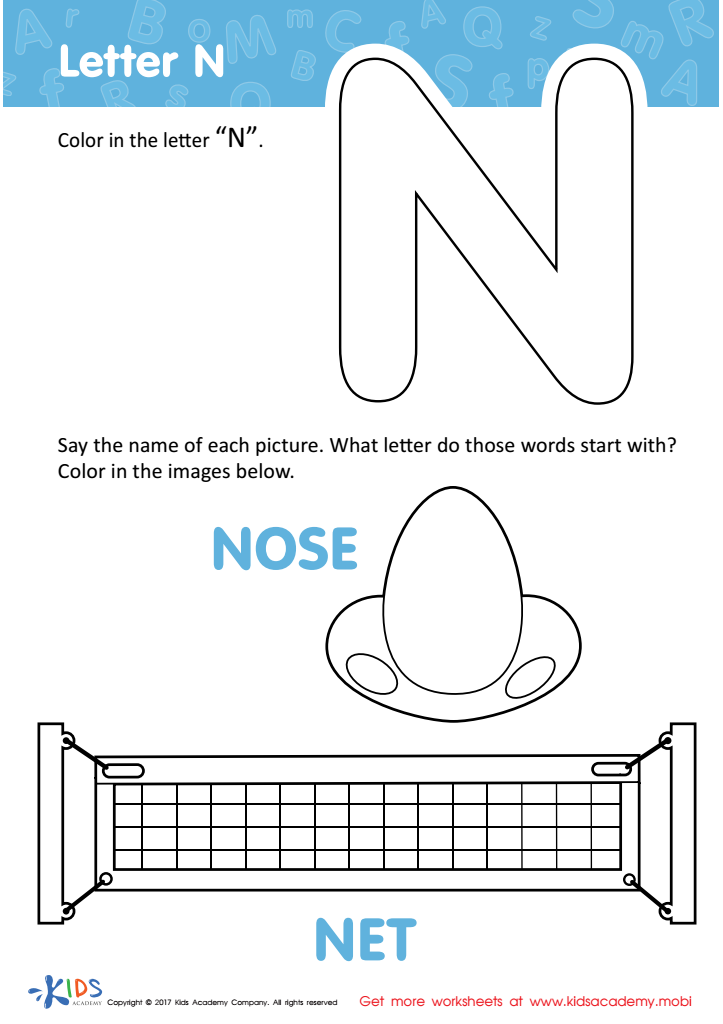
Letter N Coloring Sheet
Assign to My Students
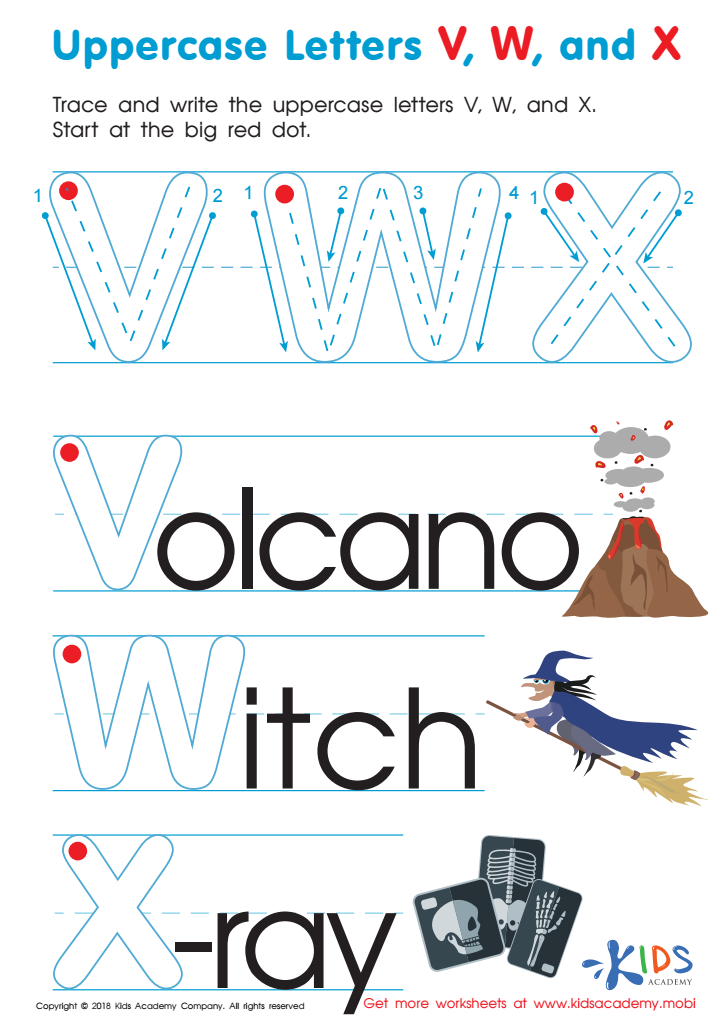
Uppercase Letters V, W, and X Worksheet








Handwriting practice and normal letter recognition are foundational skills for children aged 5-8 that significantly impact their academic success and overall development. Mastering these skills helps children express their thoughts clearly and enhances their ability to communicate effectively. As they learn to recognize letters, they build essential reading skills that are crucial for literacy development. The ability to form letters properly not only aids in writing clarity but also boosts children's confidence in their communication abilities.
Furthermore, handwriting practice engages fine motor skills and hand-eye coordination, which are vital for various daily tasks. Through repetitive writing practice, children strengthen the muscles in their hands, preparing them for more complex educational milestones. Teachers and parents should also recognize that writing develops cognitive abilities, as it encourages kids to think critically and organize their thoughts on paper.
Additionally, consistent support in handwriting and letter recognition promotes a positive attitude towards writing, making learning enjoyable. In a digital age, where typing seems to dominate, cultivating handwriting skills is essential, as they help children connect with traditional forms of expression. Overall, prioritizing these areas nurtures well-rounded individuals equipped for future learning challenges and lifelong skills.








