Problem-Solving Skills Normal Letter Recognition Worksheets for Ages 5-8
3 filtered results
-
From - To
Introducing our Problem-Solving Skills Normal Letter Recognition Worksheets for ages 5-8! Designed to enhance both letter recognition and critical thinking, these worksheets make learning playful and engaging. Each activity features puzzles that challenge young minds while reinforcing alphabet knowledge. Perfect for early reading skills, they support classroom lessons or home practice. Our worksheets encourage kids to observe, think, and decode, unlocking the joy of discovery with each solved puzzle. Build a strong foundation in literacy and problem-solving all at once. Ideal for parents and teachers striving to make learning fun and effective. Download now for creative, educational fun!
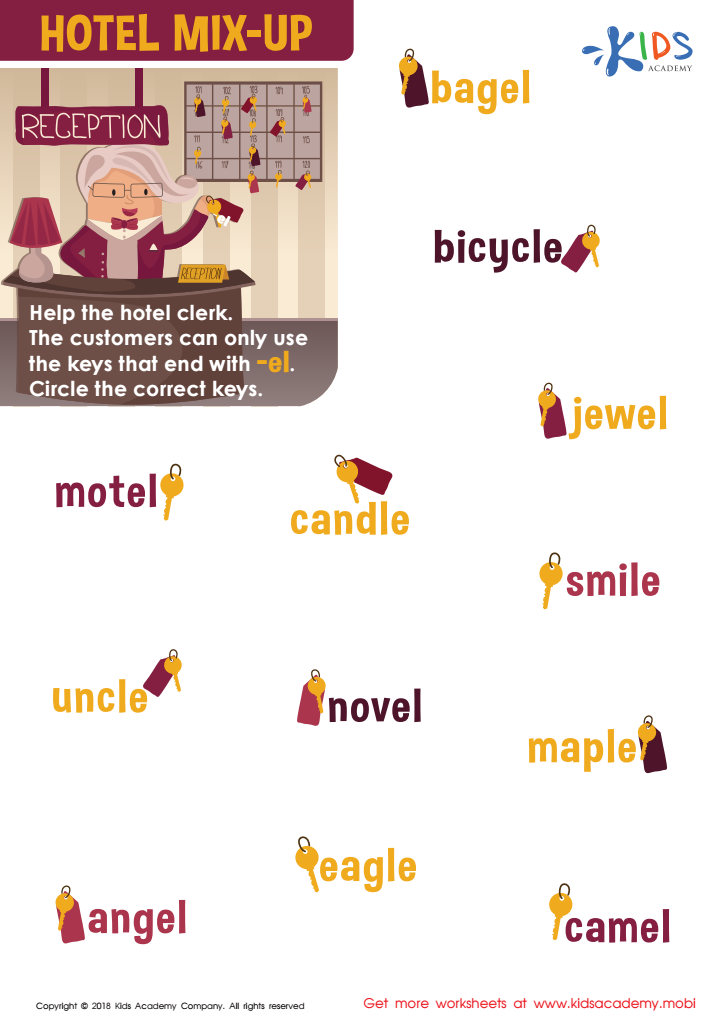
Hotel Mix-up Worksheet
 Assign to My Students
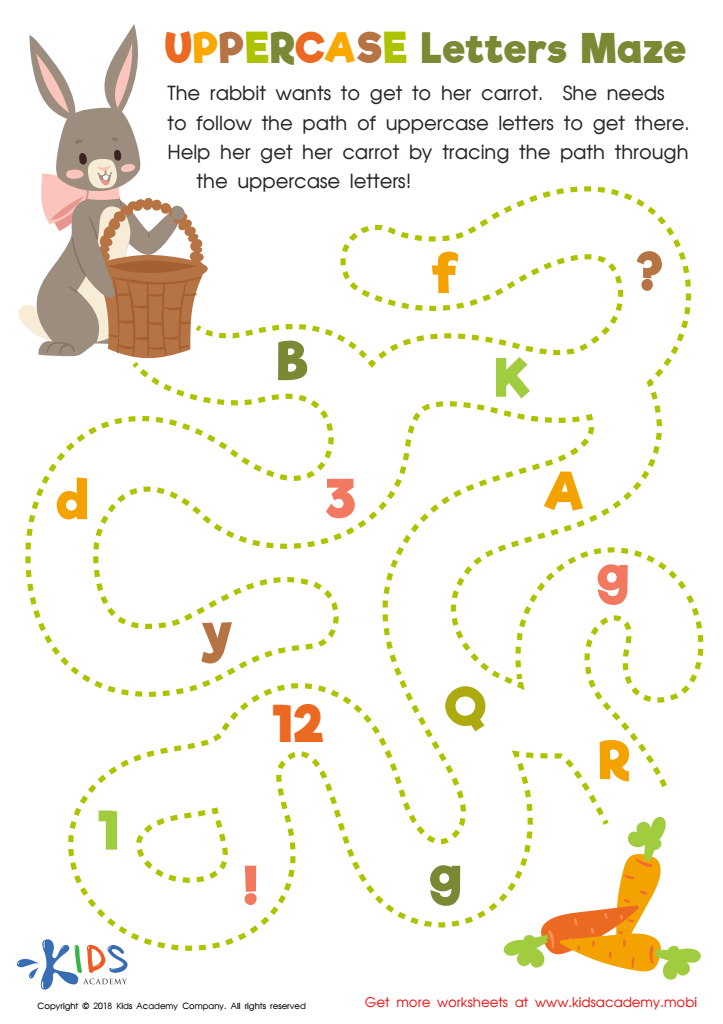
Uppercase Letters Maze Worksheet
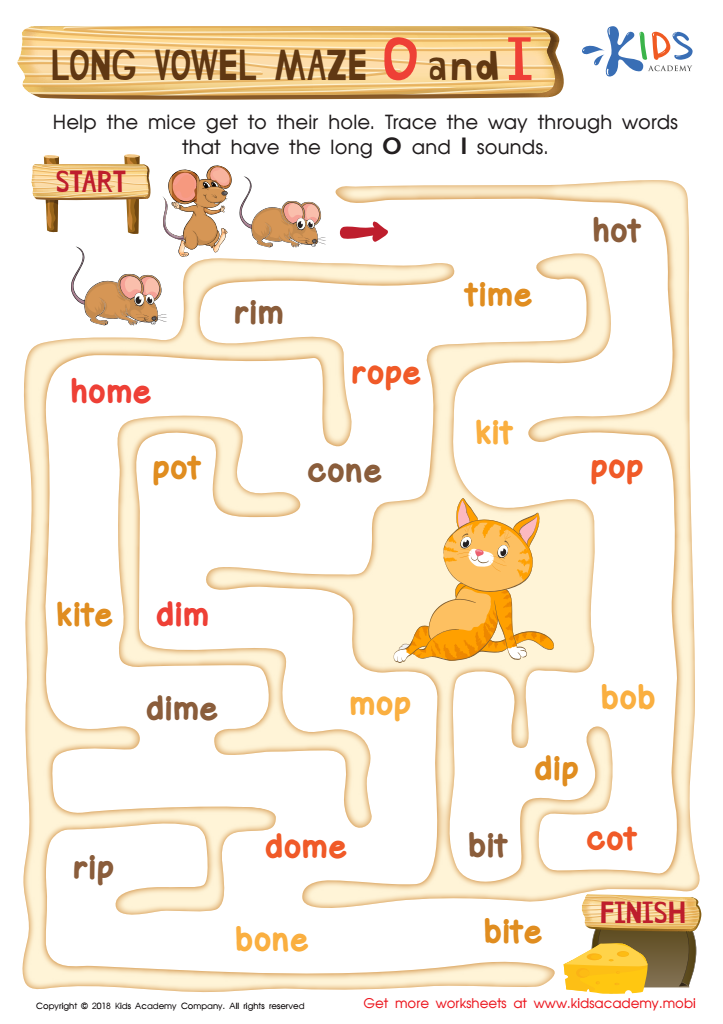
Long Vowel Maze /o/ and /i/ Worksheet








Problem-solving skills and normal letter recognition are foundational elements in a child's educational development, especially for ages 5-8. At this formative stage, children are establishing the groundwork for future learning.
Problem-solving skills are critical because they involve the ability to think creatively, reason logically, and approach challenges with confidence. This capability not only facilitates academic learning in subjects like math and science but also underpins everyday decision-making and social interactions. Children who are adept at problem-solving can navigate obstacles more effectively, fostering independence and resilience.
Normal letter recognition, on the other hand, is a vital component of literacy. Understanding and identifying letters is the first step toward reading proficiency. Early reading skills are directly linked to future academic success across all subjects, as nearly every area of study relies on the ability to read instructions and understand content. Mastery of letter recognition enables children to decode words, improving their vocabulary, comprehension, and overall communication abilities.
Together, problem-solving skills and letter recognition are crucial for developing cognitive abilities, fostering a love for learning, and building a strong academic foundation. Parents and teachers should prioritize these skills to ensure that children receive the support they need to thrive in their educational journey and beyond.








