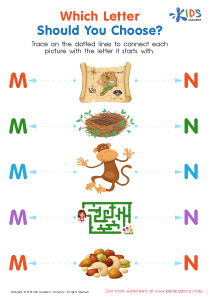
Alphabet sequencing Normal Lowercase/Small Letters Worksheets for Ages 5-8
3 filtered results
-
From - To
Discover a fun way for children ages 5-8 to master the alphabet with our "Alphabet Sequencing Normal Lowercase/Small Letters Worksheets." These educational, engaging printables help kids practice sequencing the alphabet in lowercase form, fostering early literacy skills. Each worksheet is designed to support letter recognition, sequencing abilities, and fine motor skills, creating a foundation for future reading success. Perfect for classroom or home use, the worksheets provide enjoyable, hands-on activities that keep young learners motivated. Help your child or students excel in early language development while having fun with these effective, printable alphabet sequencing worksheets.
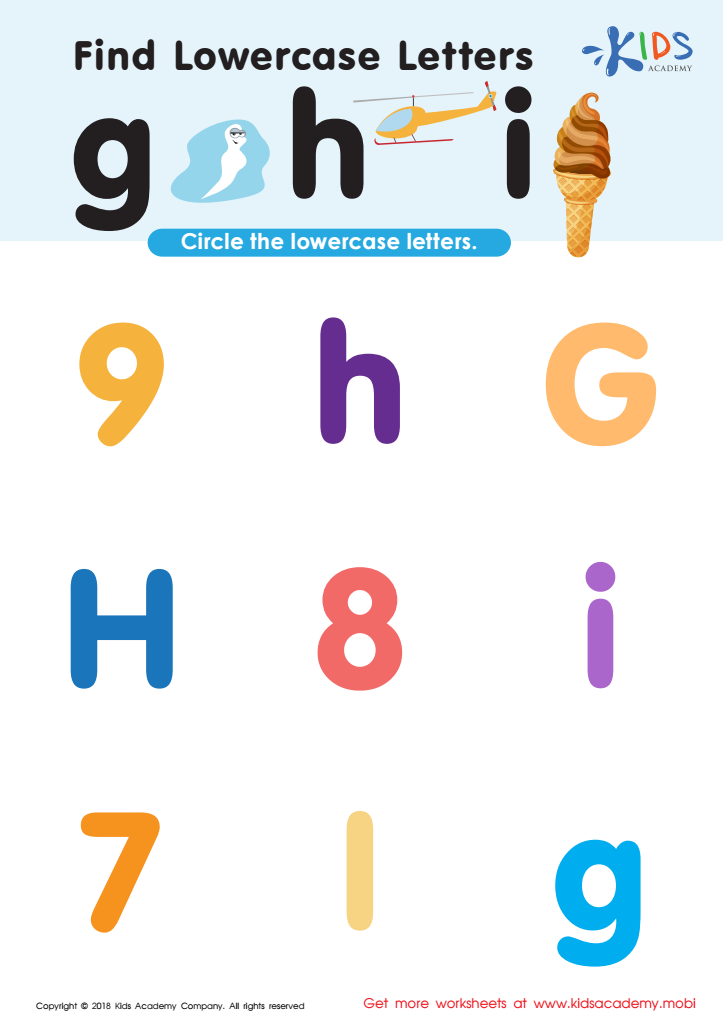
Find Lowercase Letters g h i Worksheet
 Assign to My Students
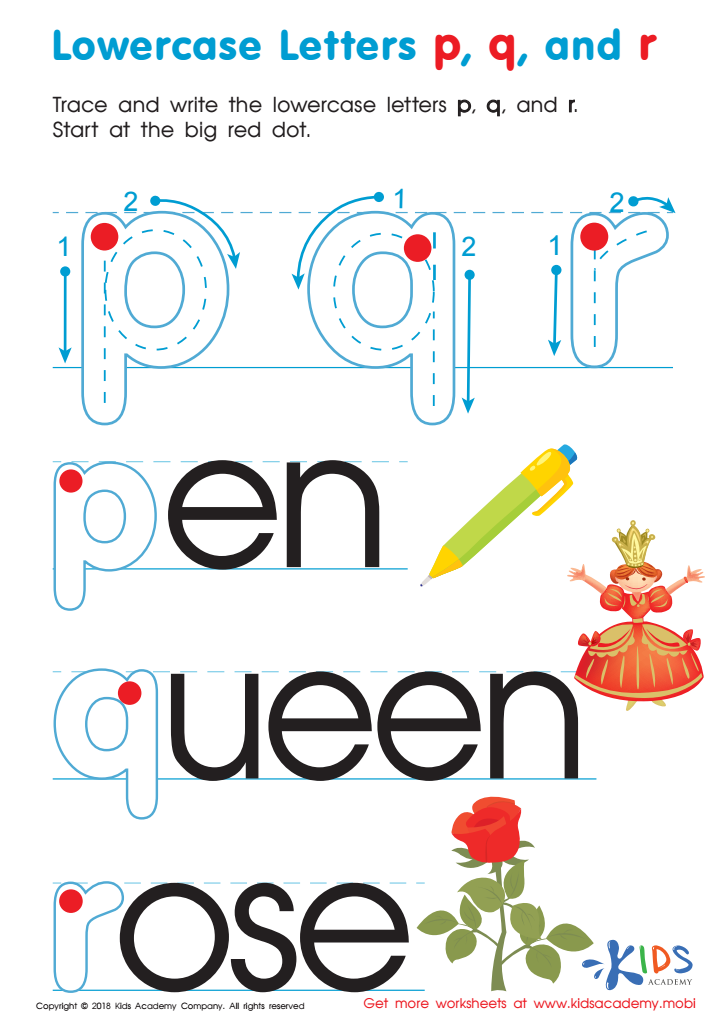
Lowercase Letters p q r Worksheet
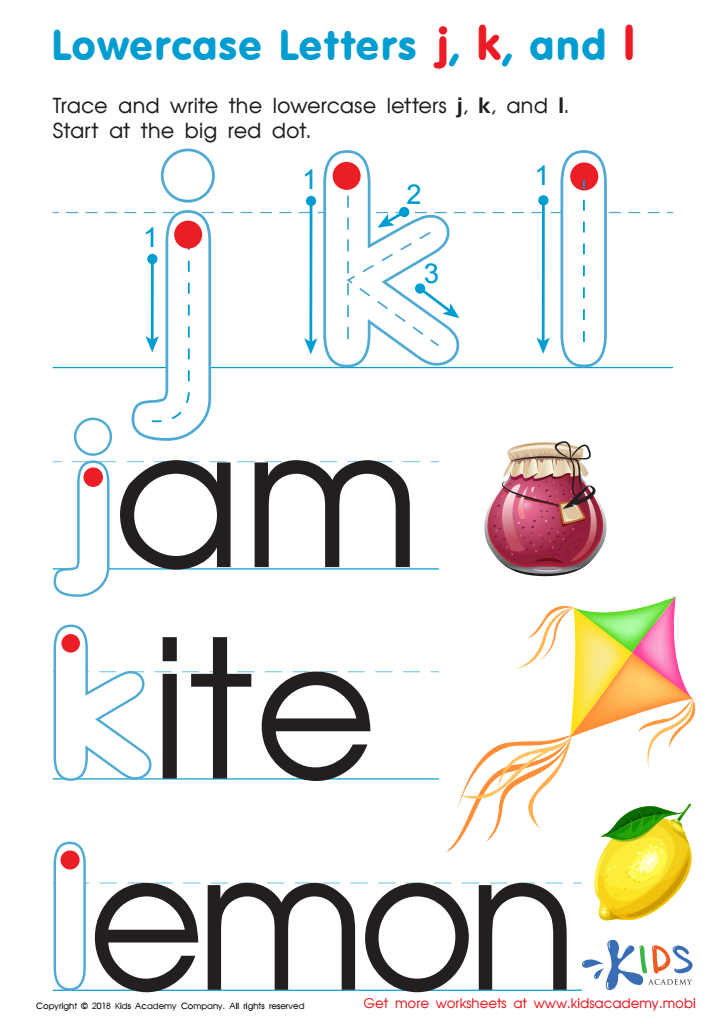
Lowercase Letters j k l Worksheet


Caring about alphabet sequencing in lowercase letters for children aged 5-8 is crucial as it lays the foundation for literacy development. At this age, children are in their formative years of learning to read and write, critical skills that significantly impact their academic success and overall cognitive development.
Firstly, mastering the alphabet sequence strengthens children's understanding of letter recognition. By knowing the order of letters, they can more easily identify and memorize each one, essential for decoding words while reading. This familiarity also aids in proper spelling, phonics, and vocabulary acquisition.
Secondly, practicing lowercase letters is particularly important since most printed and written text utilizes these forms rather than uppercase letters. Young readers need to be comfortable with lowercase letters to navigate books, signs, and information accurately. Writing in lowercase also helps them develop fine motor skills and hand-eye coordination—a precursor to neat and legible handwriting.
Furthermore, understanding alphabet sequencing enhances a child's ability to organize information logically. It encourages sequential thinking and problem-solving abilities, which are valuable lifelong skills. By paying attention to alphabet sequencing in these early years, parents and teachers support a child's confident and competent transition from early literacy stages to more advanced reading and writing tasks.