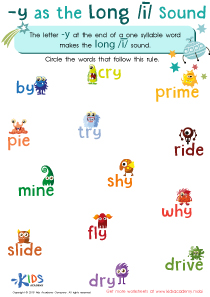
Spelling practice Normal Silent Vowels Worksheets for Ages 5-8
3 filtered results
-
From - To
Discover our engaging Spelling Practice Normal Silent Vowels Worksheets, specially designed for children aged 5-8! These worksheets provide a fun and interactive way for young learners to master the concept of silent vowels in words. With colorful illustrations and age-appropriate activities, students will build their spelling skills while reinforcing phonetic awareness. Ideal for classroom use or at-home learning, these resources foster essential language development. Help your child gain confidence in their reading and writing abilities with our easy-to-follow exercises. Download and print these worksheets today to make learning enjoyable and effective! Provide your little ones with the tools they need for literacy success!
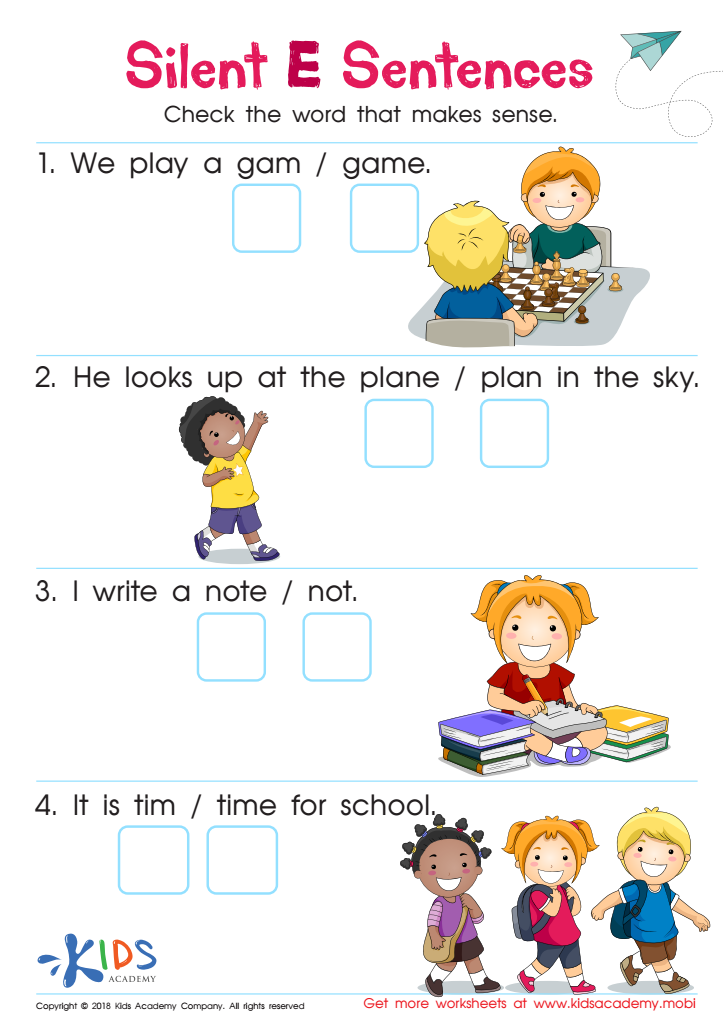
Silent E Sentences Worksheet
 Assign to My Students
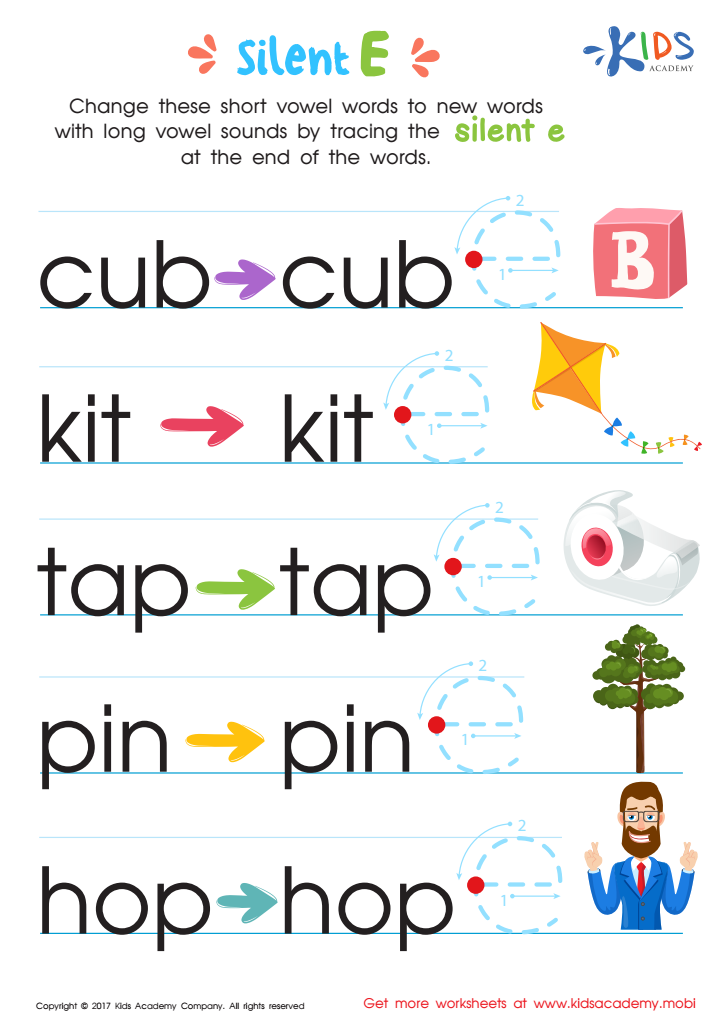
Silent E Words Worksheet
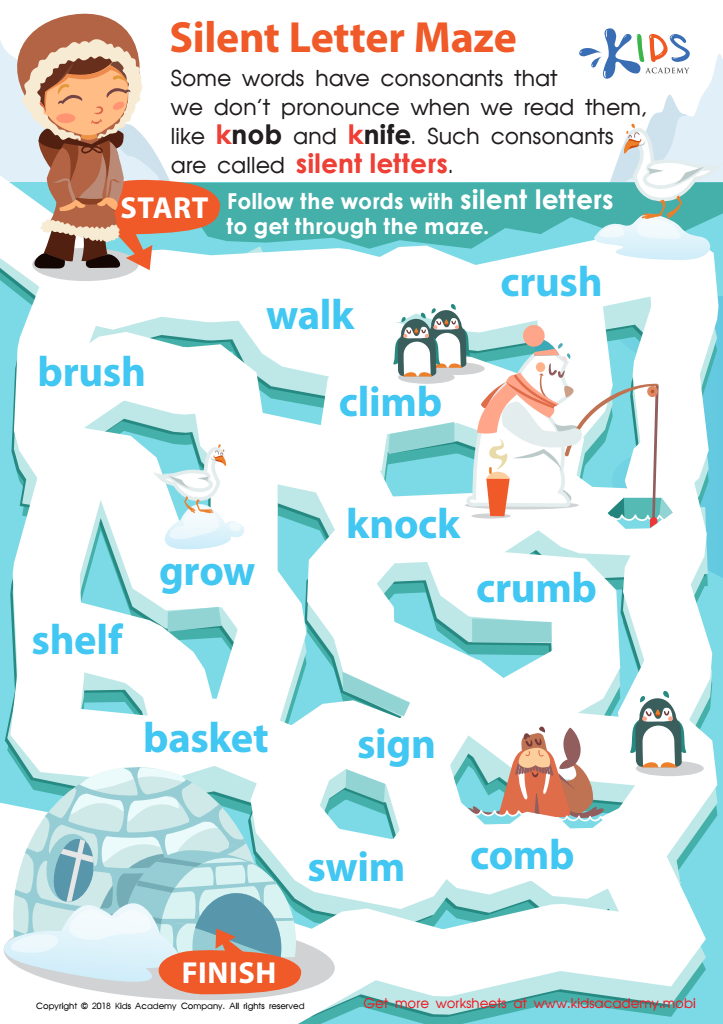
Silent Letter Maze Worksheet


Spelling practice, particularly with normal silent vowels, is essential for children ages 5-8 as it builds a strong foundation for literacy. Understanding silent vowels helps students recognize patterns in words, enhancing their spelling and reading skills. At this age, children are developing phonemic awareness and decoding abilities; when they can identify and classify silent vowels, they are better equipped to tackle unfamiliar words, making reading a more enjoyable experience.
Furthermore, mastering silent vowels aids in building vocabulary. Children who understand these nuances are more likely to engage with a broader range of texts, encouraging a love for reading. It also fosters confidence; as they learn to spell words correctly, they become more willing to express their thoughts through writing without the fear of making errors.
For teachers and parents, prioritizing spelling practice with an emphasis on silent vowels can reinforce classroom learning and ensure that fundamentals are grasped. Collaborative spelling activities between home and school create a supportive learning atmosphere, promoting stronger literacy skills and boosting overall academic performance. Engaging in consistent practice not only enhances spelling but also stimulates cognitive development and critical thinking in early learners, setting them on a path toward lifelong learning and communication success.