Reading comprehension Normal Two Letter Phonics Worksheets for Ages 5-8
7 filtered results
-
From - To
Discover our engaging Reading Comprehension Normal Two Letter Phonics Worksheets designed specifically for children aged 5-8. These worksheets are perfect for young learners, blending phonics and reading skills. Each activity helps develop essential literacy skills through fun exercises that encourage letter recognition and sound blending. Kids will enhance their comprehension as they confidently read simple words and sentences. With vibrant illustrations and age-appropriate content, our printable worksheets foster an enjoyable learning atmosphere, promoting independence and critical thinking. Ideal for teachers and parents, these resources make reading an exciting adventure, laying a solid foundation for lifelong literacy. Get started today!
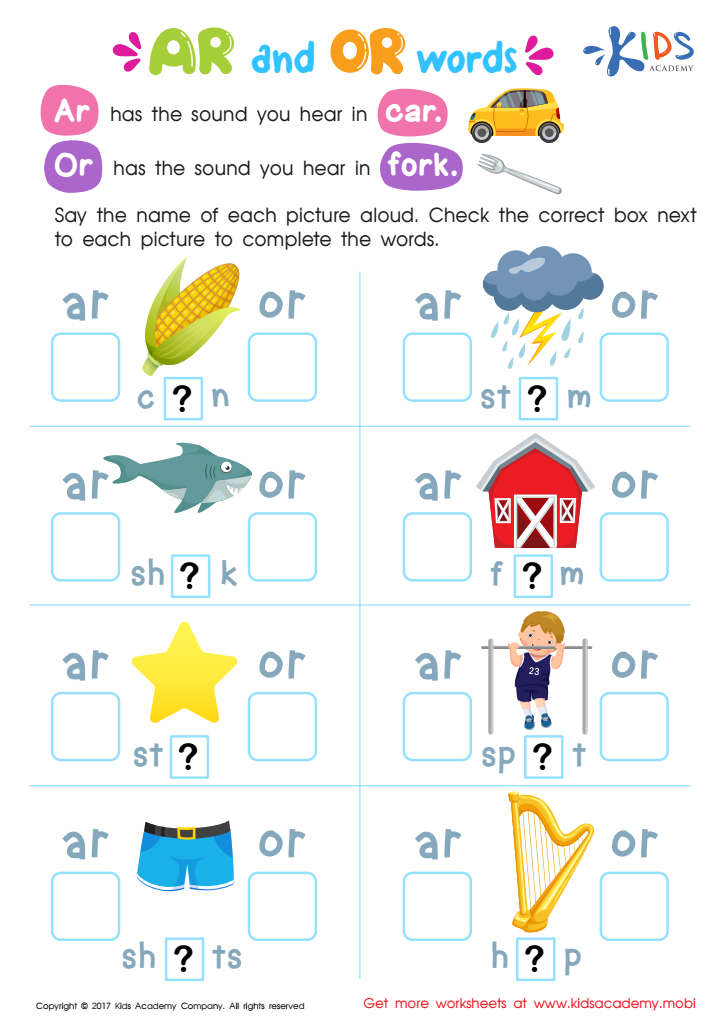
Ar and Or Words Phonics Worksheet
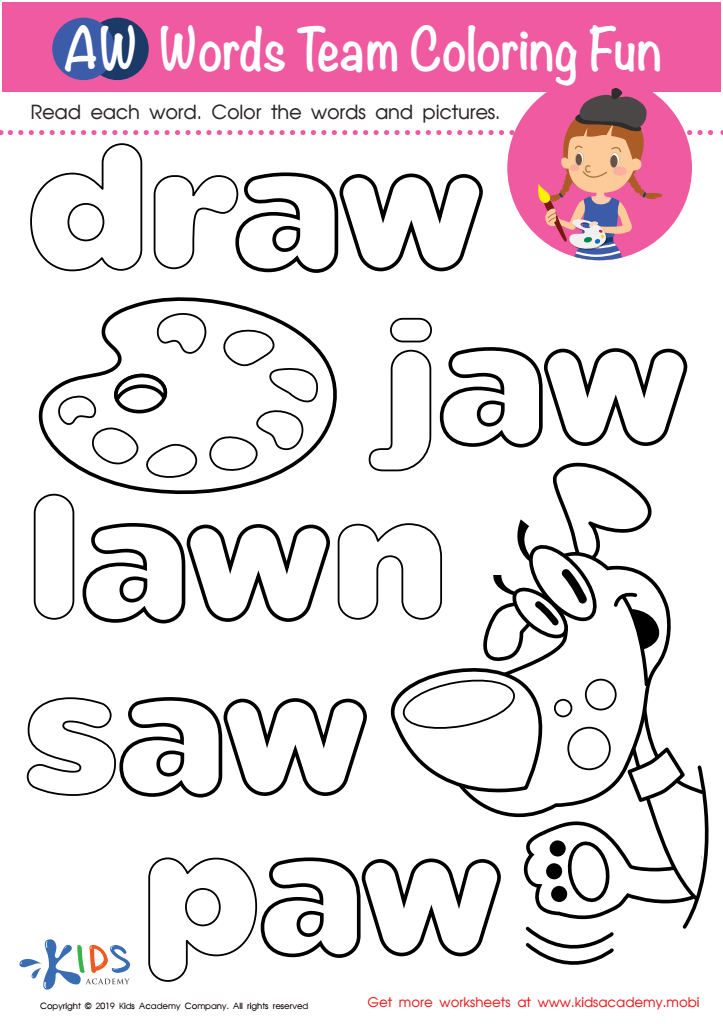
AW Words Team Coloring Fun Worksheet
 Assign to My Students
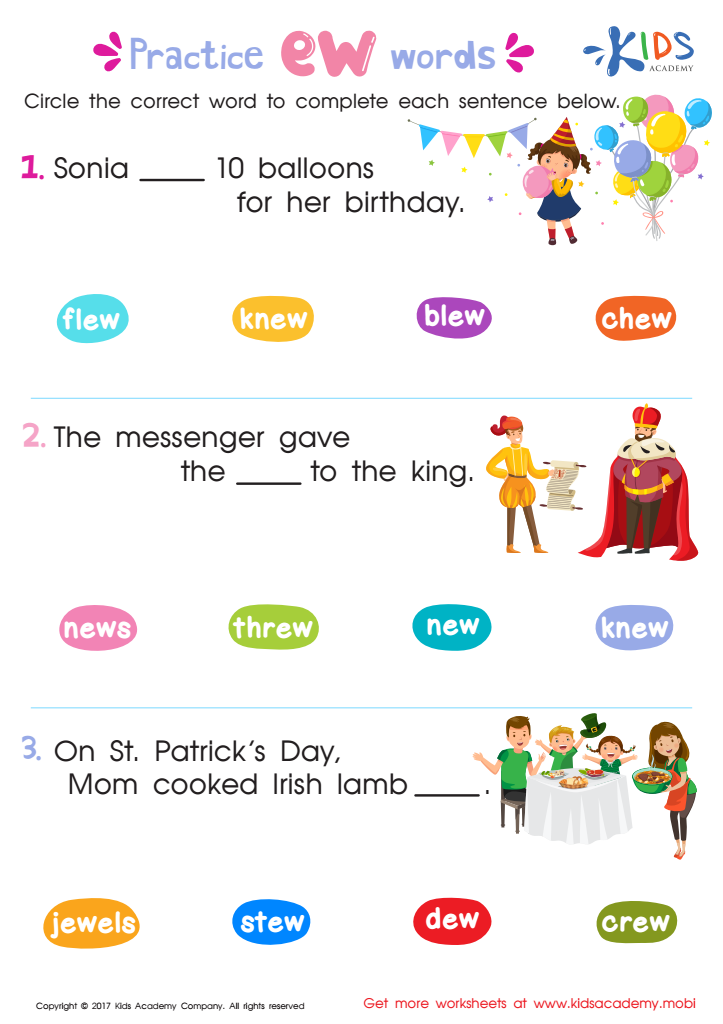
EW Words Worksheet
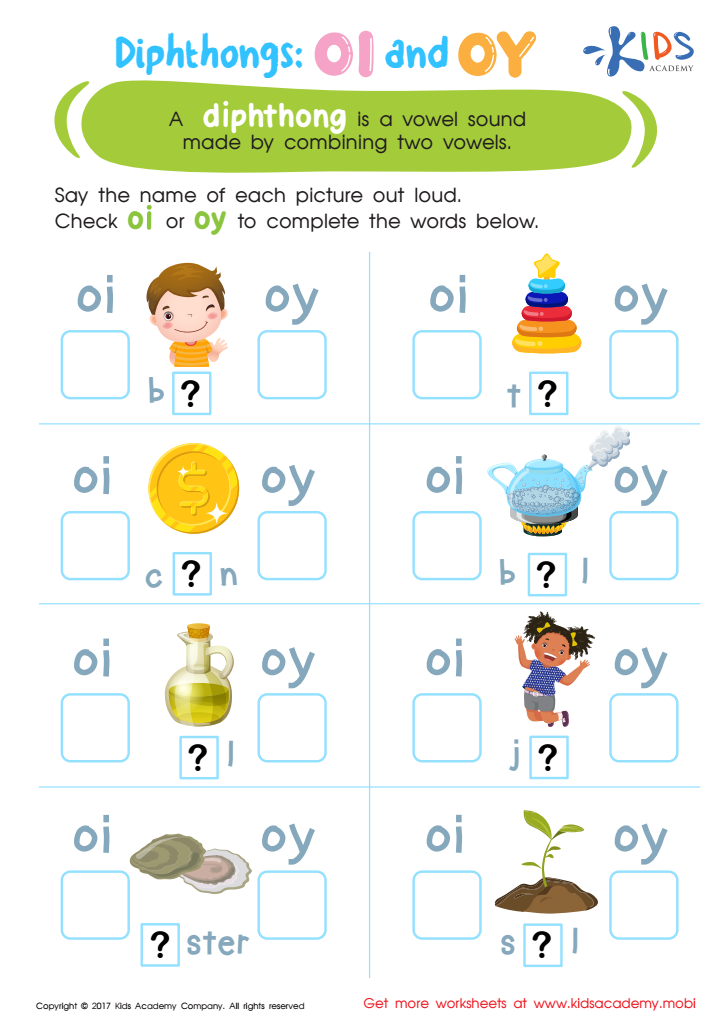
Vowel Diphthongs OI OY Worksheet
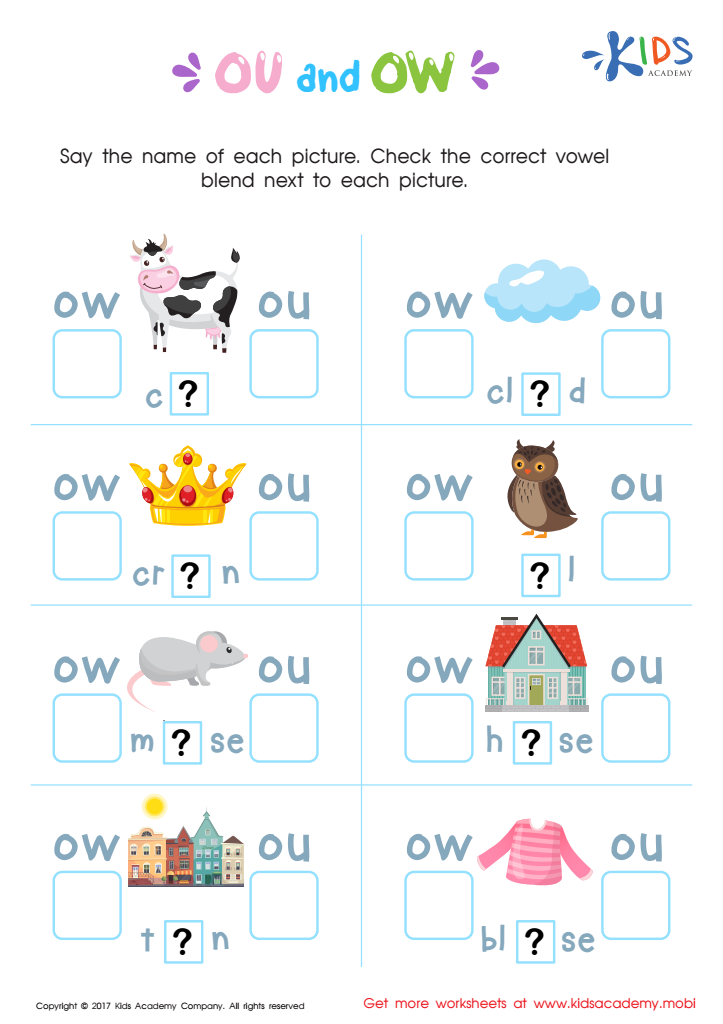
OU and OW Words Worksheet
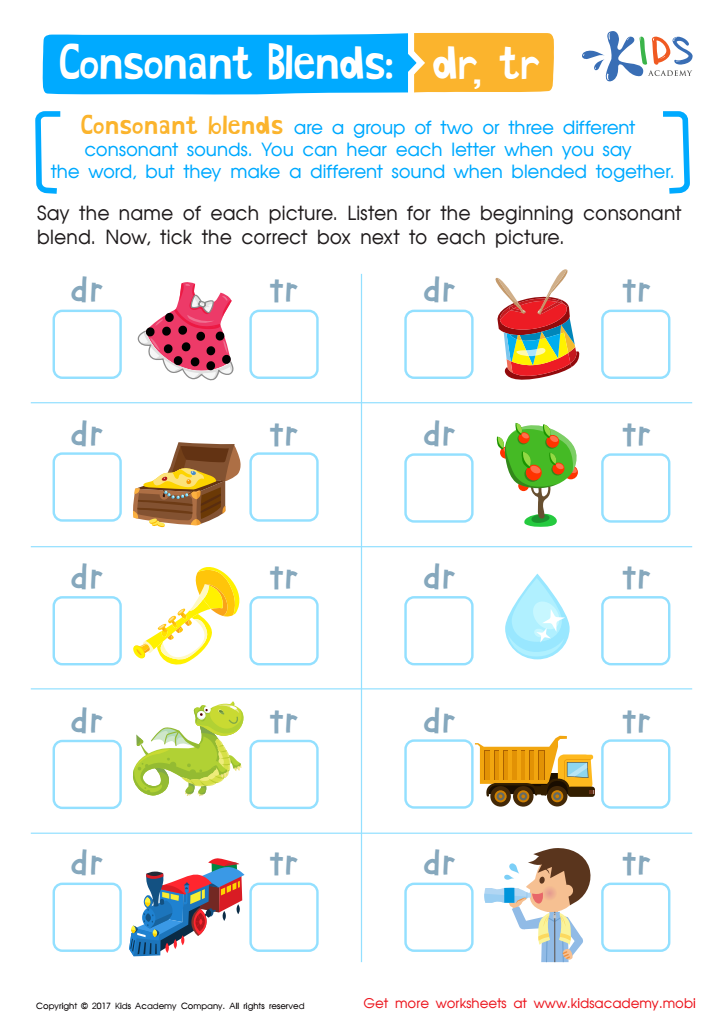
Consonant Blends: "Dr" and "Tr" Printable
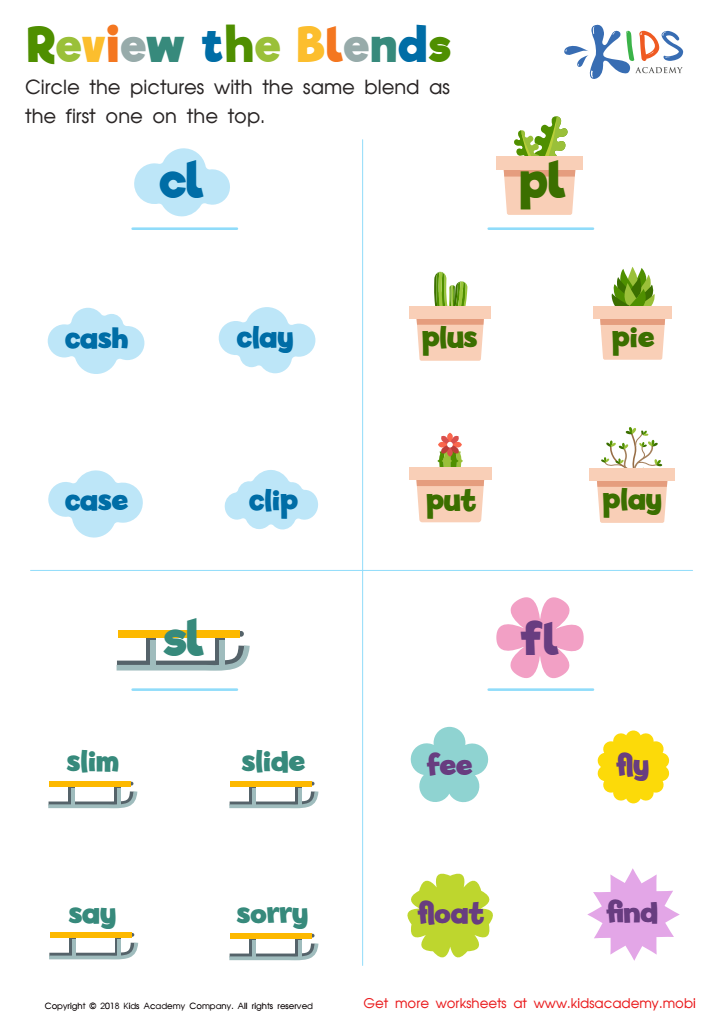
Review the Blends Worksheet



Reading comprehension is crucial for children aged 5-8 as it lays the foundation for lifelong learning. Understanding how phonics, particularly the Normal Two Letter Phonics, impacts reading fluency and comprehension can significantly enhance a child's literacy skills. At this developmental stage, children are learning to decode words, and mastering phonics helps them recognize letter combinations and sounds that create meaning.
Parents and teachers should care about this issue because effective phonics instruction promotes confidence in reading. When children can easily decode words, they can focus on understanding the text, which enhances their ability to engage with the material. Strong reading comprehension fosters critical thinking skills, enabling children to analyze and interpret information, which is crucial in today’s information-rich society.
Moreover, children who excel in reading comprehension are often more successful in other subjects and display better academic performance overall. Therefore, being aware of and implementing effective reading strategies, such as Normal Two Letter Phonics, can empower parents and educators to contribute significantly to a child's educational journey, cultivating a love for reading that can continue well beyond the primary years. By prioritizing phonics, we can ensure children thrive as confident, skilled readers ready to tackle future challenges.