Problem-Solving Skills Normal Upper & Lowercase Letters Worksheets for Ages 5-8
3 filtered results
-
From - To
Enhance your child's problem-solving abilities with our engaging worksheets designed for ages 5-8. Our "Problem-Solving Skills Normal Upper & Lowercase Letters Worksheets" combine alphabet recognition with creative challenges, allowing young learners to develop critical thinking skills while reinforcing their understanding of uppercase and lowercase letters. Each worksheet features fun activities that encourage kids to apply logic and reasoning, making learning both educational and enjoyable. Whether at home or in the classroom, these worksheets serve as a valuable resource for caregivers and educators aiming to cultivate essential problem-solving skills. Discover a comprehensive way to support your child's educational journey!
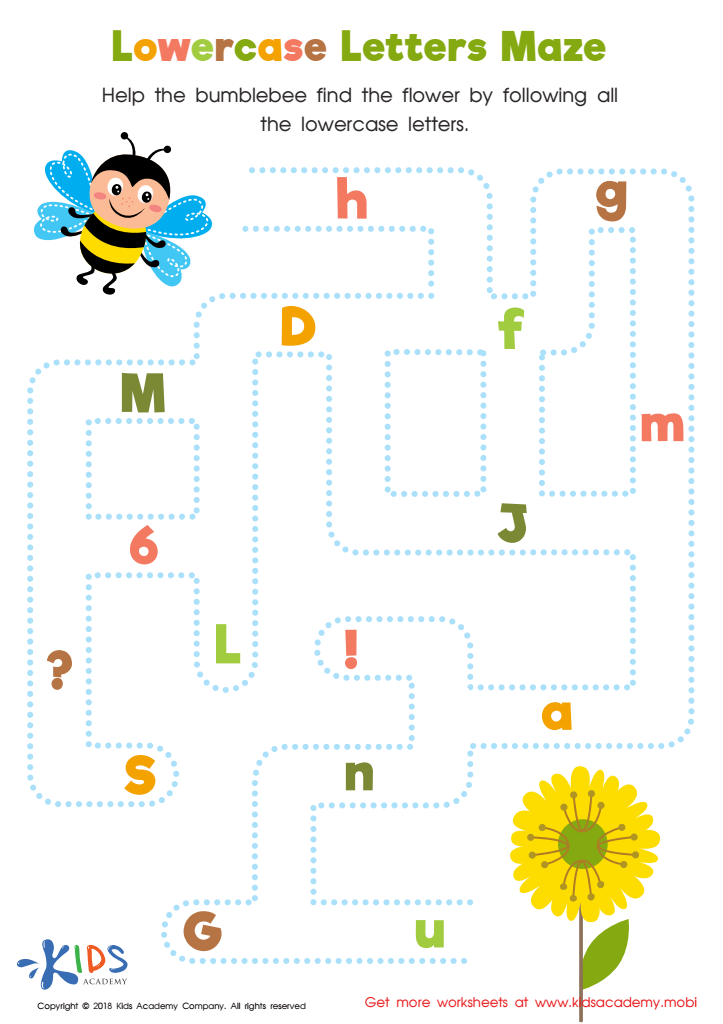
Lowercase Letters Maze Worksheet
 Assign to My Students



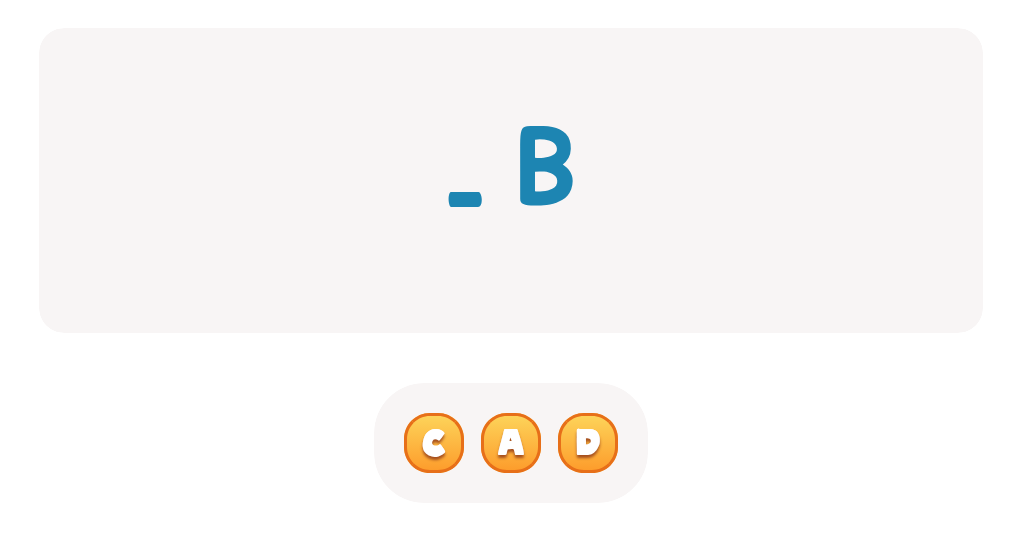




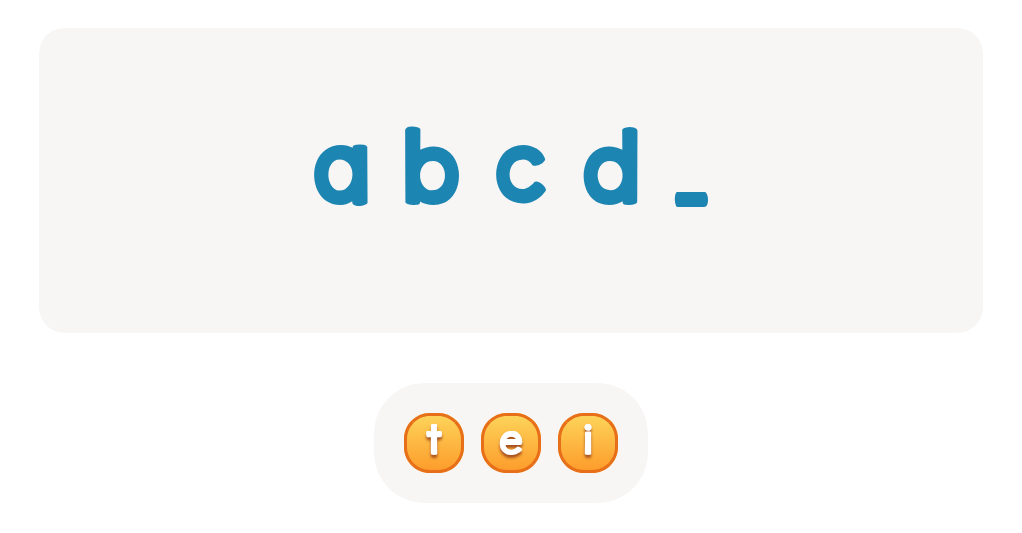

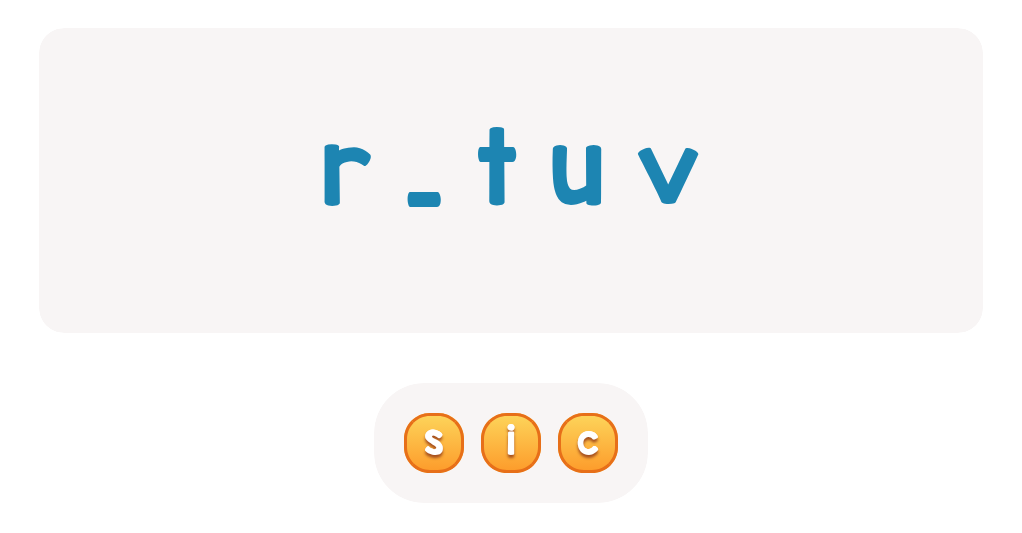
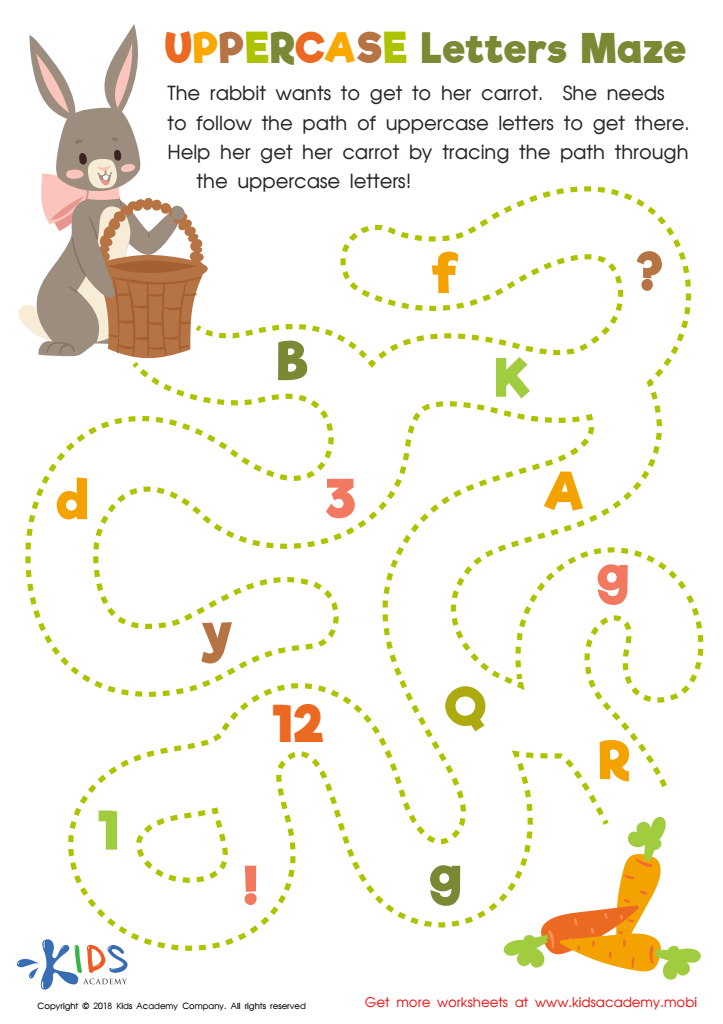
Uppercase Letters Maze Worksheet
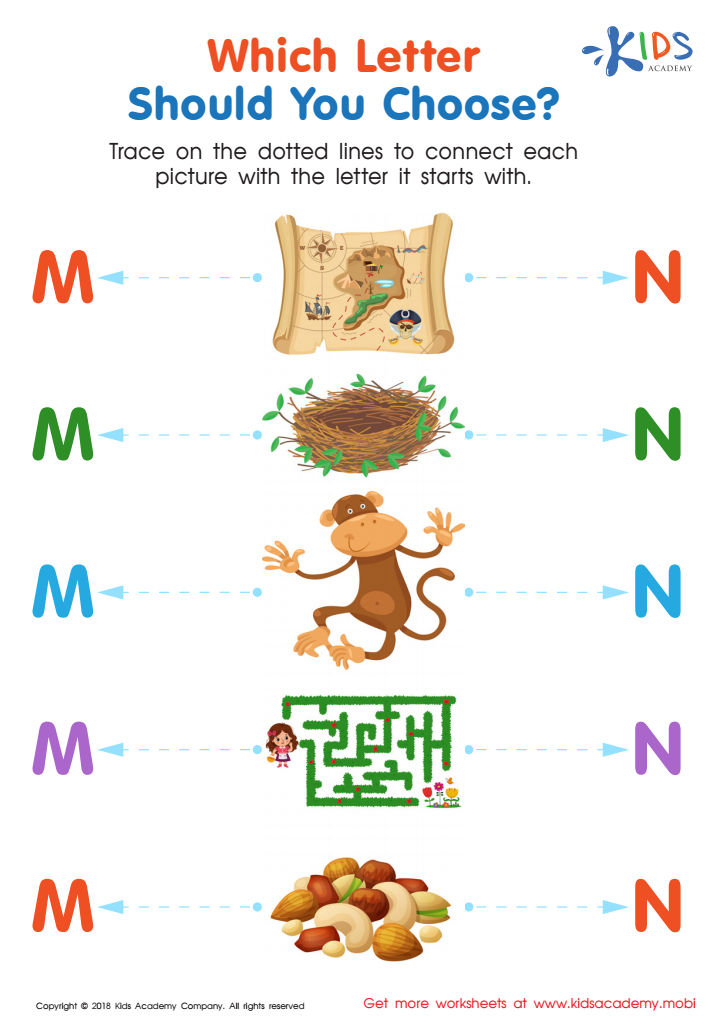
Which Letter Should you Choose? Worksheet






Problem-solving skills are essential for children aged 5-8 as they lay the foundation for critical thinking, resilience, and independence. Parents and teachers should prioritize these skills to ensure children can navigate challenges effectively. At this formative age, kids encounter various problems in school and everyday life, from mathematical puzzles to social interactions. Developing strong problem-solving abilities helps them learn to assess situations, generate options, and evaluate outcomes, fostering confidence in their decision-making.
Moreover, these skills enhance creativity and encourage exploration. When parents and teachers engage kids in problem-solving activities—like puzzles, games, or group projects—children learn how to approach problems from different angles. This collaborative environment not only stimulates intellectual growth but also reinforces teamwork and communication skills.
Furthermore, fostering problem-solving skills early sets the stage for academic success. Concepts learned during this stage, such as logic and reasoning, will be applicable across all subjects as children progress. Most importantly, equipping children with effective problem-solving strategies prepares them for future challenges in life, enabling them to become adaptable and proactive adults. Ultimately, nurturing these skills can lead to increased self-esteem and a lifelong love of learning. Parents and teachers play a critical role in this development.







