Alphabetical order understanding Normal English for Beginners Worksheets for Ages 5-8
3 filtered results
-
From - To
Introduce your young learners to the basics of alphabetical order with our expertly designed worksheets tailored for beginners! Our "Alphabetical Order Understanding - Normal English for Beginners" worksheets are perfect for kids ages 5-8. These fun and engaging activities help children understand the fundamental concept of organizing words from A to Z. Enhance their vocabulary, boost cognitive skills, and make learning enjoyable. With easy-to-follow instructions and interactive exercises, these worksheets are an essential tool for early English language development. Propel your child’s early literacy with our simple and effective alphabetical order worksheets!
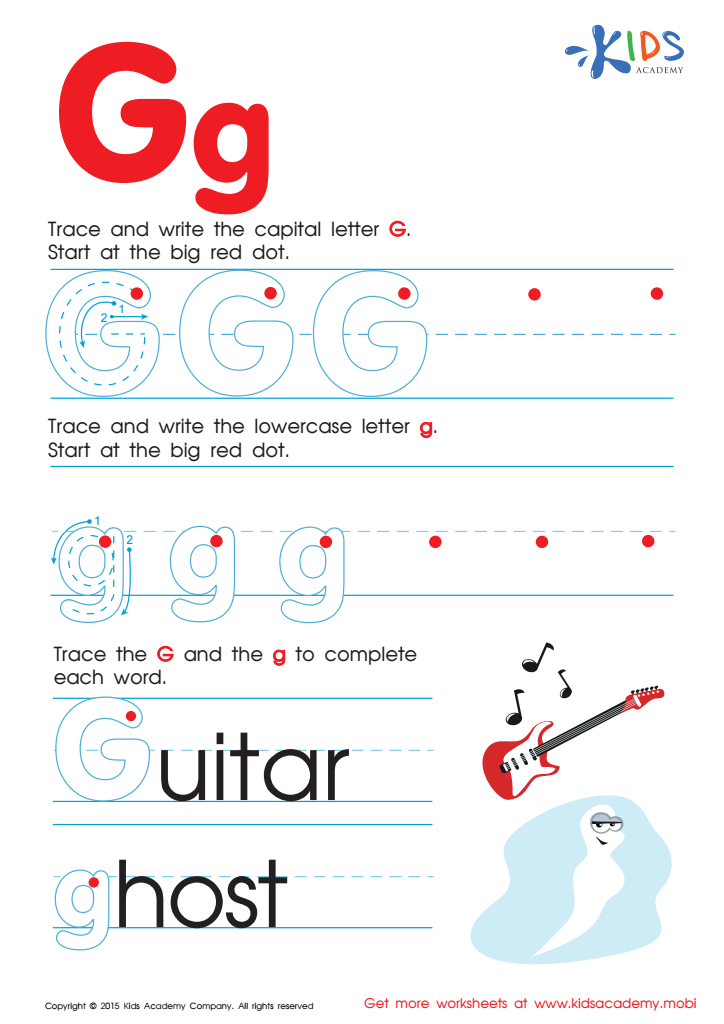
Letter G Tracing Page
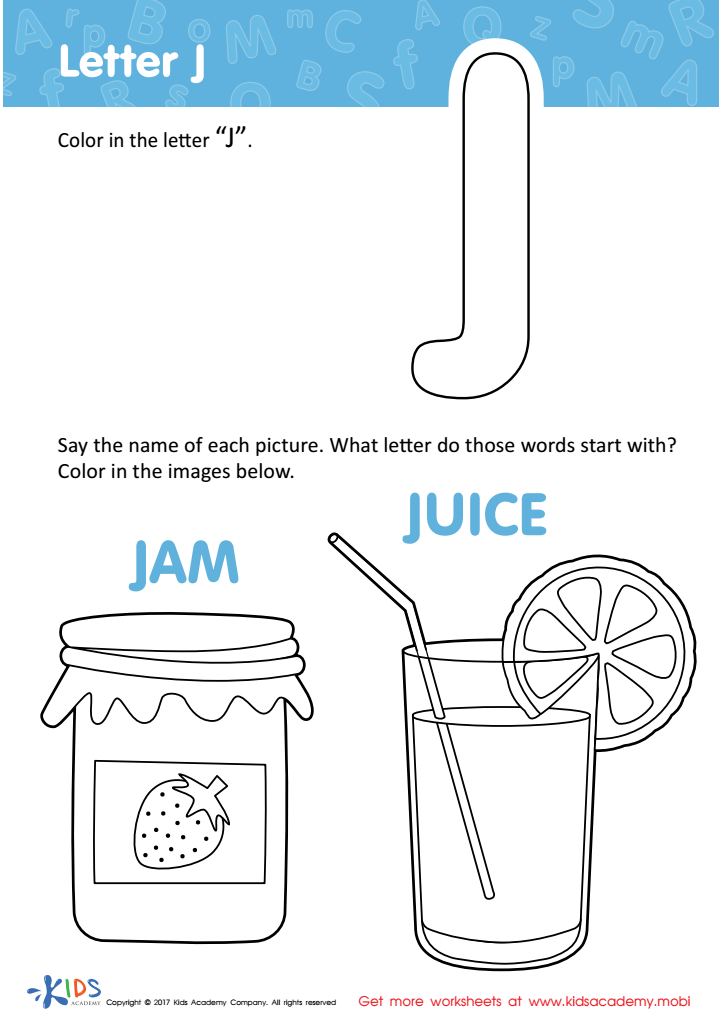
Letter J Coloring Sheet
 Assign to My Students
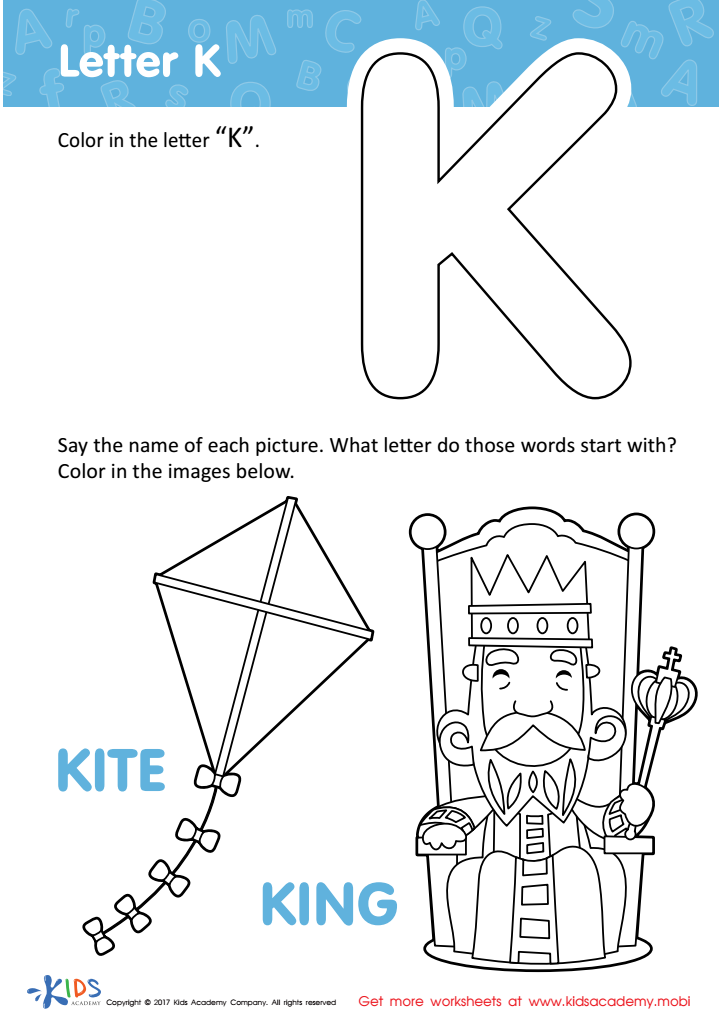
Letter K Coloring Sheet
Assign to My Students





Understanding alphabetical order is crucial for young learners, ages 5-8, for several important reasons. First, it builds foundational skills for literacy. By knowing the sequence of letters in the alphabet, children can more easily learn to read, write, and spell. This order helps in recognizing patterns in words and serves as a reference point.
Second, alphabetical order is a basic organizational and life skill. It’s used in many aspects of daily life—such as looking up names in a list, finding books in a library, or navigating dictionaries and encyclopedias. Familiarizing children with this structure early on sets them up for success as independent learners.
Third, mastering alphabetical order enhances cognitive development. It requires children to engage with sequencing, categorization, and memory tasks. These are critical thinking skills that extend beyond language learning into areas like math and science.
Lastly, it builds confidence and self-reliance. When children can alphabetize, they gain a sense of accomplishment and become more self-sufficient in their academic tasks. Parents and teachers should care because fostering this skill supports broader educational goals and helps children develop into confident, organized, and independent thinkers. Prioritizing alphabetical understanding sets a strong foundation for all future learning endeavors.