Fine Motor Skills Normal English for Beginners Worksheets for Ages 5-8 - Page 2
32 filtered results
-
From - To
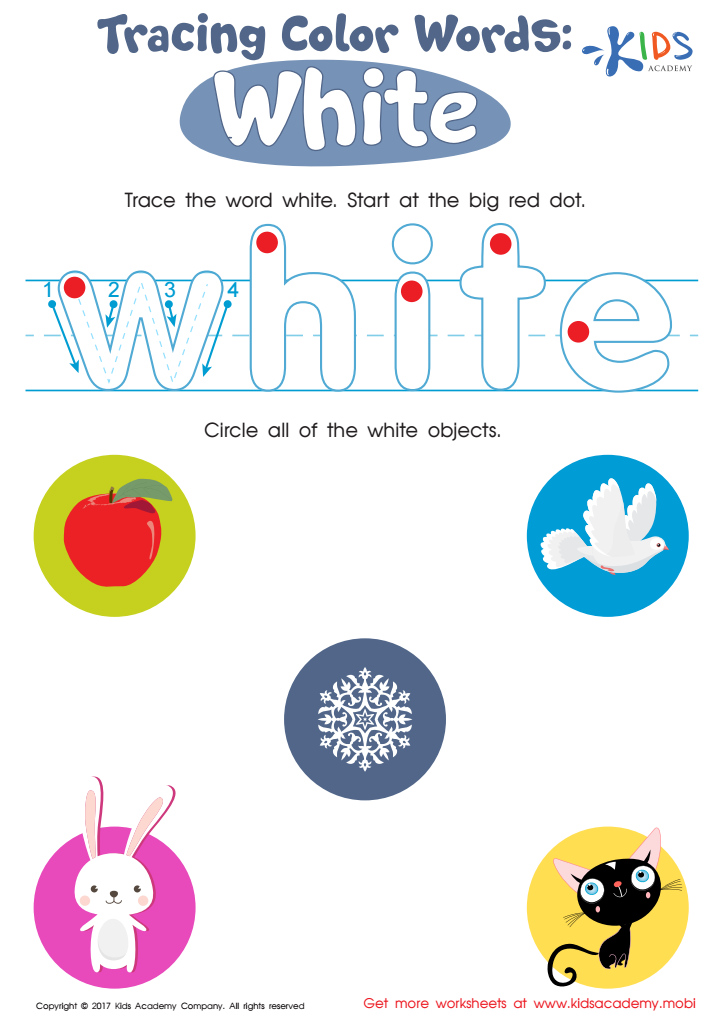
White Tracing Color Words Worksheet
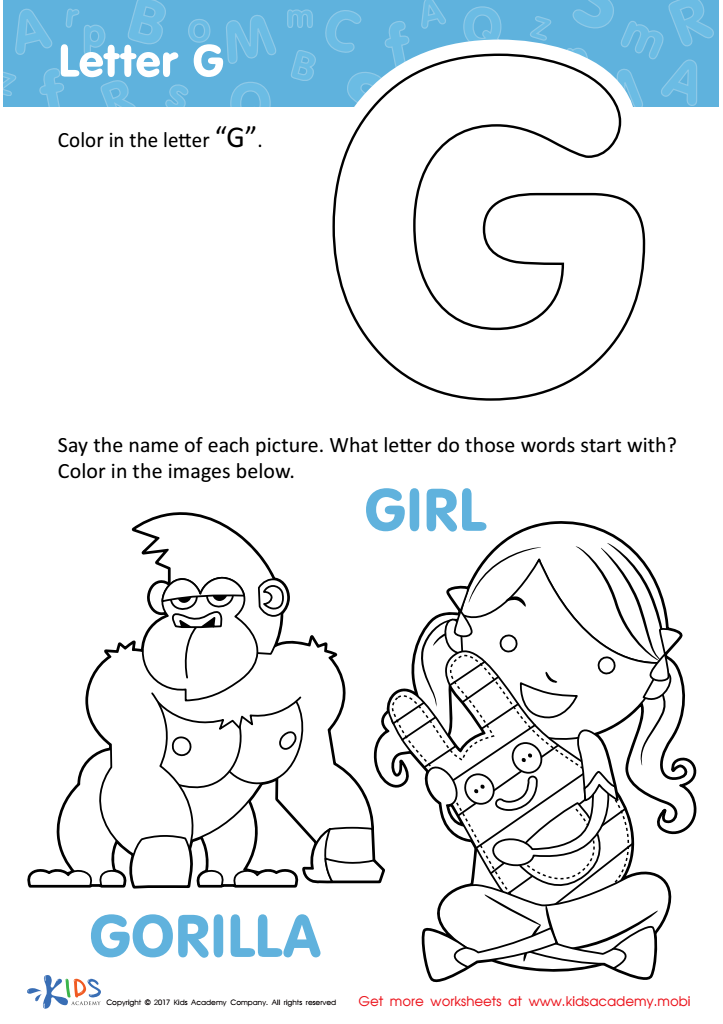
Letter G Coloring Sheet
 Assign to My Students
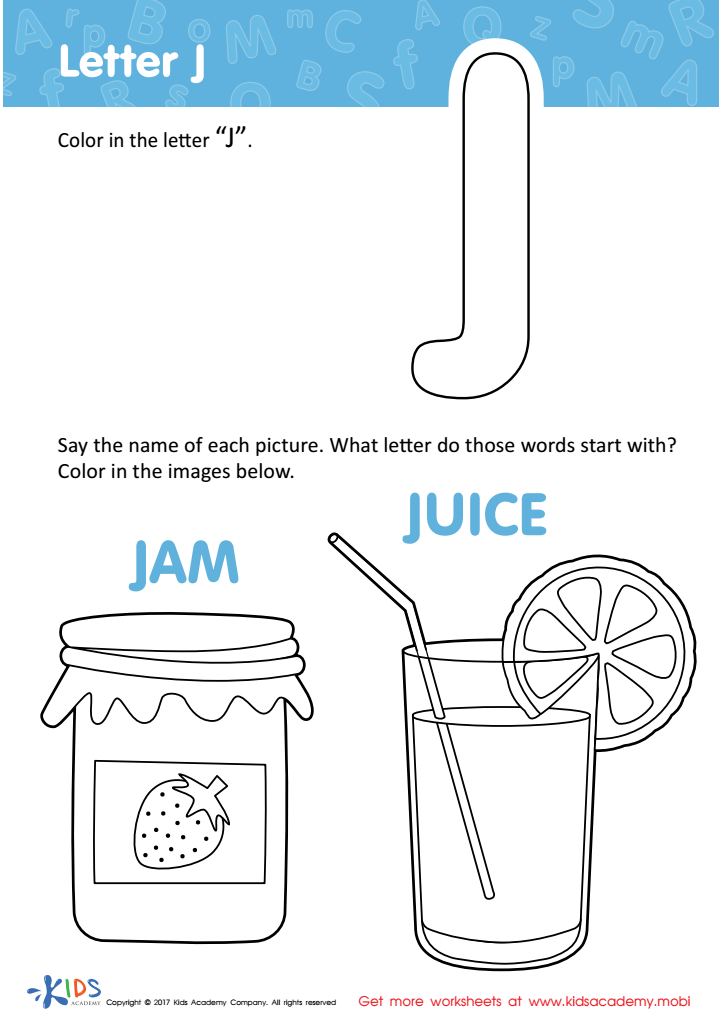
Letter J Coloring Sheet
Assign to My Students
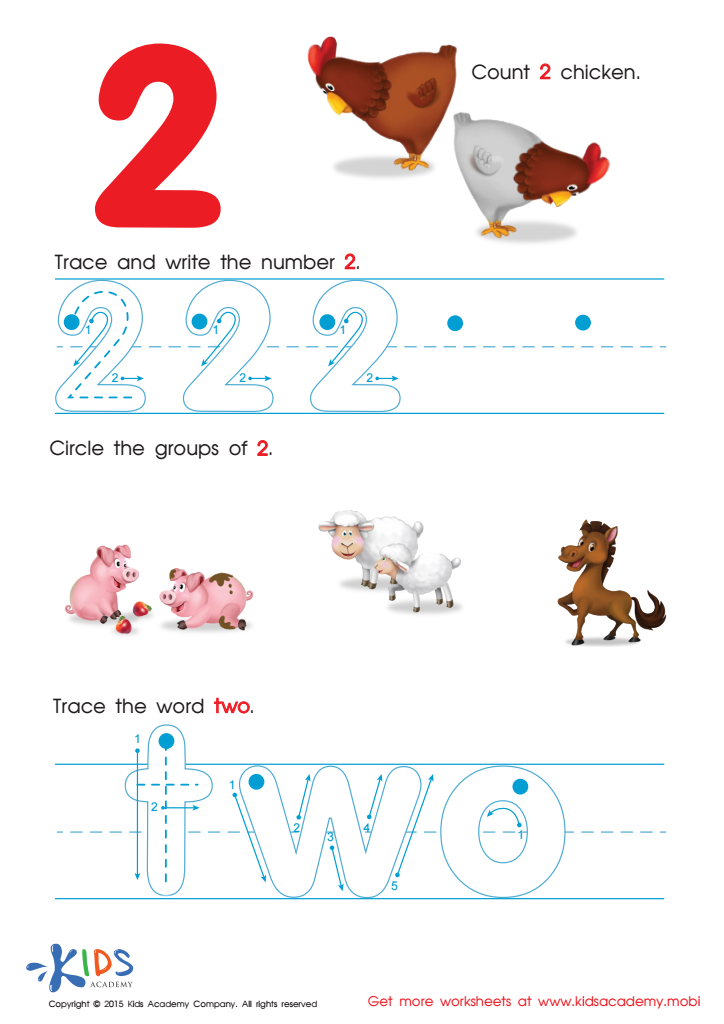
Learn to Write the Number 2 Worksheet
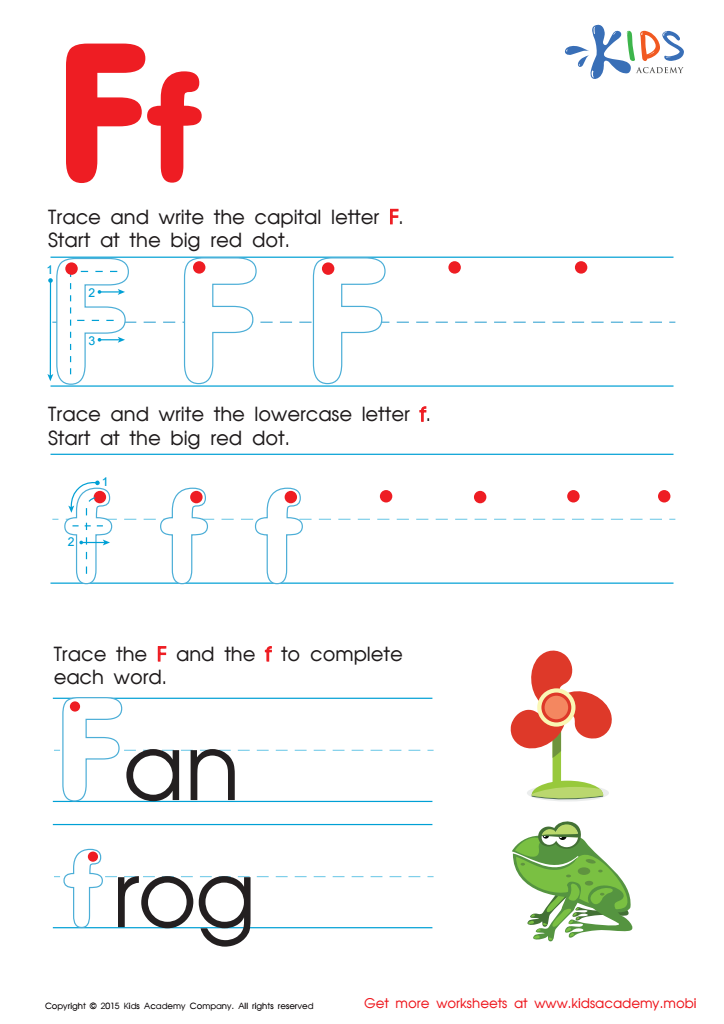
Letter F Tracing Page
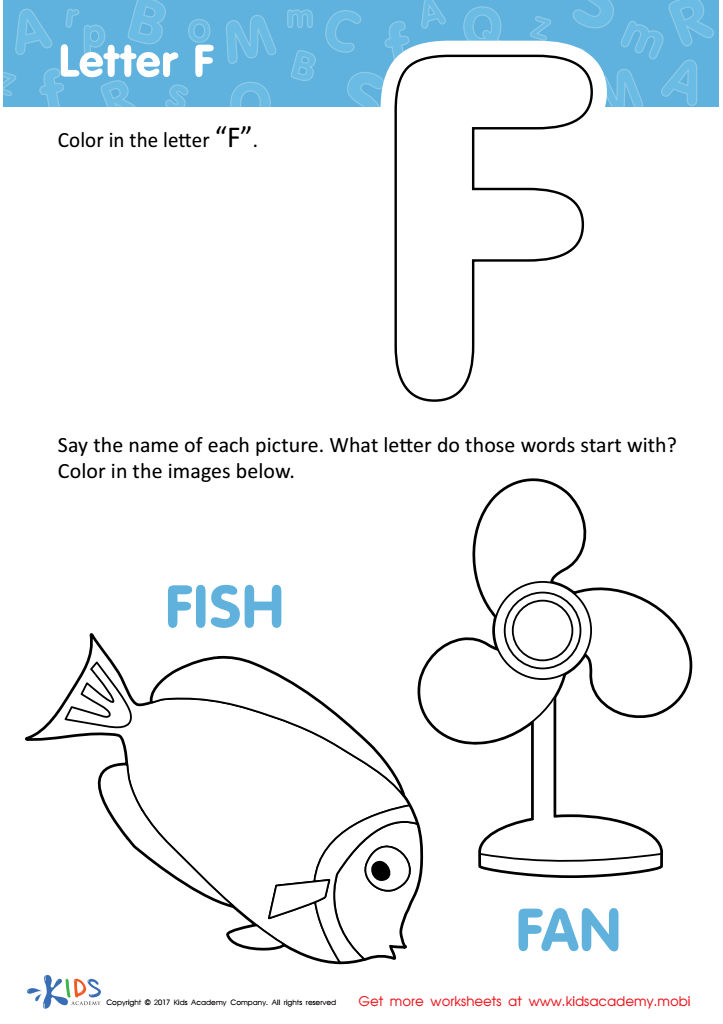
Letter F Coloring Sheet
Assign to My Students
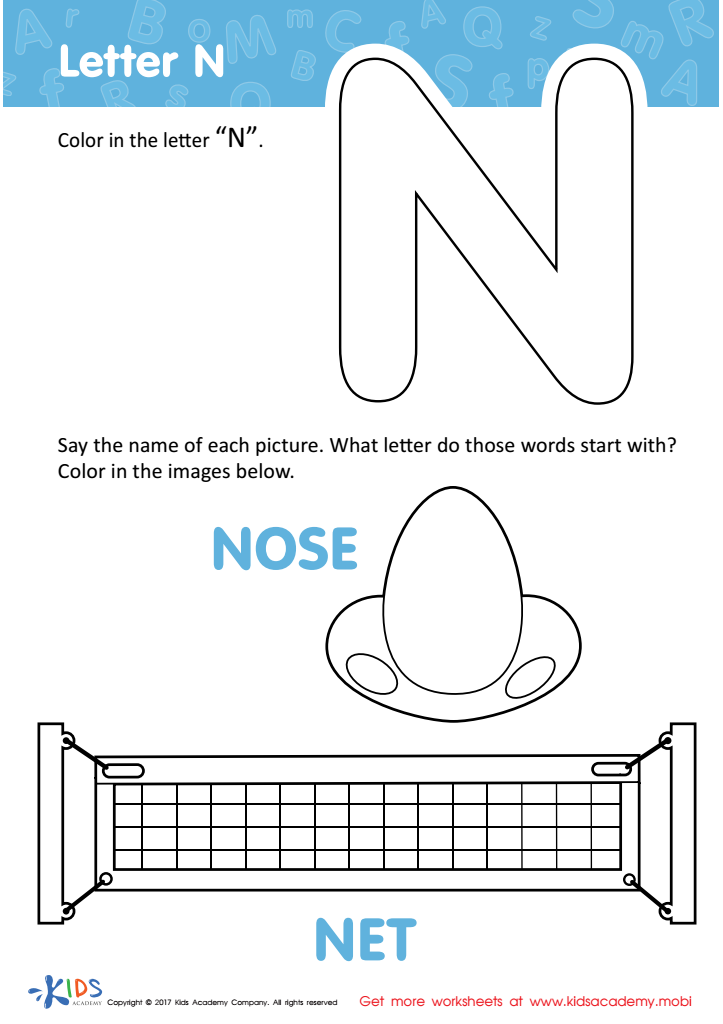
Letter N Coloring Sheet
Assign to My Students

Letter D Tracing Page





Fine motor skills involve using the small muscles in our hands and fingers to perform specific tasks. For children aged 5-8, developing these skills is incredibly important. Parents and teachers should care because fine motor skills are essential for everyday activities like writing, buttoning a shirt, or tying shoelaces. Kids who have strong fine motor skills can handle these tasks more easily and with greater independence.
When children work on fine motor skills, they also boost their hand-eye coordination. This means that their brains can better communicate with their hands and eyes to complete tasks accurately. Improved hand-eye coordination helps children succeed not just in schoolwork, but also in sports and other recreational activities.
Additionally, fine motor skills are linked to academic achievement. For example, a child who can hold a pencil properly can write more neatly, making it easier for teachers to understand their work. When kids can cut with scissors or color within the lines, they experience a sense of accomplishment and confidence. This emotional boost can encourage them to try new things and not be afraid of making mistakes.
Therefore, helping kids develop fine motor skills sets a strong foundation for lifelong abilities and learning success. Both parents and teachers play a crucial role in supporting this aspect of child development.