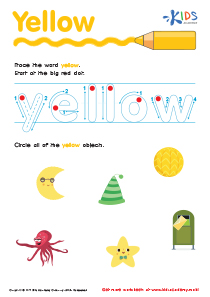
Handwriting practice Normal English for Beginners Worksheets for Ages 5-8 - Page 2
26 filtered results
-
From - To
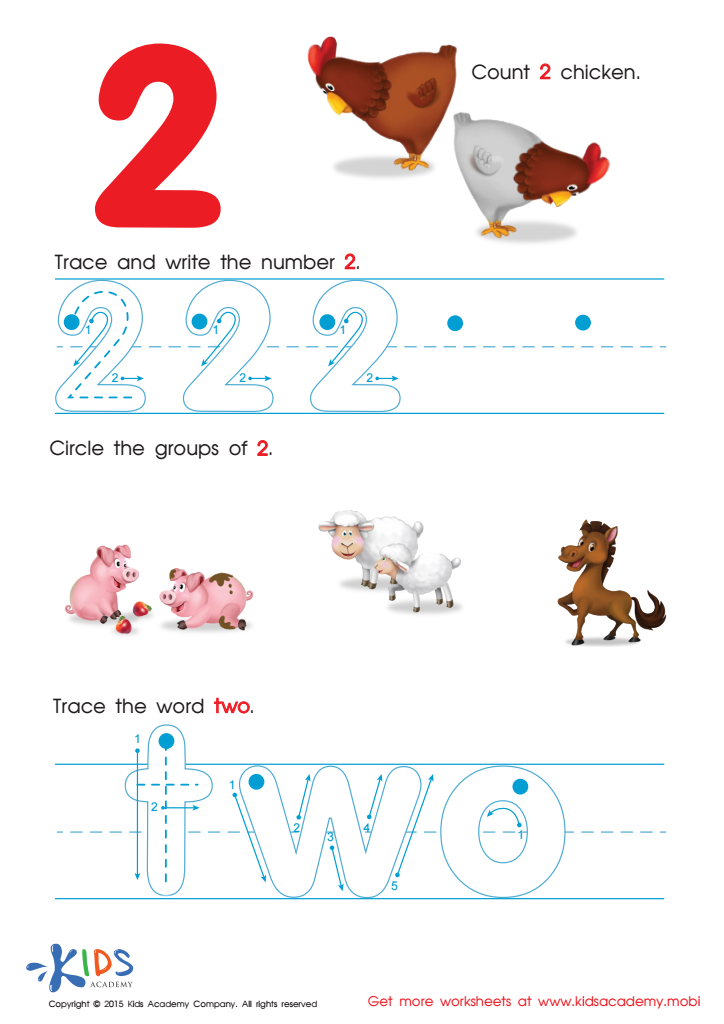
Learn to Write the Number 2 Worksheet
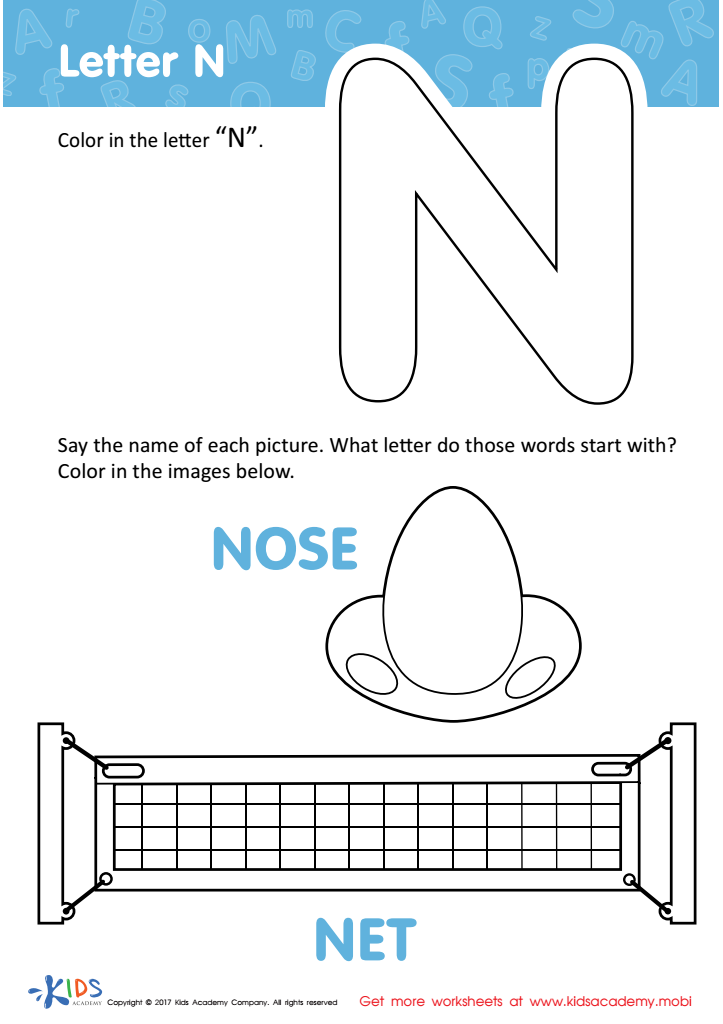
Letter N Coloring Sheet
 Assign to My Students





Handwriting practice is essential for children aged 5-8, as it lays the foundation for their writing skills, which are vital for academic success. For parents and teachers, promoting good handwriting helps develop fine motor skills. These skills are crucial not just for writing, but also for tasks like drawing, cutting, and even typing later on.
Additionally, clear handwriting improves a child's ability to express their thoughts on paper. When kids can write neatly, they can focus on content instead of struggling to make their work legible. This encourages a positive attitude toward writing, making it a more enjoyable and stress-free experience.
By inquiring about letter formation and practice opportunities, parents and teachers foster self-discipline and persistence in children. These are life skills that extend beyond academics. A focus on handwritten communication prepares children for any future endeavors that require clear, thoughtful writing.
Lastly, developing handwriting proficiency provides a sense of achievement. When children see their neat writing, they gain confidence. Overall, handwriting practice develops vital skills, boosts self-esteem, and prepares children for broader educational challenges ahead. Thus, it's critical that parents and teachers actively engage in this aspect of learning.