Geographic Understanding Normal Worksheets for Ages 5-8
3 filtered results
-
From - To
Introduce young explorers to the world's wonders with our "Geographic Understanding Normal Worksheets for Ages 5-8." Tailored to inspire curiosity, these engaging worksheets help children develop foundational geographic skills. From recognizing basic landforms and landmarks to understanding map symbols and directions, each activity combines educational fun with visual learning aids. Perfect for teachers and parents, our printable worksheets are designed to be both educational and enjoyable. Foster a love for geography early on and set the stage for lifelong discovery and learning. Discover a world beyond the classroom, one worksheet at a time!
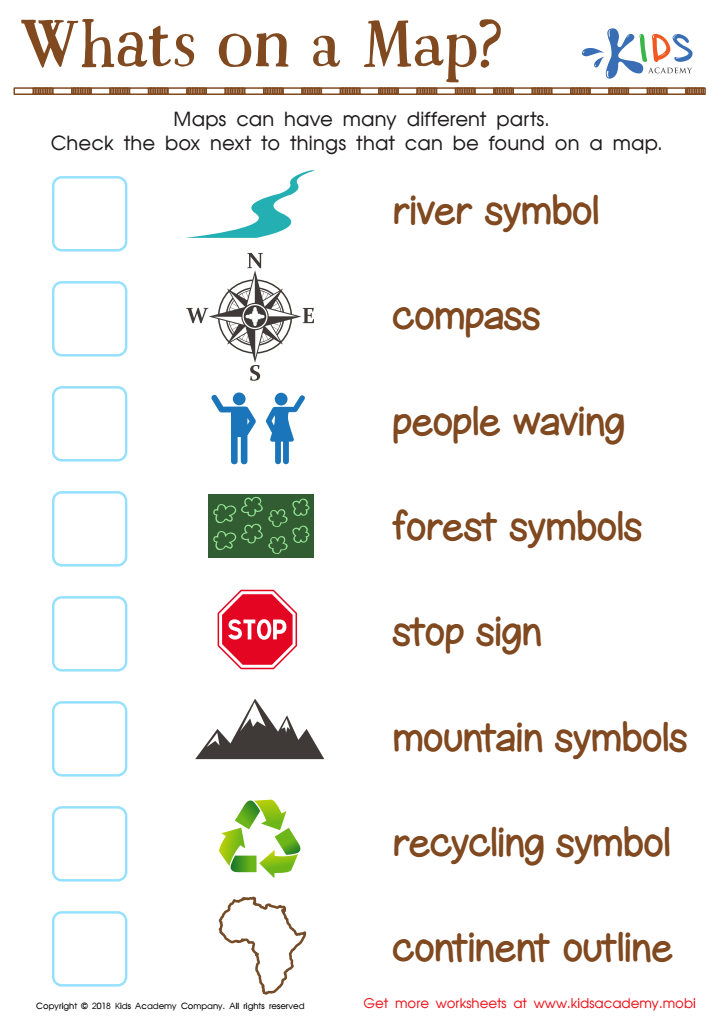
Whats on a Map? Worksheet
 Assign to My Students
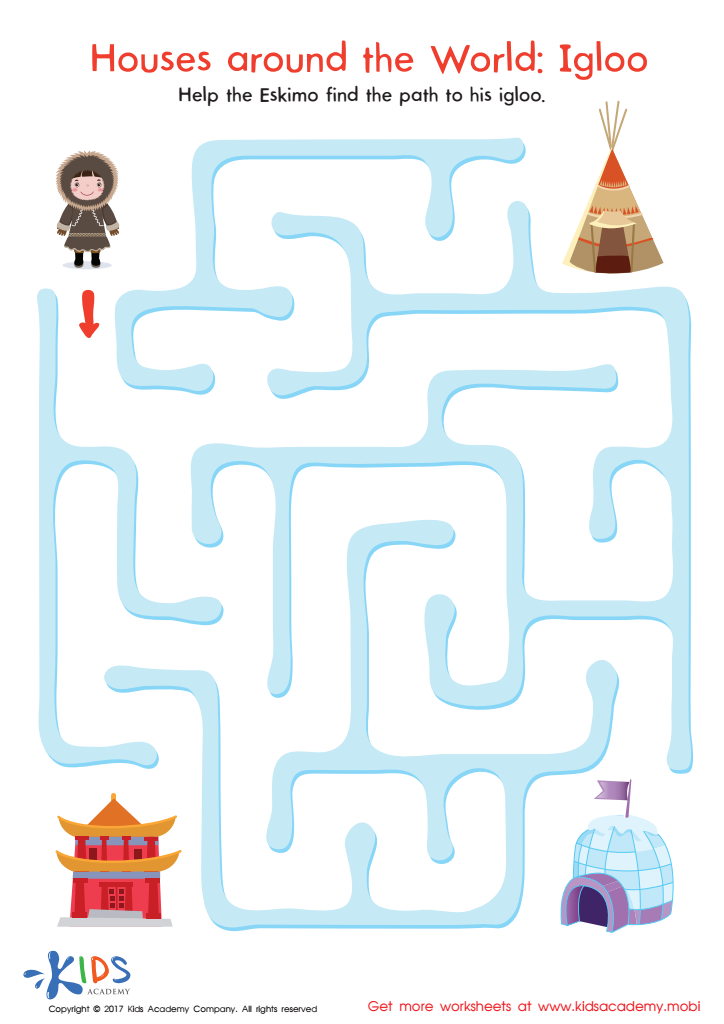
Houses Around the World: Igloo Printable
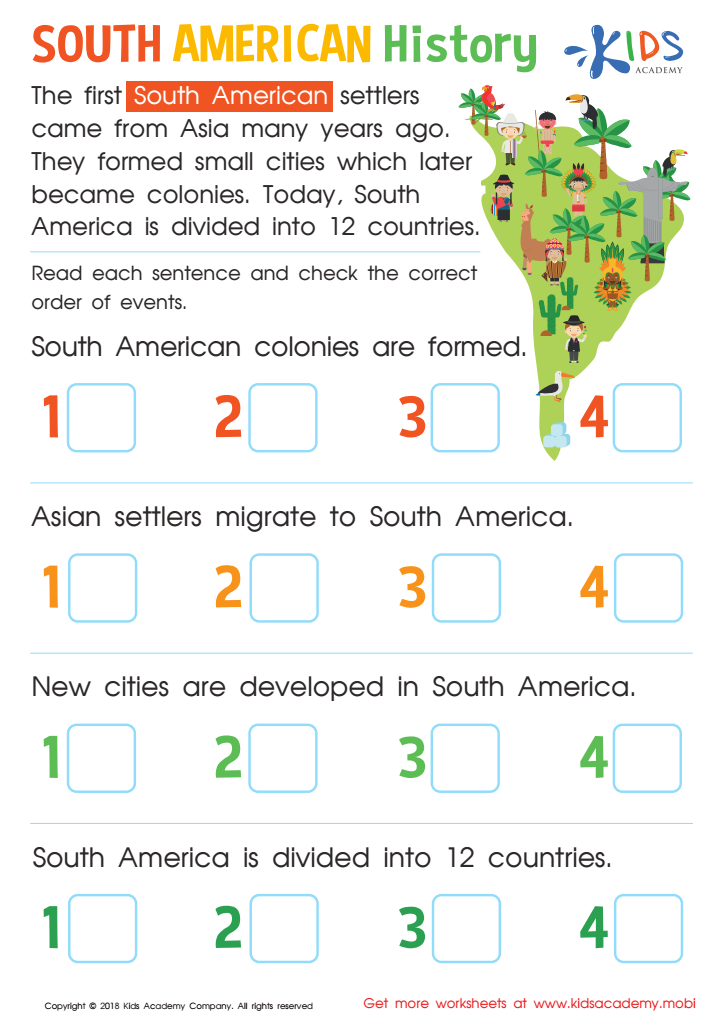
South American History Worksheet





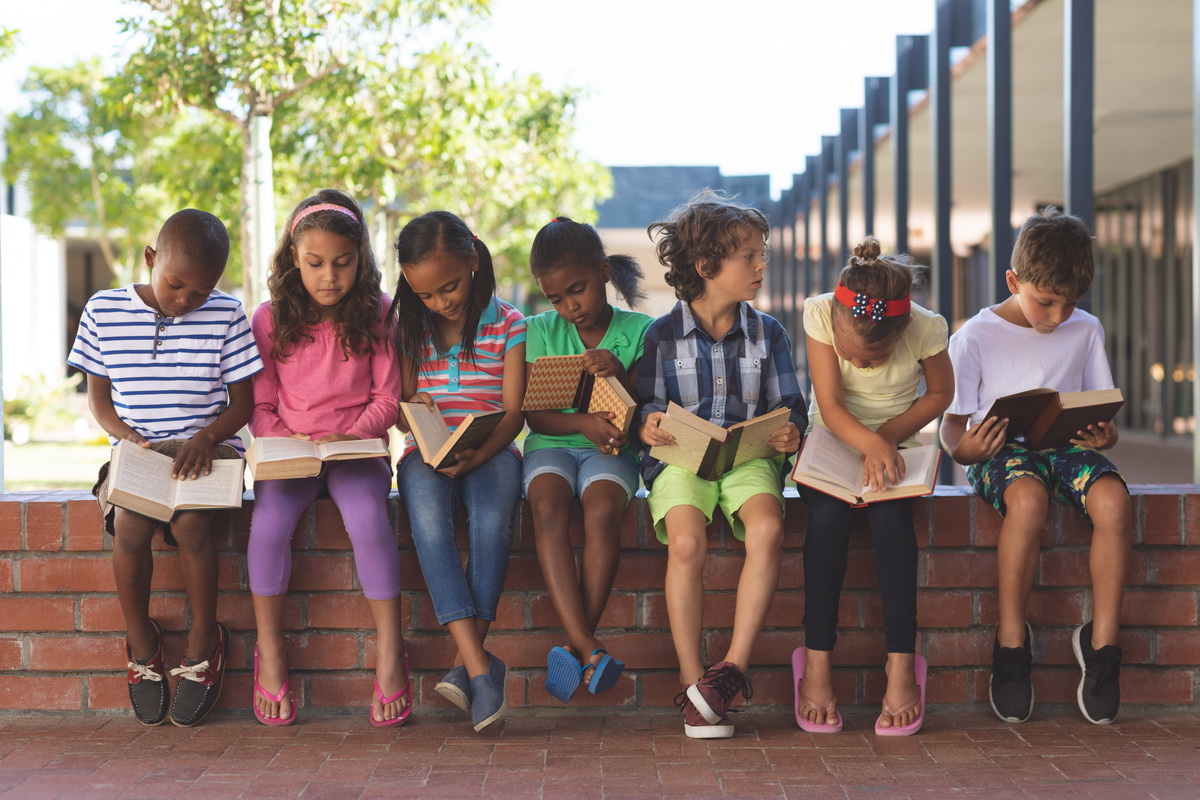


Geographic understanding is an essential part of a child’s early education, and caring about it for children ages 5-8 is crucial for several reasons. At this developmental stage, children are naturally curious and are beginning to comprehend the world around them. Introducing geographical concepts helps to foster a sense of place and space, which is foundational for cognitive development.
By learning about maps, directions, and basic geographical features such as continents, oceans, and landmarks, children start to build spatial awareness and critical thinking skills. This not only assists in their academic progress across various subjects but also enhances their everyday life skills, such as understanding directions and being aware of their environment.
Moreover, early exposure to geography encourages cultural awareness and respect. Children learn about diverse cultures, customs, and ways of life, which promotes empathy and inclusiveness. They begin to grasp how different people live and how geographic factors influence lifestyles and societies.
Parents and teachers play a pivotal role in making geography an engaging and interactive subject. Activities like map-making, globe exploration, and virtual field trips can make learning geography fun and memorable. Ultimately, developing geographic literacy from a young age lays the groundwork for informed and responsible global citizens.








