Sound discrimination Normal Worksheets for Ages 5-8
3 filtered results
-
From - To
Kids Academy offers engaging and educational Sound Discrimination Worksheets for children ages 5-8, designed to enhance their auditory skills and phonemic awareness. Each worksheet features fun activities that help young learners differentiate between various sounds, improve their listening skills, and strengthen language development. These printable sheets cover essential listening exercises, ensuring a strong foundation for reading and communication skills. Perfect for classroom or home use, our sound discrimination worksheets support educators and parents in providing effective and enjoyable learning experiences. Explore our collection today to help children advance their auditory discrimination and thrive academically!
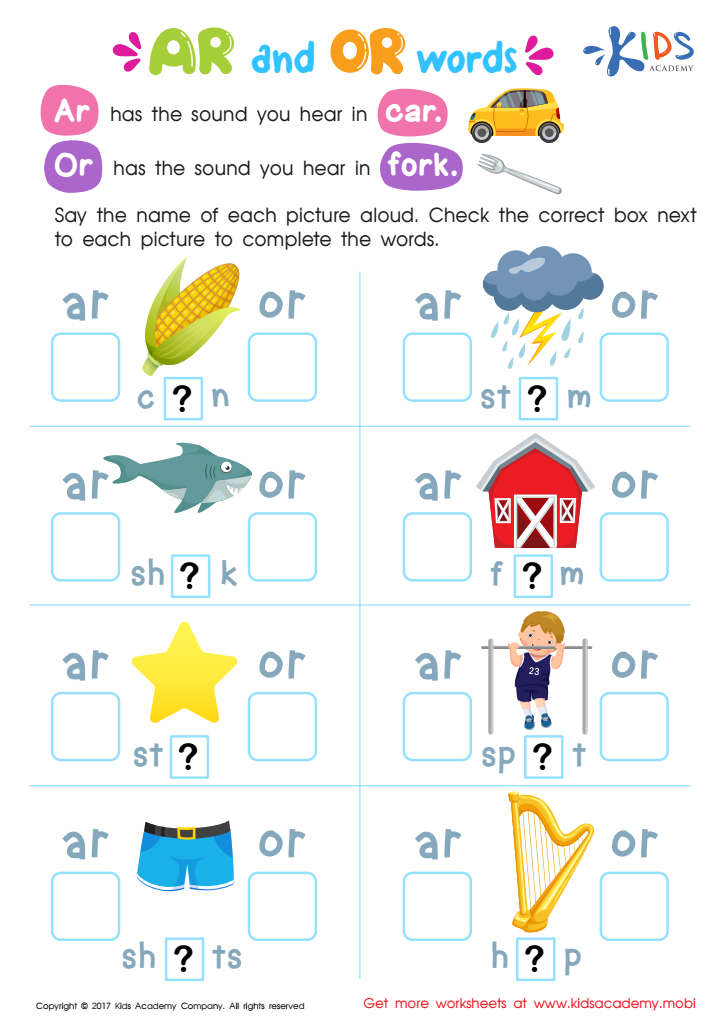
Ar and Or Words Phonics Worksheet
 Assign to My Students
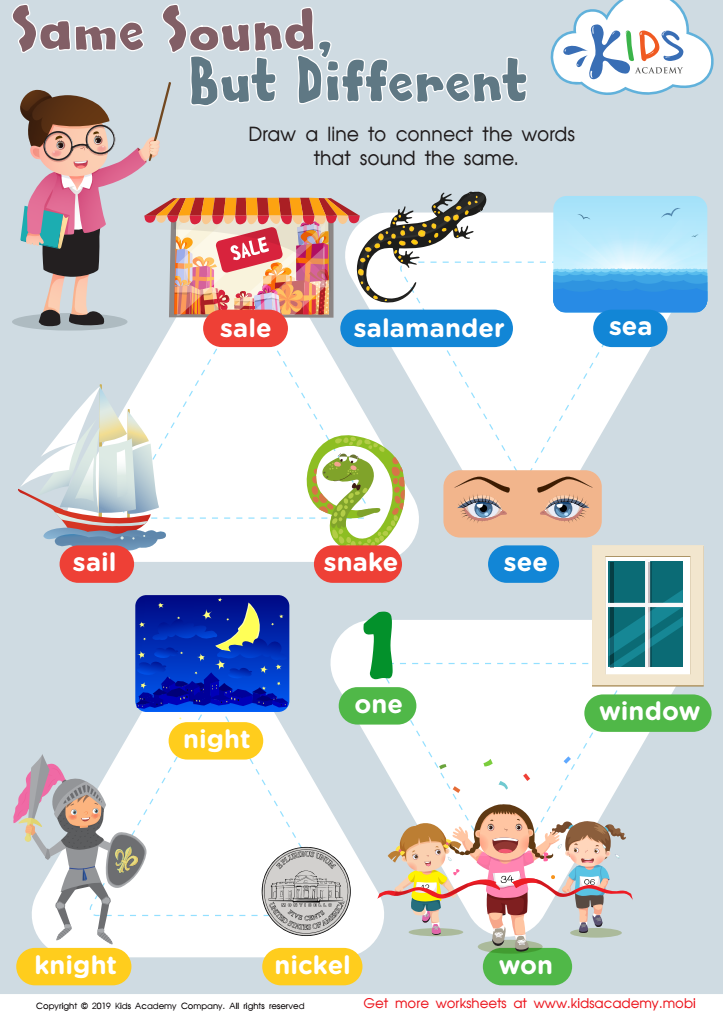
Sound Different Worksheet
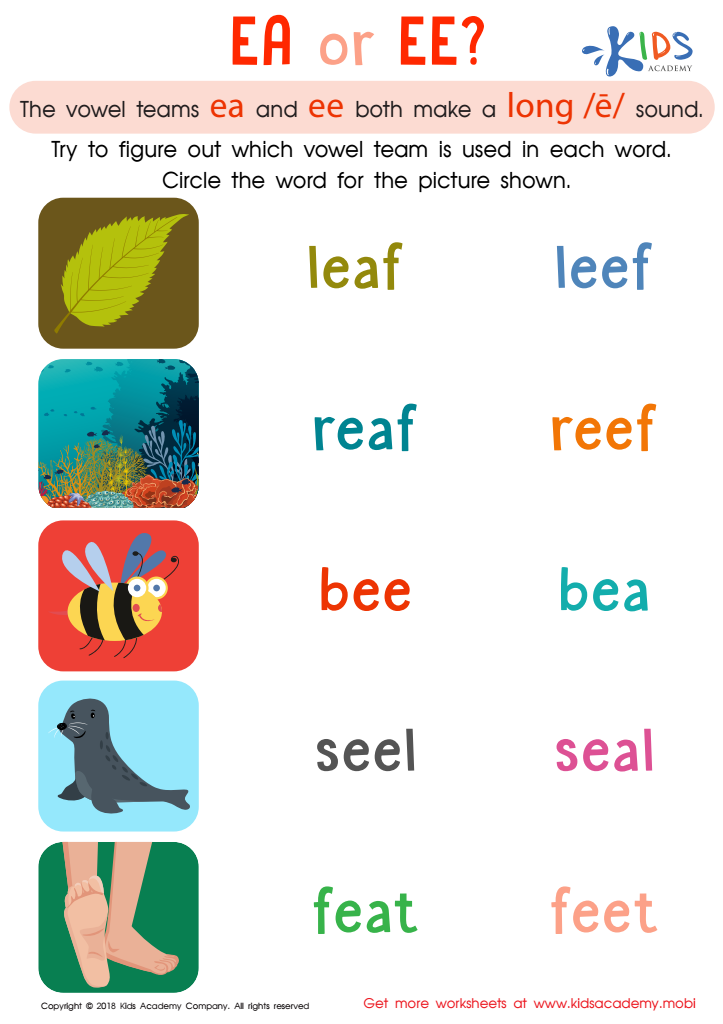
Reading: EA and EE Worksheet


.jpg)



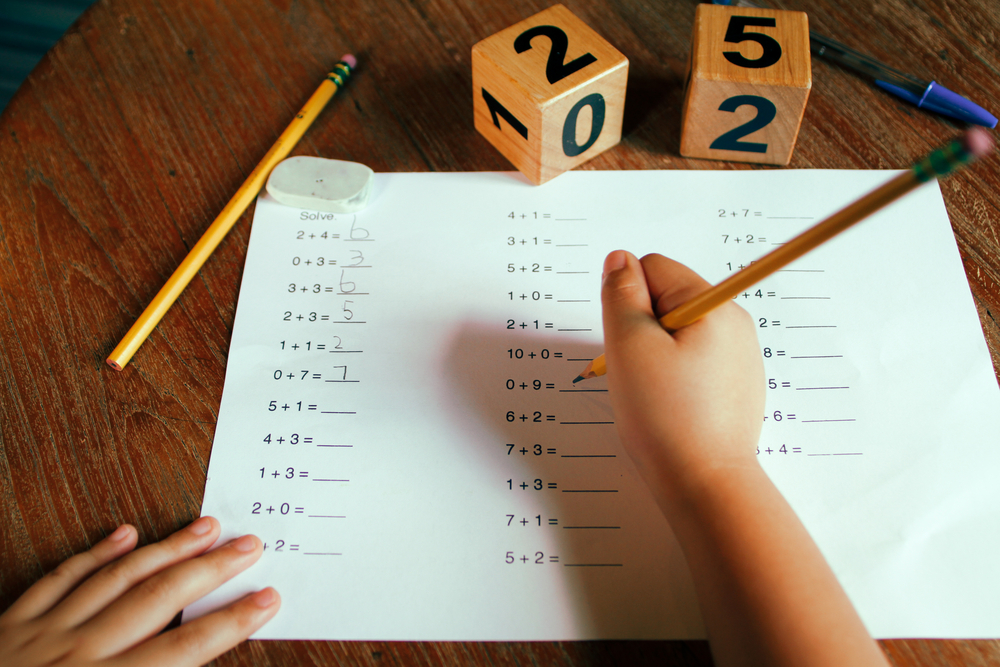

Sound discrimination is a critical skill in early childhood development, especially for children aged 5-8. It allows kids to distinguish between different sounds, which is fundamental for language acquisition and literacy development. For teachers and parents, paying attention to a child's sound discrimination abilities can serve as an early indicator of potential learning challenges, such as dyslexia or auditory processing disorders.
When children accurately discriminate sounds, they can better understand spoken language, follow verbal instructions, and engage actively in classroom discussions. These abilities lay the groundwork for effective reading and writing skills. For example, differentiating between similar phonemes like "b" and "p" or "d" and "t" is essential for decoding words and improving spelling accuracy.
Additionally, strong sound discrimination skills enhance a child's social interactions. Being able to differentiate tones, pitches, and rhythms in speech helps children interpret emotions and intent, facilitating better communication and social bonding.
Parents and teachers who prioritize sound discrimination equip children with the tools necessary for academic success and social competence. Early intervention can significantly improve outcomes, making this seemingly small aspect of development a foundational pillar in a child's educational journey. Addressing any issues in sound discrimination promptly can thus prevent future academic and social difficulties.








